

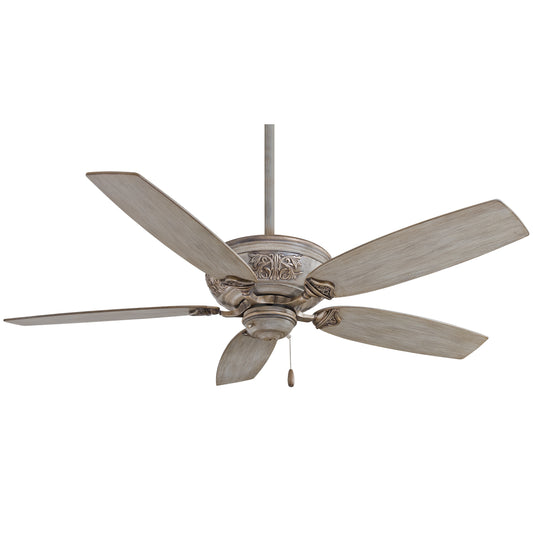


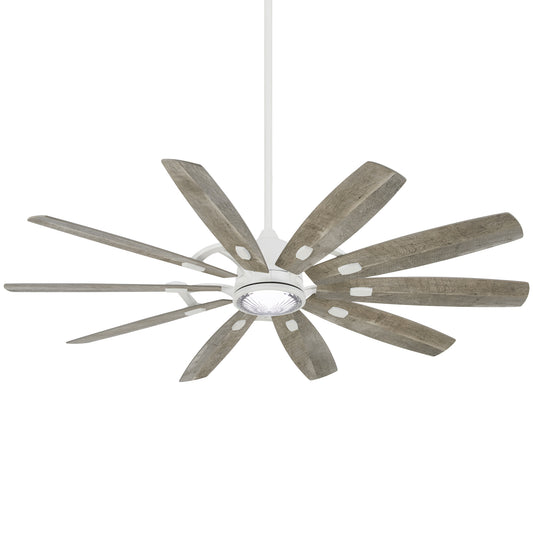

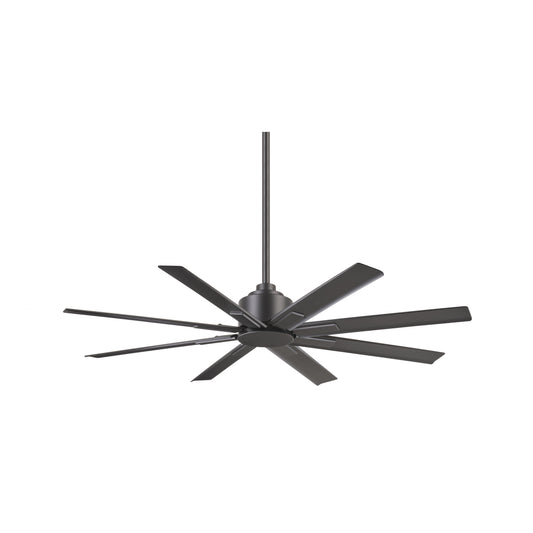

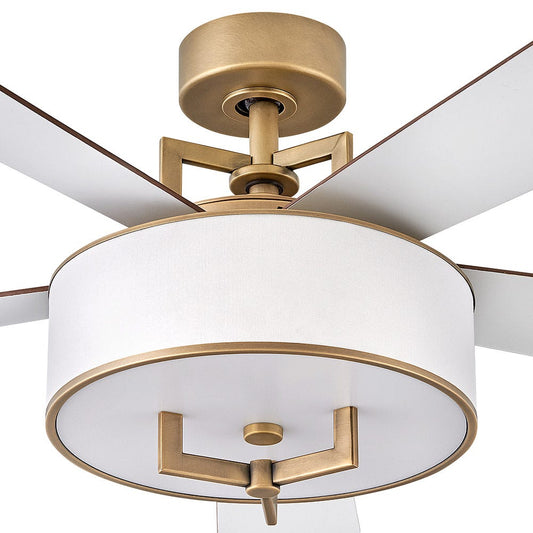






The Ultimate Guide to Bamboo Ceiling Fans: Stylish, Quiet Cooling for Any Room
A bamboo ceiling fan is so much more than a way to move air around a room. It's a piece of functional art, something that blends natural warmth with smart design to completely shift a room's atmosphere. Think of it as a central design element that combines breezy, tropical vibes with surprising versatility—all wrapped up in a sustainable material. It's the kind of choice you make when you care about style and substance.
Why a Bamboo Fan is More Than Just a Fixture
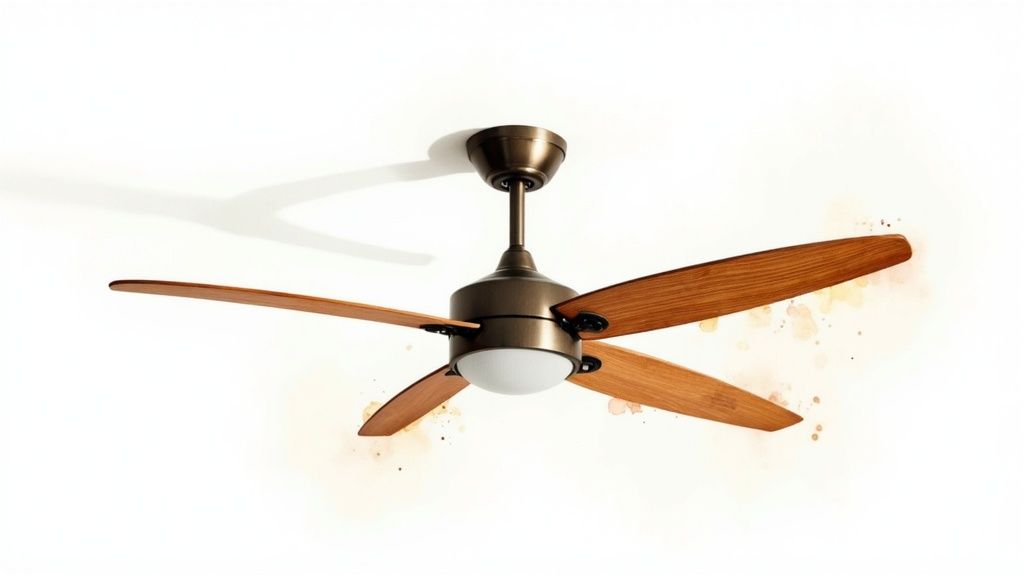
Imagine a fixture that does more than its job—it actually sets the mood. A bamboo ceiling fan isn't just a utility; it's a statement. It gives your space character and a sense of calm, acting as an organic focal point that draws the eye upward. It adds a layer of natural texture that your standard metal or plastic fans just can't touch.
This is exactly why so many homeowners and interior designers are turning to bamboo. It perfectly bridges the gap between everyday function and high-end decor, giving you a touch of the exotic without overwhelming the rest of the room. It’s basically functional sculpture for your ceiling.
The Power of Natural Materials
A huge part of the appeal is how a bamboo fan brings a little bit of the outdoors inside. The natural grain and finish of the blades add a warmth and serenity that make any room feel more inviting. You can actually feel the difference in the room's ambiance.
- Visual Warmth: The earthy tones of bamboo are perfect for softening up modern spaces, and they feel right at home in rustic or coastal decor.
- Unique Texture: Forget the flat, boring look of standard fan blades. Bamboo offers subtle variations in its grain that add real depth and visual interest.
- Airy Aesthetic: Bamboo blades look lightweight, which helps create a feeling of openness and can make even smaller rooms feel more spacious.
A Surprisingly Versatile Design Element
One of the biggest myths about bamboo fans is that they only work in a tiki-themed or beach house setting. And while they're fantastic there, you'd be surprised at how versatile they really are. A sleek, dark-finished bamboo fan can be the perfect organic touch in a stark, minimalist apartment. In the same way, a model with a weathered, rustic finish can be the final piece that pulls a farmhouse living room together.
The right fan doesn't just match your decor—it elevates it. A bamboo fan introduces a natural, handcrafted element that makes a designed space feel more personal and lived-in.
This guide is your roadmap to figuring out all things bamboo ceiling fans. We'll get into everything, from the quiet power of modern motors to finding the perfect style for your home. Get ready to see ceiling fans in a whole new light.
The Smart Choice: Sustainable and Durable Design
When you choose a bamboo ceiling fan, you're not just picking out a beautiful fixture for your home. You're making a genuinely smart decision, one that’s rooted in sustainability and thoughtful engineering. Bamboo isn't just another pretty material—it's an environmental champion with a surprising amount of muscle, making it the perfect foundation for a high-performance fan built to last.
This choice is less about just aesthetics and more about aligning your home with eco-conscious values, all without having to compromise on quality. Let's dive into why this remarkable material is both an elegant and exceptionally practical pick for modern living.
An Environmental Powerhouse
In a world where we’re all trying to live a bit more responsibly, bamboo really stands out. You can think of it as nature's overachiever. Unlike traditional hardwoods that can take decades, even a lifetime, to mature, bamboo is technically a type of grass and is one of the fastest-growing plants on Earth. Some species can shoot up several feet in a single day!
This rapid growth cycle means it's a highly renewable resource. Harvesting bamboo doesn't kill the plant; new shoots just pop up from the same root system, ready to grow all over again. This makes it a far more sustainable alternative to slow-growing trees or the resource-heavy metals and plastics found in conventional fans.
- Rapidly Renewable: Bamboo is ready for harvest in just 3-5 years, a huge difference from the 20-50 years many hardwoods need.
- Carbon Sequestration: Bamboo forests are workhorses when it comes to cleaning the air. They’re incredibly efficient at absorbing carbon dioxide and produce 35% more oxygen than an equivalent stand of trees.
- Minimal Waste: Just about every part of the bamboo plant can be used, leaving very little waste behind.
This shift toward green materials is a growing trend. The market for ceiling fans made from sustainable materials like bamboo is picking up steam, with a projected annual growth rate of 5.2% through 2033. This growth, part of a global market expected to hit USD 1.8 billion, is being driven by homeowners who want products that look good and do good.
Deceptively Strong, Incredibly Light
Sustainability is fantastic, but a ceiling fan also needs to be durable. This is where bamboo truly shines. Despite its grass-like origins, bamboo has a tensile strength that’s actually higher than many types of steel, meaning it can withstand more tension without breaking.
It's a common misconception that "natural" means "fragile." With bamboo, the opposite is true. Its fibrous structure creates a material that is both incredibly resilient and surprisingly lightweight.
This unique combination of strength and low weight is a huge advantage for a ceiling fan. Lighter blades put less strain on the motor, which makes for much more efficient operation. The motor doesn't have to work as hard to get bamboo blades spinning, and that can lead to some serious energy savings over the fan's lifetime. You can explore our guide on ceiling fan energy efficiency and cost savings to learn more about how a well-designed fan impacts your utility bills.
Built for Long-Lasting Performance
Durability is more than just raw strength. High-quality bamboo ceiling fans, especially those in the premium category over $300, are engineered to last for years. The bamboo isn't just cut and shaped; it goes through a meticulous process to ensure its longevity.
The blades are typically laminated, treated, and sealed to protect them from whatever the environment throws at them. This process prevents warping, cracking, or bending, even in rooms with fluctuating humidity. It ensures your fan blades stay perfectly balanced, giving you smooth, wobble-free operation for years to come. When you invest in a quality bamboo fan, you’re not just buying a stylish fixture—you're getting a reliable piece of home hardware.
Finding Your Perfect Style Match
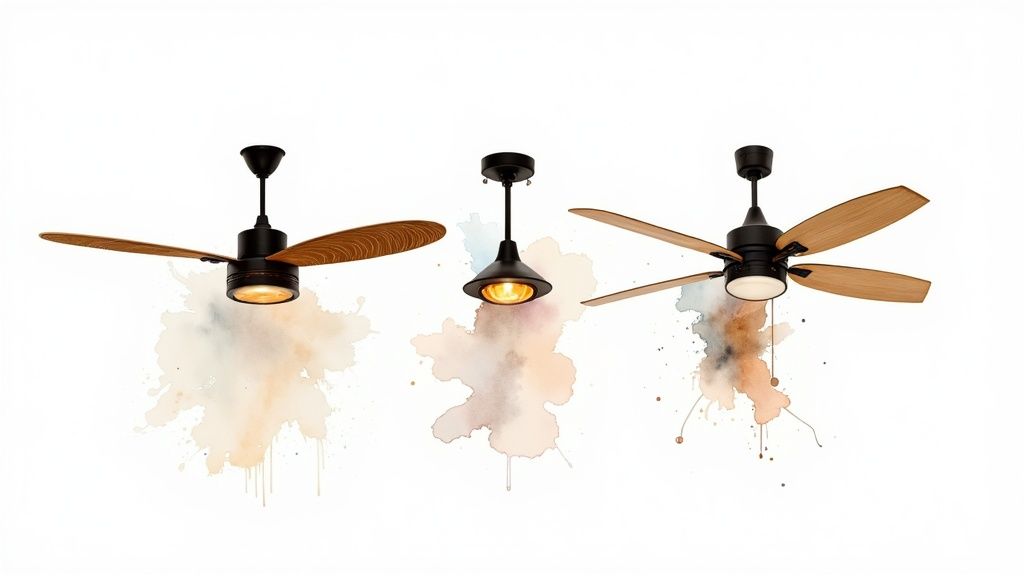
It’s a common mistake to think a bamboo ceiling fan only belongs in a beach house or a tropical-themed bar. But the truth is, these fans are surprisingly versatile. They can act as a design chameleon, either anchoring a room's style or adding the perfect accent. It all comes down to the details—the shape of the blades, the finish, and the materials used for the motor housing.
Choosing the right fan is like picking the perfect piece of art for your ceiling. It should feel intentional, pulling the room’s entire atmosphere together. Let's walk through the three main style categories to help you find a bamboo fan that feels like it was custom-made for your space.
Tropical and Coastal Escapes
This is the classic look most people imagine, and for good reason. It effortlessly creates that relaxed, resort-like vibe. Think of it as bottling the essence of a breezy seaside vacation and installing it right in your living room.
To really nail this style, look for fans with wide, leaf-shaped blades. They’re often hand-carved to mimic palm fronds, making a bold, organic statement. Natural, light-toned bamboo finishes are key here, giving them an airy, sun-bleached feel.
- Blade Design: Wide, sweeping blades that look like natural palm leaves.
- Finishes: Light, natural bamboo tones, often paired with white or brushed nickel hardware.
- The Result: A fan that creates a sense of sanctuary and perpetual vacation. It's perfect for sunrooms, master bedrooms, or covered patios.
The Minka-Aire Gauguin 52" Tropical Ceiling Fan ($339.95) is a perfect example, with beautiful leaf-shaped blades that can instantly transport you to a tranquil paradise.
Modern and Minimalist Charm
This is where the versatility of bamboo really shines. In a modern or minimalist home, a bamboo ceiling fan adds a crucial layer of organic texture, preventing the space from feeling too cold or sterile. It’s the perfect natural counterpoint to clean lines, concrete floors, and a neutral color palette.
For this look, you’ll want to steer clear of the leaf shapes. Instead, focus on fans with sleek, straight, and slender blades. The goal is a clean silhouette that adds warmth without creating visual clutter.
In minimalist design, every element has to earn its place. A sleek bamboo fan works beautifully because it introduces natural material and subtle texture without disrupting the room's clean, uncluttered ethos.
Look for rich, dark finishes like deep espresso, walnut, or even a sophisticated matte black. These darker tones give the bamboo a more refined, contemporary edge that blends seamlessly with modern decor. The Kichler Gentry 65" Ceiling Fan ($594.99), with its clean lines and rich finish, is an excellent choice for adding organic warmth to a modern space.
Rustic and Farmhouse Warmth
For rustic, farmhouse, or even industrial-inspired interiors, a bamboo ceiling fan can add a touch of handcrafted, cozy charm. This style is all about texture, comfort, and a connection to honest, natural materials. The fan should feel like it has a story to tell.
Here, seek out designs that feature woven bamboo or rattan textures on the blades. This adds a layer of depth and visual interest that perfectly complements other rustic elements like reclaimed wood, exposed brick, or weathered metal.
- Blade Texture: Woven or textured bamboo blades are a hallmark of this style.
- Hardware Finishes: Look for motor housings in oil-rubbed bronze, aged brass, or weathered steel to enhance that rustic feel.
- Overall Vibe: The fan should feel grounded, inviting, and authentic.
The combination of woven bamboo with robust metal hardware creates a beautiful balance between soft and strong elements. This look is perfect for great rooms with vaulted ceilings, cozy dens, or farmhouse kitchens. To stay ahead of what's popular, you can find more inspiration by exploring the latest ceiling fan design trends, which often highlight this fusion of natural textures and modern forms.
Decoding Fan Performance And Airflow
While a bamboo ceiling fan’s style sets the mood, its real worth comes down to performance. Let's be honest, a gorgeous fan that barely stirs the air is just an expensive ceiling ornament. To avoid that disappointment, you need to understand what actually makes a fan effective.
We're talking about the engine of the whole operation—the motor—and how it works with the blades to create that perfect, refreshing breeze. It’s a lot simpler than it sounds, and knowing these basics will help you choose a fan that feels just as good as it looks.
The Secret Language of Airflow: CFM and Blade Pitch
When you’re looking at fan specs, the most important number to find is CFM, or Cubic Feet per Minute. Think of it as the fan's power rating. It tells you the total volume of air the fan can move every minute when it’s cranked up to its highest speed. A higher CFM means a stronger breeze and better air circulation. Simple as that.
But CFM doesn’t just happen on its own. It’s the result of the motor’s muscle working together with the blade pitch—which is just a fancy term for the angle of the blades. A steeper pitch, usually between 12 and 15 degrees on high-performance models, lets the blades “scoop” and shove more air downward with every single spin.
A fan is basically an airplane propeller turned on its side. Just like a propeller’s angle creates thrust, a fan blade’s pitch determines how well it can grab and move air. A flat blade just slices through the air; an angled one actually pushes it.
Imagine trying to row a boat with a flat paddle versus one that’s angled to catch the water. The angled paddle gives you way more power, right? It's the exact same idea with a bamboo ceiling fan. The winning combo of a strong motor and an ideal blade pitch is what delivers those impressive CFM numbers that keep your room cool and comfortable.
The Motor Showdown: AC vs. DC
The motor is the heart of your fan, and this is where premium models really pull away from the budget options. The single biggest upgrade you can make, especially if you're looking at fans over $300, is choosing one with a DC (Direct Current) motor over a traditional AC (Alternating Current) motor.
An AC motor is the classic, old-school tech. It’s reliable and it gets the job done, but it’s kind of like driving a car with a basic engine—it’s functional, but it’s not exactly refined or efficient.
DC motors, on the other hand, are the modern, high-performance engines of the fan world. They use magnets and smart electronics to work with incredible precision. This isn't just geeky tech talk; it makes a huge difference in your day-to-day experience.
DC motors are wildly more energy-efficient, often using up to 70% less electricity than their AC cousins. That translates to real savings on your energy bills over the life of the fan. They are also virtually silent, so you get all the breeze without any of the annoying humming or buzzing that can sometimes come from older AC motor fans.
To help you see the difference at a glance, we've put together this quick comparison.
AC vs DC Motor Bamboo Ceiling Fan Comparison
This table compares the key features of traditional AC motors and modern DC motors found in premium bamboo ceiling fans to help you make an informed decision.
| Feature | AC Motor (Standard Fans) | DC Motor (Premium Fans >$300) |
|---|---|---|
| Energy Efficiency | Standard efficiency. | Up to 70% more efficient, saving money on bills. |
| Noise Level | Can produce a low hum, especially at higher speeds. | Virtually silent operation. No humming or buzzing. |
| Speed Control | Typically 3-speed options (Low, Medium, High). | Usually 6+ speed options for precise airflow control. |
| Reversible Function | Manual switch on the motor housing. | Conveniently reversed with the remote control. |
| Control Type | Often uses a pull chain or basic remote. | Almost always includes an advanced feature-rich remote. |
| Lifespan & Build | Reliable, but with more moving parts that can wear out. | Longer lifespan due to brushless design and less heat. |
As you can see, while an AC motor is a fine choice for a basic fan, a DC motor offers a truly superior experience across the board.
Why a DC Motor is a True Investment
Picking a bamboo ceiling fan with a DC motor is an investment in better comfort, more control, and blissful quiet. The perks go way beyond just saving a few bucks on energy. Because of their advanced electronics, DC motors unlock a whole range of features that completely change how you use your fan.
For example, while a typical AC fan might give you three speed settings, a DC fan often provides six or more, letting you dial in the airflow to your exact comfort level. They also almost always come with a remote that lets you easily reverse the fan's direction—a must-have for year-round use. You can push cool air down in the summer and then, with the press of a button, circulate warm air down from the ceiling in the winter.
If you want to dig even deeper into how these elements work together, you can learn more about how fan blade count and other elements impact efficiency in our detailed guide.
Ultimately, when you buy a premium bamboo ceiling fan with a DC motor, you’re not just buying another appliance; you’re upgrading your home’s entire comfort system.
Getting Sizing and Placement Right
You’ve picked a style you love, but hold on—choosing the right size fan is one of the most common spots where people trip up. It's a mistake that can completely undermine your fan's look and its ability to do its job.
A fan that’s too small for a big room will look comically out of place and will barely stir the air. On the flip side, a massive fan in a tiny room creates an overwhelming, uncomfortable wind tunnel. Getting the size right isn't guesswork; it's about matching the fan's diameter to your room's square footage. Think of it like tailoring a suit—the right fit makes all the difference.
Matching Fan Size to Your Room
The most important measurement here is the fan’s blade span (or diameter), which is simply the distance from the tip of one blade straight across to the tip of the opposite blade. The bigger the room, the wider the fan needs to be to move air effectively.
A fan that's properly sized for its space doesn't have to work as hard, which means it runs quieter and uses less energy. It’s a win-win.
To find your perfect match, just measure your room's length and width, multiply them to get the square footage, and check the chart below.
| Room Size (Square Feet) | Recommended Fan Diameter (Inches) | Best For |
|---|---|---|
| Up to 75 sq. ft. | 29 – 36 inches | Bathrooms, laundry rooms, walk-in closets |
| 76 – 144 sq. ft. | 36 – 44 inches | Home offices, smaller bedrooms |
| 145 – 225 sq. ft. | 44 – 54 inches | Master bedrooms, living rooms, kitchens |
| 226 – 400 sq. ft. | 54 – 72 inches | Great rooms, open-concept areas, lofts |
| Over 400 sq. ft. | 72+ inches or Multiple Fans | Large great rooms, commercial spaces |
Let's put that into practice. A standard 12'x12' bedroom is 144 square feet, so a fan in the 44-inch range is the sweet spot. For a larger 15'x20' living room (300 sq. ft.), you’ll want to step up to a more substantial bamboo ceiling fan that’s 54 inches or wider to really feel the breeze.
Optimal Placement for Peak Performance
Once you've nailed down the size, where you hang it is just as crucial. Proper placement is all about maximizing airflow and staying safe. For the best, most even breeze, always try to center the fan in the room.
The height is also critical. Ideally, you want the fan blades to be 8 to 9 feet above the floor. This gives you plenty of safe clearance while ensuring the fan is low enough to circulate air where you can actually feel it.
- Standard Ceilings (8-9 feet): Most fans come with a standard mount that puts them right in this perfect height zone.
- Low Ceilings (Below 8 feet): If your ceilings are on the low side, you’ll need a "hugger" or flush-mount fan. These models sit right up against the ceiling, maintaining the minimum safe clearance of 7 feet.
- High or Vaulted Ceilings (Above 9 feet): For soaring ceilings, a downrod is your best friend. This is just an extension pipe that lowers the fan down into that optimal 8-9 foot zone, so the breeze doesn't get lost up high.
Don't forget about side clearance, either. The tips of the blades need at least 18 inches of open space from any walls, curtains, or tall furniture. Anything less can obstruct airflow and cause the fan to wobble.
This infographic is a handy reminder of how budget often connects to the motor types we talked about earlier.
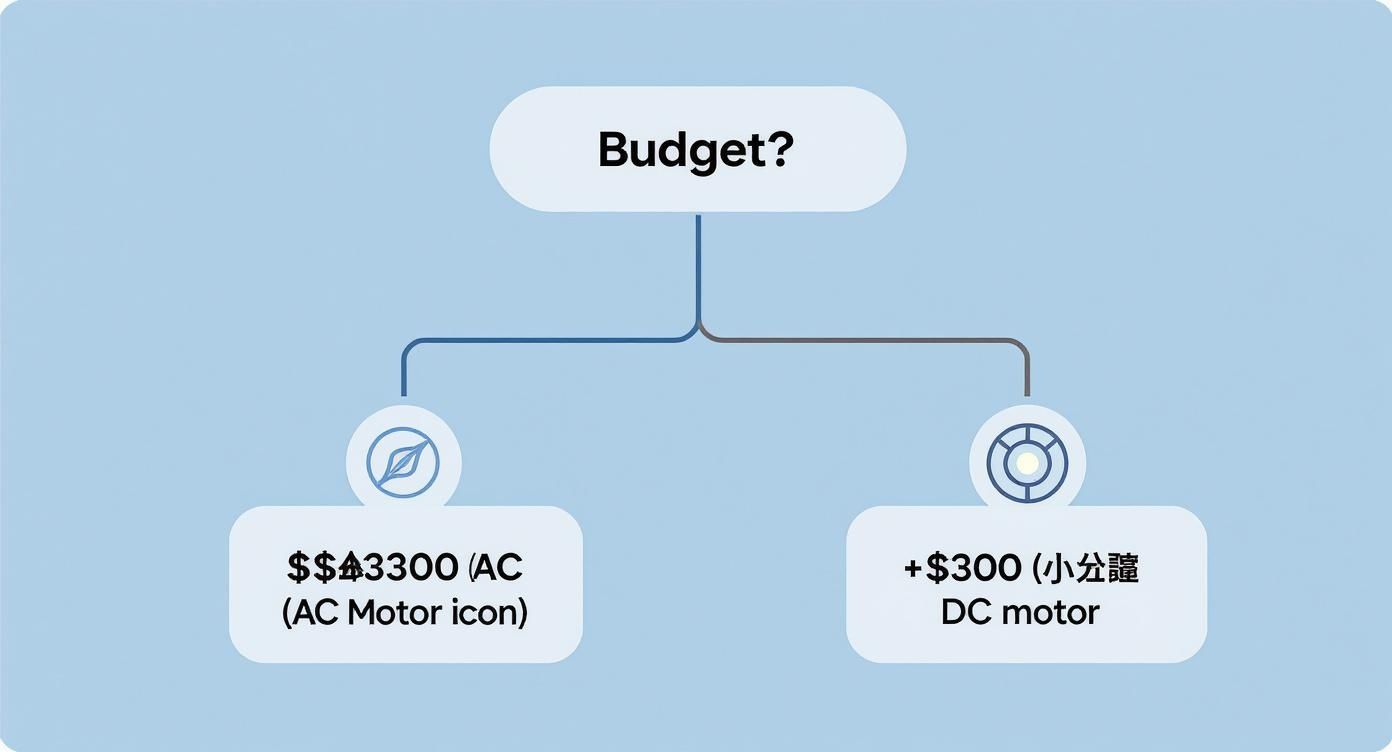 Essentially, once you're investing over $300, you start getting into the world of ultra-efficient and quiet DC motor fans.
Special Considerations for Patios and Unique Spaces
What if you're dreaming of that breezy bamboo look for a covered porch or lanai? You absolutely can, but you must choose a fan built for it.
UL Damp-Rated: These fans are engineered to handle humidity and moisture. They're perfect for covered outdoor spots like patios and screen rooms, or even large, steamy bathrooms. The motors are sealed for protection, and the bamboo blades are specially treated so they won’t warp.
A great example is the Matthews Fan Co. Eliza-H 56" Ceiling Fan ($594.00). It's a fantastic damp-rated fan that blends a sleek, modern look with the toughness needed for a covered outdoor retreat.
Whatever you do, never install a standard indoor-only (dry-rated) fan outside or in a damp spot. The moisture will eventually kill the motor and cause the blades to sag. Stick to these sizing and placement rules, and your beautiful bamboo ceiling fan will perform perfectly for years.
A Showcase of Premium Bamboo Ceiling Fans
Stepping into the world of premium bamboo ceiling fans is about more than just moving air. This is where we get into statement pieces—functional art that’s engineered for quiet power, lasting quality, and incredible design. These models, typically priced at $300 and above, are a real investment in your home’s comfort and style.
Let's take a look at a few standout examples. Each one shows what makes a premium fan a genuinely worthwhile upgrade, telling a story of craftsmanship, performance, and thoughtful design.
The Modern Minimalist Statement
For those spaces defined by clean lines and an uncluttered vibe, the right fan has to add warmth without creating visual noise. It needs to complement the room's calm, not compete with it.
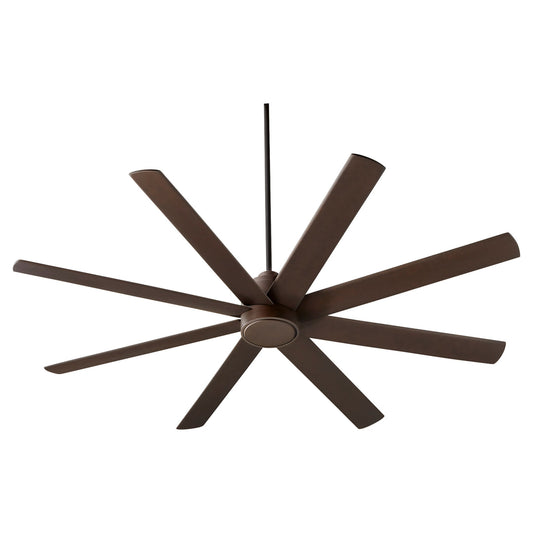
A perfect fit here is the Kichler Gentry 65" Ceiling Fan ($594.99). Its nine slender blades create a sleek, contemporary profile that feels both organic and totally modern. Paired with a powerful and silent DC motor, it delivers impressive airflow you feel but don't hear, preserving the tranquility of a minimalist home. It’s an ideal choice for a loft, a modern great room, or anywhere form and function need to coexist beautifully.
The Tropical Resort-Style Retreat
When the goal is to create an escape—a space that feels like a permanent vacation—the fan can easily become the centerpiece of that vision. It has to evoke a sense of breezy, effortless relaxation.
The Minka-Aire Gauguin 52" Tropical Ceiling Fan ($339.95) absolutely nails this. Its wide, leaf-shaped blades are beautifully crafted to look like natural palm fronds, instantly creating a resort-like atmosphere. This fan is designed to be a focal point, perfect for a sunroom, master bedroom, or a covered lanai where you want to instill a sense of calm and escape.
A premium bamboo fan does more than move air; it sets a mood. Whether it's the serene quiet of a DC motor or the visual poetry of hand-carved blades, it actively contributes to the room's intended atmosphere.
The Versatile Outdoor Oasis
Taking the beauty of a bamboo ceiling fan outdoors requires specialized engineering to stand up to the elements. For covered porches, patios, and even humid indoor areas, a damp-rated fan isn't just a good idea—it's essential.
For these spaces, consider the Matthews Fan Co. Eliza-H 56" Ceiling Fan ($594.00). As a damp-rated model, its motor is sealed against moisture, and its blades are treated to resist warping and damage. This fan combines a sleek, modern aesthetic with the durability needed for outdoor living, proving you don't have to sacrifice high design for rugged performance.
These models are just a glimpse into the world of premium bamboo fans available at Fan Connection. When you invest at this level, you’re not just buying an appliance; you're choosing a lasting piece of decor that enhances your home for years to come.
Your Bamboo Ceiling Fan Questions Answered
Even after laying out all the benefits, it's completely normal to have a few last questions before pulling the trigger. Choosing the right bamboo ceiling fan is a real investment in your home's comfort and style, so we want to make sure you feel totally confident.
We've gathered the most common questions we hear from shoppers to help clear up any final hesitations. Think of this as your quick-reference guide for making the best possible choice for your space.
Are Bamboo Ceiling Fans Hard To Clean?
Not at all. This is a common myth, but it's one we can bust pretty easily. High-quality bamboo blades are sealed with a tough protective finish, which makes them surprisingly resistant to dust buildup.
Usually, a simple wipe-down with a microfiber duster or a soft, dry cloth is all it takes to keep them looking brand new. They don't require any more special care than a standard ceiling fan.
Can I Use A Bamboo Fan In A Bathroom Or On A Patio?
Yes, but you have to pick the right one. For humid spaces like a bathroom or a covered outdoor area, you absolutely must choose a "damp-rated" model. The good news is, many of our best bamboo fans are specifically built for these environments.
These fans feature moisture-resistant motors and specially treated blades that won't get damaged by humidity. Just be sure to check the fan's UL rating to confirm it's designed for the space you have in mind.
Will Bamboo Blades Warp Or Bend Over Time?
When you invest in a quality fan from a reputable brand, warping is not something you need to worry about. The bamboo used in these premium models is engineered, laminated, and sealed to handle shifts in temperature and humidity.
This process ensures the blades keep their perfect shape and balance for years, giving you a wobble-free, reliable performance you can count on.
Ready to find that perfect blend of natural style and powerful performance for your home? The curated collections at Fan Connection make it easy to discover a bamboo ceiling fan that fits your aesthetic and your budget.
Explore our stunning selection of premium fans today at https://www.fanandlights.com.


