











Best Ceiling Fans for Large Rooms: Size Matters
Updated on: 2026-07-10
If you have a big living room, open dining space, or a high-ceiling great room, comfort can be hard to maintain. Ceiling fans for large rooms help move air where you need it most, so the space feels cooler in summer and more comfortable year-round. With the right blade size, airflow, and controls, you can reduce stagnant hot spots and improve how your HVAC performs. Below, you will find practical picking tips, a clear installation approach, and product-focused guidance to help you choose faster.
Pros & Cons of Ceiling Fans for Large Rooms
Choosing a fan for a large space is not just about style. You want enough airflow, sensible control options, and a setup that works with your ceiling height. Here are the key benefits and trade-offs to consider.
- Better airflow coverage: Large-room fans move air across more floor area, which helps reduce uneven temperatures.
- Comfort in hot and humid seasons: Air movement can make the room feel cooler without changing the whole thermostat strategy.
- Year-round usefulness: Many ceiling fans can be used to support air circulation across seasons, improving overall comfort.
- Energy-smart support: When sized correctly, fans help people feel comfortable while HVAC runs more efficiently.
- Design upgrade: A fan can anchor the room’s look and add character to modern, traditional, or transitional interiors.
- Installation planning matters: Bigger fans may require more careful mounting decisions, especially with sloped ceilings or tight clearances.
On the downside, the wrong fan can underperform. If your blade span is too small or your airflow is not suited to the room, you may still feel hot spots. The good news: once you match blade size, mounting height, and control needs, results are usually excellent.
How to Choose the Right Ceiling Fan for a Large Room
When you shop for ceiling fans for large rooms, start with performance basics. Then narrow down by ceiling type, finishes, and control features that fit how you live.
1) Match blade size to your room’s square footage
In general, larger spaces benefit from wider blade spans and fans designed for broader airflow. If you are covering an open-plan living area, you also want even distribution across seating zones, not just circulation near the fan.
2) Choose the right airflow style for your layout
Think about how air should move through your room. A fan with balanced blades and a stable motor setup helps air reach corners and pathways, especially where sunlight and windows create heat.
3) Plan for ceiling height and safe clearance
A large-room fan needs adequate clearance from the floor and from any ceiling fixtures. For rooms with tall ceilings, a downrod can bring the fan into the best airflow position. For lower ceilings, you may want a flush-mount option that keeps the fan safe and visually aligned.
4) Pick controls that help you actually use the fan
Look for convenient control options like wall controls or fan speed settings. More control usually means better comfort, because you can tune airflow as weather changes.
5) Consider integrated lighting if you want one smart upgrade
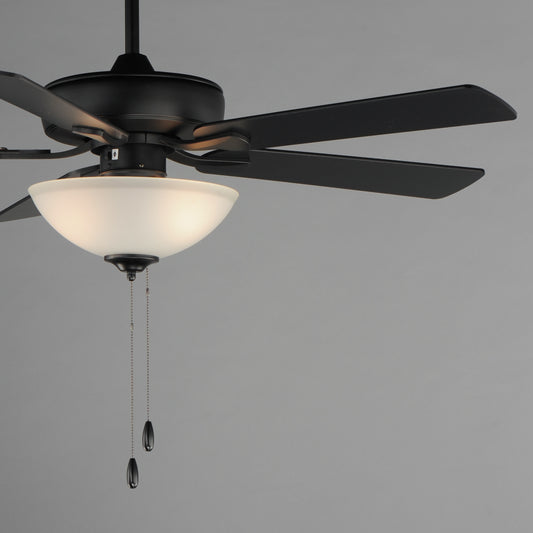
Many homeowners want a fan that also improves lighting quality. If your large room needs brighter task lighting, a fan with a light kit can simplify your upgrade plan and reduce the number of separate fixtures.

Wide airflow arrows across an open-room floor plan
To visualize what “coverage” means, think about airflow reaching corners and seating. The goal is comfort across the entire room, not just under the fan.
Step-by-Step Practical Guide
This guide shows how to choose and install a fan setup that fits a large space. You do not need to guess—follow these steps and you will make smarter decisions before you buy.
Step 1: Measure the room and note obstacles
Write down the room dimensions, ceiling height, and any limits such as beams, bulkheads, ceiling-mounted sensors, or existing lighting. For large rooms, also consider where people sit most. This helps you decide whether the fan should be centered or shifted toward the main gathering area.
Step 2: Select a fan type that matches your ceiling
Choose the mounting style that matches your ceiling structure. If your ceiling is flat and there is room for proper clearance, a standard mount may work well. If your ceiling is lower or you prefer a slimmer profile, consider a flush-mount style. If your ceiling is tall, use an appropriate downrod to position the fan for airflow comfort.
Step 3: Verify wiring and support for the installation
Before installing, confirm that your ceiling box can support the fan weight and that wiring is safe. If you are not fully comfortable with electrical work, hire a licensed electrician. This step protects you and helps the fan operate correctly from day one.
Step 4: Install with correct blade alignment and spacing
Follow the included instructions and make sure blades are secured evenly. Uneven blade alignment can create vibration and reduce performance. For a large-room fan, stability matters because the fan’s mass and airflow impact are more noticeable.
Step 5: Set the fan speed strategy for comfort
Use lower speeds for everyday circulation and higher speeds for warmer days. In summer, comfort improves when airflow reaches the seating area. In shoulder seasons, mid-level speeds often keep the room comfortable without feeling too drafty.
Step 6: Use lighting thoughtfully (if your fan includes it)
If you choose a fan with a light kit, set lighting intensity based on your activities. For reading areas, brighter light can help. For relaxed evenings, dim or lower brightness to keep the room welcoming.
Where to focus for the best results in large rooms
- Center zone: Place the fan so airflow covers the seating and main walking path.
- Window hotspots: If your biggest warmth comes from large windows, direct airflow across the zone near those windows.
- Open layout flow: If the room connects to dining or kitchen areas, consider airflow direction that helps the whole space feel more even.
- Ceiling complexity: For sloped or angled ceilings, make sure you can mount correctly without compromising stability.

Ceiling mount with measuring tape and clearance markers
Clearance planning prevents “almost right” installs. The goal is correct height, safe mounting, and airflow that feels natural.
Product-Focused Fan Picks for Large Spaces
Now that you know what to look for, here are product links you can explore for your next upgrade. These options can help you build a ceiling fan plan that fits larger rooms, with performance-ready design and style choices.
For modern, clean profiles
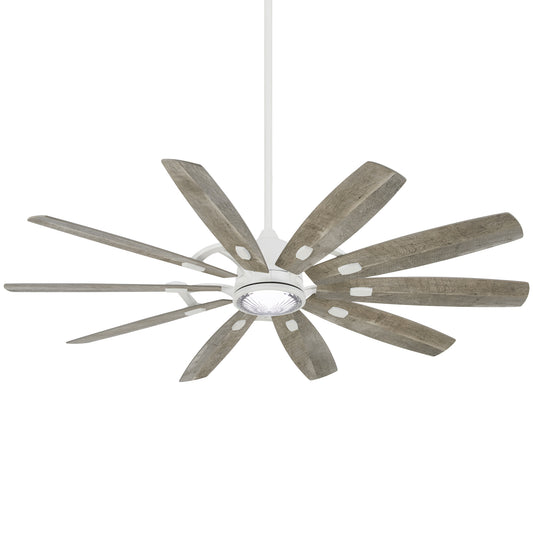
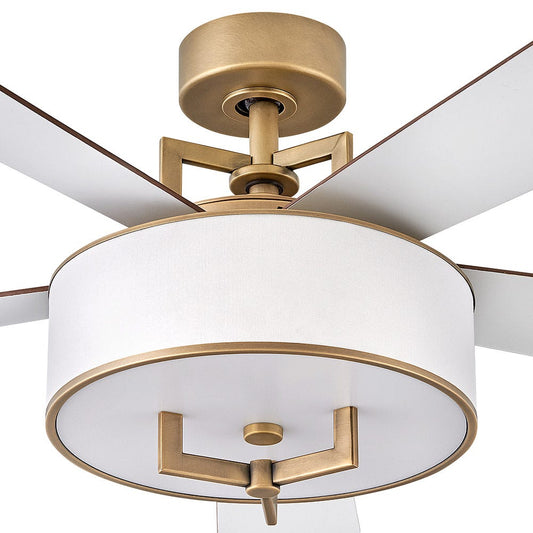
If you want a streamlined look that blends into contemporary spaces, start by browsing fan options designed for stylish, functional living areas. A great place to begin is Celano V2, which is made to complement modern decor while supporting strong comfort in everyday rooms.
For a classic ceiling fan statement
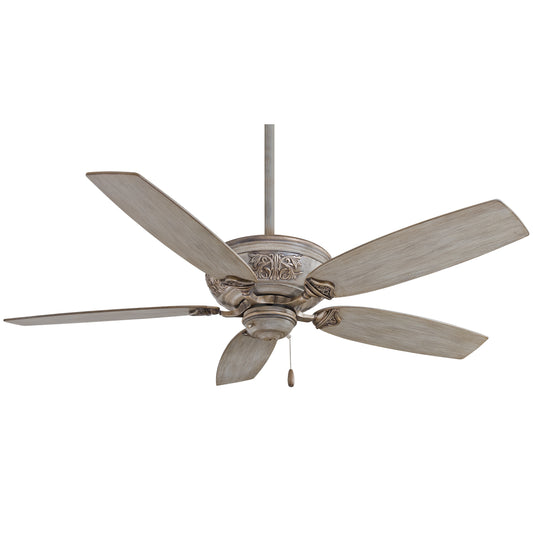
If your room has traditional elements such as crown molding, wood tones, or classic lighting, consider a fan that feels timeless. Explore Arden to see how a balanced design can enhance large-room comfort while still looking right in the space.
For energy-smart upgrades with a motor-forward build
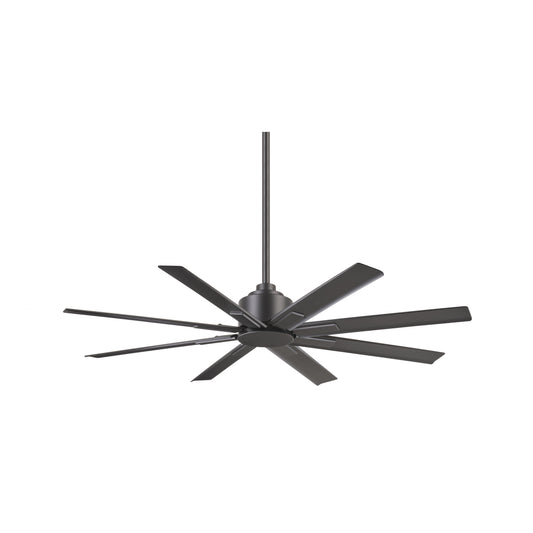
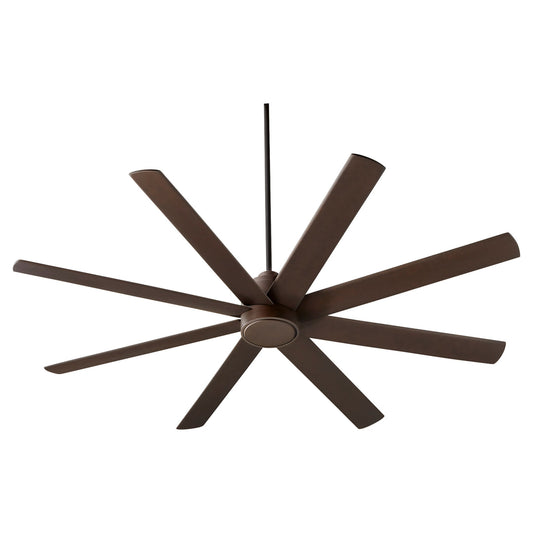
Homeowners often tell us the biggest difference comes from upgrading both comfort and control. If you are comparing motor features and overall stability, you may like Xeno as a starting point for your research.
For those who want a strong performance baseline
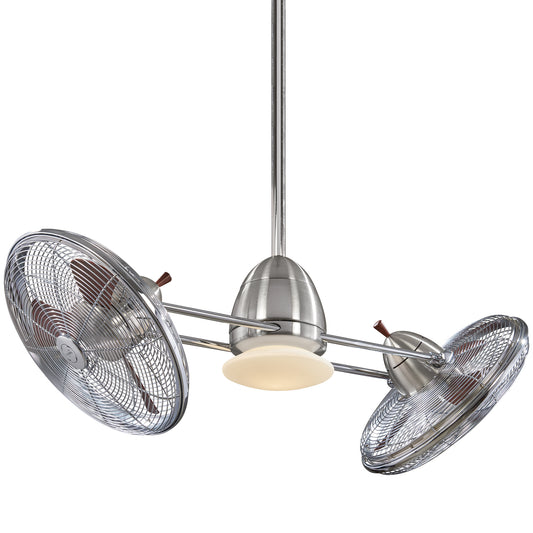
When you are shopping specifically for ceiling fans for large rooms, performance consistency matters. Consider browsing options like Hugh to find a fan that aligns with your room’s comfort goals and your visual style.
Real-Life Use Cases: When Large-Room Fans Make the Difference
Large rooms have unique challenges. Here are common situations where a properly selected fan can change how the space feels.
Open-concept living rooms
In open layouts, heat can pool near windows and in high-traffic areas. A correctly sized fan helps even out comfort and keeps the whole space feeling more consistent from one end to the other.
Dining areas that double as gathering spaces
When dining transitions into late-night conversations, people want comfort without harsh overhead heat. A large-room fan can support a more relaxed atmosphere by keeping air moving across the dining zone.
Home offices and creative studios
Work spaces can feel stuffy when air is not circulating. A fan can make a noticeable comfort difference while you focus, especially during warmer months or after long periods of indoor use.
Bedrooms with generous square footage
Even in sleeping spaces, comfort matters. A fan that circulates air evenly can help the room feel better for rest, especially when it is paired with a smart speed setting routine.
Customer Feedback Snapshot (What People Usually Like)
While every home is different, customers who invest in large-room fans often mention similar benefits. Here are themes that show up frequently when people share their experience.
- Comfort gets more consistent: Fewer hot spots and more “whole-room” feel.
- Quiet operation at everyday speeds: Many users prefer mid to low settings for routine comfort.
- Better balance with lighting: Fans with integrated lighting can reduce the need for extra fixtures.
- Installation confidence: Customers appreciate clear documentation and a mounting that feels secure.
Wrap-Up
Choosing ceiling fans for large rooms is one of the fastest ways to upgrade comfort and daily enjoyment in bigger spaces. Focus on correct blade span, safe mounting clearance, and controls that help you tune airflow. Then pick a style that matches your room so the fan feels like part of the design, not an afterthought.
Ready to improve airflow in your space? Browse ceiling fan options at Fan & Lights and shop models that fit your room’s size, ceiling height, and lighting needs.
Disclaimer: Product details, installation requirements, and performance can vary by model and home conditions. Always follow the manufacturer’s instructions, confirm compatibility with your electrical setup, and consult a qualified professional for electrical or structural concerns.
Q&A
How big of a ceiling fan do I need for a large room?
Look at your room size first, then choose a fan designed for broader airflow. Larger rooms usually need wider blade spans to cover seating areas and corners effectively. If your room is open-plan, prioritize whole-room circulation rather than placing the fan only for direct airflow under the blades.
What ceiling height works best for ceiling fans in large spaces?
A comfortable setup depends on maintaining proper clearance from the floor and from any ceiling features. If your ceiling is tall, a downrod can position the fan where airflow feels balanced. If your ceiling is lower, consider a mount style that keeps safe spacing and still delivers the airflow you need.
Should I choose a fan with a light kit for a large room?
If your space needs both airflow and improved lighting, a fan with integrated lighting can be a smart choice. It can simplify your upgrade by reducing fixture clutter and improving how bright the room feels for daily tasks. Choose brightness levels and controls that match how you use the room.
Can a ceiling fan help with comfort beyond summer cooling?
Yes. Many ceiling fans support air circulation strategies that can improve year-round comfort. Use the appropriate fan direction and speed settings based on season and personal preference, and adjust as your HVAC cycles through different temperatures.

An Owner of The Fan Connection, Selling Ceiling Fans for the past 15 years and been in business since 1979. Living in Florida the sunshine state, Love my pup Trooper.


