







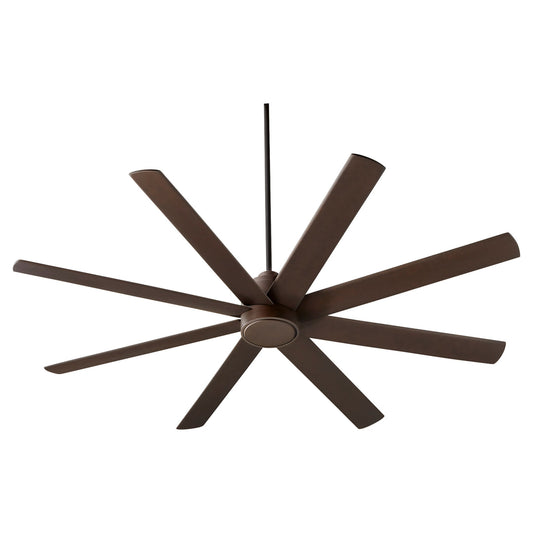


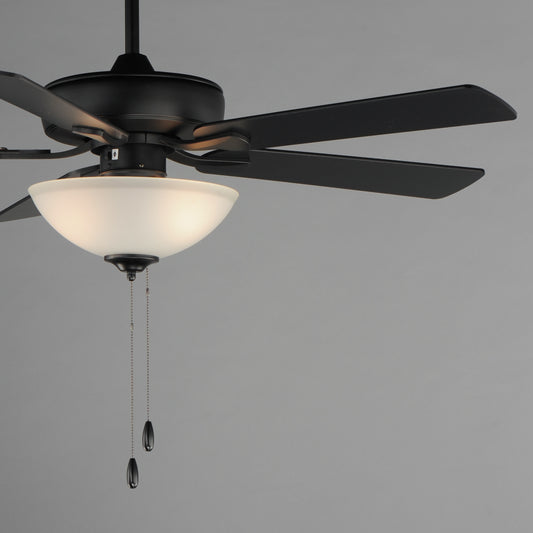


Best Commercial Ceiling Fans for Business Spaces
Picking the right commercial ceiling fan isn't just about finding a single "best" model. It’s about finding the right model for your specific business. After all, the perfect fan for a quiet, high-end restaurant would be a hilarious disaster in a sprawling warehouse, and vice versa. It's time to become the fan-whisperer your business deserves.
For businesses where ambiance is everything—think hotels, chic boutiques, and upscale dining rooms—a premium DC motor fan is the undisputed champion. They're whisper-quiet and ridiculously efficient. On the other hand, for industrial spaces like workshops or gyms, you’ll want to prioritize raw, unapologetic power with durable, high-CFM models designed to move a hurricane of air.
This guide will walk you through what really matters so you can invest in a fan that delivers real-world performance, sweet energy savings, and the kind of reliability that lets you sleep at night. We’re focusing on premium models over $300 because, in the commercial world, you truly get what you pay for, and nobody has time for wobbly, noisy junk.
How to Choose the Best Commercial Ceiling Fan
Let's get one thing straight: a fan that’s a rockstar in a noisy factory will feel like a jet engine warming up in a hotel lobby. This isn't a small purchase, and getting it right the first time saves you from the headache of costly replacements and the soul-crushing frustration of poor performance.
To make this easier, we can break down the decision-making process into three core pillars: performance, efficiency, and safety. Once you understand how these apply to your space, finding the perfect fan becomes much, much simpler.
Performance vs. Environment
More power isn't always better. The most powerful industrial fan, designed to cool a massive distribution center, would create a distracting and uncomfortable gale-force wind in a restaurant, sending salads flying. It’s all about matching the fan’s output to the environment’s needs.
- Customer-Facing Spaces: In places like retail stores, hotels, or restaurants, the goal is gentle, consistent air circulation. You want to enhance comfort without anyone really noticing the fan is there. Whisper-quiet operation is non-negotiable.
- Industrial & Utility Spaces: For warehouses, gyms, or manufacturing floors, the mission is simple: move the most air possible. Here, a high CFM (Cubic Feet per Minute) rating and rugged durability are far more important than how much noise it makes.
Efficiency and Long-Term Value
Modern commercial fans, especially those with advanced DC motors, are absolute workhorses when it comes to energy efficiency. They might cost a bit more upfront, but the savings on your HVAC bills over the fan's lifetime are significant. Think of it as a loyal employee that works tirelessly and barely eats.
A high-quality commercial fan isn't just an appliance; it's a long-term investment in your building's energy efficiency and your customers' comfort. The right choice pays for itself through lower utility bills and improved ambiance.
This long-term value is a critical factor for any business owner keeping a close eye on operational costs. The initial price tag only tells half the story.
To help you sort through the technical jargon, the table below highlights the most important specs to focus on when you're comparing models.
Key Decision Factors for Commercial Ceiling Fans
| Specification | What It Measures | Why It Matters for Your Business |
|---|---|---|
| Airflow (CFM) | The volume of air a fan moves per minute. | This is the #1 indicator of a fan's power. Higher CFM is essential for larger, hotter, or open-plan spaces. It's the fan's superpower. |
| Motor Type (AC/DC) | The technology that powers the fan. | DC motors are quieter, more energy-efficient, and offer more speed options than older AC motors. They are the premium choice for a reason. |
| Safety Rating (UL/ETL) | Certification that the fan meets strict safety standards. | Absolutely essential for commercial insurance, code compliance, and ensuring the fan is safe for public and employee areas. Don't mess with this. |
| Damp/Wet Rating | The fan's ability to resist moisture. | Crucial for outdoor patios, covered walkways, commercial kitchens, or any area exposed to humidity or direct water. |
Breaking Down the Key Specs for Commercial Fans
To pick the right commercial ceiling fan, you have to learn to speak the language. Those technical specs on a product page aren't just filler—they're the fan's resume, telling you exactly what it's built to do. Getting a handle on these core numbers is the quickest way to go from guessing to making a smart, expert-level choice for your business.
The first and most important metric is CFM, or Cubic Feet per Minute. This number tells you how much air the fan actually moves, and it's the truest measure of a fan's raw power. A higher CFM means more air circulation, which is absolutely critical for big, open areas like warehouses, gyms, or event spaces where one fan has to do a whole lot of work.
Think of it this way: a small desk fan feels nice when you're right next to it, but it's not doing much for the air on the other side of the room. A commercial fan with a high CFM rating is engineered to create a massive, circulating column of air that keeps the entire space comfortable and regulated.
The Powerhouse Behind the Blades
The motor is the heart of any ceiling fan, and in the commercial world, you’ll mainly run into two types: AC (Alternating Current) and DC (Direct Current). Both get the blades spinning, but they offer completely different performance, especially when you start looking at premium models over $300.
-
AC Motors: These are the traditional workhorses. They're built to be durable, reliable, and are generally pretty straightforward. For an industrial setting where a bit of noise isn't an issue and you just need raw, consistent power, an AC motor is a solid, budget-friendly pick.
-
DC Motors: This is where modern fan technology really starts to shine. DC motors are incredibly energy-efficient, often using up to 70% less electricity than their AC counterparts. They’re also virtually silent, which is a total game-changer for customer-facing spots like restaurants, hotel rooms, or quiet offices. On top of that, they give you much more precise speed control.
For any business where ambiance and long-term energy savings are a priority, a DC motor is the clear winner and an investment that pays for itself over time.
How Blade Design Shapes Airflow
While the motor supplies the muscle, the blades are what turn that power into a breeze. The two big factors here are blade pitch and blade size (or span). The pitch is just the angle of the blades. A steeper pitch, usually between 12 and 15 degrees, lets the blades "scoop" and move more air with every single turn.
But a steeper pitch also means the motor has to work harder to push against that air resistance. This is why you can’t just look at one spec by itself. The best commercial fans have a perfectly engineered balance between motor strength, blade pitch, and blade count to crank out the highest possible CFM without burning out the motor. You can learn more about how the number of blades impacts fan efficiency in our detailed guide.
In a commercial space, a fan isn’t a decoration; it's a piece of machinery. The relationship between its motor, blade pitch, and size is a carefully calculated equation designed for maximum performance and a long working life.
Don't Skip the Safety and Durability Ratings
Finally, let's talk about the acronyms that prove your fan is safe, legal, and built to last. UL/ETL listings are certifications from independent safety testing organizations. If a fan has a UL or ETL Listed mark, it means it’s been put through the wringer to meet national safety standards. For any commercial space, this is non-negotiable for insurance and code compliance.
Just as critical are the moisture ratings:
-
Damp-Rated Fans: These are built to handle humidity and moisture in the air, but not direct water contact. They’re perfect for places like covered patios, commercial kitchens, or gym locker rooms where things can get a little steamy.
-
Wet-Rated Fans: These are the toughest of the tough. Wet-rated fans have sealed motors and are made from all-weather materials that can take direct rain, snow, and even hose-downs. They are the only choice for completely exposed outdoor areas like beer gardens, resort pool decks, or open-air pavilions.
Picking a fan with the wrong rating isn't just a waste of money—it's a serious safety risk. These ratings make sure your investment is effective, compliant, and safe for everyone.
Calculating Long-Term Value and Energy Savings
That initial price tag on a high-performance commercial ceiling fan can feel a little steep. But any savvy business owner knows the real cost of equipment isn’t the upfront number—it’s the total cost of ownership over its entire life. A premium fan is an investment, and when you choose wisely, it's one that pays you back in a big way.
Thinking beyond the purchase price is key. The best commercial ceiling fans are built for more than just powerful airflow; they’re engineered for incredible energy efficiency. This is where a slightly higher initial cost starts to look like a long-term savings plan.
The Power of DC Motors and HVAC Synergy
The secret weapon inside today's most efficient commercial fans is the Direct Current (DC) motor. These modern motors are designed to run on up to 70% less electricity than their old-school AC counterparts. Sure, both motor types spin the blades, but a DC motor gets the job done with a tiny fraction of the energy, which you'll see reflected in lower monthly utility bills.
But the savings don't stop there. A fan's biggest financial impact comes from how it works with your HVAC system. By creating consistent air circulation, a good commercial fan keeps the temperature even across a large space. This simple action stops your heating or cooling system from constantly cycling on and off to fight those annoying hot and cold spots.
The effect is so significant that the U.S. Department of Energy has found that ceiling fans can slash cooling costs by up to 40%. It's no wonder they're a go-to for property managers focused on sustainable and budget-friendly climate control.
The real value of a premium fan isn't just moving air; it's in reducing the workload on your most expensive utility consumer—your HVAC system. Each dollar saved on heating and cooling contributes directly to your bottom line.
Forecasting Your Return on Investment
Figuring out the potential Return on Investment (ROI) helps make the business case for a better fan crystal clear. While your exact numbers will depend on local energy rates and how often you run it, you can easily map out a forecast.
Start by looking at the fan's efficiency rating, often listed as CFM per Watt. This spec tells you how much airflow (CFM) you get for every watt of energy it uses. A higher CFM/Watt rating means you're getting more breeze for your buck.
Let's walk through a quick comparison:
Example Scenario: Restaurant Dining Area
- Fan A (Standard AC Model): Costs $350. Pulls 80 watts on high speed.
- Fan B (Premium DC Model): Costs $600. Uses just 25 watts at a similar high speed.
If we assume the fan runs 10 hours a day, 300 days a year, with electricity at $0.15 per kWh:
- Fan A Annual Cost: (80W / 1000) * 3000 hours * $0.15 = $36.00
- Fan B Annual Cost: (25W / 1000) * 3000 hours * $0.15 = $11.25
Just on its own, Fan B saves you nearly $25 a year. When you add in the HVAC savings, that higher initial investment is often paid back within a couple of years. After that, it's pure savings straight to your bottom line. For a deeper dive, check out our guide on why ceiling fans are an eco-friendly choice.
The Hidden Value of Low Maintenance
Finally, long-term value is also about maintenance—or the lack of it. The best commercial fans are built tough, with high-quality, permanently lubricated bearings and sturdy components that need little to no attention. Cheaper models, on the other hand, can start to wobble, make noise, or develop motor problems that lead to expensive service calls and disruptive downtime.
By choosing a well-engineered fan from day one, you're not just buying energy efficiency; you're buying reliability. That peace of mind ensures your fan remains a silent, effective, and profitable asset for your business for years to come.
Comparing Top Commercial Fan Models
Okay, this is where the fun starts. It's one thing to look at a spec sheet, but it's another thing entirely to see how those numbers solve a real-world business problem. A fan's CFM or motor type is just data until you can picture it working in your space. So, instead of just listing features, let's put three very different, high-performance fans to the test in the environments they were built to master.
This isn't just a simple feature comparison. We're looking at situational performance to help you see which fan is the right fit for your unique needs. Each of these models represents a serious investment, typically priced at $300 or more, because they're built with the durability and efficiency a commercial setting demands.
The Warehouse Warrior: Maximum Airflow for Industrial Spaces
Picture a massive 50,000-square-foot distribution center in the dead of summer. The air is heavy, still, and uncomfortable, and you can see productivity slowing down as your team battles the heat. This is a job for a true industrial beast—a fan where the only thing that really matters is raw, powerful airflow.
Meet our first contender: the industrial-grade, high-CFM fan.
- Blade Span: We're talking 72 inches or larger, designed to churn a massive column of air.
- Motor: It's got a heavy-duty AC motor built for grinding out 24/7 operation. It might not be as quiet or efficient as a DC motor, but its rugged build is perfect for tough environments.
- Airflow (CFM): A jaw-dropping 15,000 CFM or more. This isn't about a gentle breeze; it's about creating huge air circulation to mix the air from floor to ceiling and provide evaporative cooling over a gigantic area.
This fan is all business. Aesthetics are an afterthought because pure function is the priority. Its goal is to make a large, open space safer and more bearable for employees, take some of the load off your HVAC system, and keep the air moving.
In a warehouse, factory, or big gym, the game is all about maximum air displacement. A fan in this category is less of a comfort accessory and more like a critical piece of operational equipment that directly impacts working conditions and energy bills.
The Ambiance Architect: Silent Sophistication for Hospitality
Now, let's switch gears. Imagine a high-end restaurant with 14-foot ceilings and an open dining room. The priorities here are completely different. The fan needs to be an invisible partner in crafting the perfect guest experience—felt, but never, ever heard. Any noise or wobble would shatter the atmosphere.
This is where our second model shines: the whisper-quiet, design-forward DC motor fan.
- Blade Span: A versatile 52 to 60 inches, which is plenty to circulate air without creating a windstorm over someone's dinner.
- Motor: An ultra-efficient DC motor. For any noise-sensitive space, this is non-negotiable. It delivers smooth, dead-silent operation, even at higher speeds.
- Airflow (CFM): A respectable 5,000 to 7,000 CFM. This is the sweet spot for creating gentle, consistent air movement that makes the room feel fresh without disturbing a single napkin.
Here, style is just as important as function. These fans often feature sleek designs and premium finishes, with multiple speed settings that give you pinpoint control over the environment. For restaurants, hotel lobbies, boutiques, or quiet offices, this is the hands-down winner. You're not just investing in airflow; you're protecting the customer experience.
The chart below shows how a smart fan investment pays off over time.
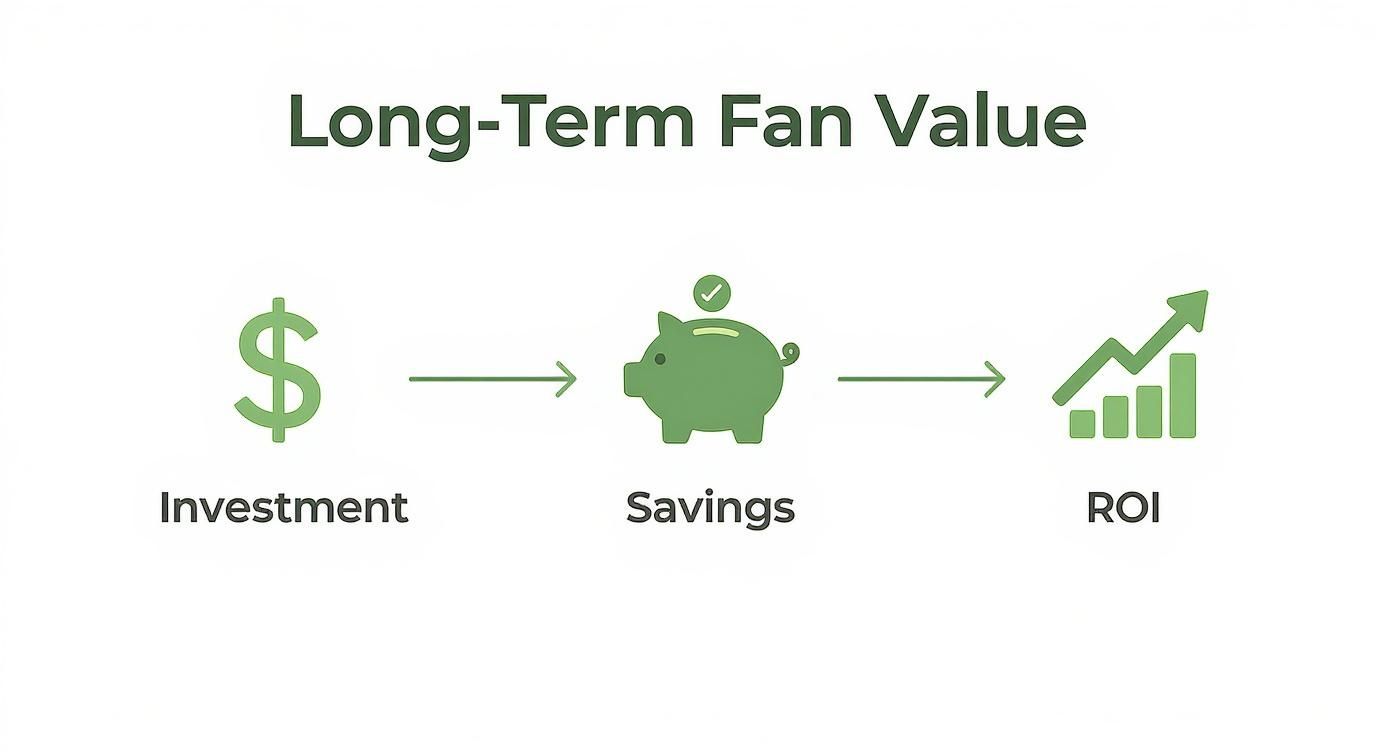
As you can see, the initial cost is just the beginning. The real value comes from the significant utility savings and the positive ROI you'll see over the fan's life.
The All-Weather Champion: Rugged Durability for Outdoor Venues
For our last scenario, we're heading outside to a busy brewery patio. This space has to deal with humidity, sudden rain, and changing temperatures. The fan here has to be tough enough to handle whatever the weather throws at it while keeping customers cool and comfortable.
This job calls for the rugged, wet-rated outdoor fan.
- Construction: Look for a sealed motor housing and blades made from all-weather, corrosion-proof materials like ABS plastic.
- Rating: An UL/ETL Wet Rating isn't just a nice-to-have; it's mandatory. This certification guarantees the fan is built to handle direct rain without becoming an electrical hazard.
- Performance: A strong motor (often a durable AC motor, though DC models exist) pushing out 6,000+ CFM is needed to cut through humid air and create a real cooling breeze.
For any outdoor commercial spot—a resort bar, a restaurant patio, or a covered pavilion—using anything less than a wet-rated fan is a dangerous and expensive mistake. This fan's defining trait is pure resilience.
The demand for these workhorses is undeniable. In the U.S. alone, the industrial ceiling fan market was valued at USD 990.5 million in 2024. Projections show it growing at a compound annual rate of 5.9% from 2025 to 2030, signaling just how crucial these fans are for businesses. You can discover more about the U.S. industrial ceiling fan market and its impressive growth.
Now that we've walked through these three scenarios, let's pull them together in a quick comparison to make your decision even easier.
Premium Commercial Ceiling Fan Comparison
Here’s a side-by-side look at how these three distinct fan types stack up against each other, helping you match the right model to your specific commercial needs.
| Fan Model | Best For | Key Differentiator | Airflow (CFM) | Motor & Rating | Price Point |
|---|---|---|---|---|---|
| Industrial High-CFM | Warehouses, distribution centers, large gyms, manufacturing plants. | Raw Power: Built for maximum air displacement over vast, open areas. | 15,000+ | Heavy-Duty AC | $300+ |
| Design-Forward DC | Restaurants, hotels, retail boutiques, quiet office spaces. | Silent Operation: Engineered for whisper-quiet performance to protect ambiance. | 5,000 - 7,000 | Ultra-Efficient DC | $350+ |
| Wet-Rated Outdoor | Patios, poolside bars, covered pavilions, open-air venues. | Durability: Sealed and certified to withstand direct exposure to rain and humidity. | 6,000+ | AC or DC / Wet-Rated | $400+ |
Ultimately, by understanding these distinct use cases, you can look past the spec sheets and start thinking about which fan will truly work for your business, your space, and your customers.
Essential Sizing and Installation Guidelines
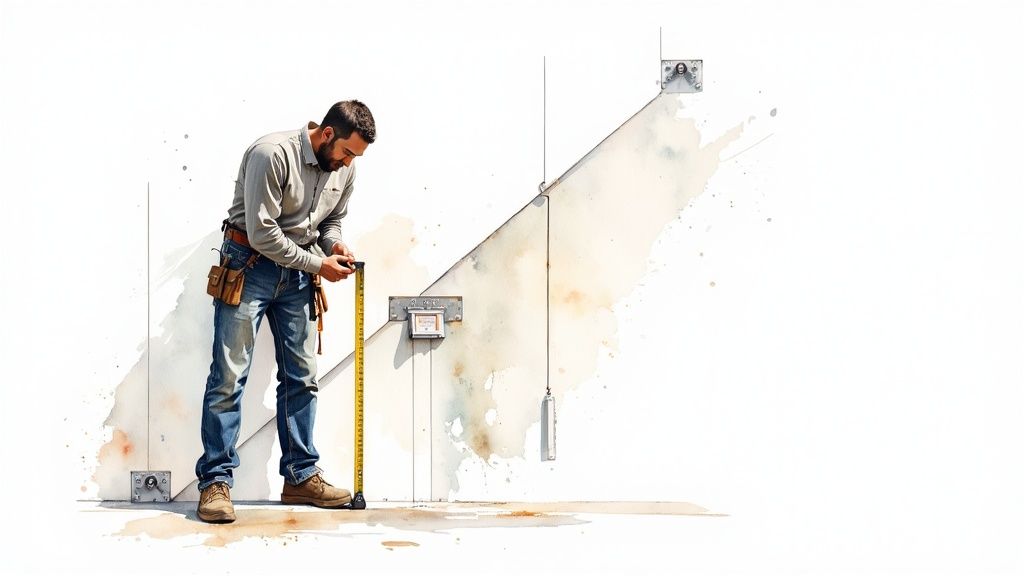
You’ve picked out the perfect fan—that’s a huge step. But here’s the thing: even the most powerful commercial fan will fall short if it’s the wrong size for the room or installed poorly.
Proper installation is so much more than just getting the fan on the ceiling. It’s about squeezing every last bit of performance out of it, ensuring it’s completely safe, and making sure you’re compliant with local building codes. This is where the real pros separate a good investment from a great one.
Getting the size right is your first critical checkpoint. A fan that’s too small will struggle to move air, leaving annoying hot and cold spots. Go too big in a small room, and you’ll create an uncomfortable gusty whirlwind. It’s all about finding that sweet spot.
Matching Fan Diameter to Your Space
The golden rule here is pretty straightforward: bigger spaces need bigger fans. A larger blade span (or fan diameter) ensures the fan can move enough air to keep the temperature even across the whole area without having to run on high all the time.
Here's a quick cheat sheet to get you started:
- Small Rooms (Up to 225 sq. ft.): Think private offices, hotel rooms, or break rooms. A 44- to 52-inch fan is usually a perfect fit.
- Medium Rooms (225 to 400 sq. ft.): For larger office spaces, boutique cafes, or smaller retail floors, step up to the 52- to 60-inch range.
- Large Rooms (Over 400 sq. ft.): In sprawling restaurant dining rooms, hotel lobbies, or workshops, you’ll need a fan that’s 60 inches or larger to get the job done right.
Of course, these are just guidelines. Things like your ceiling height and the room’s layout can definitely play a role. For a deeper dive, check out our guide on choosing the right ceiling fan size for maximum efficiency.
Getting the Mounting Height Just Right
Once you've nailed the size, the next puzzle is hanging it at the right height. For the best possible airflow, you want the fan blades to be at least 8 to 10 feet off the ground. If you hang a fan too high in a space with vaulted ceilings, its effect will be lost long before the breeze reaches anyone.
This is where downrods become your best friend. A downrod is just an extension pipe that lowers the fan from the ceiling, placing it squarely in the "action zone" of the room.
As a rule of thumb, for every foot of ceiling height over 10 feet, add one foot to your downrod. It’s a simple formula that ensures your fan is always in the perfect position to perform, no matter how tall your ceilings are.
And if you’re dealing with angled or cathedral ceilings, you’ll need a sloped ceiling adapter. It’s a special piece of hardware that lets the fan hang level, preventing any annoying wobbling.
Safety and Compliance Are Non-Negotiable
Installing a fan in a commercial space is a whole different ballgame than a weekend project at home. The rules are stricter because safety and code compliance are absolutely critical to protecting your customers, your team, and your business. This is one area where you simply can’t cut corners.
Before you even think about installation, make sure you've got these bases covered:
- Electrical Requirements: Big commercial fans can draw a lot of power and often need a dedicated circuit. Always bring in a licensed electrician to make sure your wiring can handle the load safely.
- Commercial-Grade Hardware: That mounting bracket and junction box need to be officially rated to support the fan’s weight, which can be pretty hefty on larger industrial models. A standard residential box won’t cut it.
- Code Adherence: Local building codes will have strict rules about minimum clearances—you’ll typically need at least 24 inches from the blade tips to any walls or other obstructions. An inspector will be looking for this.
A professional installer knows these requirements inside and out. Bringing one in is a small price to pay for the peace of mind that comes with knowing your fan is installed safely, correctly, and completely by the book.
Common Questions We Hear About Commercial Ceiling Fans
Choosing the right fan can feel like a big decision, and it’s totally normal to have a few questions before you commit. Getting these final details sorted out is the key to making a purchase you’ll be happy with for years.
To help you feel confident, we’ve put together some of the most common questions we get from business owners just like you. Think of this as your final checklist before picking out the perfect commercial ceiling fan.
How Loud Are These Things, Really?
This is a huge concern, and for good reason—nobody wants a fan that sounds like a helicopter landing in their dining room. The good news is that noise levels vary dramatically, and you have a lot of control here.
High-quality commercial fans, especially those with modern DC motors, are built to be incredibly quiet, even when they’re moving a serious amount of air. The best models are perfectly balanced with premium components to get rid of the annoying hums, clicks, and wobbles you might get from cheaper fans. These are the go-to choices for any space where noise is a factor, like a hotel, office, or restaurant.
On the flip side, a heavy-duty industrial fan designed for a noisy factory floor is all about raw power, not silence. It'll be louder, but that's perfectly fine for that kind of environment.
Our advice? When you're shopping, look for fans that mention "whisper-quiet" operation and feature a high-quality motor. That’s your best bet for powerful airflow without the noise, ensuring your fan adds to the atmosphere instead of taking away from it.
Are Smart Commercial Fans Worth The Extra Money?
Absolutely, especially for businesses with multiple fans or large, hard-to-reach areas. Smart commercial ceiling fans—the ones you can control with an app, remote, or even tie into your building's automation system—give you two major wins: convenience and efficiency.
Imagine adjusting the speed of every fan in your event venue from a single tablet right before guests arrive. You can set schedules, link them to thermostats so they run automatically, or make quick changes without dragging out a ladder. This level of control means your fans are only running when they need to be, which cuts right into your energy bills.
For hotels, large restaurants, and warehouses, the ease of use and long-term energy savings can quickly pay for the higher upfront cost.
What's The Difference Between "Damp Rated" and "Wet Rated"?
This is a critical distinction that affects both safety and how long your fan will last. Getting this wrong can lead to a damaged fan and a serious electrical hazard, so it’s important to get it right.
-
Damp-Rated Fans: These are built to handle moisture and humidity but are not meant for direct contact with rain or water. They're perfect for covered patios, commercial kitchens, or gym locker rooms where the air gets a bit steamy.
-
Wet-Rated Fans: Think of these as the all-weather warriors. A wet-rated fan is completely sealed and made with corrosion-proof materials, allowing it to handle direct exposure to rain, snow, and even a hose-down for cleaning. They are the only safe and compliant choice for uncovered spaces like beer gardens, pergolas, or poolside bars.
How Important Are Energy-Efficient Motors?
Energy-efficient motors are pretty much the standard now for the best commercial ceiling fans, and it's easy to see why. The market for energy-saving models is taking off, with a projected 6.94% compound annual growth rate. This trend is all about the widespread use of brushless DC (BLDC) motors, which are key for meeting stricter energy codes and cutting power usage. You can learn more about the growth of the ceiling fan market and the bigger push for efficiency.
Choosing a fan with a modern, efficient motor isn't just an eco-friendly move; it's a smart financial decision that lowers your operating costs for years to come.
At Fan Connection, we've curated a collection of the best commercial ceiling fans designed to meet the unique demands of your business. Whether you need silent sophistication for your restaurant or rugged power for your warehouse, we have a premium model that fits your needs. Explore our collections and find the perfect fan to enhance your space today.


