











Ceiling Fan Installation A Step by Step Home Guide
Updated on: March 11, 2026
Proper ceiling fan installation transforms your home comfort and energy efficiency instantly. Whether you're upgrading an existing fixture or adding a new one, understanding the installation process ensures safety, optimal performance, and long-term durability. This guide walks you through every step, from planning to final testing, so you can enjoy whisper-quiet cooling and beautiful lighting throughout your space.
Table of Contents
- Planning Your Installation Project
- Preparation and Safety Measures
- Step-by-Step Installation Process
- Finishing Touches and Testing
- Frequently Asked Questions
Planning Your Ceiling Fan Installation Project
Before you begin the ceiling fan installation process, careful planning sets the foundation for success. Start by assessing your room size, ceiling height, and electrical setup. Fans come in various blade spans, from 36 inches for compact spaces to 56 inches for large areas. A properly sized fan ensures efficient air circulation without excessive noise or strain on the mounting system.
Measure your ceiling height carefully. Standard fan installation requires at least 7 feet of clearance from the floor to the lowest blade. If your ceiling is lower, consider a flush-mount or hugger-style fan that sits closer to the ceiling. Next, check your existing electrical wiring and confirm whether you have a dedicated circuit. Modern installations often benefit from high-efficiency motors that reduce energy consumption while delivering superior performance.
Decide on fan placement carefully. Center-of-room placement provides optimal air distribution, while strategic positioning near doorways or heat sources can maximize comfort. Consider your room's décor, lighting needs, and whether you want integrated light fixtures. Many homeowners prefer models with remote controls or smart home compatibility for enhanced convenience.

Room layout with ceiling height measurements and electrical outlet locations marked clearly.
Preparation and Safety Measures
Safety is paramount during ceiling fan installation. Always turn off power at the circuit breaker before beginning any electrical work. Use a voltage tester to confirm the power is completely off. Assemble all necessary tools beforehand: a ladder, power drill, wire connectors, screwdrivers, and a mounting bracket.
Turn off power at the breaker panel and wait several minutes before touching any wires. If you're replacing an existing fixture, carefully disconnect the old wiring and remove the mounting hardware. Clean the ceiling area where your new fan will mount, removing dust and debris that could affect electrical connections.
Wear safety glasses to protect your eyes from dust and falling debris. Have a helper nearby to stabilize your ladder and assist with holding components during installation. If your home has asbestos-containing materials (common in older buildings), consult a professional before disturbing the ceiling. Never skip these preparation steps—they protect you and ensure your installation meets electrical safety standards.
Step-by-Step Ceiling Fan Installation Process
Step 1: Install the Mounting Bracket
The mounting bracket is your fan's foundation. Position it against the electrical box using the provided screws, ensuring it's perfectly level. A level mounting bracket prevents wobbling and ensures smooth operation. Most brackets come with adjustable hangars that accommodate different ceiling configurations. Secure all fasteners tightly but avoid over-tightening, which can crack the ceiling or damage the bracket.
Step 2: Prepare and Connect Electrical Wiring
Strip approximately three-quarters of an inch of insulation from each wire. Connect the fan's white wire to the ceiling's white wire, and the black to black, using wire connectors. Many modern installations use premium motor systems with color-coded wiring for foolproof connections. Carefully wrap all connections with electrical tape to prevent loose contacts. The ground wire (typically green or bare copper) should connect securely to the mounting bracket's ground screw.
Step 3: Attach the Canopy
The canopy covers the mounting bracket and electrical connections, giving your installation a finished appearance. Slide the canopy up along the downrod carefully, ensuring wires are neatly tucked. Secure the canopy with the provided screws or clips. Most canopies have a decorative ring that hides installation hardware while providing a professional look.
Step 4: Install the Downrod and Fan Blades
Attach the downrod to the mounting bracket using the provided fasteners. For standard installations, a downrod keeps the fan away from the ceiling for proper air circulation. Insert the fan motor into the downrod socket and secure it tightly. Install each blade carefully, ensuring they're evenly spaced and balanced. Balanced blades are crucial—unbalanced installations cause wobbling and annoying noise.
Step 5: Connect the Light Kit
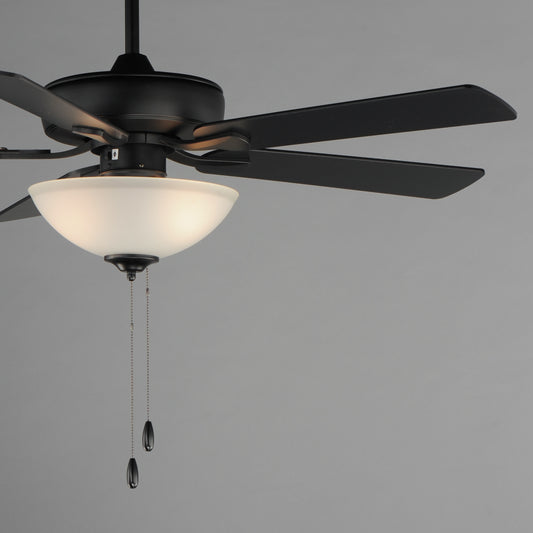
If your fan includes lighting, attach the light kit bracket to the fan motor housing. Connect the light fixture wiring to the fan's light wiring using wire connectors. Screw in light bulbs (if not pre-installed) and ensure the cover glass or shade is secure. Test the light circuit before completing your installation.

Wiring diagram showing proper connections between ceiling fixture, fan motor, and light kit components.
Finishing Touches and Testing
Once all components are installed, restore power at the circuit breaker. Turn on the light switch and test your fan at all speed settings. Listen for unusual noises—a properly installed fan runs quietly. Observe blade rotation to confirm it's smooth and balanced. If you notice wobbling, turn off the fan immediately and rebalance the blades.
Install the blade covers or trim pieces according to your fan's specifications. These decorative elements protect the motor housing and complete the installation's professional appearance. Attach any remote control receivers or smart home modules, following manufacturer instructions carefully.
Program your remote control or smart home integration if applicable. Test all functions including light dimming, fan speed adjustment, and reverse rotation. The reverse setting pushes warm air downward during winter months, maximizing comfort year-round. For models like premium performance fixtures, take time to familiarize yourself with all advanced features.
Run the fan for 15 minutes and check for any unusual vibrations, sounds, or electrical issues. Inspect all connections one final time to ensure nothing has loosened during operation. Your installation is complete when everything operates smoothly and quietly.
Frequently Asked Questions
How often should I maintain my ceiling fan after installation?
Regular maintenance keeps your fan running efficiently and extends its lifespan significantly. Clean the blades monthly using a soft cloth to remove dust accumulation. Check all connections and fasteners quarterly, tightening any loose hardware. Most fans require minimal maintenance beyond cleaning, though some premium models include self-lubricating bearings that reduce service needs. If your fan develops noise or wobbling weeks after installation, the problem usually stems from loosened fasteners rather than installation error.
Can I install a ceiling fan myself, or do I need a professional?
Many homeowners successfully complete ceiling fan installation themselves with basic tools and careful attention to safety. However, if your home lacks existing electrical infrastructure or if you're uncomfortable working with electricity, hiring a licensed electrician is the safer choice. Professional installation ensures your fan meets all electrical codes and warranty requirements. Some retailers offer installation services, which provides peace of mind and guarantees proper setup.
What's the difference between standard installation and flush-mount installation?
Standard installation uses a downrod to keep the fan several inches from the ceiling, ideal for rooms with eight-foot or higher ceilings. Flush-mount or hugger-style fans sit directly against the ceiling, perfect for rooms with lower ceilings or limited vertical space. Both installation methods require proper electrical connections and mounting brackets, though hardware differs slightly. Choose the style that fits your ceiling height and room aesthetics while maintaining optimal air circulation performance.
What causes ceiling fan wobbling after installation?
Wobbling typically results from unbalanced blades, loose fasteners, or improper downrod alignment. Check that all blade screws are tight and blades are straight. Ensure the downrod isn't bent and mounting bracket bolts are secure. Some fans include balancing kits—small weights that attach to blades to correct minor imbalances. If wobbling persists after checking these items, the mounting surface may be uneven or the electrical box inadequate for your fan's weight.
Proper ceiling fan installation dramatically improves your home's comfort, energy efficiency, and visual appeal. Whether you're tackling this project yourself or hiring professional help, understanding the process ensures success. Take your time with each step, prioritize safety, and don't hesitate to consult your fan's manual for model-specific guidance. Quality fans like those from Fan and Lights' premium collection deserve proper installation that maximizes their performance potential. Start enjoying superior cooling, beautiful lighting, and whisper-quiet operation today by completing your installation with confidence.


