











Ceiling Fan Upgrades That Improve Home Comfort
Updated on: 2026-07-11
Ceiling fans for home improvement can instantly make rooms feel more comfortable, even without changing your HVAC settings. They help move air, reduce hot spots, and add a polished look to everyday spaces. With modern styles, you can choose quiet operation, smart airflow control, and finishes that match your decor. If you want better comfort and better energy habits, a fan upgrade is one of the simplest upgrades you can make.
- Buyer’s Checklist
- Step-by-Step Guide
- Performance and Setup That Actually Matter
- Design Tips for Matching Your Space
- FAQ
Buyer’s Checklist
If you’re shopping for ceiling fans for home improvement, start with the basics that affect comfort, airflow, and satisfaction. A good fan feels easy to live with. It should blend into your rooms and work reliably through every season. Use this checklist to buy with confidence.
- Measure your room: Fan size and blade span should match the room’s dimensions.
- Check ceiling height: Low ceilings often need a flush or close-to-ceiling style for safe clearance.
- Decide on airflow style: For larger rooms, you may need more blade area to keep air moving.
- Look for quiet operation: Smooth bearings and balanced blades reduce wobble and noise.
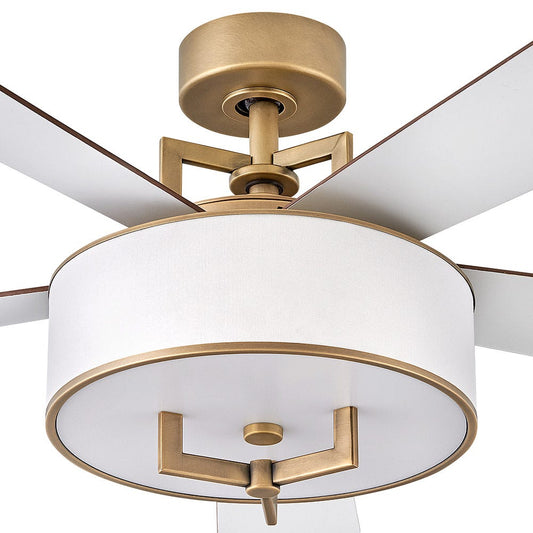
- Confirm light needs: Choose a fan with a light kit if you want one fixture that does two jobs.
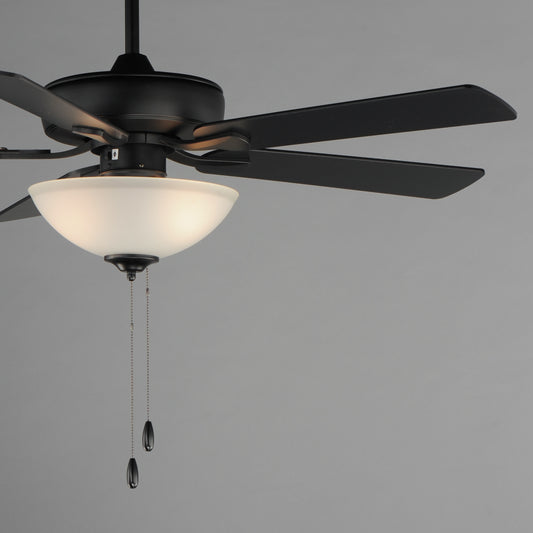
- Pick the right controls: Wall controls, pull chains, or remote options affect daily ease.
- Match finishes to your decor: Choose a look that fits your furniture, hardware, and lighting.
Many homeowners tell us the hardest part is deciding what matters most. Our recommendation: prioritize comfort and fit first. Style comes next, and you’ll enjoy the upgrade longer because it works well.
Step-by-Step Guide
Ready to upgrade? Follow this simple process to choose and install a ceiling fan without guesswork. Each step is designed to protect comfort and improve performance.
- Pick the room and measure: Measure length and width. Note the ceiling height and any slopes.
- Choose the right fan size: Larger rooms generally need a larger blade span for stronger airflow.
- Select a mounting style: Use flush-mount options for lower ceilings, and downrod options for more standard heights.
- Choose your finish and light setup: Decide whether you want an integrated light kit or a fan-only look.
- Plan the electrical setup: Confirm the wiring location and switch type in your space.
- Install securely: Mount the bracket correctly, tighten fasteners, and check blade alignment.
- Balance and test: Turn on at different speeds. If needed, adjust blades for smooth operation.
- Set seasonal direction: In warm months, airflow should support cooling. In cooler months, reverse direction to circulate air.

Room layout checklist with measurements and ceiling height icons
One key takeaway from customer feedback: the “right fit” reduces frustration. When a fan matches your ceiling height and room size, it feels smoother, looks better, and delivers the comfort you expected.
Performance and Setup That Actually Matter
Beyond size, a few practical details decide whether you’ll love your ceiling fan for years. Many buyers focus on looks first, but performance depends on airflow setup and proper installation. Here are the most important factors.
Airflow comfort in everyday life
When fans are correctly sized, airflow helps you feel cooler during warm days. You can also improve comfort in spaces that trap heat, like top-floor rooms or areas with large windows. In cooler seasons, reverse airflow can help move warmer air that naturally rises. The result is a room that feels more even, so you do not have to constantly adjust thermostat settings.
Noise control and smooth operation
Quiet fans make a bigger difference than many people expect. If a fan wobbles or hums, it pulls attention away from the room. Balanced blades and stable mounting are the foundation of quiet operation. During installation, always confirm that the fan is securely fastened and blades are aligned. After setup, run the fan at multiple speeds to verify smooth movement.
Switches, remotes, and daily convenience
Convenient controls can turn “good comfort” into “great comfort.” If you prefer changing speeds easily, look for models that support remotes or multiple speed control. If you want a simple approach, choose a version designed for reliable wall switching. This is also where light kits shine: you can control both fan airflow and illumination from one place.
Energy-smart habits without the guesswork
Fans support more comfortable temperatures by helping air circulate. That means you can feel better at higher thermostat settings, which may reduce how often you run energy-intensive cooling. The best part is that the fan upgrade works year-round. It is a comfort tool you keep using long after installation day.
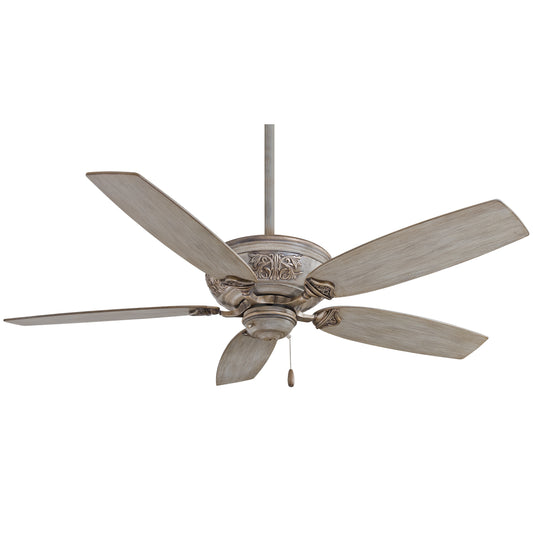
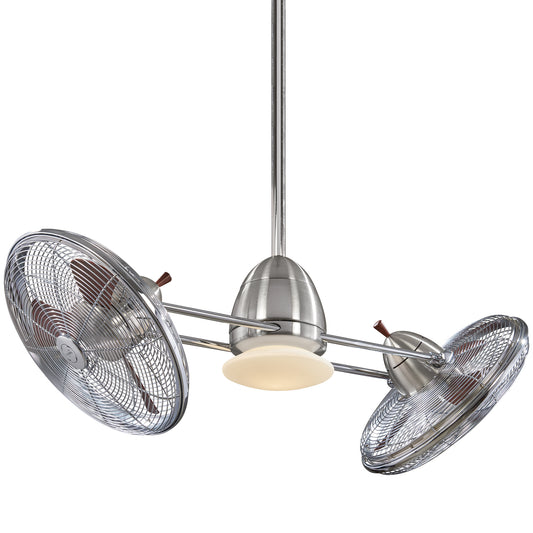
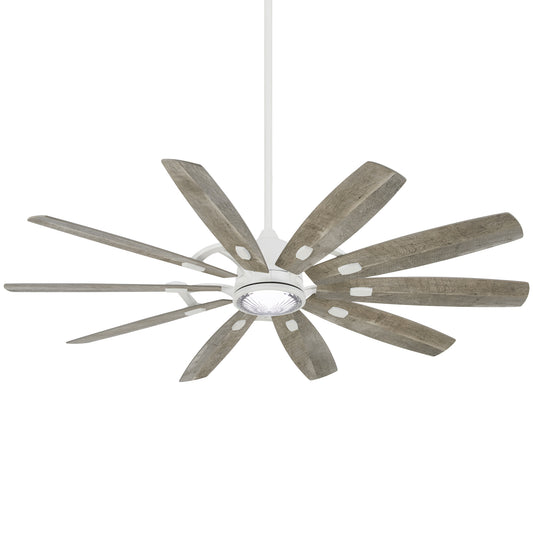
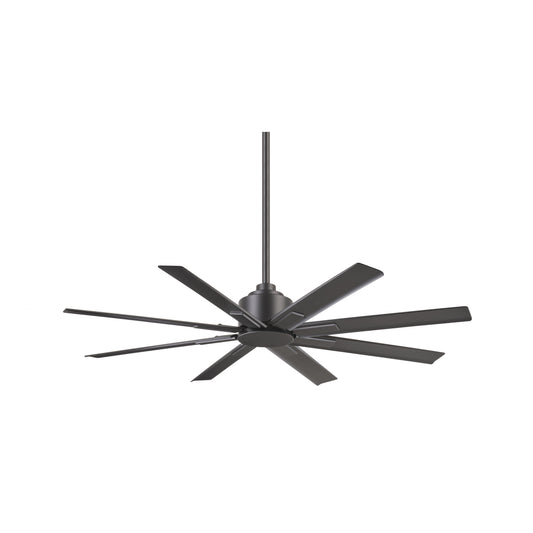
If you want a balanced blend of style and strong airflow, consider browsing fan options with dependable motor performance and clean blade design. For example, you can explore Aire Deluxe for a versatile look, or check Levon Motor for a modern option that fits many home styles. Choosing a well-designed fan from the start helps you avoid mismatched airflow and reduces the chances of needing adjustments later.

Airflow arrows around a simple room outline for balance
Design Tips for Matching Your Space
Ceiling fans for home improvement should do more than cool a room. They should look intentional. A fan is a focal point, especially in living rooms, bedrooms, and dining areas. Use these design tips to make sure your upgrade enhances your decor instead of fighting it.
Match the fan to your room’s style
Start with your dominant design cues. If your space is modern, look for clean lines and finishes that feel crisp. If your style is transitional, balance the fan with neutral walls and classic furniture shapes. For rustic spaces, choose finishes that add warmth and texture.
Coordinate finishes across the room
Think about hardware and lighting. Ceiling fan finishes should work with cabinet pulls, door hardware, and light fixtures. When finishes are coordinated, the room feels finished. When they clash, the fan becomes a distraction.
Use the light kit to improve function
Many homes benefit from a fan with a light kit. In living rooms, it can reduce the need for multiple lamps. In bedrooms, it can simplify overhead lighting while keeping the room comfortable. In dining spaces, a fan light can create a bright focal point that feels welcoming.
Look for a blade count and profile that fits your ceiling
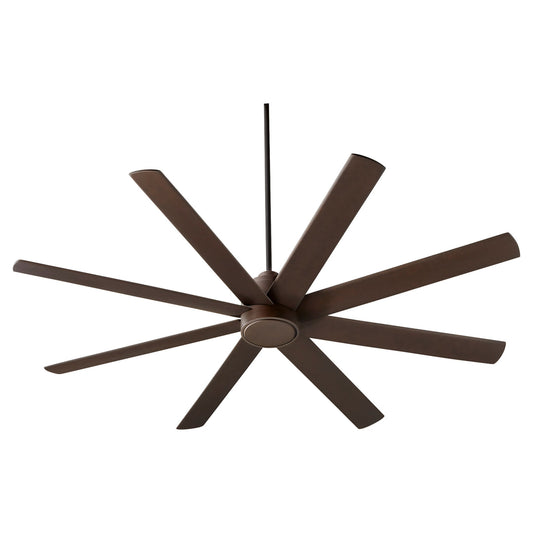
Blade shape and profile influence visual weight. If your ceiling is lower, select a style that feels light and compact. If your space has height, you can go bolder with a fan that makes the design statement you want.
Real customer perspective
Home upgrades should feel like improvements on day one. Here is what customers often say when they find the right fan: the airflow feels more consistent, the room feels calmer, and the look blends with the rest of the space. Buyers also mention that once the install is done correctly, they stop thinking about it and just enjoy better everyday comfort.
To make the selection easier, you can filter your choices by finish, mounting style, and whether you want a light. If you prefer a statement look, explore Doren for a design-forward option. If you want a clean, classic approach, consider checking Celano V2. The goal is simple: pick a fan that supports airflow goals and matches your room’s visual style.
Ready to upgrade your comfort?
Choose a ceiling fan that supports your daily comfort and adds a finished look to your home. Browse trusted options at Fan & Lights and find the right size, mounting style, and finish for each room. When you shop with purpose, you get better airflow, smoother performance, and a look you will enjoy every day.
Shop ceiling fans for home improvement
FAQ
How do I choose the right ceiling fan size for my room?
Start by measuring the room’s length and width. Then match the fan’s blade span to your room size so airflow feels effective, not weak. If you are between sizes, consider your priorities: a larger blade span typically delivers stronger airflow, while a smaller fan can still work for tighter spaces.
What’s the difference between flush mount and downrod mounting?
Flush mount fans sit close to the ceiling, which helps when ceilings are lower. Downrod mounting lowers the fan farther into the room, which can improve airflow in rooms with standard or higher ceilings. Choose the mounting style that supports safe clearance and comfortable airflow.
Do ceiling fans help in both summer and winter?
Yes. In warm months, the fan direction supports cooling by moving air across your space. In cooler months, reversing the direction helps circulate warmer air that tends to rise. Set direction by season and you can keep rooms feeling more even.
Will a ceiling fan make my room noisier?
A quality fan should run quietly. Noise issues are usually related to installation or imbalance, such as loose mounting, misaligned blades, or surfaces that are not stable. Secure installation and blade alignment help ensure smooth, low-noise operation.
Disclaimer: This article is for general shopping and home improvement guidance only. Always follow the installation instructions included with your specific ceiling fan and consult a qualified electrician if you are unsure about wiring or mounting requirements.

An Owner of The Fan Connection, Selling Ceiling Fans for the past 15 years and been in business since 1979. Living in Florida the sunshine state, Love my pup Trooper.


