











Your Guide to Ceiling Fans Extension and Downrod Sizing
Ever found yourself standing under a fan in a room with a super high ceiling, wondering why you can’t feel a thing? You're not alone. The secret to a fantastic breeze isn't always a more powerful fan—it's getting the fan to the right height with a ceiling fans extension, also known as a downrod.
This simple metal rod is your fan's best friend, dropping it down to where it can actually do its job and turn a stuffy, stagnant room into your personal comfortable oasis. Let's dive into how this simple accessory can make a world of difference.
Why Your High Ceiling Needs a Fan Extension
Here’s a fun way to think about it: imagine hanging a pendant light over your kitchen island. If you hang it way up by the ceiling, the light is dim and useless for chopping vegetables. It’s the same exact principle with a ceiling fan. When a fan is mounted flush against a ceiling that's over 9 feet tall, all that glorious airflow gets stuck up high, partying by itself and never reaching you down below.
A downrod fixes this by lowering the fan’s motor and blades into the living space. You’re aiming for the fan blades to be about 8 to 9 feet from the floor. This is the sweet spot. At this height, the fan can create a strong column of air that circulates throughout the entire room, giving you that refreshing breeze you’re looking for.
This is absolutely critical in rooms with dramatic, tall architecture:
- Vaulted Great Rooms: Without an extension, the fan just cools the rafters. A downrod brings the breeze down to your sofa where you can actually feel it.
- Two-Story Foyers: A properly lowered fan is a game-changer for air circulation between floors, stopping hot, stagnant air from pooling on the upper level.
- Rooms with Sloped Ceilings: Downrods are essential here. They allow the fan to hang perfectly level, ensuring the blades have plenty of clearance and don't hit the angled ceiling. If you have a space like this, you can learn more about how to find the best ceiling fans for high ceilings in our detailed guide.
Unlocking Your Fan's True Potential
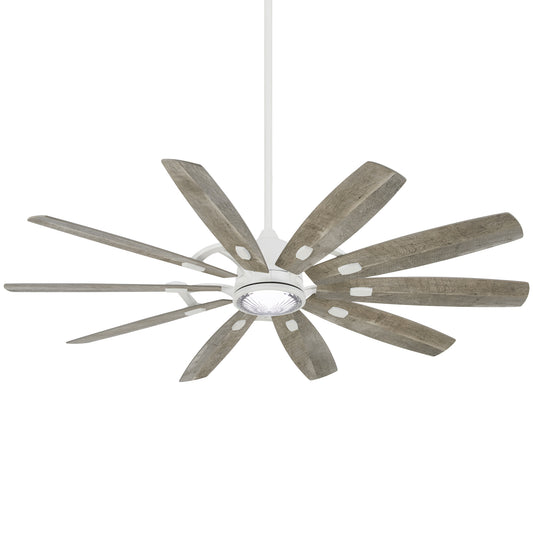
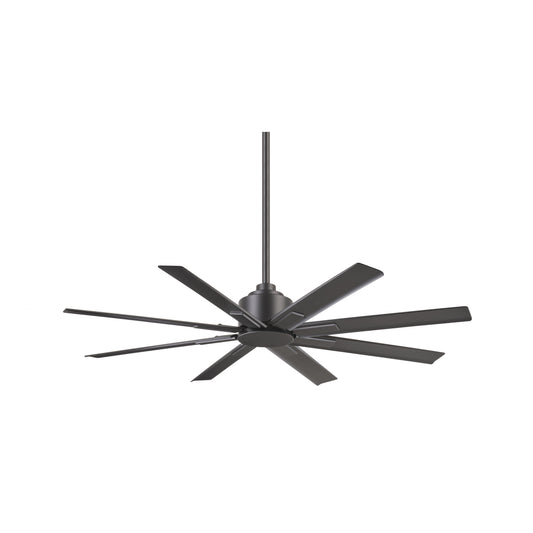
The demand for effective cooling solutions is booming, with the global ceiling fan market projected to hit USD 12.31 billion by 2026. And while standard fans are great, more and more people are realizing that accessories like extensions are what truly make them work. This is what allows stunning, powerful models—from the rustic Barn to the sleek Axis—to deliver on their promise in any room. You can check out more about these market trends from Fortune Business Insights.
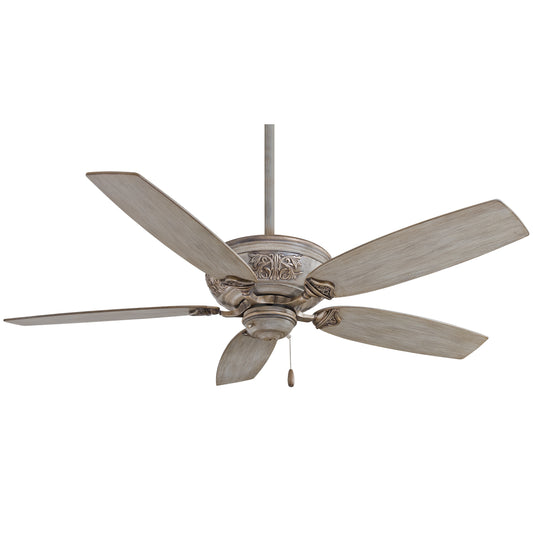
An extension isn't just about function; it's about style. When you lower a beautiful fan into view, it stops being a simple utility and becomes a true centerpiece. A gorgeous fixture like the elegant Chateaux Ceiling Fan (priced over $300) looks far more intentional and high-end when it's suspended at the perfect height, helping to define the entire room.
How to Measure for the Perfect Downrod Length
Getting the downrod length right is probably the most critical step for unlocking your ceiling fan's true potential. Thankfully, it’s not as complicated as it sounds. The magic number here is positioning the fan blades 8 to 9 feet above the floor—that’s the sweet spot for maximum airflow and safety.
All you really need is a tape measure. Let's walk through how to figure out the perfect length for your space.
The Simple Downrod Formula
The quickest way to get your number is with a bit of simple math. Just measure your ceiling height from the floor to the spot where you'll mount the fan.
Then, plug that number into this easy formula:
[Ceiling Height in feet] - 9 feet = [Recommended Downrod Length in feet]
So, if you have a 12-foot ceiling, the math is just 12 - 9 = 3. That means you need a 3-foot (or 36-inch) downrod to hang your fan at the perfect height. It’s a straightforward calculation that gets you right where you need to be.
This diagram shows exactly why getting the fan down into the room makes such a huge difference. A fan mounted too high just churns air above your head, but one at the right height creates a comfortable, room-filling breeze.

As you can see, dropping the fan into the room's living space is what really lets it do its job.
To make it even easier, this table breaks down the most common ceiling heights and the downrod you'll need.
Recommended Downrod Length by Ceiling Height
Use this table to quickly find the correct downrod length to position your fan at the ideal height of 8-9 feet from the floor.
| Ceiling Height (Feet) | Recommended Downrod Length (Inches) | Resulting Fan Blade Height (Approx.) |
|---|---|---|
| 9 | 6" | 8' |
| 10 | 12" | 8' - 9' |
| 11 | 18" | 8' 6" - 9' |
| 12 | 24" | 9' |
| 13 | 36" | 9' |
| 14 | 48" | 9' |
| 15 | 60" | 9' |
Just find your ceiling height in the first column, and you’ve got your recommended downrod length.
Common Measurement Mistakes to Avoid
Even with a simple formula, a few little things can trip people up. Here’s what to watch out for:
- Forgetting the Motor Height: Don't worry about adding the fan's own height to your calculation. The standard 8-9 foot target for the blades already accounts for the space the motor and housing will take up. Just stick to the formula.
- Ignoring Sloped Ceilings: If your ceiling is angled, you need to make sure the blades have enough room to spin without smacking the high side. You may need a slightly longer downrod than the formula suggests just to be safe.
- "Close Enough" Isn't Good Enough: Don't just eyeball it. A few inches might not seem like much, but it can make a real difference in how much air you feel. Take a moment to measure—you'll be glad you did.
If you’re still second-guessing your choice, our comprehensive guide on downrods for fans dives even deeper to help you pick with confidence.
Remember, getting the height right doesn't just improve comfort. It makes your fan look like it was meant for the space. When you invest in a beautiful fan like the Minka-Aire Artiste Ceiling Fan, which can run over $800, the right downrod turns it from a functional appliance into a true design statement.
Matching Your Downrod to Your Fan and Style
Think of a ceiling fan’s extension rod—or downrod—as more than just a piece of pipe. It's a critical component that needs to be a perfect match for your fan, both in how it fits and how it looks. It's a bit like buying a specific charger for your phone; a generic one might not plug in right, and even if it does, it could cause serious issues down the road. The same exact logic applies here.
If there’s one rule to remember, it’s this: always buy a downrod from the same brand as your fan. This isn't just a sales pitch from us. It’s the single most important thing you can do for safety and performance. Fan manufacturers create their own unique designs, meaning the diameters, threading, and even the holes for the locking pins aren't universal.

The Technical Match
The connection where the fan's motor meets the extension rod is make-or-break. If you try to force a mismatched downrod, it simply won't fit securely. Best case scenario? A wobbly, noisy fan. Worst case? A serious safety hazard hanging over your head.
- Diameter: Most downrods you'll see are either 1/2 inch or 3/4 inch in diameter, but there's no official industry standard. A rod that’s too skinny will be dangerously loose, and one that’s too wide won’t fit into the motor housing at all.
- Threading: The threads at the end of the rod are precision-machined to screw perfectly into the fan’s motor. An improper fit can strip the threads on either part or just prevent you from getting a tight, secure connection.
We see it all the time—using an off-brand downrod is the number one cause of installation headaches. A brand-matched extension guarantees a stable, wobble-free fit, ensuring your investment runs smoothly for years to come.
The Style Match
Once you’ve got the technical fit sorted out, you can get to the fun part: making it look good. The downrod is a very visible part of your ceiling fan, so getting the finish right is key to achieving that cohesive, high-end look. A matte black downrod on a brushed nickel fan, for example, can look jarring and feel like an afterthought.
Thankfully, manufacturers offer extensions in every finish to match their fan collections. Whether your fan is aged bronze, matte white, or polished chrome, there’s a downrod out there for it. This small detail is what elevates a premium fixture, like the bold Fanimation Aviation Ceiling Fan (which runs over $1,100), from a simple appliance to a deliberate piece of your home's design. You can also explore our full collection of colored downrods to find the perfect accent for your fan.
Today’s fans have come a long way since their humble beginnings in the 19th century. Modern extension options allow for installations in taller spaces than ever, boosting airflow by as much as 20-30% in rooms over 12 feet high. This is a game-changer for homes and businesses alike, and you can read more on how market adaptations support diverse installations. For a true statement piece like the stunning Minka-Aire Artiste Ceiling Fan (priced over $800), a perfectly matched downrod makes all the difference, creating a seamless, sophisticated profile.
Unlocking Better Airflow and Performance
A downrod does more than just lower your fan—it’s like flipping a switch that unleashes its full potential. Think of it this way: a fan mounted too close to the ceiling is trying to work in a cramped, stuffy attic. The air gets trapped above the blades with nowhere to go, resulting in a weak, disappointing breeze.
By using a downrod to position the fan in the room's main living space, you give it the open air it needs to breathe. This one change dramatically improves its air-moving power, measured in Cubic Feet per Minute (CFM), and strengthens that cooling wind-chill effect we all love.
Maximize Comfort and Energy Savings
A properly hung fan can make a room feel up to 8 degrees cooler. This means you can give your air conditioner a much-needed break, which is a fantastic way to get a handle on home expenses. For more ideas on managing those costs, especially heating and cooling, you can learn how to lower utility bills with a few clever strategies.
More and more, property managers and builders are using downrods up to 72 inches long to get the most out of installations in commercial lobbies and large bedrooms with high ceilings. It’s a trick that can boost a fan's CFM rating by 15-25%. That’s a huge improvement that can save hundreds on AC costs every year—a trend that really picked up after the 1970s energy crises.
The Myth of the Wobbling Downrod
It’s a common fear we hear all the time: won't a longer downrod make my fan wobble? Nope. That’s a complete myth.
A high-quality, brand-matched downrod will not cause your fan to wobble. Wobbling is almost always the result of imbalanced fan blades, a loose mounting bracket, or an electrical box that wasn't properly secured to a ceiling joist.
A correctly installed downrod actually creates a stable, secure anchor point for your fan. Take a premium model like the Minka-Aire Artiste Ceiling Fan, for example. This fan, which sells for over $800, is engineered for a perfectly smooth and silent performance when you pair it with its matching downrod.
If you’re curious about how a fan's design contributes to its stability, you can explore the impact of fan blade count on efficiency in our other article.
Key Safety Checks for Downrod Installation
When you're adding an extension downrod to a ceiling fan, safety isn't just a suggestion—it's everything. While an electrician makes it look easy, knowing what to look for ensures the job is done right from the start, protecting your home and your new fan.

This is a whole different ballgame than hanging a simple light fixture. A ceiling fan is heavy and constantly in motion, which puts serious stress on its mounting. Never, ever use a standard plastic electrical box. You absolutely must use a fan-rated electrical box, which is made of metal and secured directly into a ceiling joist.
These heavy-duty boxes are specifically built to handle the weight and the wobble of a running fan, preventing dangerous vibrations or, worse, a complete failure.
Securing the System
Especially with heavier fans or longer downrods, a safety cable is often required by code—and it’s always a smart idea. This thin steel wire acts as a critical backup. It connects the fan’s motor housing directly to a sturdy joist in the ceiling. Think of it as a safety net; if the main mount ever gave way, this cable would stop the fan from falling.
Properly handling the wiring is another key step. The fan’s electrical wires need to be threaded through the hollow downrod before it's attached. If you're using a long downrod, the wires that came with the fan won't be long enough. You'll need a brand-specific extension wire kit to make a safe connection without resorting to risky splices hidden inside the rod.
A secure installation is the foundation of a quiet, wobble-free fan. A fan-rated box, a safety cable, and correct wiring aren't just recommendations—they are the non-negotiable elements of a professional and safe setup.
When to Call a Professional
While it’s good to know what’s involved, this isn't meant to be a DIY tutorial. Installing a ceiling fan, particularly on a high ceiling that needs an extension, means working with electricity while balanced on a ladder. It’s a job best left to a licensed electrician.
If you’re curious about the full process, you can learn how to install a ceiling fan safely in our guide.
A pro will make sure every connection is rock-solid, the mounting is secure, and all local electrical codes are followed. This is especially true when you’ve invested in a premium fan like the Aerovon Fan, which can run over $500. Paying for a professional installation protects your fan and gives you the peace of mind that it will run safely for years to come.
Putting It All Together: Finding Your Perfect Fan and Downrod
Alright, you've got the theory down—what a ceiling fan extension is, why you might need one, and how to measure for it. Now comes the best part: picking out the right fan and downrod to bring it all to life in your own home.
Think of this as your personal shopping guide. We'll walk through a couple of common scenarios and show you exactly how to pair one of our top-tier fans with the perfect extension for a combination that looks incredible and works even better.
For the Modern Great Room
Picture a big, open great room with a soaring 15-foot vaulted ceiling. A room like this demands a fan with some serious power behind it. You need something that can push a strong column of air all the way down to where you're sitting, not just weakly stir the air near the ceiling.
For a space of this scale, the Andros Ceiling Fan is an absolute knockout. Its beefy motor and impressive blade span are engineered for large, open areas. To get it just right, you’d pair it with a matching 72-inch downrod. This combination, with the fan priced over $300, will hang the Andros at that sweet spot—about nine feet from the floor—so you feel a real, refreshing breeze no matter where you are in the room.
Suddenly, your fan isn't just a utility piece; it's a stunning focal point that perfectly matches the room's grand proportions.
For the Cozy Lodge with a Sloped Ceiling
Let's switch gears. Imagine a cozy cabin or lodge with gorgeous, wood-beamed ceilings that slope up to about 12 feet high. This kind of space calls for a fan that feels rustic and warm but can also tackle the tricky geometry of an angled ceiling.
Here’s the ideal setup for that exact vibe:
- The Fan: We'd go with the Barn Ceiling Fan. It has a charming, rustic look that feels right at home in a lodge setting and is a customer favorite for its style and performance, coming in at over $300.
- The Downrod: A 36-inch downrod is the perfect length here. It drops the fan low enough to ensure the blades have plenty of clearance from that sloped ceiling.
- The Adapter: And don't forget this crucial piece—you'll need a sloped ceiling adapter from the same brand to make sure the fan hangs straight and operates without any wobble or stress.
This trio works together seamlessly to make the space feel incredibly comfortable and inviting. The right extension guarantees the fan doesn't just look the part, but does its job perfectly, circulating warm air in the winter and creating a cool, gentle breeze all summer long. Each product is linked right here, so you can build your ideal setup with total confidence.
Frequently Asked Questions About Fan Extensions
Once you start looking at downrods, a few common questions always pop up. Let's clear the air and make sure you get your installation right the first time so you can shop with confidence.
Can I Use Just Any Brand of Downrod with My Fan?
No, and if there’s one rule to follow, this is it. You should only use a downrod from the same manufacturer as your fan. This isn't just a suggestion—it's a critical safety measure.
Every brand engineers its downrods with specific diameters, threading, and pinhole placements. Mixing brands is a recipe for a wobbly, unstable, and potentially dangerous installation. It's the number one cause of problems, so always stick with the matching brand.
Do I Need Something Special for a Sloped Ceiling?
You bet. If your ceiling is angled or vaulted, you'll need a sloped ceiling adapter (sometimes called a canopy kit) to go along with your downrod.
Most fans today have a ball joint that can handle a slight angle, but for anything steeper, a dedicated adapter is a must. It makes sure the fan hangs perfectly vertical, preventing extra stress on the motor and mount while ensuring it runs smoothly and safely.
For example, a fan like the stylish Chisel Ceiling Fan, priced over $300, truly shines on a vaulted ceiling when you pair it with the manufacturer's matching adapter and downrod.
What if I Need an Extension Longer Than 72 Inches?
For those really dramatic, two-story great rooms or foyers, you’re looking for a downrod coupler. This is a heavy-duty connector that the fan’s manufacturer makes specifically to join two of their downrods together.
Again, brand matching is key. Only use a coupler from the same company that made your downrods to guarantee a rock-solid connection that won’t fail over time.
Does a Longer Downrod Make the Fan Wobble?
This is a common myth, but the answer is no. A longer downrod itself won't cause wobbling. As long as you've installed a high-quality fan with its brand-matched downrod correctly, it will run smooth and silent.
Almost every case of wobbling comes down to something else: imbalanced fan blades, a loose mounting bracket, or an electrical box that isn't properly secured to a ceiling joist. The downrod isn't the culprit.
At Fan & Lights, we make it easy to find the perfect fan and all the right accessories. Browse our extensive collections to find a stunning centerpiece for your room.
Explore our premium fan models today at https://www.fanandlights.com.


