







Best Ceiling Fans for Bedroom: Your 2026 Guide
Picture your ideal bedroom. It's more than just a place to crash—it’s your personal retreat, a sanctuary where a silent, gentle breeze keeps you perfectly comfortable. That's the feeling a great ceiling fan can bring, making it one of the smartest upgrades you can make for your home. This isn't just about moving air; it's about curating an experience. So, grab a cool drink, and let's have some fun finding the fan that will transform your bedroom from a simple room into your personal paradise.
Creating Your Ultimate Bedroom Sanctuary
A truly great bedroom is a haven from the outside world. And believe it or not, a premium ceiling fan is a central part of creating that vibe. It stops being just another appliance and becomes a key feature that defines both the comfort and the look of your space. The right fan doesn't just cool a room; it completes it, adding a touch of luxury and tranquility you'll appreciate every single day.
Think of it as "flying furniture"—a piece that needs to blend with your décor and elevate the entire room. To get that perfect, peaceful atmosphere, it helps to think about the big picture and explore ideas for decorating your master bedroom into your ultimate sanctuary so every detail works together.
Why a Premium Fan Is a Smart Investment
Shelling out for a high-quality ceiling fan—we're talking $300 or more—might feel like a splurge, but the payoff is real. These fans are built differently, designed for quiet performance and a long life, with features you just don't get from budget models. This isn't just an expense; it's an investment in your comfort and your home's style.
- Silent Operation: Premium fans often use whisper-quiet DC motors, which are an absolute game-changer for light sleepers. No more annoying hums or clicks ruining your REM cycle!
- Superior Airflow: They're engineered to move air more effectively, creating a pleasant breeze without feeling like you're in a wind tunnel. It's the difference between a gentle caress and a full-on gale.
- Energy Efficiency: A good fan lets you give your AC a break, which can make a noticeable dent in your energy bills. That's money you can put toward more fun things!
- Design Excellence: They’re designed to be beautiful focal points. Let's be real, you're buying a piece of art that also happens to keep you cool.
It’s no surprise more people are investing in them. The global ceiling fan market is booming, expected to jump from USD 11.83 billion in 2025 to a whopping USD 17.98 billion by 2034. The real story here is that this growth is driven by homeowners—residential use made up a massive 71.81% market share in 2025 as more of us look for affordable, effective ways to stay cool. You can find more on these ceiling fan market insights from Fortune Business Insights.
Moving Beyond the Technical Specs
This guide is here to help you cut through the noise and choose the perfect fan for your space. We'll skip the confusing jargon and focus on what really matters for your bedroom sanctuary:
- The Right Size and Airflow: How to get that consistent, gentle breeze.
- The Perfect Motor: The secret to silent, reliable performance.
- The Ideal Style: Finding a fan that matches your personal taste.
We'll show you how statement pieces, like the sleek Artemis XL5 or the rustic Barn fan from our collections, can completely redefine a room. By the time you're done reading, you’ll know how to pick a fan that does more than just move air—it’ll bring style, comfort, and a sense of calm to your personal haven. If you want to get a head start on aesthetics, check out the current ceiling fan design trends.
Matching Fan Size and Airflow for Perfect Comfort
Getting your bedroom ceiling fan right comes down to nailing two things: the fan’s size (its diameter) and its airflow (CFM). When you get this combination just right, you create a sanctuary for sleep. Get it wrong, and you end up with either a fan that’s barely stirring the air or one that feels like a wind tunnel—neither of which is great for a good night's rest. Think of it as a dance: the fan and the room have to move in perfect harmony.
Let's start with airflow, which is measured in Cubic Feet per Minute (CFM). Think of CFM as the fan's "horsepower" for moving air. It’s a measure of the sheer volume of air a fan can move every single minute. A higher number means more air movement, but for a bedroom, more isn't always better. You're not trying to create a windstorm; you’re looking for a gentle, steady breeze that whispers, "sweet dreams."
The real goal is to find a fan with enough power to cool you down but engineered to do it quietly. This is where you can really feel the difference in quality. The best models, like the ones in our collections, pair efficient, powerful motors with blades pitched at the perfect angle to move a ton of air without making a racket.
How to Find Your Fan's Perfect Diameter
Before you even look at CFM numbers, the first step is matching the fan’s diameter to your room’s size. A fan that’s too small for your master bedroom will have to run on its highest setting just to keep up, creating more noise than breeze. On the other hand, a huge fan in a tiny guest room will create an overpowering, gusty feeling. It's all about finding that Goldilocks zone.
Getting the right size is simple. Just grab a tape measure, find your room’s length and width, and multiply them to get the square footage.
Here’s a quick reference table to help you find the sweet spot for quiet, effective cooling in a bedroom.
Bedroom Fan Size and CFM Guide
| Bedroom Size (sq ft) | Recommended Fan Diameter (inches) | Ideal CFM Range for Bedrooms |
|---|---|---|
| Up to 144 sq ft (12' x 12') | 44 – 50 inches | 3,000 – 4,500 CFM |
| 144 to 225 sq ft (15' x 15') | 52 – 56 inches | 4,000 – 6,000 CFM |
| Over 225 sq ft (15' x 15'+) | 56 – 72 inches | 5,500 – 10,000+ CFM |
This chart is your best starting point. For example, if you have a spacious master suite, a luxurious 60-inch model like the Artemis XL5 has the impressive airflow needed to circulate air throughout the entire space without feeling overwhelming.
It's clear that homeowners are increasingly investing in fans that blend performance with style, driving consistent growth in the market.

As this outlook shows, choosing a high-quality ceiling fan is a home improvement trend that’s here to stay, adding both value and comfort.
Understanding Airflow Efficiency
Here’s something most people don’t realize: not all CFMs are created equal. This is where a fan's design and engineering really matter. Airflow efficiency measures how much air a fan moves for every watt of electricity it consumes. A higher efficiency rating means you're getting more breeze for your buck.
What makes a fan efficient? It's all in the details:
- Blade Pitch and Shape: Blades angled between 12-15 degrees are often considered the sweet spot for moving air. But the best fans go further, with uniquely shaped, aerodynamic blades that scoop air and push it down with the least amount of resistance. It's pure physics, but it feels like magic.
- Motor Quality: You can't have great airflow without a great motor. A powerful, well-built motor spins the blades at a consistent speed, maximizing airflow without any annoying wobble or humming sounds. This is the secret behind why models over $300 often feel so much more substantial and perform better.
Take our 3 Blade Ceiling Fans collection for example. Their design was literally inspired by aircraft propellers, with a singular focus on moving the most air with the least effort. The result is a quiet, powerful, and steady breeze that feels as good as it looks. Finding that perfect balance of size and power will ensure your new bedroom fan is a source of pure comfort, not a distraction.
Choosing the Right Motor for Silent Performance
We've all been there: trying to fall asleep while a noisy, wobbly fan clicks and hums overhead. It's the absolute enemy of a good night's rest. While the right size and airflow are important, the real secret to a peaceful bedroom fan is its motor.
Think of it like the engine in a car. You could have a classic, rumbling muscle car or a sleek, modern electric one. Both get you where you're going, but the experience couldn't be more different. One is loud and clunky; the other is smooth, silent, and efficient. That’s the difference between an AC motor and a DC motor in a ceiling fan.
AC vs. DC Motors: The Classic Showdown
AC (Alternating Current) motors are the old-school standard. They’re reliable and cheaper to make, which is why you’ll find them in most budget fans. The trade-off? They tend to be heavier, run louder, and usually only give you three speed options: low, medium, and high.
DC (Direct Current) motors, on the other hand, are the modern marvels of fan engineering. For a bedroom, they are hands-down the best choice for a few key reasons:
- Whisper-Quiet Operation: DC motors are practically silent. They get rid of that distracting electrical hum you hear from older AC fans.
- Serious Energy Efficiency: They use up to 70% less energy than AC motors. Over the life of the fan, that adds up to real savings on your electricity bill.
- More Speed Options: Instead of just three settings, DC fans often come with up to six speeds, giving you total control to find that perfect, barely-there breeze.
Investing in a fan with a DC motor is an investment in peaceful, undisturbed sleep. You'll notice and appreciate the difference in noise and control every single night.
Why Premium DC Fans Are Worth It
This advanced motor is a big reason why you'll see high-quality fans priced at $300 or more. What you're paying for is superior engineering that delivers years of silent, reliable comfort. A bedroom fan is something you use daily—and when you’re trying to sleep, silence is golden.
This trend toward quality is happening all over the home improvement space. Home renovation spending is on the rise, and the ceiling fan market is expected to grow from USD 14.24 billion in 2023 to USD 19.92 billion by 2030. A great fan is a smart upgrade, capable of cutting your cooling costs by 30-50% when used with your AC. You can read the full research about these ceiling fan market drivers from GMI Insights.
Models like the ultra-quiet Aerovon or the powerful Breeze from our collections are built around these high-performance DC motors. It’s how we make sure they not only look fantastic but also create the peaceful atmosphere your bedroom deserves. For a deeper dive into the tech, you can check out our guide on DC ceiling fans.
The Role of Blade Design
The motor supplies the power, but it’s the blades that actually move the air. The material, shape, and angle of the blades all work together with the motor to produce that quiet, efficient airflow.
- Blade Material: Blades come in a range of materials, from standard MDF to solid wood or tough ABS plastic. Carved wood blades, like those on the rustic Barn model, bring a warm, natural feel. Meanwhile, sleek ABS blades on a fan like the Artemis XL5 allow for aerodynamic shapes that move more air with less effort.
- Blade Pitch: This is simply the angle of the blades, usually set between 12 and 15 degrees. A steeper pitch moves more air, but it also requires a stronger motor to power it without causing wobble or noise. A premium fan is perfectly balanced, with the blade pitch and motor strength matched for stable, optimal performance.
At the end of the day, a fan's silent performance comes from the perfect partnership between a powerful DC motor and well-engineered blades. When you prioritize these two components, you're guaranteeing your fan will deliver quiet comfort and style for years to come.
Finding a Fan That Complements Your Style
Let's be honest, a ceiling fan is so much more than just a motor with blades. It’s a design centerpiece that can either tie a room together or stick out like a sore thumb. We like to think of it as “flying furniture”—it's a statement piece you’re going to be looking at every single day. So let's make it something you love to look at!
So, getting the style right is just as crucial as nailing the size and motor specs. Forget the generic advice you’ve heard before. Let’s get into the specifics of finding a fan that truly captures your personal taste.

The trick is to view the fan as a natural extension of your existing decor, not some clunky appliance you added as an afterthought. A great fan should feel like it was always meant to be there, whether your goal is a breezy coastal retreat, a sharp modern loft, or a luxurious traditional suite.
Matching the Fan to Your Bedroom's Theme
Let’s get specific. The right design can completely change the vibe of your room. The best way to start is by browsing curated collections, which helps you quickly filter out the noise and focus on models that speak to your aesthetic.
-
For a Coastal or Bohemian Retreat: You want a fan that makes you feel like you’re on vacation. Think natural wood, woven textures, or leaf-shaped blades. These Tropical Ceiling Fans are perfect for creating a relaxed atmosphere, bringing that airy, organic feel indoors.
-
For a Modern or Minimalist Space: Here, clean lines are everything. Look for fans with just a few sleek, aerodynamic blades and an uncluttered profile. Our 3 Blade Ceiling Fans collection has some incredible options that add a subtle industrial edge without feeling heavy.
-
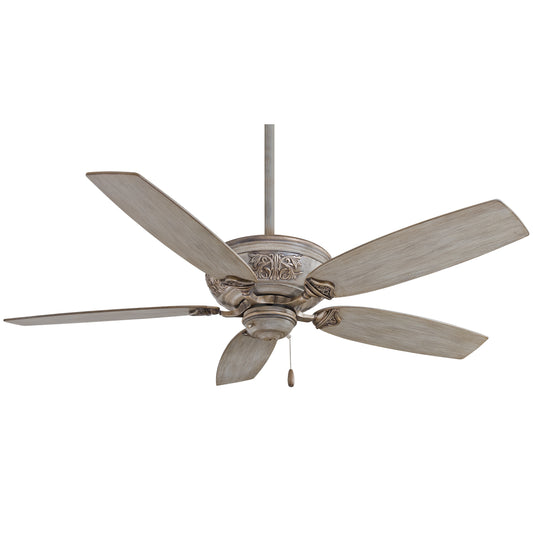
For a Traditional or Glamorous Suite: Elegance is all in the details. A fan with ornate metalwork, rich finishes, and classic blade shapes can add that perfect touch of luxury. The Chateaux fan, for instance, has a timeless grace that complements classic furniture and plush fabrics beautifully.
This is exactly why investing in a design-focused model over $300 is so worthwhile. You aren't just buying an appliance; you're buying a piece of functional art that completes your vision for the room.
Coordinating Finishes for a Cohesive Look
Once you've settled on a style, the next move is coordinating the fan's finish with the hardware and furniture already in your room. This detail makes a massive difference, turning a good design into a great one. The goal is for the fan to either blend in seamlessly or pop as a deliberate, stylish accent.
A fan's finish is like the final piece of the puzzle. A Matte Black fan can anchor a room with modern fixtures, while a Brushed Nickel finish offers a soft, versatile touch that works with almost any color scheme.
It's no secret the fan industry is booming—the market hit USD 12.31 billion in 2026 and is on track for USD 17.98 billion by 2034. A huge part of that growth is because people now expect their fans to look as good as they perform. Homeowners want fans that are not only energy-efficient—cutting energy use by 60-70% compared to an AC—but also beautifully designed. You can see more insights about the growing ceiling fan market here.
Our Top Finish Recommendations
To help you get a better picture, here are some of our favorite finishes and the styles they pair with best:
-
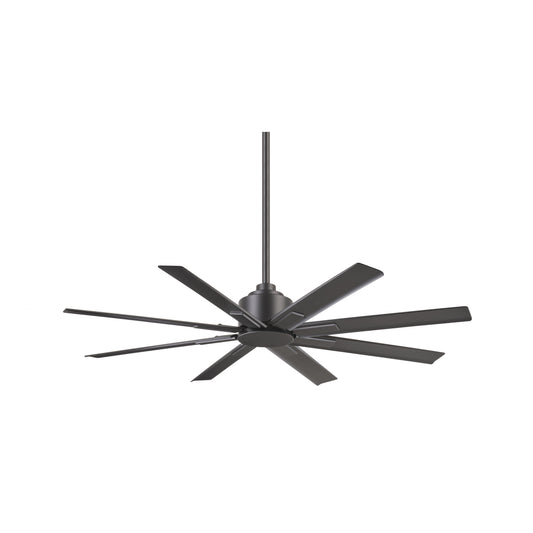
Matte Black: This has become the go-to for modern, industrial, and farmhouse designs. It creates a bold, graphic contrast against a white ceiling and looks fantastic with black window frames or light fixtures. Check out the Chisel fan for a prime example.
-
Brushed Nickel: A true chameleon, brushed nickel plays well with almost everything. Its soft, metallic sheen complements both warm and cool palettes, making it a safe yet sophisticated choice for transitional or contemporary bedrooms.
-
Satin Brass or Gold: For a dash of glamour and warmth, you just can't beat brass. It’s a wonderful choice for Art Deco, mid-century modern, or glam-inspired rooms where you want to add a luxurious feel. Our Bowie fan in a brass finish is a perfect example of this.
-
Natural Wood Tones: Fans with wood-finished blades, like our Barn model, introduce incredible warmth and texture. They're ideal for rustic, Scandinavian, or bohemian spaces, helping connect the room to natural elements.
By thinking carefully about both the overall style and the specific finish, you ensure your new bedroom ceiling fan doesn’t just keep you comfortable—it actively makes your home more beautiful.
More Than a Fan: Lights, Controls, and Smart Features
A modern bedroom fan is so much more than just a set of spinning blades. The best ones are all about enhancing your comfort with smart, seamless features. When lighting, controls, and smart tech come together, a simple fan transforms into something you'll wonder how you ever lived without. It’s like upgrading from a flip phone to the latest smartphone—the possibilities are endless!

Getting the Lighting Just Right
Forget those bulky, awkward light kits from the past. Today’s premium fans feature sleek, integrated LED lighting that’s both beautiful and incredibly practical. It’s less about just lighting a room and more about creating the perfect atmosphere.
- Dimmable Control: Go from a bright, energizing light for getting ready in the morning to a soft, warm glow for unwinding with a book at night, all at the touch of a button.
- Adjustable Color Temperature: Many high-end models let you shift the light’s color from a cozy, warm yellow (around 2700K) to a crisp, daylight-like white (around 5000K). This means you can tune your lighting to fit your mood or activity perfectly.
To take your room's ambiance even further, you can find inspiration from these bedroom lighting ideas that work beautifully with the features of a modern fan.
From Pull Chains to Smart Commands
How you control your fan is just as important as how it performs. The classic pull chain still exists, but let's be honest, modern bedrooms deserve a little more convenience.
Wall Controls: A step up from the pull chain is a clean, hardwired wall control. These usually give you a simple slider for fan speed and another for dimming the lights—straightforward and always there when you walk into the room.
Remote Controls: This is where the real luxury kicks in. A remote lets you adjust speed, light, and even fan direction without getting out of bed. It’s a game-changer for bedroom comfort, especially when you want to tweak the breeze in the middle of the night.
A remote control is probably the single biggest quality-of-life upgrade you can get with a bedroom fan. No more stumbling in the dark to turn off a light or quiet a breeze that’s suddenly too strong.
The Ultimate Convenience: Smart Fan Integration
The peak of fan control is tying it into your smart home. Wi-Fi-enabled models, often priced over $300—like the tech-forward Amped or the minimalist Apex—put complete control right in your hands or just a voice command away.
Once connected to your home network, you unlock a whole new world of automation. Imagine saying, "Hey Google, set the bedroom fan to low," or scheduling your fan to turn on an hour before bed so your room is perfectly cool when you walk in. These fans work effortlessly with:
- Amazon Alexa
- Google Home
- Dedicated smartphone apps
Your fan stops being just an appliance and becomes part of your home's ecosystem. Many of our premium collections, such as the Tropical Ceiling Fans and 3 Blade Ceiling Fans feature models with these smart capabilities.
The Year-Round Value of a Reversible Motor
One of the most valuable but often overlooked features is a reversible motor. This simple function makes your fan a year-round workhorse for comfort and energy savings.
In the summer, you run the fan counter-clockwise. This pushes air straight down, creating that wonderful wind-chill effect that makes you feel cooler.
But in the winter, you just flip a switch to reverse the blades to a clockwise rotation. The fan then gently pulls cool air up, forcing the warm air that's pooled at your ceiling back down into the room. This simple trick helps the room feel warmer, letting you dial back the thermostat and save a little on your heating bills. It makes a quality fan an investment that pays off every single day.
Bringing It All Home: Installation and Checkout
You’ve done the hard part—you’ve sorted through the styles, understood the specs, and found the perfect ceiling fan for your bedroom. Now it's time for that last, satisfying step: getting it home and up on the ceiling. This part of the process should feel just as smooth and easy as the fan you've picked out.
Before you even think about wiring, it all starts with one simple question: how high is your ceiling? This single measurement will determine how you mount your fan.
Choosing Your Mounting Method
For a fan to work its magic safely and effectively, the blades need to be at least 7 feet off the floor. But the sweet spot for creating that perfect, comfortable breeze is having them hang between 8 and 9 feet from the floor.
Here’s a quick guide to getting that height just right:
- Flush Mount: If your ceilings are on the lower side (under 8 feet), a flush mount fan is your best friend. These are often called "hugger" fans because they mount directly to the ceiling, giving you maximum headroom without sacrificing airflow.
- Downrod Mount: Most standard ceilings (between 8 and 9 feet) are perfect for a standard downrod, which usually comes right in the box. For taller or vaulted ceilings, you’ll just need a longer downrod to bring the fan down into the main living space of the room.
Getting this right is key. A fan hung too high won't move the air where you can actually feel it, and one hung too low is a safety hazard.
DIY or Call in a Pro?
With the mounting figured out, you can get to the installation itself. If you're a confident DIYer, installing a fan can be a really rewarding weekend project. Before you climb up that ladder, though, run through this quick mental checklist:
- Is your electrical box "fan-rated"? This is critical. A standard box for a light fixture is not strong enough to handle the weight and vibration of a fan.
- Is the power completely off? Don't just flip a switch. Head to your circuit breaker and shut off the power to that room entirely.
- Do you have the right tools on hand? You’ll need the basics like a ladder, a few screwdrivers, pliers, and a wire stripper.
If you hesitated on any of those points—especially the electrical work—your best move is to call a licensed electrician. It's a quick job for a pro and gives you total peace of mind that your beautiful new fan is safe and secure.
Your Seamless and Secure Checkout
When you're ready to buy, we've made sure the checkout process on our site is straightforward and secure. Whether you've fallen for a sleek model from our 3 Blade Ceiling Fans collection or a breezy fan from our Tropical Ceiling Fans, you can finish your purchase with confidence.
We accept all major, trusted payment options like Visa, Mastercard, and Apple Pay, all handled through an ultra-secure platform. We also made sure our shipping and return policies are crystal clear so there's no guesswork involved. We want your entire experience—from the moment you start browsing to the first time you feel that quiet, gentle breeze—to be completely stress-free.
Frequently Asked Questions About Bedroom Fans
When you're choosing a fan for your bedroom, a few questions always seem to pop up. Let's tackle them head-on so you can feel confident you're picking the perfect one for your space.
How Many Blades Are Best for a Bedroom Ceiling Fan?
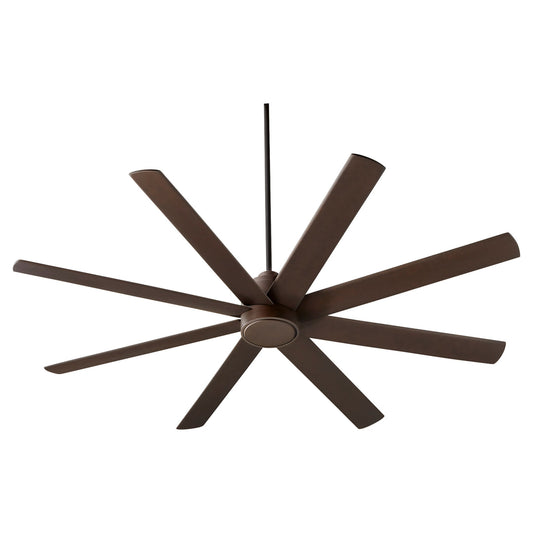
It's easy to get caught up in the blade count, but it's mostly a matter of style and sound. A sleek, modern 3-blade fan like one from our 3 Blade Ceiling Fans collection can move a ton of air efficiently. On the other hand, fans with 5 or more blades, like the impressive Artemis XL5, tend to run a bit quieter, especially on those lower, sleep-friendly speeds.
But honestly, the motor is what really separates a great fan from a mediocre one. A high-quality DC motor on a 3-blade fan will always be quieter and more powerful than a cheap AC motor on a 5-blade fan. Our advice? Focus on getting the right CFM and motor type first, then choose the blade count that fits your bedroom's look.
Can I Use a Bedroom Ceiling Fan in the Winter?
Absolutely! In fact, it's one of the best ways to make your room feel cozier and cut down on heating bills. Nearly all premium fans we offer come with a reversible motor for exactly this reason.
Here’s how it works: in winter, you flip the switch to run the fan clockwise on a low speed. This pulls cool air up and gently circulates the warm air that naturally rises and gets stuck at the ceiling. By pushing that warmth back down into the room, you feel warmer without ever touching the thermostat. It turns your fan into a year-round workhorse.
What Is CFM and Why Does It Matter More Than Speed?
CFM, which stands for Cubic Feet per Minute, is the single most important number to look at. It tells you exactly how much air the fan is actually moving. The "speed" setting—low, medium, or high—just tells you how fast the blades are spinning, not how well they're doing their job.
Think of it this way: a poorly designed fan on "high" can just chop at the air without creating a real breeze. A fan with a high CFM rating is engineered to create powerful, consistent airflow.
For a bedroom, we always recommend a fan with a solid CFM rating (look for over 4,000 for an average-sized room) paired with a quiet DC motor that gives you plenty of speed options. This combo lets you dial in that perfect, whisper-quiet breeze for a good night's sleep without any annoying motor hum.
At Fan and Lights, we're here to help you find the ideal fan that combines performance, style, and quiet operation. Explore our collections and find the perfect centerpiece for your sanctuary at https://www.fanandlights.com.


