











Ceiling Fans for High Ceilings: Choose the Right Fit
Updated on: 2026-07-16
High ceilings look beautiful, but they can feel drafty or stagnant without the right airflow. Ceiling fans for high ceilings help circulate air where you need it most, making rooms feel more comfortable year-round. With the right blade sweep, downrod length, and fan speed control, you can reduce hot spots and improve overall comfort. This guide walks you through what to look for, how to install it safely, and how to choose a fan that fits your style.
1. What makes high ceilings tricky
2. Ceiling fans for high ceilings: what to look for
3. Expert installation checklist
4. Choosing the right size and blade sweep
5. Controls and airflow comfort
6. Use cases: who benefits most
What makes high ceilings tricky
Big vertical space changes how air moves in a room. Warm air rises, and in many homes it gets trapped near the ceiling. The result is uneven comfort: hot zones in the upper area and cooler pockets lower down. You might also notice that a room feels “stale,” even when windows are open for a short time.
A standard ceiling fan often struggles with this problem because it may sit too low or move air in the wrong zone. That’s why ceiling fans for high ceilings are built around better circulation. The goal is simple: move air through the room at the right height so people feel the breeze, and the temperature evens out.
Ceiling fans for high ceilings: what to look for
When you shop for a fan for a vaulted or two-story space, focus on three essentials: how far the fan hangs from the ceiling, how much air it moves, and how quietly it operates. If you get those right, the rest becomes easy—style, light, and finishes fall into place.
1) Downrod and mounting height
The downrod length matters because airflow loses strength with distance. A fan that sits too close to the ceiling may push air into the hottest zone. A fan that sits at the right drop height can create a steady, comfortable breeze across the room.
Look for a setup designed for extended mounting. Many shoppers choose ceiling fans for high ceilings paired with a longer downrod so the blades stay in the effective airflow range.
2) Blade sweep and airflow performance
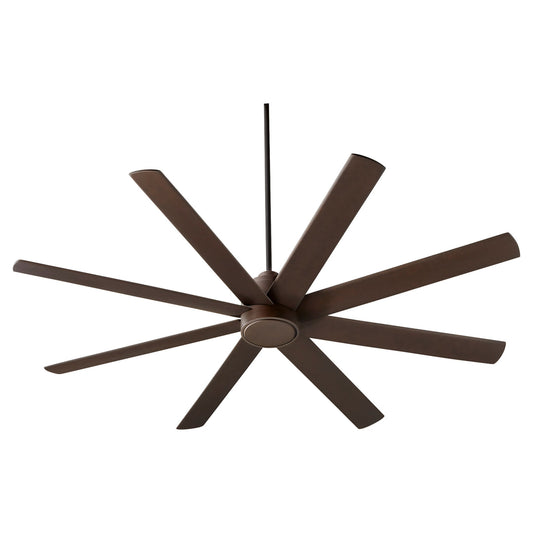
Blade sweep is the fan’s “reach.” Wider sweeps move more air, which is crucial in large rooms with taller ceilings. If your space is open-plan, think about the overall volume you want to condition. A fan with the right blade span helps keep the airflow consistent from one area to another.
3) Motor quality for daily comfort
A durable motor improves daily comfort. You want smooth starts, stable performance, and reliable speed control. High-quality fans also tend to run more consistently with less wobble over time.
If you’re building a long-term setup, explore fans with proven motor designs. For example, you can compare models across our collection, including the Levon motor system and the Stella motor technology, to see how motor choices impact comfort and feel.
4) Integrated lighting options
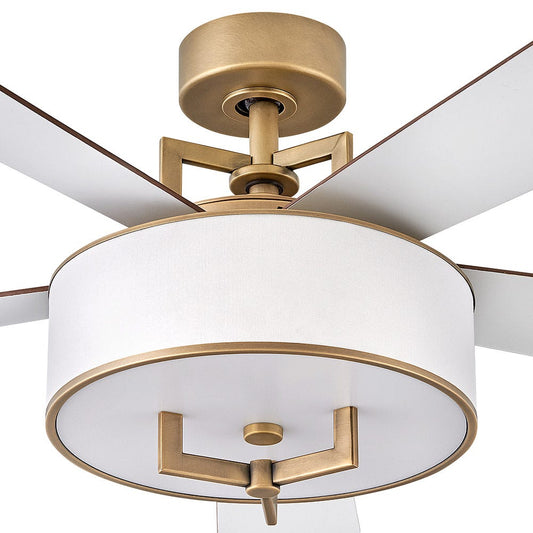
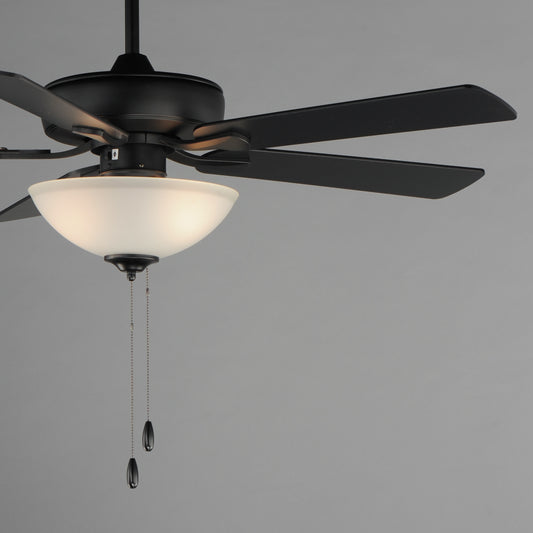
Many high-ceiling spaces need more than airflow. If your room also lacks even illumination, a fan with a light kit can replace a difficult overhead fixture. You get one ceiling solution that improves both mood and comfort.
5) Finish and scale
High ceilings are a design opportunity. Choose a finish that complements your hardware and trim, and pick a fan size that matches the room’s scale. When the fan “fits” visually, you’ll enjoy it more every day.

Loft room height, airflow arrows, fan placement layers
Expert installation checklist
Even the best fan won’t perform well if it’s installed incorrectly. Use this checklist to protect your results and keep your space feeling comfortable.
Verify ceiling type before you buy: flush, angled, or vaulted ceilings each need the right mounting approach.
Confirm downrod length plans: measure from the ceiling to where you want the blades to sit. Keep clearance in mind for lighting fixtures, ceiling details, and safety.
Check electrical connections: if you’re unsure about wiring, hire a qualified electrician. Fan installs require correct grounding and proper circuit support.
Secure the fan properly: tighten mounting bracket bolts and ensure all parts are attached firmly. Loose fittings create wobble and noise.
Balance blades during setup: correct blade alignment improves smooth operation, especially on larger fans.
Test each speed and light function: make sure the fan runs smoothly at low and high settings and that the light operates reliably.
If you also want to coordinate airflow and lighting, browse for complete fan systems that pair performance with everyday convenience. Many customers like building a consistent look from ceiling to living space.
Choosing the right size and blade sweep
Size is where shoppers often feel stuck, especially when they have both tall ceilings and open layouts. The simplest way to shop is to match blade sweep to room size and airflow needs.
In general, larger rooms benefit from wider blade sweeps because they move more air across the full space. Smaller blade spans may struggle to circulate air throughout the room, leaving corners and seating areas feeling less comfortable.
Also consider ceiling height. If your blades sit at a better effective height, you often get more usable airflow for the people in the room. That’s why the downrod plan and blade sweep work together. A well-balanced setup helps you avoid the “it spins but doesn’t feel like much” problem.
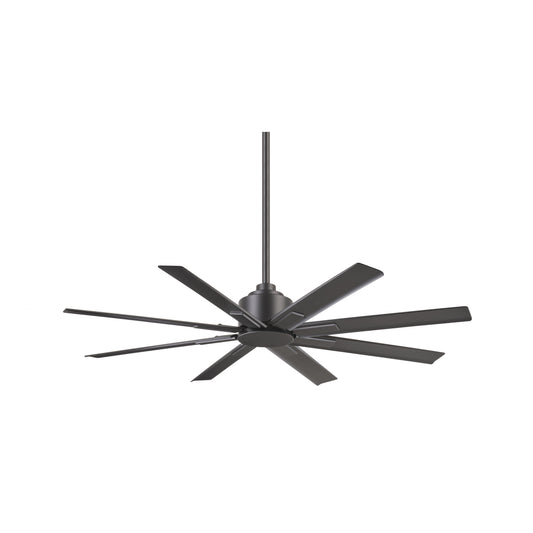
For a practical shopping approach, pick a fan style that matches your room, then confirm that the airflow design suits your ceiling height. If you want a strong starting point, explore product categories like modern motor-driven fans such as the Celano V2 or compact-friendly options such as Xeno to find a balance between performance and appearance.
Controls and airflow comfort
Comfort improves when you can fine-tune airflow. High ceilings often create stronger vertical temperature differences, so having stable control matters.
Speed settings for different seasons
Lower speeds can maintain a gentle breeze for everyday use. Higher speeds help during warmer months when you need extra circulation. In cooler seasons, many homeowners run the fan on a lower setting to help distribute air more evenly.
Look for smooth speed steps
A fan that responds well to speed changes feels more controllable. That means you can adjust to changing weather without turning the fan off and on repeatedly.
Use lighting to improve daily function
In a living room with tall walls, lighting can become uneven. A fan with a light kit helps you brighten the space while you circulate air. It’s especially helpful when you have high-ceiling entryways, dining areas, or great rooms.

House zones with breeze lines, remote control icons, warm light glow
Use cases: who benefits most
Ceiling fans for high ceilings aren’t only for show. They solve real day-to-day issues in specific spaces. Here are common use cases where customers see immediate benefits.
Great rooms and open-plan living spaces
Open layouts have more air volume. A properly sized fan with an appropriate mounting drop height helps move air across the room so the entire area feels more consistent.
Two-story foyers and grand entryways
Grand spaces can trap warm air near the top. A fan designed for taller ceilings can help reduce that “stuck warmth” feeling and make the entryway more comfortable when you’re home.
Vaulted bedrooms
Bedrooms benefit from comfort control. When airflow is balanced, you can enjoy better sleep conditions and a room that feels fresh without needing constant window ventilation.
Dining rooms with statement lighting
If you already have a chandelier or pendant plan, a fan with light can still work by providing even overhead illumination and air circulation. It helps make dinners and gatherings feel more inviting.
Home offices and studios
When you’re working for long hours, comfort matters. Ceiling circulation helps you stay comfortable and can make the room feel less stuffy during the day.
Customer voice: what shoppers say
Shoppers choose fans for high-ceiling homes because they want results they can feel. Here’s what buyers commonly look for and how they describe the impact.
“Air moves where we actually sit.”
Many customers say the biggest difference is where the breeze lands. Instead of only feeling airflow near the fan, they report better coverage across seating areas and under the main living zone.
“The room feels more balanced.”
High ceilings can create uneven comfort. Buyers often mention that the room feels less hot near the top and more comfortable overall, especially in the living and dining areas.
“It looks right, not just installed.”
Style matters in two-story and vaulted spaces. Customers frequently mention that the fan feels like part of the design, not an afterthought. A good scale, finish match, and clean profile help the fan blend into the room.
“The setup is worth the effort.”
People who plan their mounting height and blade sweep are more likely to report smooth performance and fewer issues. When the fan is positioned well, it tends to run more quietly and feel more stable.
If you want to build a confident setup, start by selecting a fan that fits your airflow needs, then plan the mounting details carefully. For example, shoppers who focus on motor reliability often compare options like the Ampled and other motor-based builds to find the comfort profile they like.
Summary & takeaways
Ceiling fans for high ceilings can transform comfort in large, tall rooms. The right mounting height, blade sweep, and motor performance help distribute airflow where people actually spend time. If you also choose a model with dependable lighting, you gain both comfort and function from one ceiling fixture.
Before you order, measure your ceiling height, think about how the room is used, and choose a fan sized to move air effectively. Then install it with care so you get smooth operation and long-lasting performance.
Ready to upgrade your high-ceiling space? Shop Fan & Lights for ceiling fans designed to help you feel better comfort from the first day. Explore our collection and choose a fan that matches your room’s scale and airflow needs: Shop ceiling fans.
Disclaimer: This article is for general guidance only. Always follow the product manual and local electrical codes. If you are not confident with wiring or mounting, consult a qualified professional installer.
Q&A
How do I know if a ceiling fan is suitable for a very tall ceiling?
Look for a fan that supports the right mounting approach for your ceiling type and includes guidance on drop height and clearance. Measure the distance from the ceiling to where the blades will sit, and choose a setup that keeps safe clearance from fixtures and the floor. If you’re unsure, compare product specifications and installation notes before buying.
What size ceiling fan works best in a large room?
Large rooms typically require a wider blade sweep to move enough air across the entire space. Start with your room size and layout, then choose blade span to match. If the room is open-plan, prioritize airflow coverage over only local circulation.
Should I use a fan year-round in high-ceiling homes?
Many homeowners run ceiling fans year-round to improve comfort and keep air distributed. In warmer months, higher airflow speeds can feel refreshing. In cooler months, lower speeds often help circulate air more evenly. Always adjust speed based on comfort and follow the manufacturer’s recommendations.
Can a ceiling fan also provide better lighting for high-ceiling rooms?
Yes. Fans with light kits can help brighten large vertical spaces where overhead lighting may feel uneven. When you choose a fan with an appropriate light system, you can improve visibility and create a more welcoming atmosphere while also circulating air.

An Owner of The Fan Connection, Selling Ceiling Fans for the past 15 years and been in business since 1979. Living in Florida the sunshine state, Love my pup Trooper.


