







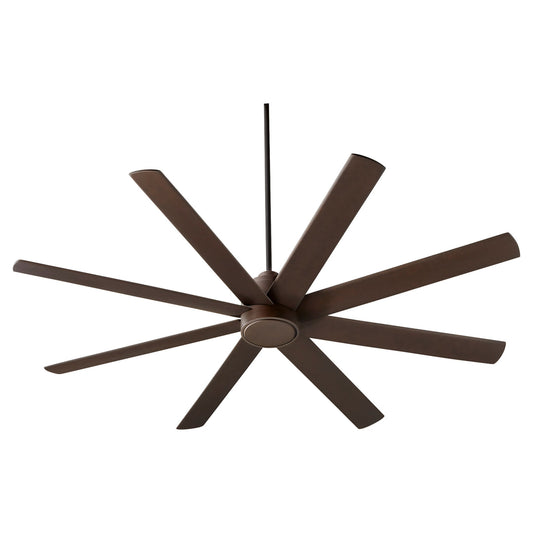


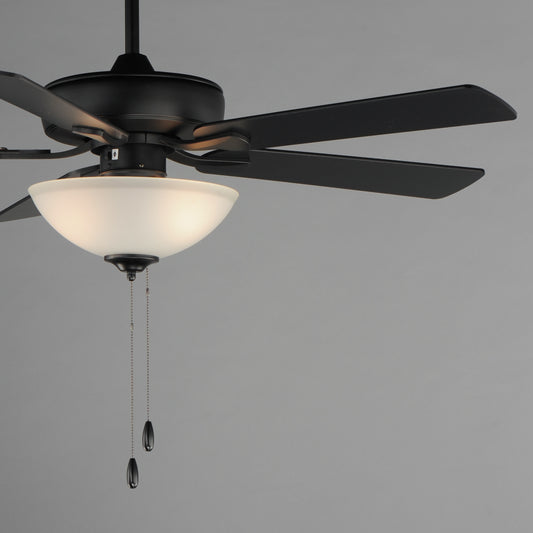


Ceiling Fans for High Ceilings: Mounting Tips That Work
Updated on: 2026-09-30
If you have tall rooms, regular fans often fail to circulate air the way you expect. Ceiling fans for high ceilings are built to move air farther and keep comfort consistent from floor to ceiling level.
In this guide, you will learn what to look for, how to choose the right size and downrod, and how to get quiet, stable airflow.
You will also see real use cases from homeowners and get practical setup tips you can apply right away.
When you are ready, explore matching fan-and-light options and upgrade your space with confidence.
Table of Contents
- Why Ceiling Fans for High Ceilings Work Better in Tall Rooms
- How to Choose Ceiling Fans for High Ceilings (Size, Blade Span, and Mounting)
- Ceiling Fan Installation Checklist for High Ceilings
- Airflow and Control Tips for Year-Round Comfort
- Pair Fans with Lighting for a More Usable, Better-Looking Room
- Customer Experiences: What Homeowners Notice First
- Ready to Shop? Find Your Best Match
Why Ceiling Fans for High Ceilings Work Better in Tall Rooms
High ceilings look amazing, but they can create a comfort challenge. Warm air rises. Air near the ceiling can feel stagnant, while the floor stays cooler. If your room feels uneven, it is usually an airflow problem, not a temperature problem.
Ceiling fans for high ceilings are designed to reach the airflow level your living space actually needs. They typically use longer downrods, optimized blade angles, and motor power that helps the fan move air across a larger vertical space. The result is more consistent circulation, better comfort, and a room that feels “finished” instead of drafty or stuffy.
Here is what changes when you choose a fan made for taller rooms:
- More effective circulation: Air movement reaches farther down into the room.
- Balanced comfort: You can reduce hot spots near the ceiling and improve how air feels near seating areas.
- Improved visual harmony: The right mounting and proportions complement tall architecture without looking awkward.
- Better energy efficiency: When air feels comfortable, you rely less on extreme heating or cooling.

Tall-room airflow: warm air up, comfort down
How to Choose Ceiling Fans for High Ceilings (Size, Blade Span, and Mounting)
Choosing the right fan is easier when you start with the room. Before you compare styles, decide what the fan must do: move enough air, sit at the right height, and fit your ceiling type.
1) Match blade span to the room size
Blade span affects how much air the fan can move. In general, larger rooms benefit from wider blade spans. If your room is open-concept, measure the main living area, not just the space above a single piece of furniture.
- Smaller spaces: Look for compact spans that still provide steady airflow.
- Living rooms and open areas: Choose a span that can cover the zone where you spend time.
2) Prioritize downrod length and mounting style
For high ceilings, the downrod matters as much as the fan itself. A longer downrod helps position the blades lower so they can circulate air at the right level. Many homeowners also benefit from a “flush-to-downrod” approach only when the ceiling height and mounting layout support it.
When you review product details, focus on:
- Available downrod options: Ensure you can reach the blade height you need.
- Stable mounting: Choose a mounting method that feels secure and centered.
- Ceiling clearance: Make sure blades clear beams, fixtures, and any crown molding.
3) Consider blade design for smooth airflow
Blade shape affects how air moves. Efficient blade designs help the fan deliver a comfortable breeze without excessive wobble or noise. If you like a quieter room, prioritize balanced construction and reliable motor performance.
4) Don’t forget controls and comfort features
For many households, the best ceiling fan is the one you actually use. Look for:
- Quiet operation: Great for bedrooms and open living spaces.
- Easy speed control: Different speeds for different activities.
- Forward and reverse airflow: Useful for seasonal changes.
If you want a fan-and-light style that blends into tall rooms, start by exploring options that include modern motor performance and clean finishes. For example, you can review a motor-focused upgrade at motor options to see what fits your comfort goals.
Ceiling Fan Installation Checklist for High Ceilings
Even the best fan can underperform if installation is off. Use this checklist to help you plan a smooth upgrade. If you are not comfortable installing a ceiling fan, hire a licensed electrician.
Step 1: Confirm ceiling support and electrical rating
Verify that your ceiling junction box can support the fan’s weight and that wiring is rated for the fixture. For high ceilings, the fan experiences more leverage, so proper support matters.
Step 2: Plan blade height for the room
Comfort usually improves when blades are positioned to create airflow at the level where people sit and walk. Too high and you feel little movement; too low and you lose safety clearance.
- Keep clearance from floors, furniture, and any hanging décor.
- Check distance to beams or soffits in vaulted spaces.
Step 3: Use the correct downrod length
Measure your ceiling height and account for mounting hardware. A correct downrod helps ensure stable balance and effective airflow. If you need flexibility, look for systems designed to accommodate different ceiling heights.
Step 4: Balance and secure everything
Loose connections can cause wobble. Tighten mounting hardware as instructed, and ensure blades are aligned. Many fans include balancing methods or blade alignment checks—use them. A balanced fan is a quieter fan.
Step 5: Test airflow at multiple speeds
After installation, test the fan on low and medium first. Listen for unusual sounds. Then test higher speeds to confirm stable airflow. If you feel air movement is weak, check blade height and mounting alignment.

Installation checklist: measure, mount, align, test airflow
Airflow and Control Tips for Year-Round Comfort
Once your fan is installed correctly, you can get more comfort from it than you expect. High ceilings can amplify seasonal differences, so use your fan as a tool, not a decorative piece.
Use fan direction for seasonal comfort
Many ceiling fans support reversible airflow. In warmer months, run the fan so it pushes air downward to create a cooling breeze. In cooler months, reverse airflow to help move warmer air near the ceiling down to the room. This can make your home feel more consistent from top to bottom.
Choose the right speed for the activity
Ceiling fans feel different based on how you use your space. Try:
- Low to medium: Relaxing, reading, working from home.
- Medium to high: Cooking, entertaining, or warmer afternoons.
When airflow matches the moment, comfort feels effortless.
Pair ceiling fans with smart habits
You do not need complicated routines. Simple habits help:
- Run the fan when the room is occupied.
- Use curtains and blinds to reduce heat gain.
- Keep air vents clear so the HVAC system can work effectively.
Dial in quiet performance
If noise is a concern, confirm that blades are secured and that the fan is balanced. Also check that the downrod is correctly assembled. A quiet ceiling fan helps you enjoy the space without distraction.
If you are looking for a premium option for high ceilings, consider reviewing motor-focused designs like Spitefire motor for performance-oriented airflow and an upgraded ceiling presence.
Pair Fans with Lighting for a More Usable, Better-Looking Room
Many high-ceiling rooms are also statement rooms. You may have an open living area, a dining space, or a grand entry. Pairing a fan with lighting can do two things at once: improve comfort and enhance the room’s look.
When a fan includes integrated lighting, you can reduce the number of fixtures competing for attention. That means a cleaner design and a more intentional atmosphere.
Dining rooms and open living spaces
In dining areas, you want light that makes meals look good and supports conversations. A ceiling fan with a compatible light can provide functional illumination without hanging a separate fixture that looks crowded.
Entries and foyers
Tall entries can feel echoey or dim. A well-positioned fan with lighting adds warmth and helps balance the space visually. It also makes the room feel more welcoming from the moment you walk in.
Style choices that work in tall rooms
High ceilings make details more noticeable. If your decor is modern, transitional, or classic, choose finishes and blade styles that complement existing hardware and lighting tones. You can also create contrast if the room’s palette is neutral.
To explore a fan-and-light pairing direction, you can browse a motor-forward option at Stella motor and then select a look that matches your home’s vibe.
Customer Experiences: What Homeowners Notice First
Comfort is personal, but patterns show up quickly when people install the right fan for high ceilings. Here are common outcomes customers report after making the upgrade.
“The room feels even from floor to ceiling.”
Many homeowners start noticing airflow consistency within the first day. Areas near tall windows and upper walls stop feeling stuffy, while seating areas feel more breathable.
“It looks proportionate, not awkward.”
High ceilings can make a fan look too small or too low. Customers often comment on improved visual balance when the mounting height and blade span match the architecture.
“The fan is easier to live with than we expected.”
After installation, most people use the fan more often because comfort improves with less effort. Multiple speeds make it easy to adapt during different routines, from calm evenings to active weekends.
“Lighting plus airflow is a win.”
When a fan includes lighting, homeowners like the convenience. Instead of juggling separate fixtures for mood and function, they get one integrated solution that helps the room feel ready for everyday life.
If you want more inspiration on making your space feel special, here is a helpful read: Creative Tips for Special Occasion Decorations That Impress. It pairs well with lighting upgrades when you want your home to look its best for gatherings.
Ready to Shop? Find Your Best Match
When you are shopping for ceiling fans for high ceilings, think beyond style. Choose a fan that can reach the airflow zone, fit your mounting needs, and match your room size. That is what turns a “pretty” ceiling feature into everyday comfort you can feel.
To narrow your search quickly:
- Confirm your ceiling type and mounting plan.
- Pick a blade span that fits your room scale.
- Choose the right airflow direction and control style.
- If you want a one-stop upgrade, prioritize fan-and-light combinations.
Explore Fan & Lights collections and select a model that fits your tall room. If you want motor-forward performance and a modern look, start with the options here:
Call to action: Upgrade comfort in your tall room today. Shop ceiling fans and lighting at Fan & Lights and get a look that works beautifully from every angle.
Disclaimer: Ceiling fan installation involves electrical work. Always follow the manufacturer’s instructions and local building codes. If you are unsure about wiring, ceiling support, or mounting methods, consult a qualified electrician or installer.
FAQ
What downrod length do I need for ceiling fans for high ceilings?
Downrod length depends on your ceiling height and the height you want the blades to sit relative to the floor. The goal is to position the blades so airflow reaches the living area without creating unsafe clearance. Check the fan’s mounting specifications and measure your ceiling space before ordering.
Are ceiling fans good for tall, open-concept rooms?
Yes, they are often ideal for open areas because they help circulate air across a wider footprint. Choose a blade span that matches the room scale and confirm stable mounting. Using appropriate fan speeds during daily routines can help you feel more consistent comfort across the space.
Will a ceiling fan help in winter as well?
Many ceiling fans can reverse direction. In winter mode, the fan can help move warmer air near the ceiling back down toward the room. Use the reverse airflow setting with lower to medium speeds and adjust based on how the room feels.

An Owner of The Fan Connection, Selling Ceiling Fans for the past 15 years and been in business since 1979. Living in Florida the sunshine state, Love my pup Trooper.


