







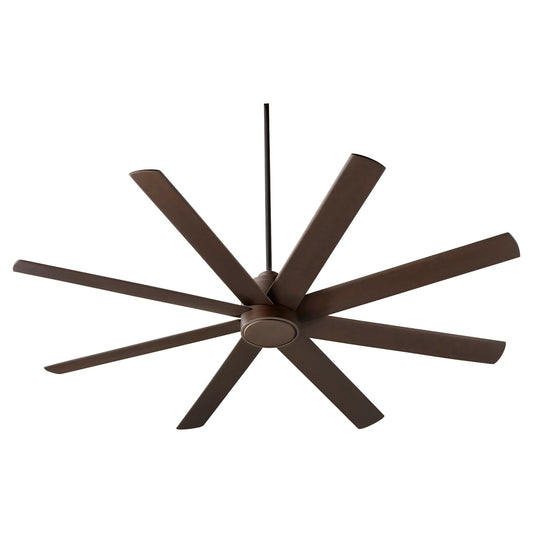


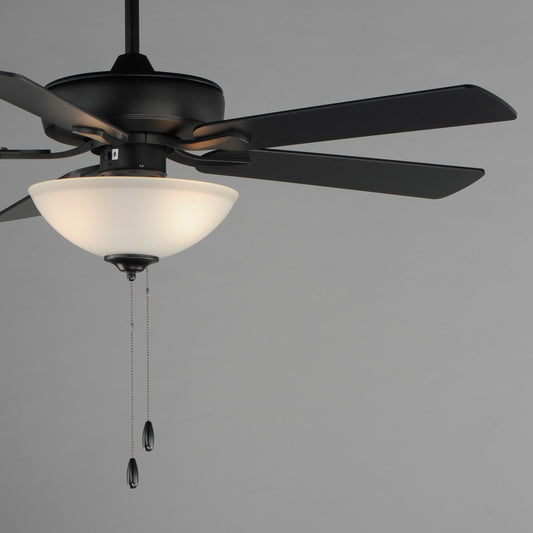


Ceiling Fans for Large Rooms: Choose the Right Size
Updated on: October 21, 2026
If you have a large living room, bedroom, or open-plan space, standard fans often feel underpowered. Ceiling fans for large rooms are built to move more air across a wider area, helping you feel comfortable without cranking up the thermostat.
This guide breaks down how to choose the right fan size, blade pitch, airflow, and control options for big spaces. You will also find practical installation tips and real-world style testimonials to help you decide faster.
By the end, you will know exactly what to look for and which fan features matter most for your layout.
Choosing ceiling fans for large rooms
Big spaces need more than a decorative breeze. Ceiling fans for large rooms should cover the distance from one corner to the next, so air movement feels even and predictable. The good news: once you match a fan to your room size and ceiling height, comfort improves quickly and stays consistent.
Start with a simple goal. You want airflow that reaches people where they sit, stand, or sleep. That means correct blade span, the right mounting distance from the floor, and smooth operation that does not “stall” under load.
1) Pick the right blade span for the area
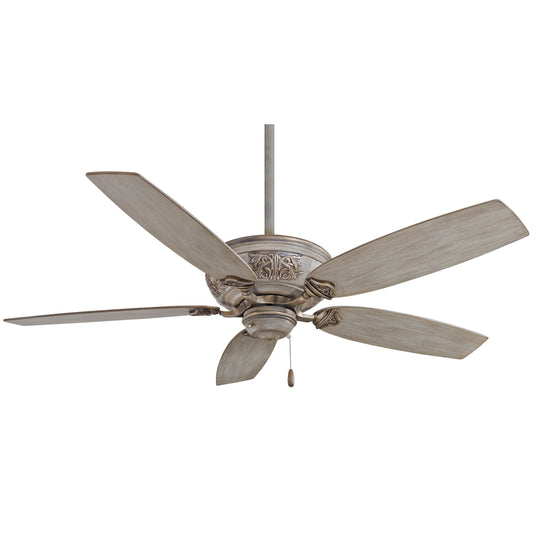
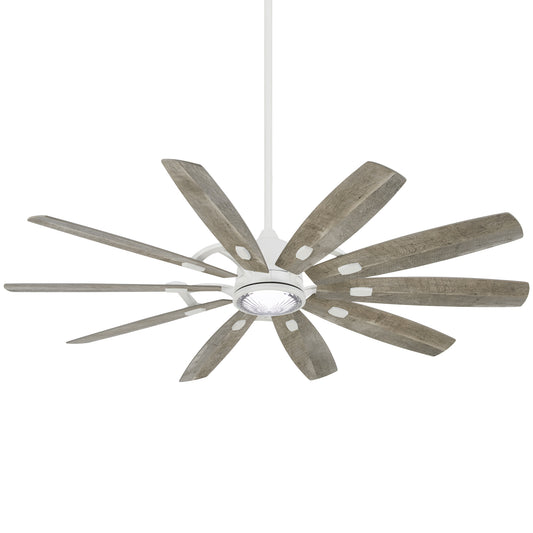
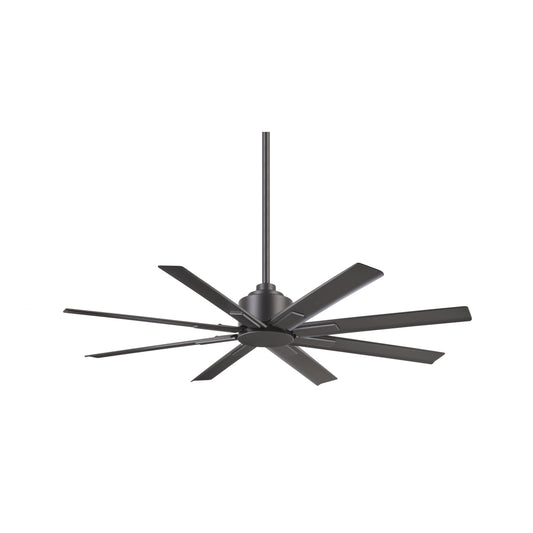
Blade span is one of the most noticeable factors when shopping. In large rooms, a wider blade sweep moves more air across a bigger footprint. If the fan is too small, you may feel airflow only directly under the unit, while the rest of the room stays stagnant.
For open-plan layouts, aim for balanced coverage. For example, if your living room connects to a dining area, a fan with a strong airflow profile helps both zones feel more comfortable.
2) Match airflow performance to your climate and comfort habits
Look for fans designed for high airflow, especially if you rely on natural ventilation or you want gentle, steady circulation all day. More airflow often means you can feel cooler at the same thermostat setting. Many customers also like that ceiling fans can reduce the “hot spots” that appear near windows or high-heat walls.
Choose speed control that fits your routine. In large rooms, you may want one speed for daytime airflow and a different speed for evenings.
3) Use the right blade pitch and motor quality
Blade pitch helps determine how effectively a fan moves air. Higher-quality blade design can improve airflow efficiency. Motor design matters too, since big fans may run longer during hot seasons. A fan that starts smoothly and maintains steady balance helps create comfort without distracting noise.
4) Consider wet or damp rating for covered spaces
If your fan will be installed in a covered patio, sunroom, or other damp area, check the rating before buying. Choosing a unit built for the environment protects performance and extends product life.

Large-room airflow map with arrows across zones
Common challenges in large-room cooling
Many buyers begin with a familiar problem: they installed a fan, but comfort still feels uneven. Large rooms create air movement challenges because airflow has more distance to travel and more surfaces to heat or cool.
Here are the most common issues and how to fix them with the right fan features and setup.
Uneven comfort across the room
If the area near the fan feels great but corners feel stuffy, the fan may be too small or positioned poorly. Use a fan with a larger blade span and plan placement for circulation. When possible, aim the airflow toward the main seating area and keep furniture from blocking the airflow path.
Insufficient airflow during peak heat
Some fans move enough air on low settings but feel weak at higher speeds. In large rooms, you need the ability to push more air when the weather demands it. Choose a model designed for strong airflow and smooth speed changes, so you can adjust comfort without sudden surges.
Noise and wobble that disrupt the space
Large ceiling fans often run longer, so quiet performance matters. If a fan wobbles, it can become annoying over time. Proper installation and secure mounting help a lot, but selecting a well-balanced fan and using the correct hardware makes the difference.
Wrong mounting height or blade-to-ceiling clearance
Mounting height affects both airflow comfort and safety. If the fan sits too close to the ceiling, it can create dead zones below. If it sits too low, it may be uncomfortable for people moving through the space. Follow the recommended clearances for the unit you choose.
Comparison: high-airflow fans vs standard options
To help you decide quickly, here is a straightforward comparison. The goal is not to “always buy the biggest fan,” but to match performance to your room’s size and layout.
| Feature | High-airflow ceiling fans for large rooms | Standard ceiling fans |
|---|---|---|
| Air coverage | Wider airflow reach across large footprints | Best for smaller spaces; may feel localized |
| Comfort consistency | Helps reduce hot spots across seating zones | Comfort may drop farther from the fan |
| Speed control experience | More usable range for day-to-night comfort | May need frequent manual adjustments |
| Installation planning | Often works best with ideal mounting height | Can be more forgiving in smaller rooms |
| Best use cases | Living rooms, open-plan spaces, large bedrooms | Hallways, small bedrooms, tight rooms |
In plain terms: if your room feels too big for your current fan, switching to a fan made for wide-area airflow is usually the fastest path to comfort.
Installation and control tips that make a difference
Choosing the right fan matters, but installation details decide how well it performs. A ceiling fan can only circulate air effectively when it is mounted correctly, wired securely, and balanced for smooth operation.
Step 1: Confirm ceiling height and choose the right downrod
Large rooms often have higher ceilings, especially in open-plan homes. If your fan uses a downrod, select the length that keeps blades at the recommended distance from the floor and ceiling. This helps airflow feel present where people spend time.
If you are unsure, measure first. Then compare your measurements to the installation requirements for the exact model you choose.
Step 2: Use proper mounting support
Secure mounting is key for stability. If your ceiling structure requires specific mounting hardware, follow the guidance that comes with the fan. Skipping steps or using incompatible hardware can lead to wobble and decreased performance.
Step 3: Balance and check the fan after install
Even a great fan can sound or wobble if it is not balanced during installation. After assembly, run the fan at different speeds and check for vibration. If you notice issues, balance adjustments can restore smooth operation.
Step 4: Control for comfort, not just speed
Use the fan like a climate tool. In daytime hours, you may prefer medium speeds for steady airflow. In the evening, higher speeds can feel refreshing, while low speeds can support comfort through the night. The best ceiling fan setup is the one you will actually use every day.
Where to place a fan in a large room
In most living spaces, center placement works best. But if your room is long, open, or shaped with alcoves, you might need to think about the primary seating zone. Avoid placing the fan where ceiling beams, pendant fixtures, or tall shelving block airflow.
Also consider that air movement improves how rooms feel. With the right placement, fans can help your space feel cooler even before you reach for higher cooling settings.

Floor plan with fan center and seating comfort arrows
Summary & recommendations
When you shop for ceiling fans for large rooms, prioritize wide-area airflow, stable mounting, and control that fits your lifestyle. A fan built for larger footprints helps reduce hot spots, improves comfort consistency, and turns big rooms into welcoming spaces you actually enjoy.
Here is a quick checklist you can use today:
- Choose a wider blade sweep for balanced coverage.
- Match airflow to your comfort needs with usable speed control.
- Confirm mounting height so airflow reaches people comfortably.
- Plan placement to support circulation where you spend time.
- Select proper environment rating for covered or damp spaces.
If you want a simple way to start exploring options, check fan models on Fan & Lights. From motor-driven performance to thoughtful design details, the right ceiling fan can elevate your whole room experience.
If you are also considering a fan with a motor that supports dependable day-to-day use, you may like these product pages:
- Explore Spitefire motor options
- Explore Levon motor options
- Explore Stella motor options
- See Doren fan options
And if you enjoy pairing functional comfort with room style, you can also explore creative decor ideas from Kaladhar Resin Art while you plan your refresh.
Ready to upgrade your airflow? Shop now for ceiling fans made to handle wide spaces, and enjoy a room that feels comfortable from corner to corner.
Q&A: Ceiling fans for large rooms
What size ceiling fan is best for a large living room?
For large rooms, you generally want a wider blade span so air reaches the full area. If your current fan feels like it only cools the center, sizing up the blade sweep is often the quickest fix. Measure your space and follow the product’s installation guidance to ensure proper clearance.
Will a ceiling fan cool a room as much as an air conditioner?
A fan does not replace air conditioning, but it can improve comfort by increasing air movement and helping you feel cooler at the same thermostat setting. In many homes, running a properly sized fan reduces hot spots and makes the space feel more even, which can lower how often you rely on stronger cooling.
How high should a ceiling fan be installed in a high-ceiling room?
Blade-to-ceiling and blade-to-floor clearance affect comfort and safety. Use the recommended mounting height for your specific model and select the correct downrod length if provided. When clearances are correct, airflow feels stronger and more consistent across the room.
Why does my fan wobble or make noise?
Most wobble issues come from installation details, uneven mounting, or an unbalanced fan assembly. Confirm that the fan is securely fastened, use the correct hardware, and check balance after installation. Proper setup usually restores smooth, quiet performance.
Disclaimer: This article is for general information and shopping guidance. Always follow the installation instructions included with your specific ceiling fan and consult a qualified electrician if you are unsure about wiring or mounting requirements.

An Owner of The Fan Connection, Selling Ceiling Fans for the past 15 years and been in business since 1979. Living in Florida the sunshine state, Love my pup Trooper.


