











Ceiling Fans for Living Rooms: Style and Comfort Tips
Updated on: 2026-07-08
Choosing ceiling fans for living rooms can feel confusing because you need comfort, airflow, and style in one upgrade.
This guide breaks down how to pick the right size, airflow level, and finish so your fan works with your space.
You will also see real-world use cases, setup tips, and what to look for if you want quiet performance.
By the end, you will know exactly what to shop for and how to make your living room feel cooler and more inviting.
1. Introduction: why a living room fan matters
2. Product Spotlight: a motor-first choice for daily comfort
3. Sizing guide for ceiling fans for living rooms
4. Step-by-Step How-To: plan, prep, and install confidently
5. Personal Experience: how airflow changed my living room
Introduction: why a living room fan matters
A living room is where you relax, host friends, and spend time every day. When air feels warm or stuffy, comfort drops fast. That is where ceiling fans for living rooms can help. A well-chosen fan improves circulation, makes temperatures feel more consistent, and adds a polished look overhead.
Unlike stand-alone cooling devices, a ceiling fan works across the entire room by moving air in steady patterns. That helps reduce “hot spots,” keeps airflow from lingering near the ceiling, and supports a more comfortable environment whether you are watching TV, reading, or entertaining.
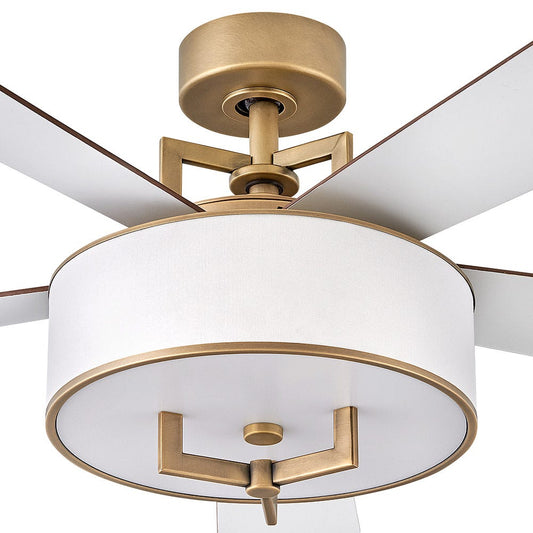
The best part is that a fan is not only functional. Many modern designs include integrated light options, finishes, and blade styles that fit modern, farmhouse, transitional, and classic interiors. The result feels like a complete room refresh instead of a temporary fix.
Product Spotlight: a motor-first choice for daily comfort
If you want your living room fan to feel smooth and dependable, start with the motor. That is the heart of performance: it drives airflow, influences noise, and affects long-term satisfaction.
One strong option to consider is the Levon motor. It is built for everyday reliability and designed to deliver steady movement you can feel. When you are choosing a fan for a room you use often, “daily comfort” matters more than flashy features. A reliable motor helps you enjoy consistent airflow with fewer surprises over time.
Pair that kind of performance with a fan style that fits your space, and you get the full experience: comfort, quiet operation, and a look that blends in or stands out on purpose.
If you also want to explore alternative performance options, check the Stella motor lineup. Comparing motor-focused choices can help you match your preferences for airflow feel and overall run smoothness.

Decor-neutral airflow lines around ceiling height guide comfort
What to look for in a living room motor
- Steady airflow: helps keep the room comfortable without sudden speed changes.
- Quiet operation: reduces background noise when you are relaxing.
- Durability: supports long-term use in everyday living spaces.
- Compatibility: works well with your chosen fan head and controls.
When you use the ceiling fan consistently, you will notice the difference between “works” and “works well.” Motor quality is a big part of that.
Sizing guide for ceiling fans for living rooms
The most common shopping mistake is choosing the wrong blade span. Too small and the fan feels underpowered. Too large and it can overpower the space or create turbulence you do not want. Use this simple sizing approach to get it right.
Measure your room and match blade span
Start with the room’s main seating area. Then choose blade span based on room size. Here is a practical rule of thumb:
- Small living rooms: consider a smaller blade span for effective circulation without overreach.
- Medium living rooms: a balanced blade span is usually the sweet spot for comfort.
- Large living rooms: choose a larger blade span so airflow reaches more of the room.
If you are unsure, focus on your room’s width and where your seating sits. The goal is to move air across the area people actually use most.
Pay attention to ceiling height and mounting
Ceiling height affects how the fan moves air. In living rooms, comfort is impacted by blade-to-floor clearance and how the airflow “lands” on seating. If your ceiling is higher, you may need a downrod style that positions the blades appropriately. If your ceiling is lower, an integrated or close-to-ceiling style can help maintain safe clearance.
Think about airflow, not just speed labels
Many fans offer multiple speed steps, but what matters most is how the air feels on your skin and around your seating. Look for fans that provide smooth speed changes. That helps you use the lowest comfortable setting when you want gentle airflow and increase when the room feels warmer.
Where to place the fan in a living room
- Center above the seating area for even circulation.
- Avoid obstructions like ceiling beams or shelves that can block airflow.
- Check lighting and furniture layout so the fixture looks aligned overhead.
Step-by-Step How-To: plan, prep, and install confidently
Installing a ceiling fan can be straightforward when you plan first. This simple walkthrough helps you avoid common issues and set yourself up for a clean, comfortable finish. If you are not comfortable with electrical work, hire a licensed electrician.
Step 1: Confirm your ceiling box and power
Before anything else, make sure your existing ceiling electrical box is rated for ceiling fans. Then turn off power at the breaker. Use a voltage tester if you have one, and keep the area dry and clear.
Step 2: Choose the right fan height
Decide on the mounting approach based on ceiling height. A proper downrod (or close-to-ceiling style) helps airflow reach the room effectively while maintaining safe clearance.
Step 3: Assemble blades safely
Most fans ship with blades that attach to the motor housing. Follow the included instructions for blade alignment and tighten screws properly. Do not over-tighten, but do ensure each blade is secure.
Step 4: Hang the fan and connect wiring
Lift the fan housing into place and connect the wires based on the fan’s wiring diagram. Keep wiring neat so it does not pinch when you attach the canopy. Secure all connections and cover them with the provided connectors.
Step 5: Check balance and test airflow
After installation, turn the power back on and test the fan at multiple speeds. If you notice wobbling, stop and check blade mounting tightness. Some fans include balance adjustments; follow the manual for tuning.
Step 6: Install light components (if included)
If your living room fan includes lighting, install the light kit as specified. Use the correct bulb type and wattage guidance from the manufacturer so the fixture performs as intended.

Lighting notes and ceiling clearance guide a neat setup plan
Quick installation tips that improve long-term satisfaction
- Use the right hardware from the box and instructions.
- Keep blades aligned to reduce vibration.
- Test before fully finishing so adjustments are easier.
- Match controls to your preferences for speed and lighting control.
If you want a fan design that combines comfort and atmosphere, consider exploring options like Celano v2 for modern styling. For a different look that still supports everyday use, you can also browse Amped as you compare room fit and visual tone.
Personal Experience: how airflow changed my living room
I used to think a living room fan was mostly about style. That changed after we moved into a home where the afternoon sun made the space feel warm even when the thermostat was set reasonably. We added a ceiling fan and within a few days, the room felt calmer. The biggest surprise was how quickly the “stuffy” feeling faded when the fan ran at a gentle speed.
Instead of constantly adjusting the thermostat, we used the fan as our daily comfort tool. In the evening, it made movie nights more comfortable. During gatherings, it helped everyone feel less warm without turning the room into an ice box. The fan became part of the routine. We even changed how we sat near the couch because the airflow felt better in certain zones.
That experience taught me a key lesson: the right ceiling fans for living rooms selection is not only about airflow power. It is about even comfort across the seating area, quiet operation, and a look that feels right overhead.
Style and lighting: match your fan to your décor
A living room fan should look intentional. If it blends well, you will want to run it more often. If it clashes, you will notice it every time you walk in.
Choose a finish that matches your room
Look around at your existing hardware and décor tones: metals, furniture legs, and light fixtures. A fan finish that echoes those elements creates cohesion. For example, a warm-toned metal can complement wood-based interiors, while cooler finishes pair well with modern and minimalist spaces.
Consider blade style for the right visual energy
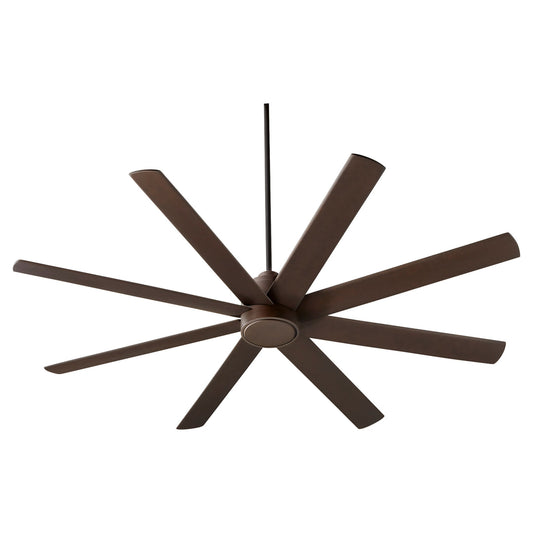
Blades affect the “rhythm” of the ceiling look. Sleek, minimal blades can feel modern. Wider or more traditional blade looks can feel classic and cozy.
Use lighting to set the mood
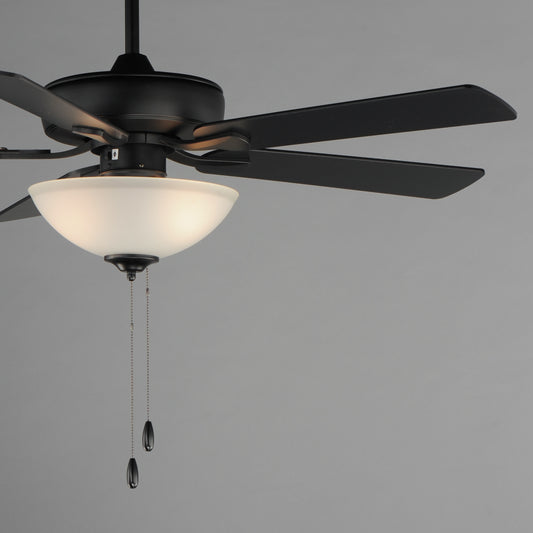
If your ceiling fan includes a light kit, you get two upgrades in one: airflow and illumination. This is especially useful in living rooms where lighting needs change throughout the day. A dimmable or adjustable approach can help you shift from bright focus to soft ambiance.
Make sure the light actually serves the seating area
- Check shadowing behind sofas and armchairs.
- Confirm bulb guidance for brightness and compatibility.
- Match lighting style to your current floor and table lamps.
When style and lighting align, the room feels finished. That is when a fan becomes a true design centerpiece rather than a functional add-on.
Summary & Recommendations
Shopping for ceiling fans for living rooms does not have to be overwhelming. Start with comfort goals, then narrow options by size, ceiling height compatibility, motor reliability, and the way airflow reaches your seating area. Finish by selecting a look that matches your décor and, if needed, a light kit that improves the room’s overall mood.
My top recommendations:
- Choose a fan with a motor you trust for smooth everyday performance.
- Match blade span to the room and ensure proper positioning over seating.
- Prioritize balance and quiet operation so the fan feels good long-term.
- If lighting matters, pick a fan style with an integrated light approach.
Ready to upgrade your living room? Visit Fan & Lights and browse ceiling fans built for comfort and style. If you want to compare motor options first, start with Levon motor or Stella motor, then move to a complete fan model that fits your ceiling height and décor.
Disclaimer: This article provides general product and installation guidance. Electrical installation and safety requirements vary by location and existing wiring conditions. Always follow the product manual and consider professional help if you are unsure about mounting hardware, wiring, or ceiling fan electrical compatibility.
Q&A
How do I know what size ceiling fan I need for my living room?
Start by measuring your living room’s main seating area and matching blade span to room scale. If you want comfort where people actually sit, center the fan over that zone. Also consider ceiling height, since the right mounting position helps airflow feel even instead of concentrated.
Will a ceiling fan really help my living room feel cooler?
Ceiling fans improve comfort by circulating air, which can make temperatures feel more consistent across the room. For best results, choose a fan with steady airflow and use a comfortable speed setting that matches your comfort preferences.
What is the easiest way to reduce wobble after installing a fan?
Test the fan, then check blade mounting tightness and ensure blades are aligned according to the manual. If the fan includes balance adjustment steps, follow them carefully. In most cases, careful blade installation fixes wobble quickly.
Can I add lighting to a ceiling fan setup?
Some ceiling fan models come with integrated light kits, while others may be compatible with specific accessory kits. If lighting is important for your living room, choose a fan package that matches your brightness needs and confirms bulb type and wattage guidance from the product instructions.

An Owner of The Fan Connection, Selling Ceiling Fans for the past 15 years and been in business since 1979. Living in Florida the sunshine state, Love my pup Trooper.


