











Ceiling Fans With Lights: Style, Size, and Placement Tips
Updated on: 2026-07-17
Ceiling fans with lights are one of the easiest upgrades you can make for comfort and style. They keep air moving in every season while adding bright, adjustable illumination overhead. When you choose the right size, finish, and control options, you can reduce hot spots, improve airflow, and make rooms feel more inviting. In this guide, you’ll learn how to pick the right fan-light combo and get a smoother installation experience—plus real customer feedback and practical buying tips.
Table of Contents
- Why ceiling fans with lights change the way a room feels
- How to choose ceiling fans with lights for your space
- Ceiling height and room size: the decision that matters most
- Lighting design: brightness, tone, and coverage
- Controls and comfort features to look for
- Installation tips for a clean, safe setup
- Maintenance that keeps performance consistent
- What customers say after upgrading
- Shop ceiling fan and light combinations
- FAQ
Why ceiling fans with lights change the way a room feels
When a room feels too warm, too dim, or just “unfinished,” the fix is often right above your head. Ceiling fans with lights blend two essentials—circulating air and reliable lighting—into one coordinated design. Instead of choosing between comfort and style, you get both in a single fixture.
Fans help you feel cooler by improving air movement around the room. That means you can enjoy a more comfortable atmosphere without relying entirely on higher thermostat settings. Meanwhile, built-in lighting improves day-to-day usability: bright task lighting for kitchens, cozy ambient light for living rooms, and clear visibility for entryways.
Whether you’re refreshing one space or outfitting an entire home, a fan-light combo can make your decor look more intentional. Many models also come with modern finishes and quiet motor options, so you get comfort without sacrificing the look you want.

Diagram icons for airflow, illumination, and balance
How to choose ceiling fans with lights for your space
The best ceiling fan-light setup matches your room’s needs. Start with three core choices: the fan size, the lighting style, and the control options. Once those are right, you can fine-tune finishes, blade profiles, and any extra features.
1) Match the fan size to the room
Fan size has a direct impact on airflow comfort. If the fan is too small, circulation can feel weak. If it’s too large, the fixture may overwhelm the room or struggle to look balanced. Use your room dimensions as a guide, and choose a blade span that fits the space.
2) Choose lighting that fits your activity
Think about what you do in the room most. For kitchens and work areas, you’ll want brighter illumination. For bedrooms and living rooms, you may prefer a warmer tone that feels relaxing. Some fixtures offer integrated LED designs, while others use compatible bulbs. Either way, confirm brightness and coverage before buying.
3) Pick controls you’ll actually use
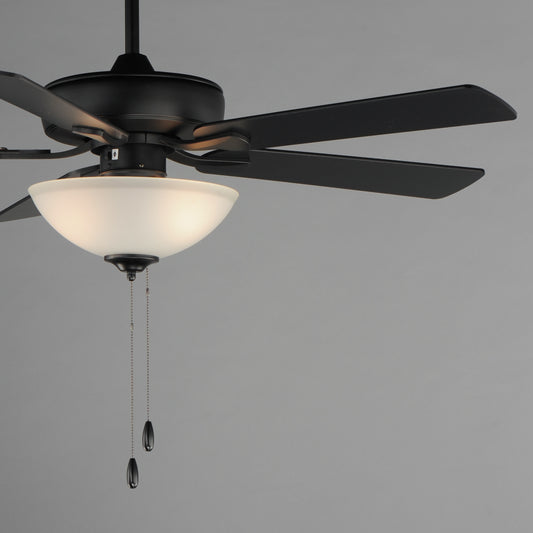
A fan-light combo should be easy to run. Look for pull chains if you like simple operation, or remote controls if you want hands-free adjustments. If your household is busy, remote control can make a real difference when you’re switching between lighting and fan speeds.
If you want a dependable way to shop, explore fan motors and lighting heads designed to work together across styles. For example, you can browse options on our site, including Doren lighting and motor combinations and Celano V2 motor options, then choose the right look for your room.
Ceiling height and room size: the decision that matters most
Your ceiling height affects airflow comfort, safety clearance, and how attractive the fan looks. Before you install, confirm that the fan blades will sit at a safe distance from the floor and that the fixture can be balanced with your chosen mount.
As a rule of thumb, you want the blades positioned so airflow reaches the living space without feeling like it’s too low. Many fan-light designs include downrods, which help you customize the drop for different ceilings. If you have high ceilings, a longer downrod can keep circulation effective. If your ceiling is lower, you’ll want a model that fits your clearance needs.
Room size also matters for comfort. Larger rooms typically need more blade span to distribute air evenly. Smaller rooms benefit from a more compact footprint that keeps airflow targeted.
Lighting design: brightness, tone, and coverage
Lighting is where ceiling fan-light combinations really stand out. A fan that moves air well but doesn’t light the room can still leave you frustrated. Focus on brightness, color temperature, and how evenly the light spreads.
Brightness that matches the room
For kitchens, dining areas, and home offices, look for brighter lighting so surfaces stay clear and readable. For bedrooms and relaxing spaces, you can choose a softer tone that supports a calm mood. If you entertain often, brighter settings help you host comfortably while still giving you the option to dim or change light output depending on the bulb type.
Even coverage for fewer “dark corners”
Good coverage means the light reaches areas where people naturally stand, sit, or move. If a fixture places the light too centrally, it can leave corners dim. If it’s positioned well and designed with appropriate lensing or shade coverage, the room looks more balanced.
Match the finish to your decor
Ceiling fan-light fixtures are visible from most angles. Choose a finish that works with your hardware, light fixtures, and furniture tones. A coordinated finish can make the entire room look more complete.

Overhead light spread map with warm-to-neutral color bands
Controls and comfort features to look for
A ceiling fan-light combo should feel effortless. When controls are convenient, you’re more likely to use the fan regularly, which improves comfort day after day. Consider these features when narrowing down your options.
Remote control for quick changes
Remote control is great for households that want to adjust speed and lighting without walking over. It’s especially useful in living rooms, bedrooms, and multi-purpose spaces. You can change lighting levels and fan speeds quickly during everyday routines.
Multiple fan speeds for more precise comfort
Different activities call for different airflow. Lower speeds can feel gentle during evenings. Higher speeds can help during warmer days. If the fan has multiple speed settings, you can fine-tune comfort instead of living with one fixed level.
Quiet operation for restful rooms
Noise is a common reason people avoid fans. Look for models known for smooth, quiet performance so you can use the fan in bedrooms, nurseries, and home offices. A quieter fan also makes your lighting feel more “premium,” since you’re not distracted by vibration or whirring sounds.
If you’re comparing styles, it helps to shop by the overall motor and control system. For instance, you may like the streamlined design of Spitefire motor options or the dependable look of Levon motor choices. Pairing the right motor with your desired lighting style helps you get a balanced ceiling statement.
Installation tips for a clean, safe setup
Installing a ceiling fan-light fixture can be straightforward, but it pays to be careful. When you plan correctly, you reduce wobble, improve airflow, and help the lighting perform the way it should.
1) Confirm electrical support
Before installation, verify your existing ceiling wiring can handle the fixture. If you’re unsure, use a licensed electrician. Safety first is always the best comfort upgrade.
2) Decide on mount type early
Whether you need a standard mount or a downrod, choose based on ceiling height and clearance. Planning early helps you order the right hardware and avoid delays.
3) Use correct leveling for wobble-free performance
Most ceiling fan issues come from uneven installation. Make sure mounting points are secure and the fan assembly is properly aligned. Follow the included instructions and tighten connections to the recommended level.
4) Check blade clearance
Confirm the blades have enough space from the ceiling and any nearby fixtures. If anything is too close, adjust the mount or recheck alignment.
5) Treat the light assembly as part of the system
Lighting should be secured and aligned. If the fixture has shades, lenses, or integrated LEDs, handle them carefully to avoid uneven coverage.
For best results, follow the product’s instructions and manufacturer guidance. If you want an easier shopping path, pick a fan-light style you love first, then confirm compatibility details during checkout.
Maintenance that keeps performance consistent
Once installed, ceiling fan-light fixtures stay impressive when you maintain them lightly and consistently. Maintenance doesn’t have to be complicated.
Dust blades regularly. Use a soft cloth or a duster to prevent buildup. Less dust often means smoother operation.
Inspect mounting hardware. A quick check every season helps ensure everything stays secure.
Keep the light clean. Wipe shades or lenses gently so the room stays bright and the finish looks fresh.
Balance if needed. If you ever notice wobble, check alignment and follow troubleshooting steps in the instructions.
With simple care, you can keep airflow strong and lighting consistent for years.
What customers say after upgrading
Comfort upgrades should be measurable in daily life. Here are common themes customers share after installing a fan-light fixture that matches their space.
Comfort and visibility in one step
Many buyers mention that the room feels more usable right away. They like that lighting improves tasks while airflow makes the space feel cooler. The best part is not having to install separate fixtures that don’t match.
Style upgrades that look intentional
Customers often tell us they noticed the difference immediately. A coordinated fan-light design can elevate a room without a full renovation. Finishes blend well with modern or traditional decor depending on the style you choose.
Quiet performance for everyday living
Quiet operation is a frequent highlight. In bedrooms and living rooms, a smooth fan helps create a more relaxing environment. When the fixture runs consistently, it becomes part of the routine rather than a one-time purchase.
Ready to experience those benefits? Start by choosing a style that fits your home, then shop confidently with product pages that help you compare options.
Shop ceiling fan and light combinations
Choosing ceiling fans with lights is about more than airflow. It’s a design decision that improves comfort, lighting quality, and everyday convenience. When you pick the right size, clearance, and control features, you create a room that feels better from morning to night.
Explore our selection and find a match for your room’s look and needs. If you’re building a coordinated ceiling setup, browse the motor and light options like Stella motor options and then pair with a lighting design that complements your interior.
Call to action: Shop now at Fan & Lights and choose the ceiling fan-light combo that makes your space feel instantly more comfortable and more complete.
Disclaimer: Product availability, specifications, and features may vary by model. Always refer to the product page and included installation instructions for exact measurements, electrical requirements, and safe clearance guidance. If you are not confident in installation steps, consult a licensed electrician.
FAQ
How do I choose the right size for ceiling fans with lights?
Start with your room size and ceiling height. Larger rooms typically require greater blade span for more even circulation, while smaller rooms work better with a more compact footprint. Confirm safe clearance for the blades and lighting, and use the downrod or mounting options included with your chosen model.
Are ceiling fan-light fixtures a good choice for bedrooms?
Yes, they can be an excellent option for bedrooms because you get comfortable airflow and convenient overhead lighting in one place. Look for quiet performance, multiple speed settings, and lighting that suits evening routines. Many people also prefer remote control for easy adjustments from bed.
Do I need separate lighting if I install a fan with lights?
Often you won’t. A well-designed fan-light fixture can provide the main overhead illumination you need for daily activities. However, if you have very large rooms or specific tasks at a desk or reading chair, you may still benefit from supplemental lamps.

An Owner of The Fan Connection, Selling Ceiling Fans for the past 15 years and been in business since 1979. Living in Florida the sunshine state, Love my pup Trooper.


