











Compact Ceiling Fans for Small Spaces: Choosing Guide
Updated on: 2026-07-10
Why Compact Ceiling Fans Matter in Smaller Spaces
Choosing airflow for a room can feel harder than it should be, especially when ceilings are low, closets are close, or space is tight. That is where compact ceiling fans make a real difference. They are designed to deliver comfort without crowding your room, so you can enjoy better circulation while keeping the look clean and practical. In this guide, you will learn how to pick the right size, avoid common purchase and installation errors, and match your fan to your space and lifestyle. You will also see use cases that prove why smaller footprints often outperform bigger, harder-to-place models.
If you have ever dealt with uneven airflow, tight mounting clearances, or a fan that looks “off” in your home, you are not alone. The good news is that the right compact design solves these problems at the source: smart proportions, thoughtful blade spacing, and flexible mounting options.
Common Mistakes to Avoid
Even great fans can underperform if the buying and setup steps are rushed. Here are the most common issues we see, along with what to do instead.
Skipping measurements: People often buy based on “close enough” sizes. With compact fans, small differences in diameter and mounting clearance matter.
Choosing looks over fit: A fan can look appealing in a photo, but if it clashes with room layout, it will feel awkward. Aim for visual balance and comfortable spacing.
Ignoring ceiling height: Low ceilings need proper clearance so the blades do not feel cramped. Plan for safe distance from the floor and any fixtures.
Underestimating airflow needs: A smaller fan should still match the room. If the space is larger than your fan’s intended use, you may feel weak circulation.
Forgetting control preferences: If you mainly use a fan for comfort at night or during certain activities, choose a model that fits your daily routine with reliable controls.
When you avoid these traps, you reduce returns and get faster results: better airflow, better comfort, and a fan that looks like it belongs.

Measuring tape, ceiling lines, and clearance icons
Pros & Cons Analysis
Compact fans are popular for good reasons. Still, it helps to weigh benefits and trade-offs before you commit.
Pros
Space-friendly design: A smaller footprint works well where a standard fan feels bulky.
Cleaner visual layout: Compact proportions can look more balanced in rooms with tight furniture placement.
Flexible for common spaces: They are a strong option for bedrooms, kitchens, and hallways where circulation matters but ceilings may limit choices.
Smoother integration with lighting: Many compact options are built to pair well with fixtures and interior styling.
Cons
Not every compact model fits every room: You still need to match fan size to room dimensions for consistent comfort.
Blade clearance must be planned: Low ceilings can restrict mounting styles, so you need correct installation.
Quiet performance depends on the setup: Proper mounting and alignment help the fan run smoothly.
Quick Tips for Buying and Installing
Measure twice, buy once: Confirm ceiling height, room dimensions, and the space around the fan location.
Check mounting compatibility: Look for a model that fits your ceiling type and includes the right mounting approach for the clearance you have.
Think about daily comfort: If you want breezy air while you work or relax, prioritize smooth control and reliable speed settings.
Plan the airflow path: Place the fan so it supports airflow across the room, not blocked by furniture or cabinets.
Balance style and spacing: Choose a finish and design that matches your room, but do not compromise on clearance.
If you want a shortcut, start with fan size and mounting fit, then narrow down by style and features. That order helps you avoid most disappointment.
Use Cases Where Compact Ceiling Fans Shine
Compact ceiling fans are not only for “small rooms.” They are also ideal for homes that have practical layout constraints. Here are common scenarios where a compact footprint helps you get the comfort you want.
1) Bedrooms with low clearance
A bedroom often has furniture close to the ceiling and limited mounting options. Compact models can feel more proportional and keep airflow comfortable without overpowering the room.
2) Kitchens and dining areas
In kitchens, you may want airflow when cooking and ventilation support without losing headroom. Compact designs help you keep lines open over counters and dining spaces.
3) Hallways and entryways
Hallways are long, narrow, and sometimes awkward for airflow. A smaller fan can work well when you need circulation, but large fans would crowd the space.
4) Home offices
If you work from home, you want steadier comfort during longer sessions. A compact ceiling fan can support a more pleasant environment while keeping the room layout intact.
5) Apartments and condos
Many apartments have tighter ceilings or limited installation flexibility. When a standard fan feels like a bad fit, compact airflow can be the practical upgrade that makes the room feel better.
For styling consistency, consider matching the fan finish to your existing hardware and lighting fixtures. When the design fits your space, you will feel the difference every day.
What to Look For in Compact Ceiling Fans
To choose with confidence, focus on performance signals and everyday usability. The best compact fan is one that fits your room and your routine.
Fan size and blade sweep
Even though the goal is compact, you still need appropriate blade sweep for the room. Think of it as “right scale” airflow. Measure the space and compare it to the intended coverage range from the product details.
Ceiling mounting system
Low ceilings often require a closer mount. Look for a design that offers a mounting method compatible with your ceiling clearance. This is one of the biggest drivers of comfort and safety.
Blade design and airflow feel
Blade pitch and the way the fan moves air affect how the airflow feels. You want breezy comfort without a chaotic “gusty” feel. Smooth, consistent airflow usually comes from proper installation and stable mounting.
Controls and usability
Most people use ceiling fans for everyday comfort, not just occasional cooling. Choose a fan with controls that you can use easily from your normal spots in the room.
Lighting compatibility
If your fan also supports lighting, it can reduce fixture clutter and simplify room design. That can be a major advantage in smaller spaces where every element counts.
When you compare models, read the details carefully. The best compact ceiling fan is the one that matches your room’s physical limits and your comfort expectations.
Installation and Placement Best Practices
Smart placement can make a compact fan feel stronger and more comfortable. Follow these principles to get the most out of your setup.
Center the fan over usable space: Aim for the area where you spend time, like a bed zone, dining spot, or seating area.
Keep clearances safe and comfortable: Make sure the blades have enough room from the ceiling and nearby fixtures.
Avoid obstructions: Do not mount where cabinets, beams, or tall decor block airflow.
Use correct mounting hardware: Secure installation prevents wobbling and improves quiet operation.
Test on multiple speeds: Confirm that the airflow feels right and that sound levels are comfortable in your space.
If you are not experienced with electrical installation, hire a qualified professional. This keeps things safe and helps your fan perform as intended.
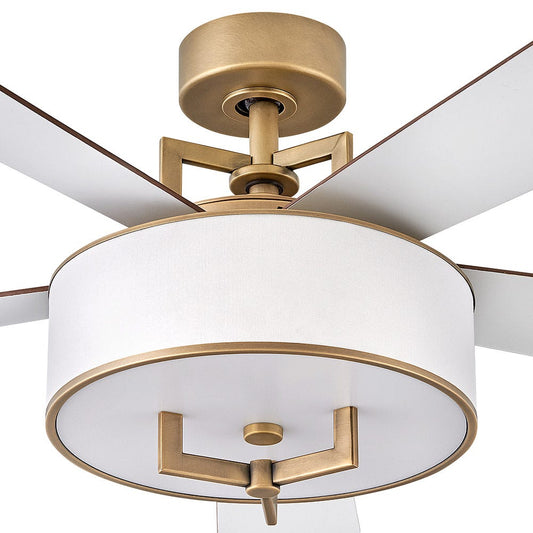
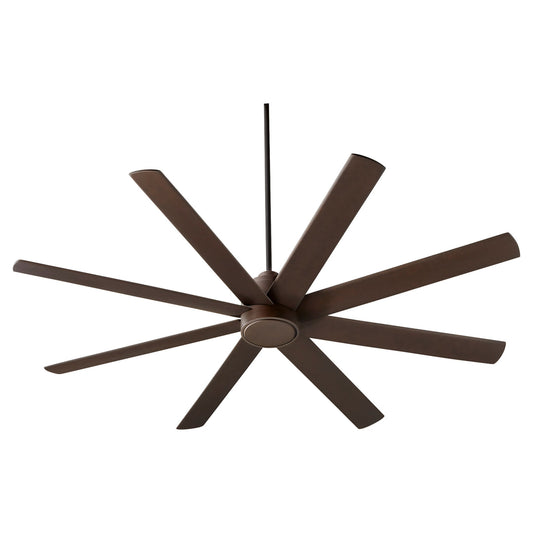
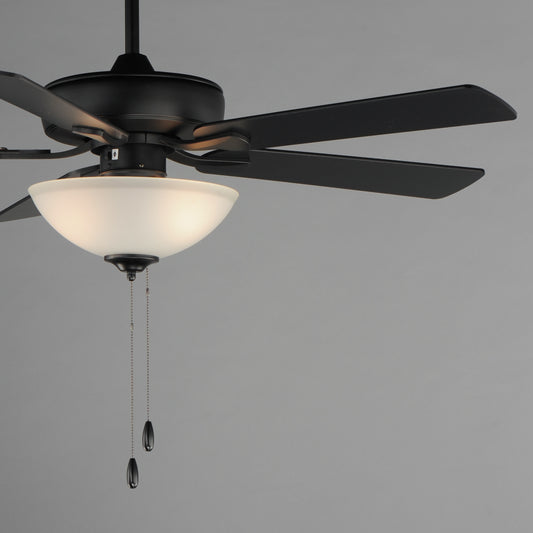
For customers who want compact-friendly designs that also work well in modern rooms, explore options on Fan & Lights. For example, you can compare styles and motor types by browsing these product pages:

Diagram of airflow arrows across a small room plan
Customer-Friendly Outcomes (Testimonials)
People choose compact ceiling fans because they want comfort without sacrificing space. Here are example outcomes customers often describe after choosing a well-fitted compact design.
“It looks right and feels better.”
One common theme is the visual fit. Customers often say the fan blends with the room instead of feeling oversized. When the placement works, the airflow also feels more balanced across the seating or sleeping area.
“Quiet comfort during daily routines.”
Many buyers focus on everyday usability. They want a fan they can run without annoying noise. When installed securely and matched to the room size, compact fans often deliver a comfortable breeze that feels steady rather than disruptive.
“Better circulation in rooms that used to feel stagnant.”
Small rooms can trap air. Compact models can help move air more effectively when the fan is positioned to support a clear airflow path. Customers frequently notice a difference in how the room feels during warm weather and how stuffy air improves.
These results are not guaranteed by luck. They come from choosing the right scale, mounting properly, and ensuring clearance so the fan can do its job.
Wrap-Up & Key Insights
Compact ceiling fans are a smart solution when you want comfort without crowding your ceiling or disrupting your room layout. By avoiding common buying mistakes, matching the fan size to your space, and planning proper mounting and clearance, you can enjoy stronger, more comfortable airflow. Use compact fans in bedrooms, kitchens, hallways, home offices, and apartments where space constraints often make standard options feel impractical.
If you are ready to upgrade your comfort and style, browse Fan & Lights and compare compact-friendly styles. Shop the right model today and feel the difference every time you turn it on.
Ready to find your fit? Shop compact ceiling fans at Fan & Lights
Q&A
Are compact ceiling fans powerful enough for comfort?
They can be, as long as you match the fan size to your room and set the fan up with correct clearance. Compact designs are built for practical spaces, and when the scale fits, you typically get noticeably better circulation without needing a large, room-dominating fan.
What ceiling height is best for compact models?
Low to mid-height ceilings are often where compact fans perform best, because the mounting and blade clearance are designed to work in tighter spaces. Measure your ceiling height and confirm clearance requirements from the product details before buying.
Where should I place a compact ceiling fan in my room?
Center it over the area where you need airflow most, such as a bed, dining zone, or seating layout. Avoid placing it where cabinets, beams, or tall furniture block the airflow path. If you have a hallway, aim for placement that supports air movement along the length of the space.
Do I need an electrician to install a ceiling fan?
If you are comfortable with electrical work and the installation requirements for your home are clear, you may be able to install it yourself. Otherwise, hiring a qualified professional is the best choice for safety and a smooth, quiet performance.
Disclaimer: Product availability, features, and specifications can vary. Always review the product page details and follow installation instructions. If you have any doubts about electrical work or mounting safety, consult a qualified professional.

An Owner of The Fan Connection, Selling Ceiling Fans for the past 15 years and been in business since 1979. Living in Florida the sunshine state, Love my pup Trooper.


