











Customizable Ceiling Fans: Choose Your Perfect Style
Updated on: 2026-07-16
If you want comfort that matches how you live, customizable ceiling fans are a smart upgrade. They let you fine-tune airflow, style, and controls so your space feels right all year. In this guide, you’ll learn what to look for, how to choose finishes and lighting options, and how to avoid common installation mistakes. You’ll also see real-world use cases and practical buying tips to help you shop confidently.
Contents
- 1. Why customizable ceiling fans solve everyday comfort problems
- 2. Step-by-step guide to choosing the right fan
- 3. Match your ceiling fan to your room style
- 4. Installation tips that protect performance
- 5. Control comfort and efficiency
- 6. A quick visual check before you buy
- 7. Tips for getting the best results
- 8. Customer-inspired scenarios that show real benefits
- 9. Visualize airflow planning
- 10. FAQs
Why customizable ceiling fans solve everyday comfort problems
Most homes don’t have one “perfect” comfort setting. Morning airflow feels different than evening airflow. A bright dining room needs style and lighting, while a bedroom needs quiet comfort. That’s where customizable ceiling fans stand out. They help you dial in comfort instead of settling for one-size-fits-all performance.
When a fan is designed to be tailored to your preferences, you get a better match for your ceiling height, room layout, and lifestyle. You also gain more control over how air moves across a space. The result is a room that feels cooler in summer, more balanced in winter, and more comfortable on demand.
Step-by-step guide to choosing the right fan
Use this checklist to choose a fan that fits your space and keeps your day-to-day comfort consistent.
-
Start with the room size. Measure the room and think about how open the space is. Larger areas usually need more air movement, while smaller rooms need good airflow without overpowering the space.
-
Check ceiling height and blade clearance. Your ceiling height affects comfort and safety. A good fit helps the fan pull air effectively while maintaining safe spacing from the floor and any fixtures.
-
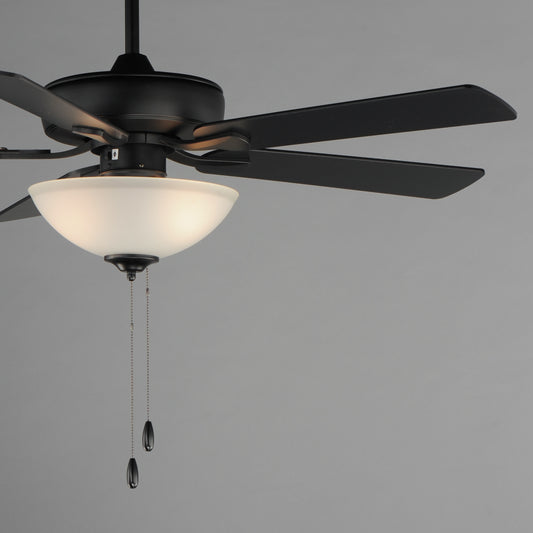
Pick the control method you will actually use. Options like wall controls, pull chains, or remote-friendly operation matter. Choose the control style that matches your routine—especially if you want quick changes without walking across the room.
-
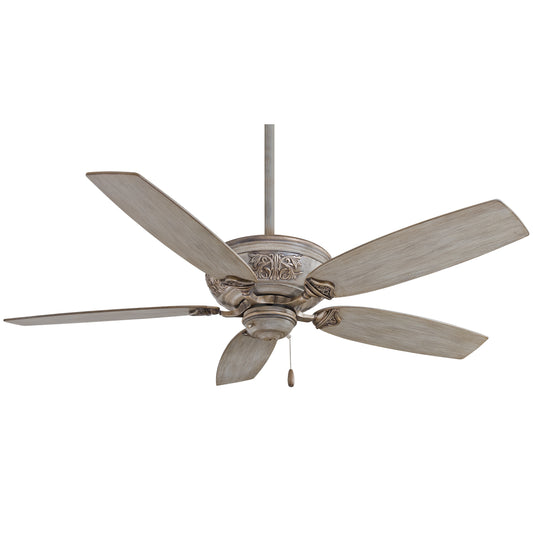
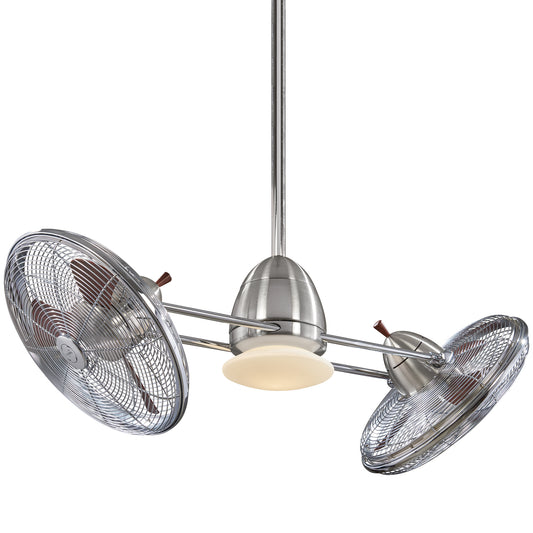
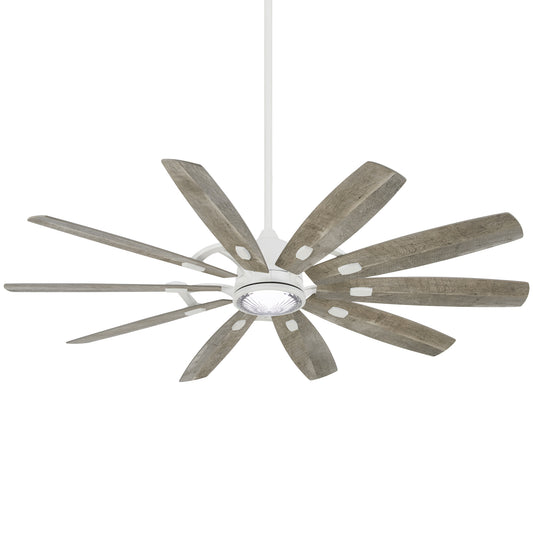
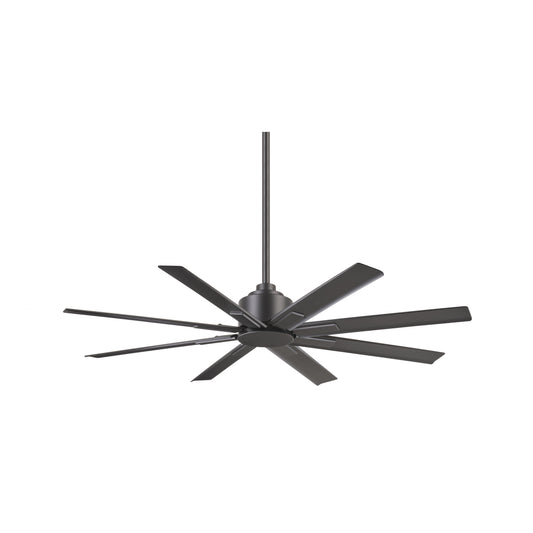
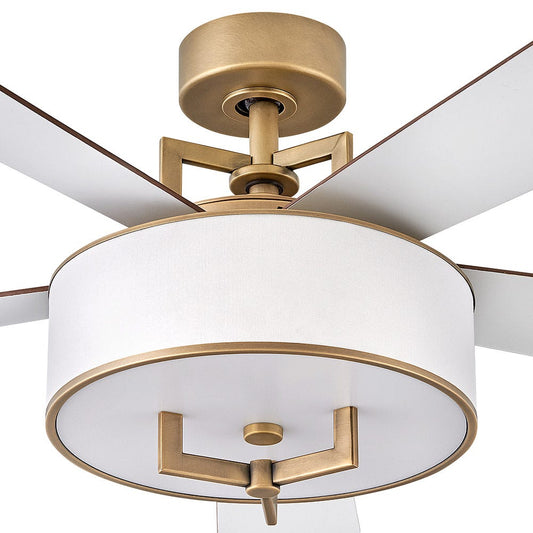
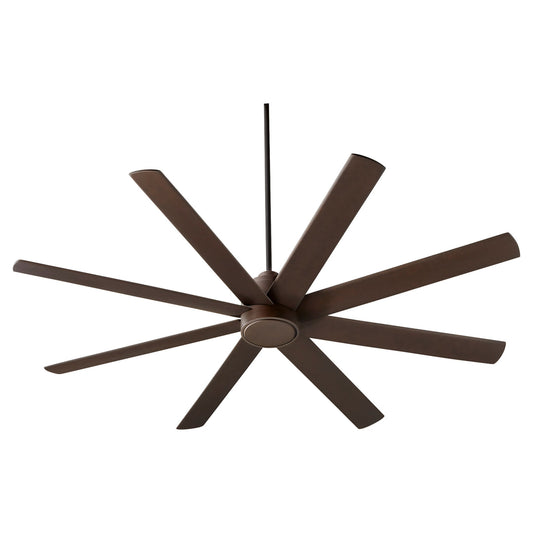
Choose the look you want to live with. Fans affect the visual tone of a room. Decide whether you want a modern profile, a classic feel, or something in between. When you can customize finishes and lighting style, the fan blends better with your decor.
-
Decide whether you want integrated lighting. If you want a single upgrade that improves lighting and airflow, look for models that pair fan performance with a compatible light setup. This can reduce the need for extra fixtures in some rooms.
-
Plan for easy maintenance. A fan you enjoy using is a fan you can maintain easily. Choose finishes and blade designs that wipe clean and look great over time.
As you narrow your choices, it helps to compare motor performance, finish compatibility, and installation requirements. If you want help seeing how different styles work, start by browsing a motor-focused option like Levon motor for a clear look at build quality and compatibility considerations.
Design and lighting features that make customization feel effortless
Customization should feel practical, not complicated. The best fan upgrades let you align airflow and lighting with how the room functions. For example, an entryway often needs a welcoming look plus airflow that makes the space feel fresh. A living room may benefit from a lighting style that supports relaxing evenings. A bedroom may prioritize calmer operation and a softer visual presence.
When you choose a ceiling fan with adaptable elements, you can keep the fan’s character while tuning it to your space. That might mean selecting a finish that matches your hardware, or pairing a lighting option that complements your wall colors and furniture tones.

Room layout sketch with airflow arrows and ceiling height markers
Installation tips that protect performance
Even the best fan won’t perform at its best if installation is rushed or mismatched to your ceiling setup. These tips help protect performance and keep airflow consistent.
- Turn off power at the breaker. This is non-negotiable. Confirm the circuit is off before wiring anything.
- Use the right mounting method. Follow your ceiling type requirements. Make sure the mounting location can support the fan safely.
- Balance and secure blades. Proper blade alignment supports smoother airflow and quieter operation.
- Verify clearance. Keep blade movement clear of low ceilings, lighting fixtures, and any protrusions.
- Set the pull chain or switch setup correctly. If you use optional controls, confirm they operate as expected before finishing the installation.
If you want a more tailored lighting + fan approach, consider models that integrate well with your room’s lighting needs. For example, exploring a product line like Doren can help you visualize how design choices and motor choices come together in real rooms.
Smart control and efficiency you can feel
Comfort isn’t just about airflow strength. It’s about how quickly you can adjust settings when your room changes. Some days you want a gentle breeze. Other days you need stronger circulation. With a customizable ceiling fan setup, the experience becomes more responsive.
Better control can also help you manage energy use. Instead of relying only on HVAC changes, you can circulate air more effectively. In warm months, ceiling fans can make a room feel cooler at the same thermostat setting. In colder months, using the fan to move air gently can help create more balanced temperatures across the room.
To maximize the benefits, set airflow direction based on season and run schedules that match how often the room is used. Then use your preferred control method so adjustments are simple.
A quick visual check before you buy
Before you finalize your choice, ask yourself three quick questions. Does the fan style fit your room? Can you place it where it will move air effectively? And does your control setup match how you want to use it day to day? If the answer is yes to all three, you’re likely choosing a fan that will feel like an upgrade, not a compromise.
Tips for getting the best results
- Match airflow to room purpose. Living spaces often benefit from balanced circulation. Bedrooms may prefer a quieter feel.
- Coordinate finishes with existing hardware. When the finish blends with cabinet pulls, light fixtures, or decor accents, the fan looks “built in.”
- Plan for lighting needs. If you want better visibility for tasks, choose a lighting approach that supports your daily routine.
- Think about furniture placement. A fan works best when airflow paths aren’t blocked by large obstacles.
- Use seasonal direction changes. Adjust airflow direction to support cooler-feeling comfort in summer and more even distribution in winter.
Customer-inspired scenarios that show real benefits
Here are a few realistic ways homeowners and renters use a customizable approach to improve comfort and style.
Scenario 1: The living room that never feels “just right”
A family upgraded their ceiling fan after noticing hot spots near the windows. With a tailored setup, they focused on airflow placement and a style that matched their media wall. The room felt more consistent, and the lighting setup supported both daytime brightness and evening relaxing.
They didn’t want a fan that looked out of place. They wanted something that improved daily comfort without looking like a temporary fix. That’s where customizable ceiling fans help—comfort meets design.
Scenario 2: A dining area that needs both air and ambiance
Another household wanted better circulation during gatherings and more inviting light during dinner. They chose a ceiling fan strategy that paired airflow with a look that complements their table setting. The upgrade reduced the need for extra lighting in some corners and made the space feel more welcoming.
When you combine fan performance with a lighting-friendly design, you can create a cohesive room experience instead of juggling separate upgrades.
Scenario 3: The bedroom with a comfort-first routine
In a bedroom, comfort is personal. One person likes a gentle breeze at night, while another prefers minimal airflow. With the right control approach, it becomes easier to set a comfortable environment without constantly changing other systems. The room also benefits from a calmer visual presence that fits the decor.
If your bedroom feels inconsistent from night to morning, a customized fan setup can help you get closer to the comfort you want.
If you want inspiration from a motor-driven approach, browse a style-forward motor option like Spitefire motor to see how design and performance can align.
Visualize airflow planning
Good customization starts with placement. Even a high-performing fan can feel less effective if it’s positioned poorly. Use simple planning to estimate where air should move and how the ceiling fan will interact with the room’s layout.

Ceiling plan with arrows showing airflow paths across seating
FAQs
What does “customizable” mean for ceiling fans?
In practice, it means you can select options that fit your room and preferences. That may include choices that affect airflow behavior, control style, and how the fan looks in your space. The goal is to help the fan feel like part of your home, not an off-the-shelf compromise.
How do I know which fan size and airflow level I need?
Start with room size and how the space is used. Open-plan areas may need stronger circulation. Smaller rooms benefit from a fan that moves air effectively without creating uncomfortable drafts. If you’re unsure, compare product specifications such as motor power, intended room fit, and blade configuration.
Can I use a ceiling fan in winter as well as summer?
Yes. Many ceiling fans can help with seasonal comfort. In warm months, airflow can create a cooling effect by moving air across the room. In colder months, using the fan with the correct seasonal direction can help redistribute warmer air and create more even comfort.
Do I need professional installation?
If you’re comfortable with basic electrical work and you have the right mounting setup, you may be able to install it yourself. However, if your ceiling wiring or mounting requirements are unclear, hiring a qualified electrician can help you install safely and ensure the fan performs as intended.
Ready to upgrade your comfort and style?
Choosing the right fan should feel exciting, not stressful. With a customizable ceiling fan approach, you can improve airflow comfort, enhance your room’s look, and create a more responsive living space. Browse Fan & Lights and find the option that matches your ceiling, decor, and control preferences. If you want a simple starting point, explore ceiling fans and compare styles. Then make your next room feel instantly better.
Want to explore more lighting and home inspiration? Visit OesenX for additional ideas.
Disclaimer: This article is for general information only and does not replace product instructions or professional advice. Always follow the installation guide for your specific fan, use appropriate safety precautions, and consult a qualified professional if electrical or mounting conditions are not clear.

An Owner of The Fan Connection, Selling Ceiling Fans for the past 15 years and been in business since 1979. Living in Florida the sunshine state, Love my pup Trooper.


