







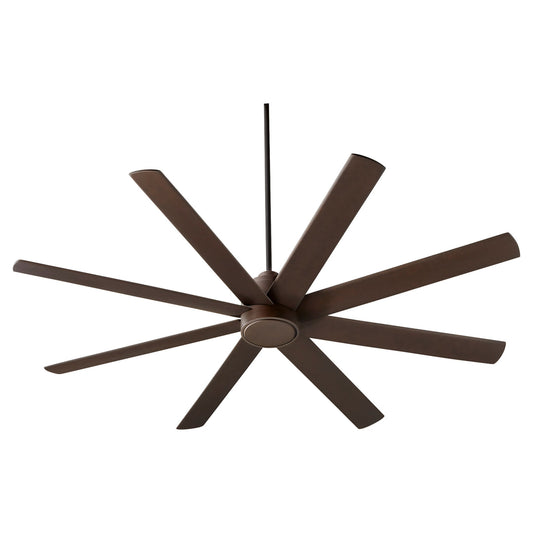


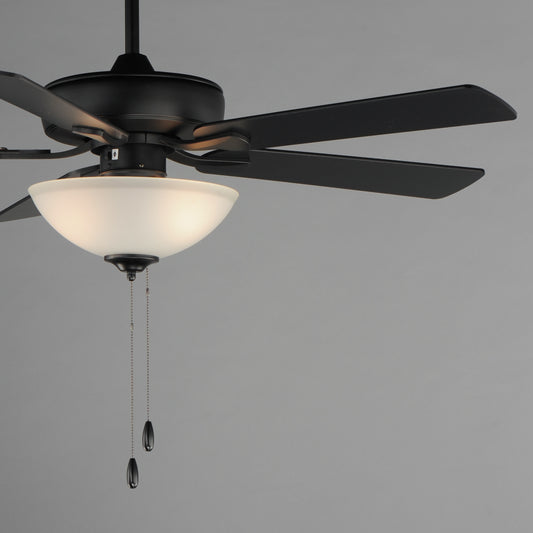


Decorative Ceiling Fans: Style Tips for Every Room
Updated on: 2026-09-26
Decorative ceiling fans do more than move air. They add visual character, soften a room’s mood, and help your space feel more comfortable year-round.
In this guide, you’ll learn how to choose the right size, finish, blade style, and light setup for your home.
You’ll also get practical installation tips, common mistakes to avoid, and buyer checklists to make shopping easier.
By the end, you’ll know exactly how to pick a fan you’ll enjoy every day—and where to shop with confidence.
- Introduction
- Common Mistakes
- Buyer’s Checklist
- How to Choose Decorative Ceiling Fans by Room Style
- Sizing and Mounting: The Comfort Sweet Spot
- Installation Tips for a Clean, Safe Finish
- Airflow and Lighting: Balance Beauty and Function
- Quiet Performance and Everyday Comfort
- Why Shop Fan & Lights for Your Update
- FAQ
- Wrap-Up & Final Thoughts
Why Decorative Ceiling Fans Upgrade Your Whole Space
When you want your home to feel finished, you look at the details. Floors, wall color, furniture placement, and lighting all shape the mood. But one element often gets overlooked: ceiling fans. Decorative ceiling fans combine airflow with style, so you get comfort and design in a single update.
Think about the rooms where you spend the most time. The living room needs an attractive focal point. The bedroom should feel calm and restful. The dining area deserves a warm, welcoming look. A well-chosen fan helps you create that “pulled together” feel—while also supporting day-to-day comfort.
Modern fan designs can look as refined as lighting fixtures. Some models include integrated lights for an even more cohesive aesthetic. Others focus on sculptural blades and finishes that elevate the ceiling. No matter your style, decorative ceiling fans can help you get the look you want with the performance your home needs.
Common Mistakes
Even great fans can underperform when they’re chosen the wrong way. Here are a few issues we see often, plus how to avoid them.
Picking size by guesswork: A fan that’s too small can feel weak. One that’s too large can overpower the room. Measure first and match the fan diameter to your space.
Ignoring ceiling height: Mounting too close to the floor can create discomfort. Clearance matters for airflow and safe operation.
Choosing style without thinking about the room: A fan finish should complement the rest of your hardware, fixtures, and furniture tones.
Forgetting light needs: If you want ambient brightness in a dining or living space, consider a fan with lighting you can actually use.
Overlooking control and comfort: If you prefer different speeds through the day, make sure your fan supports easy adjustments.
Buyer’s Checklist
Use this quick checklist before you buy. It’s built to help you choose decorative ceiling fans that fit your home and your expectations.
Room type: Living room, bedroom, entry, or covered patio-style spaces (if allowed by the product).
Ceiling height and slope: Confirm mounting compatibility. Straight ceilings are easiest, but many homes have angled or low-clearance areas.
Fan size: Match blade span to room dimensions for balanced circulation.
Finish and style: Choose a look that blends with existing hardware and lighting.
Lighting requirements: Decide if you need added illumination or mainly airflow with a decorative presence.
Airflow priorities: For larger rooms, choose a fan designed to move air effectively at comfortable speeds.
Installation readiness: Check whether your ceiling box and wiring support the fan you want, and confirm the mounting method.
Noise expectations: If you’re sensitive to sound in bedrooms, look for smooth, steady operation.
How to Choose Decorative Ceiling Fans by Room Style
Style is where decorative ceiling fans shine. To make your choice feel effortless, start with your room’s design direction. Then pick a fan finish and blade look that echoes it.
1) Modern and minimal
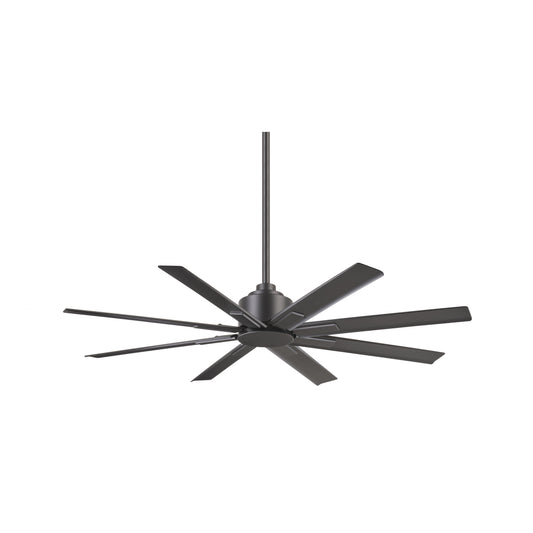
If your home leans clean-lined and simple, choose sleek fan silhouettes with a smooth finish. A low-clutter design draws attention to the airflow without adding visual noise. In these rooms, the fan often becomes a refined accent rather than a bold statement.
2) Traditional and cozy
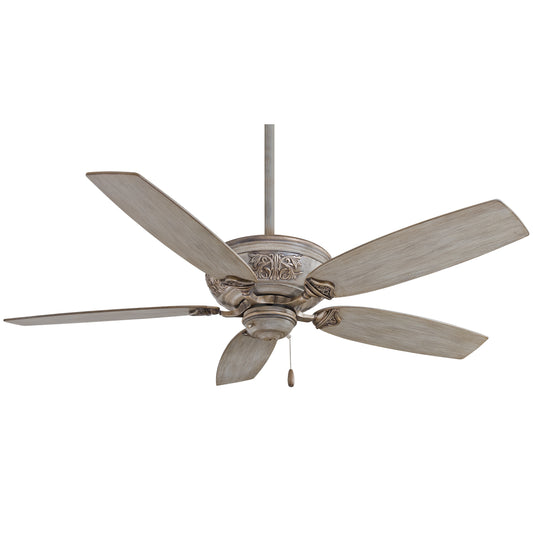
For a classic look, fans with warm tones and detailed styling pair well with traditional lighting. This is a great choice for dining areas, living rooms, and spaces that rely on layered textures.
3) Transitional and versatile
Transitional spaces balance old and new. Here, you can look for finishes that match both warm and neutral elements in the room. Decorative ceiling fans in this category often feel “right” because they blend smoothly with many decor choices.
4) Artistic statement spaces
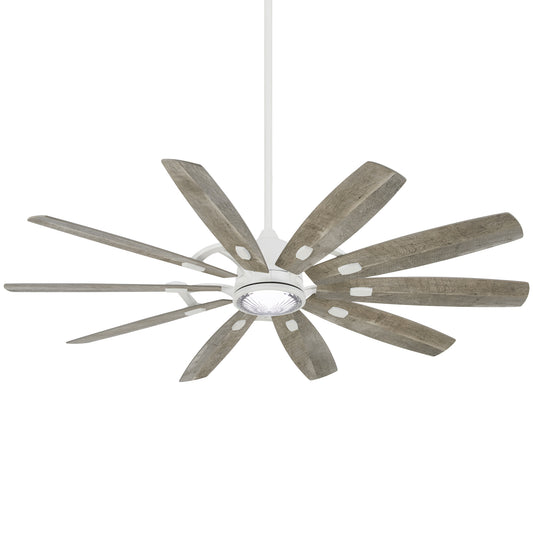
If your ceiling is a design opportunity, choose a fan that stands out in shape and finish. The goal is to make the fan look intentional—like it belongs there, not like it was added last.

Room style cues mapped to fan finish mood
When you’re ready to narrow down options, it helps to start with a motor design you trust. Fan quality affects both comfort and appearance—especially when your fan has lighting or a more visible blade style.
For example, if you want a refined look with reliable performance, consider motor-forward options like the Levon motor fan and explore how its design fits your space. If your ceiling needs a more integrated style, the Doren can be a strong direction for a cohesive upgrade.
Sizing and Mounting: The Comfort Sweet Spot
To get the comfort you’re paying for, sizing is everything. A fan that matches your room will feel effective without needing extra effort. A mismatched fan can feel underpowered or overly dominant.
Pick the right blade span
As a general rule, larger rooms need larger fans. Small bedrooms typically do better with compact spans, while open living areas benefit from a wider blade range. Use your room’s square footage as a starting point, then confirm the fan’s recommended coverage area.
Confirm clearance for comfortable airflow
Air needs space to circulate. Mounting height affects how evenly the airflow spreads and how comfortable the breeze feels. Aim for a setup where airflow doesn’t blow directly at seating or beds. When in doubt, choose a mounting method that keeps the fan positioned correctly for your ceiling height.
Choose the right mounting style
Some rooms can support a standard mount. Others need a flush or close-to-ceiling option to maintain safe clearance. If you have limited vertical space, pay close attention to mount compatibility before purchasing.
Installation Tips for a Clean, Safe Finish
A great fan deserves a great install. Decorative ceiling fans are often mounted in visible locations, so a careful setup helps the final look stay polished and secure.
Turn off power first: Always switch off the circuit at the breaker before touching wiring.
Use a properly rated ceiling box: The fan needs a stable mounting point designed for ceiling fans.
Follow blade and housing alignment: Proper alignment helps reduce wobble and supports smooth operation.
Balance for steady performance: If your model includes balancing steps, complete them. A balanced fan feels calmer.
Test with all speeds: Verify speed control and confirm there’s no unusual sound.
If you’re not fully confident with wiring or mounting, consider hiring a qualified installer. The right professional setup can protect your safety and help ensure your fan looks perfect from day one.
Airflow and Lighting: Balance Beauty and Function
One reason homeowners love decorative ceiling fans is that they solve more than one problem. Air circulation improves comfort, while built-in lighting can replace or enhance ceiling fixtures.
When you want added brightness
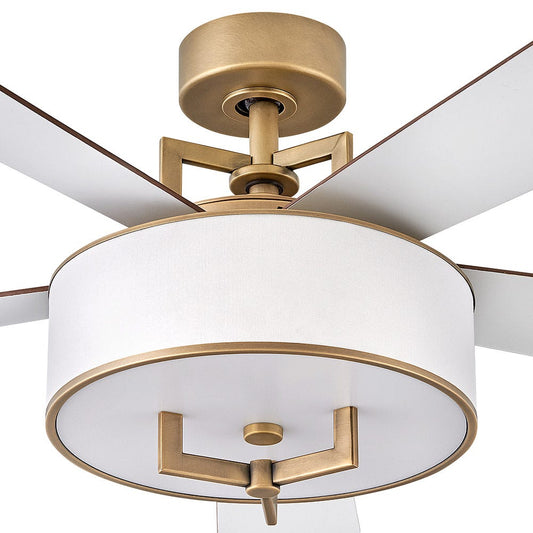
If the room feels dim or your current lighting is too focused, a fan with integrated lights can create a softer, more welcoming glow. It’s especially helpful in dining areas, hallways, and living rooms where you want both ambiance and everyday visibility.
When you want a calmer look
If you already have great lighting and your main goal is airflow and style, you can choose a fan that focuses on design presence. In bedrooms or reading spaces, this often creates a more relaxed atmosphere.

Ceiling light glow paired with balanced airflow arrows
No matter which direction you choose, consider how you’ll use the room. Decorative ceiling fans work best when they match your daily routines. Think about when you need comfort most—morning, evening, or the times you host guests.
Quiet Performance and Everyday Comfort
Comfort is more than temperature. It’s also about how a fan feels in daily life. You want steady air movement without irritating noise, especially in bedrooms or quiet spaces.
Quality motor design and smooth blade behavior can help a fan feel calm. That’s why many buyers prioritize fan operation as much as visual design. You’re not just installing a decor item—you’re installing a daily comfort system.
When you browse options, look for fans that are designed to run smoothly across speeds. This can help you create the right atmosphere without turning your fan into an unwanted background noise.
If you want lighting and style in a coordinated look, you might also explore fan options such as the Celano v2 for a modern feel, or the Airflush for a close-to-ceiling direction where clearance is limited.
Why Shop Fan & Lights for Your Update
Shopping for decorative ceiling fans should feel simple, not stressful. At Fan & Lights, the focus is on bringing together style, performance, and a clean shopping experience for homeowners who want their space to look intentional.
When you choose from a curated collection, you can shop with confidence that the design direction you like is paired with product features built for everyday living. That means fewer mismatched surprises and more peace of mind when you’re ready to upgrade.
And if you enjoy exploring home goods beyond fans and lighting, you can also check out Winter Dream for additional inspiration for your space.
FAQ
How do I know what size decorative ceiling fan I need?
Start by measuring your room and comparing it to the fan’s recommended coverage. Larger rooms typically need wider blade spans for balanced airflow, while smaller rooms benefit from compact sizing. If you’re between sizes, consider your seating layout and how much air movement you want at the center of the room.
Are decorative ceiling fans with lights worth it?
They’re worth it when you need more than airflow. If your room feels dim or you want a more cohesive ceiling look, an integrated light can reduce the need for extra fixtures. If you already have strong lighting, you can prioritize design and airflow instead.
Will a ceiling fan make my room feel cooler?
Ceiling fans create a wind-chill effect that can make you feel more comfortable. The airflow helps you stay at ease during warm weather, and steady circulation can also support year-round comfort when used appropriately with your HVAC settings.
What’s the best mounting option for low ceilings?
For lower ceilings, a close-to-ceiling or flush-style mount is often the best fit. The goal is to maintain safe clearance from the floor while keeping airflow effective. Always verify the product’s mounting requirements before purchasing.
Wrap-Up & Final Thoughts
Decorative ceiling fans are one of the smartest home upgrades because they add style and comfort at the same time. When you choose the right size, match the finish to your design direction, and confirm proper mounting height, you’ll enjoy a fan that looks right and performs even better.
Use the checklist in this guide to narrow down options quickly. Then make your decision based on the room’s needs: airflow, lighting, and everyday comfort. Finally, shop with purpose and choose a fan you’ll feel proud of every time you walk into the room.
Ready to upgrade? Browse Fan & Lights for decorative ceiling fans that fit your space and style, and pick the look that turns your ceiling into the feature it was meant to be.

An Owner of The Fan Connection, Selling Ceiling Fans for the past 15 years and been in business since 1979. Living in Florida the sunshine state, Love my pup Trooper.


