











Designer Ceiling Fans Guide to Elegant Airflow in Homes
Updated on: March 6, 2026
Designer ceiling fans combine elegant aesthetics with powerful air circulation, transforming any room into a stylish sanctuary. These modern fixtures serve as both functional cooling solutions and decorative centerpieces that enhance interior design. Whether you need energy-efficient cooling, whisper-quiet operation, or smart home integration, premium ceiling fans deliver performance without compromising on visual appeal. Discover how the right fan selection can elevate your space while keeping your home comfortable year-round.
Table of Contents
- How Designer Ceiling Fans Transform Your Living Space
- How to Choose the Perfect Fan for Your Home
- Installation and Setup Guide
- Maintenance and Care for Longevity
- Frequently Asked Questions
How Designer Ceiling Fans Transform Your Living Space
When most people think about home improvement, they focus on paint colors or furniture. However, designer ceiling fans offer a transformative solution that goes beyond basic cooling. These sophisticated fixtures serve as statement pieces that anchor a room's design while providing essential air circulation. A well-chosen fan can define your interior aesthetic, whether your style leans toward modern minimalism, industrial chic, farmhouse charm, or classic elegance.
The visual impact of a designer ceiling fan cannot be overstated. Unlike traditional fans hidden in the shadows, contemporary designs feature striking blade shapes, premium finishes, and integrated lighting options that draw the eye upward and expand the visual space. This elevation of design awareness means your fan becomes a focal point that guests notice and admire, rather than overlooked functional equipment.
Beyond aesthetics, premium ceiling fans improve air circulation efficiency throughout your space. By gently pushing air downward in winter and creating subtle updrafts in summer, these fans help maintain consistent temperatures and reduce reliance on heating and cooling systems. This dual-season functionality makes designer ceiling fans an investment in both comfort and energy savings that pays dividends year after year.

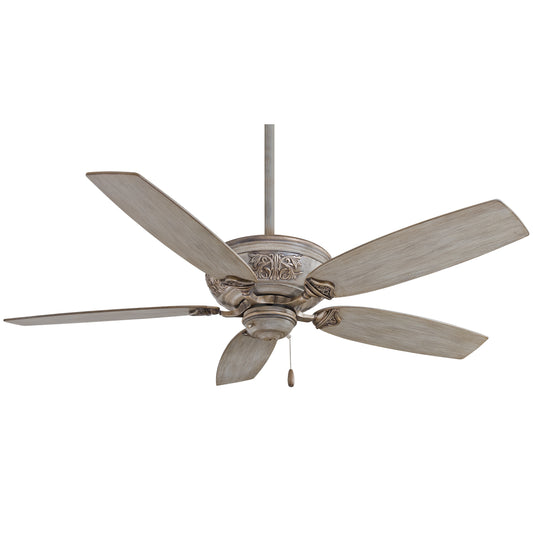
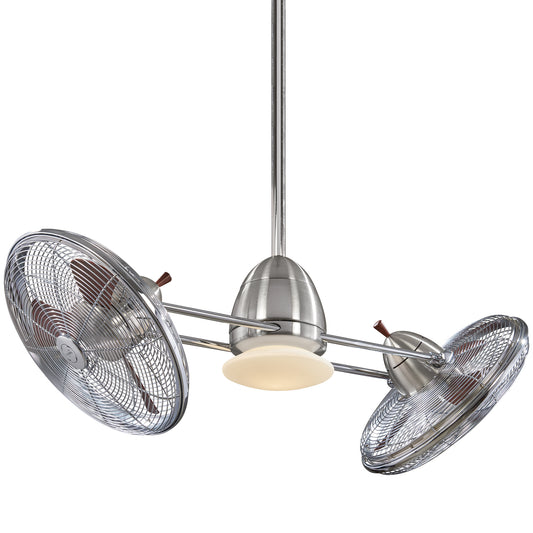
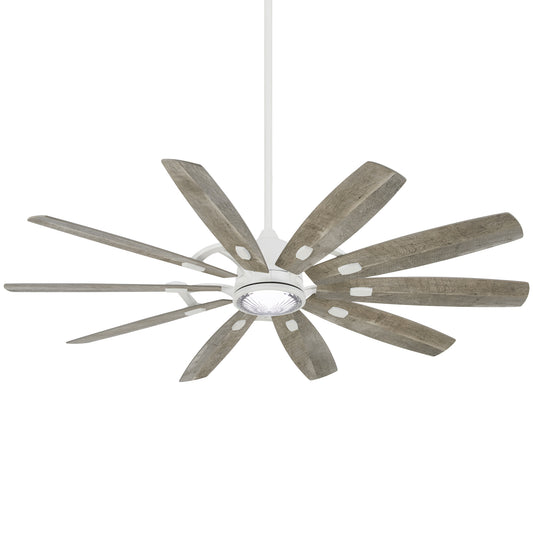
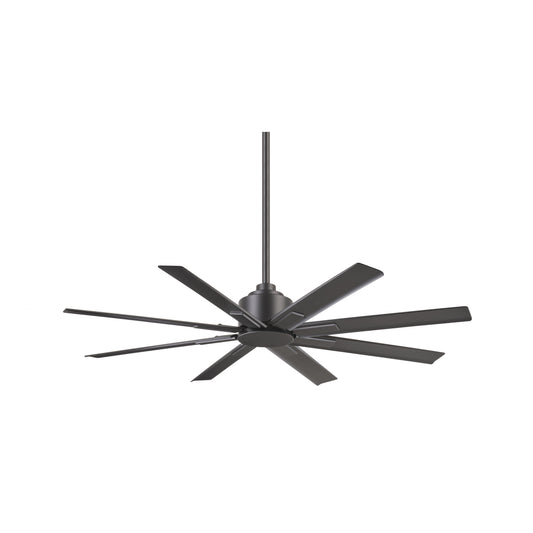
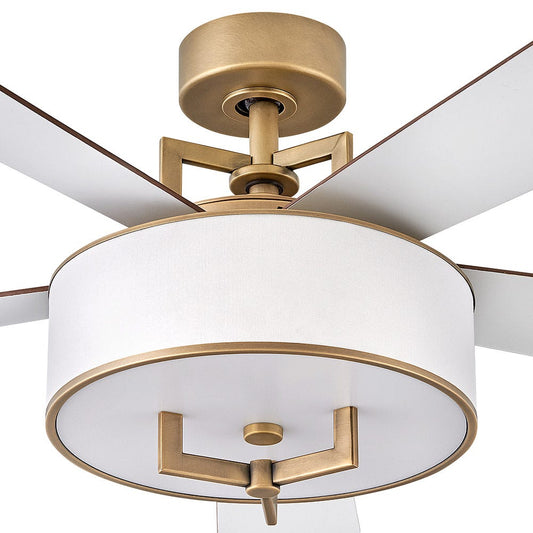
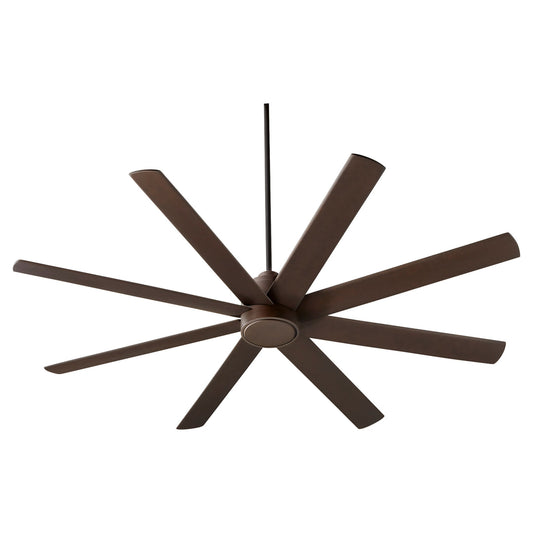
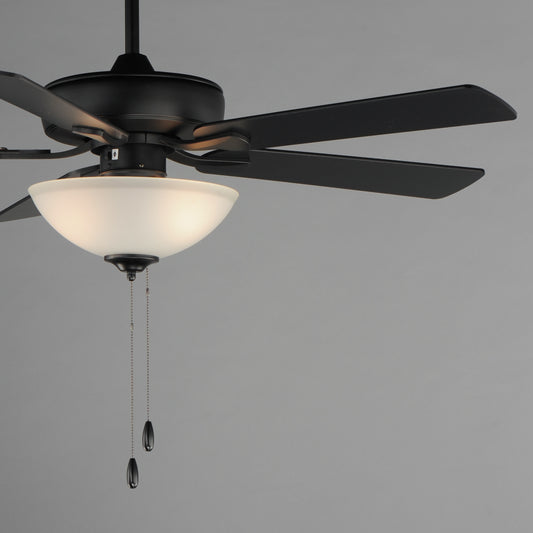
Modern fan designs featuring sleek blades, ambient lighting, and contemporary finishes in living spaces.
How to Choose the Perfect Fan for Your Home
Selecting the ideal designer ceiling fan requires thoughtful consideration of several key factors. Room size stands as the primary consideration, as fans come in various blade spans from 36 inches for compact spaces to 56 inches or larger for expansive areas. The general rule suggests measuring your room in square feet and matching fan blade diameter accordingly for optimal air circulation coverage.
Step 1: Measure Your Room and Ceiling Height
Before shopping for designer ceiling fans, measure your room dimensions and note your ceiling height. Standard ceiling heights range from eight to nine feet, which accommodate most fans without requiring downrods. Rooms with cathedral or vaulted ceilings may need longer downrods or angled mounting hardware to maintain adequate clearance from the ceiling and ensure safe blade rotation.
Step 2: Consider Your Design Aesthetic
Your home's interior style should guide your fan selection. Modern minimalist homes benefit from sleek, low-profile fans with clean lines and neutral finishes. Traditional spaces call for ornate designs with decorative details and warm metals like bronze or brass. Transitional interiors work well with versatile designs that blend contemporary and classic elements, while industrial-style homes suit fans featuring exposed motors and metal accents.
Step 3: Evaluate Performance Features
Performance capabilities vary significantly among premium models. Look for fans with multiple speed settings, reversible motors for seasonal use, and quiet operation ratings measured in decibels. Energy-efficient models bearing ENERGY STAR certification consume less electricity while delivering superior airflow. Some advanced fans offer smart home compatibility, allowing remote control via smartphone or voice command integration with popular smart home systems.
Step 4: Select Integrated Lighting Options
Many designer ceiling fans incorporate integrated light fixtures, eliminating the need for separate ceiling lights and creating cohesive design statements. Options range from simple frosted glass shades to elaborate multi-light configurations. Consider your room's lighting needs and existing fixtures when deciding whether integrated lighting suits your space. Some fans work perfectly with separate track lighting or wall sconces, while others benefit from the convenience of built-in illumination.
Step 5: Review Material Quality and Finishes
Premium materials ensure longevity and maintain appearance over time. Stainless steel blades resist rust and deterioration, while solid wood or quality composite blades add warmth and durability. Metal finishes range from polished chrome and brushed nickel to oil-rubbed bronze and matte black, each offering distinct aesthetic appeals and varying maintenance requirements.
Installation and Setup Guide
Proper installation ensures your designer ceiling fan operates safely and performs optimally. While many homeowners successfully install fans themselves, electrical work may require professional assistance depending on local codes and your comfort level with wiring.
Begin by turning off power to the existing ceiling fixture at your circuit breaker. Remove any old lighting fixtures and carefully disconnect wiring, labeling wire connections for reference. Most modern homes have standard electrical boxes rated for ceiling fan weight, but older installations may require box upgrades before mounting new equipment.
Follow manufacturer instructions precisely when assembling fan components and attaching blades. Ensure the downrod is securely fastened and all mounting hardware is tightened completely. The fan canopy should sit flush against the ceiling, with no gaps that might allow dust infiltration. Check that blades maintain even spacing around the motor housing and rotate smoothly without wobbling.
Wire connections require careful attention, matching black to black, white to white, and green to ground. Some fans include light kits with separate wire sets for controlled operation. Once wiring is complete, restore power at the circuit breaker and test all fan speeds and lighting functions before completing the installation.

Installation components including downrods, mounting brackets, and electrical connections properly secured and aligned.
Maintenance and Care for Longevity
Regular maintenance preserves your designer ceiling fan's appearance and performance throughout its lifespan. Dust accumulation on blades reduces efficiency and detracts from visual appeal, making quarterly cleaning essential in most homes.
To clean fan blades, turn off the power and allow the fan to stop completely. Use a soft-bristled brush or microfiber cloth to gently remove dust, working from the top of each blade downward to prevent debris falling onto furniture below. For stubborn grime, dampen the cloth slightly with water or mild cleaning solution, but avoid excessive moisture that might damage finishes or motor components.
Check mounting hardware periodically to ensure all fasteners remain tight. Vibration over time can loosen connections, potentially causing wobbling or noise. A simple tightening pass every six months prevents problems before they develop. Inspect the canopy and downrod for any visible damage or deterioration, addressing issues promptly to prevent further damage.
For fans with integrated lighting, replace bulbs following manufacturer recommendations and ensure proper wattage to avoid electrical strain. Most modern fans use energy-efficient LED bulbs that rarely require replacement, but check specifications for any limitations or compatibility requirements.
Consider upgrading to a fan with advanced motor technology when replacing aging equipment. Newer designs offer improved efficiency, reduced noise, and enhanced reliability compared to older models, making upgrades worthwhile investments in home comfort and style.
Frequently Asked Questions
Can designer ceiling fans work in bathrooms or damp environments?
Most standard designer ceiling fans are not suitable for bathrooms or wet locations due to moisture exposure. However, specialized wet-rated and damp-rated models exist specifically for these environments. Wet-rated fans feature sealed motors and rust-resistant materials designed to withstand constant moisture and humidity. When selecting a fan for a bathroom, verify the manufacturer's rating and choose accordingly to ensure safety and longevity.
How much noise should I expect from a quality designer ceiling fan?
Premium designer ceiling fans typically operate between 25 and 45 decibels depending on speed settings. To put this in perspective, normal conversation measures around 60 decibels, so quality fans run remarkably quietly even at higher speeds. Older fans and budget models often generate more noise, while advanced designs prioritize whisper-quiet operation through improved motor technology and blade aerodynamics. Test a fan at different speeds in-store when possible to evaluate noise levels before purchasing.
Will a designer ceiling fan significantly reduce my energy bills?
Designer ceiling fans consume minimal electricity compared to air conditioning systems, typically using 15 to 90 watts depending on motor size and speed. When used strategically, fans allow you to increase thermostat settings by several degrees while maintaining comfort, potentially reducing cooling costs by 10 to 40 percent. This energy savings increases in homes with high ceilings or open floor plans where fans effectively distribute air that otherwise stratifies near the ceiling. While fans alone won't dramatically slash energy bills, their modest operating cost combined with reduced air conditioning usage provides noticeable savings over time.
Transform your home with the perfect designer ceiling fan that balances style and functionality. Whether you prioritize architectural elegance, whisper-quiet operation, or smart home integration, premium fans deliver lasting value for any interior design. Explore our curated collection of contemporary designs that elevate spaces while providing superior air circulation year-round. Shop now and discover how the right fan becomes an essential component of your home's design and comfort equation.
For inspiration on incorporating fans into broader design schemes, visit Samara Designs Studio for expert interior design guidance.

An Owner of The Fan Connection, Selling Ceiling Fans for the past 15 years and been in business since 1979. Living in Florida the sunshine state, Love my pup Trooper.


