

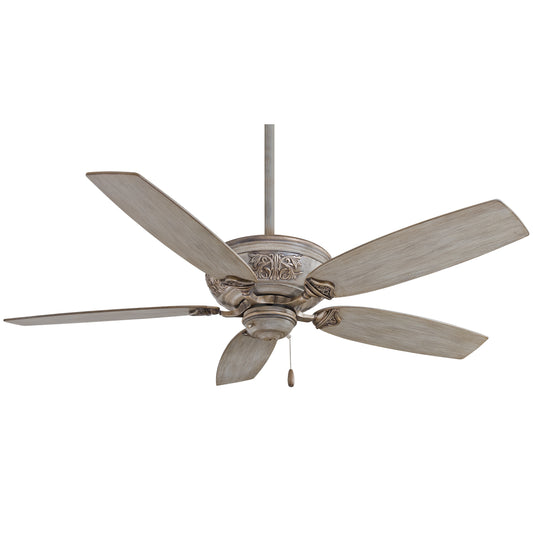


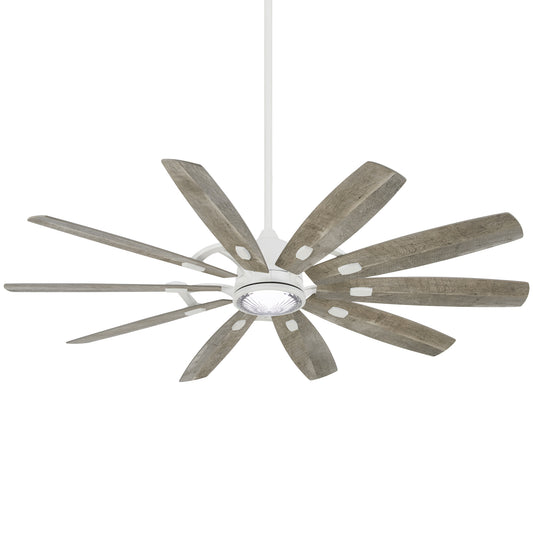

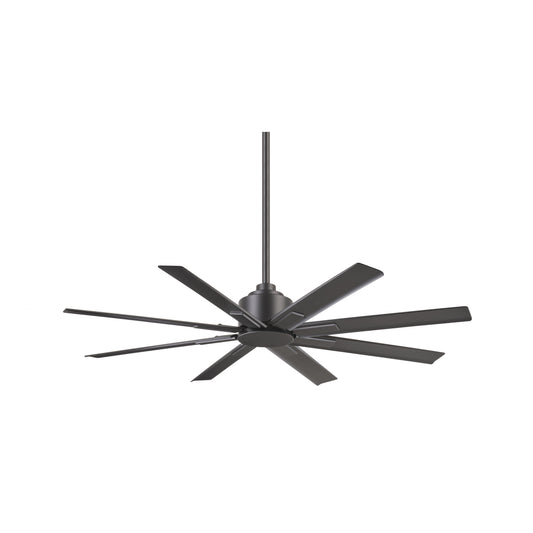

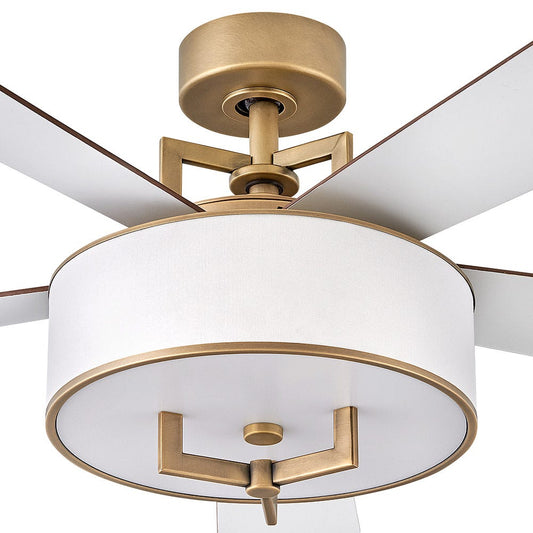






Designer Ceiling Fans: Style, Comfort, and Key Features
Updated on: 2026-09-04
Designer ceiling fans blend comfort, airflow, and style in one upgrade. If your rooms feel stuffy, look dated, or waste energy, the right fan can change how your space feels every day. This guide shows how to choose the right size, finish, and airflow features for your layout. You will also find practical installation tips and real shopper feedback so you can buy with confidence.
Table of Contents
- How to Choose Designer Ceiling Fans That Fit Your Space
- Sizing, Airflow, and Mounting: Get the Comfort Right
- Styling and Finish: Match Your Room’s Look
- Installation Tips for a Clean, Pro-Level Finish
- Why Shop Designer Models From Fan & Lights
- FAQ
How to Choose Designer Ceiling Fans That Fit Your Space
Designer ceiling fans are more than décor. They are a practical solution for rooms that feel too warm, too still, or simply unfinished. When you pick the right fan, you get steady airflow, smoother temperature comfort, and a look that feels intentional. The best part is that many modern designs also complement lighting, so you can upgrade your space in one step.
Start by thinking about your daily needs. Do you want stronger cooling in a living room? Do you need quiet comfort in a bedroom? Are you upgrading a dining area where guests notice details? Then narrow down your priorities based on three factors: size, airflow, and style. If those are aligned, the fan will perform well and look even better.
Look for features that match how you live
Different rooms call for different airflow control. Many shoppers prefer fans with multiple speed options so they can fine-tune comfort. If your home is open-plan, you may want a design that circulates air through larger spaces. If you live where humidity can feel high, reliable performance becomes even more important.
Next, consider the mounting style. Standard downrod mounting can work for many rooms, while low-profile options can be ideal when ceiling height is limited. Choosing the right mounting method helps the blades move air effectively without making the room feel cramped.

Ceiling fan shapes with airflow arrows and room zones
Sizing, Airflow, and Mounting: Get the Comfort Right
The fastest way to feel disappointed with a fan purchase is to choose the wrong size. A fan that is too small may not move enough air. One that is too large can feel overpowering and may not fit the room layout. For designer ceiling fans, size and mounting are also part of the aesthetic. When the blade span is right, the fan looks balanced and clean.
Choose blade span based on room size
Use your room dimensions as your starting point. As a general rule, larger rooms need a larger blade span to circulate air effectively. Smaller rooms benefit from a compact design so airflow reaches the space without wasting energy. If you are unsure, measure the room and compare it to the fan’s recommended coverage.
Also think about where the fan will sit. In dining areas, you want comfortable airflow across seating, not just in one corner. In bedrooms, aim for gentle circulation where it helps you feel comfortable while you rest.
Plan clearance for smooth operation
Clearance matters for both safety and performance. Blades need enough space to avoid obstruction and to keep airflow consistent. Consider the ceiling fan’s height relative to doors, windows, and ceiling fixtures. If your room has tricky angles or beams, plan for a stable mounting location before ordering.
Match mounting type to ceiling height
If you have lower ceilings, a flush or low-profile configuration can look sleek and help keep the fan from feeling too low. For standard ceilings, a downrod style can create the right distance for the blades to move air. Either option can look designer when the finish and blade design match your décor.
Styling and Finish: Match Your Room’s Look
Designer ceiling fans shine when they complement your existing style. Whether your home leans modern, traditional, coastal, or transitional, the right finish helps your fan feel like part of the room instead of an afterthought. Start by choosing a finish direction. Many shoppers match the fan finish to light fixtures, cabinet hardware, or door hardware for a cohesive look.
Pick blades and finishes that elevate your décor
Consider how the fan will appear at different times of day. In bright daylight, blade color and sheen become more visible. At night, lighting integration can change the overall mood. If you want a warm, inviting ambiance, look for models that pair well with your preferred bulbs and lamp style.
Also think about visual weight. Fans with clean lines and streamlined blades can feel airy in smaller rooms. Fans with more detail can create a focal point in living rooms and entryways. Your goal is balance: the fan should stand out, but it should still feel like it belongs.
Use lighting to create zones
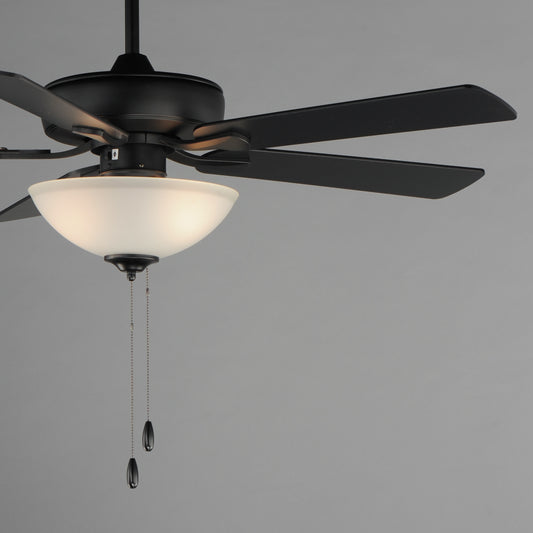
Many designer ceiling fans include integrated light kits or compatible lighting options. This is useful for creating visual zones. For example, in a dining room you can use the fan’s light to highlight the table. In a family room, lighting can help define the seating area. When style and light work together, the room looks finished.
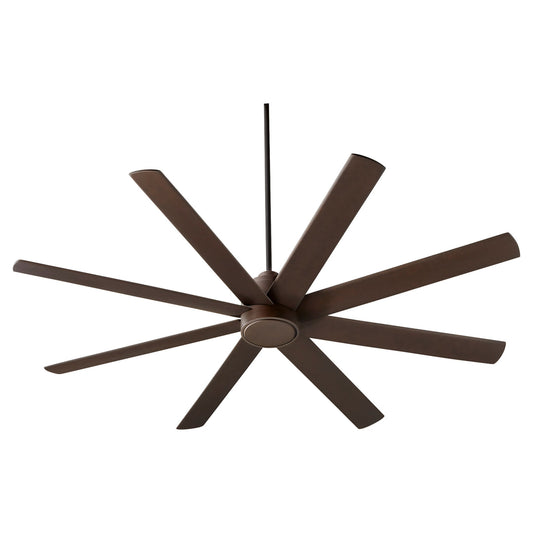
If you want a more modern feel, explore options like Axis motor ceiling fan for a streamlined look. Prefer something with a classic touch? The Estate ceiling fan can add a timeless vibe that pairs well with traditional décor.

Room styling board with finishes, lighting glow, and balance
Installation Tips for a Clean, Pro-Level Finish
You do not need to be a contractor to install a fan that looks great. With the right preparation and a careful approach, you can achieve a neat, safe result. If you are replacing an existing ceiling fan or lighting fixture, you may already have some of the wiring you need. Still, always confirm compatibility with your electrical setup.
Turn off power and inspect the wiring
Before you start, switch off power at the breaker. Then verify that the wiring is stable and that the mounting location is secure. If you notice loose connections or outdated wiring, address those issues before proceeding.
Secure mounting hardware for stability
Stability is key for smooth operation. Make sure the bracket is firmly attached to the ceiling structure. Use the correct screws and follow the included instructions so the fan will mount securely. A solid mount reduces wobble and helps keep the airflow steady.
Balance blades for quiet comfort
Even the best designer ceiling fans benefit from proper blade alignment. Carefully check each blade and fastener. If your model includes balance steps, follow them. Balanced blades help minimize noise and create a smooth feel, especially in bedrooms.
Test multiple speeds and the light kit
After installation, test the fan at low speed first, then increase gradually. Confirm that airflow feels right in the room and that the fan runs smoothly. If your unit has a light feature, test it separately as well.
Want a design-forward upgrade that is built for everyday comfort? Consider pairing your fan choice with options like Amped ceiling fan for a modern statement, or a versatile pick like Doren ceiling fan when you want a balanced look.
Why Shop Designer Models From Fan & Lights
Shopping for designer ceiling fans is easier when the details are handled. At Fan & Lights, you can find fans that focus on design, comfort, and practical features for real homes. That means it is simpler to move from “shopping inspiration” to “installed and enjoying it.”
Designed to look good from every angle
Many homeowners want a fan that feels like décor. We focus on models that bring style to your ceiling, not just movement. When the blades, finish, and lighting work together, the result is a room that feels curated.
Comfort that fits how you use your rooms
Whether you are cooling a living area, improving comfort in a bedroom, or adding the finishing touch to a dining space, the right fan can make the whole home feel better. The goal is steady circulation and reliable control so you can adjust to different comfort needs.
Shoppers notice the difference
Many customers highlight how their rooms feel more comfortable after switching to a design-forward fan. They often mention that the airflow feels stronger where it matters and that the fan becomes a visual focal point. They also value when installation feels straightforward and the finished look looks clean.
One common theme from customer feedback is satisfaction with the overall “finished” look. People tend to say the fan makes the room feel updated, even when they only changed one element. That is exactly what designer ceiling fans are meant to do: upgrade the space while improving how it feels.
Ready to upgrade your space?
Shop designer ceiling fans at Fan & Lights and find the right blend of airflow and style for your home. Browse today, compare options, and choose a finish that matches your décor. Your ceiling deserves a standout upgrade—start shopping now.
Shop ceiling fans and lighting
FAQ
What size designer ceiling fan do I need for my room?
Choose based on room dimensions and the fan’s recommended coverage. Larger rooms generally require a larger blade span for effective circulation. If you are between sizes, consider your room layout and how centrally the fan can be mounted.
Can I install a designer ceiling fan in a room with low ceilings?
Yes, as long as you pick a mounting style that fits your ceiling height. Low-profile or flush configurations can help keep the fan from hanging too low. Always check clearance and ensure the blades will not hit any fixtures or obstructions.
Do designer ceiling fans help with comfort year-round?
They can. Many ceiling fans provide adjustable speeds, which lets you fine-tune comfort as temperatures change. Using the fan appropriately can help improve air circulation and make rooms feel more comfortable.
Do ceiling fans with lights replace my existing light fixture?
Often, yes. If your setup supports a compatible fan/light installation, a fan with an integrated light kit can simplify your upgrade. Always review the included components and confirm wiring compatibility before installing.
Disclaimer: Always follow the manufacturer’s installation instructions and local electrical codes. If you are unsure about wiring, mounting, or ceiling structure, consult a qualified electrician or installer.

An Owner of The Fan Connection, Selling Ceiling Fans for the past 15 years and been in business since 1979. Living in Florida the sunshine state, Love my pup Trooper.


