











Durable Ceiling Fan Materials: What Lasts and Why
Updated on: 2026-10-01
Choosing a ceiling fan is more than picking a style. It also comes down to performance over time, especially when materials face heat, moisture, and daily use. Durable ceiling fan materials help the fan keep its balance, quieter operation, and dependable airflow season after season. This guide explains what to look for, how to match the right fan to your space, and which product features make a real difference. You will also find practical maintenance tips and real-world buying considerations to help you choose with confidence.
Table of Contents
- Pros & Cons of Durable Ceiling Fan Materials
- Step-by-Step Practical Guide to Choose Durable Materials
- Where Durable Materials Matter Most
- Maintenance That Protects Performance
- Wrap-Up
- Q&A
Pros & Cons of Durable Ceiling Fan Materials
When you shop for a ceiling fan, durable ceiling fan materials are a key driver of long-term comfort. The right build can reduce wobble, limit corrosion, and keep blades moving smoothly. It also helps your investment stay attractive and reliable through changing temperatures and everyday demands.
Pros
- Stronger long-term airflow: Materials that resist warping keep blade pitch consistent, so airflow stays steady.
- Quieter operation: Rigid, well-finished components tend to reduce vibration that can create noise over time.
- Better resistance to humidity: When parts are designed to handle moisture, you lower the risk of rust and finish breakdown.
- Improved stability: Balanced, solid construction helps reduce wobble and “off-axis” movement.
- More consistent look: Finishes that hold up to heat and sunlight keep the fan attractive.
Cons
- Higher upfront cost: Fans with higher-grade components may cost more than basic models.
- Not all “premium” claims are the same: You still need to check build details, finishes, and intended installation location.
- Care still matters: Even durable parts can degrade if you skip cleaning or place the fan in the wrong environment.
In short, durable materials are usually worth it. The payoff shows up as smoother airflow, fewer performance issues, and a fan that looks good longer.

Blade stiffness, balance, and airflow arrows in motion
Step-by-Step Practical Guide to Choose Durable Materials
Use this simple process to find a ceiling fan that matches your room and holds up. The goal is to align your space needs with the fan’s construction, motor design, and finishing.
Step 1: Match the fan to the installation environment
Start with where the fan will live. Kitchens, entryways, bedrooms, and living rooms have different heat and humidity patterns. If the room sees moisture or temperature swings, prioritize materials and finishes built to resist those conditions. For areas with higher humidity, choosing a fan engineered for damp or humid use can make a big difference.
Step 2: Evaluate the blades and blade mounts
Blades often take the most stress from airflow. Look for blades that are less likely to warp, crack, or loosen at the mount points. Rigid blade construction supports consistent pitch and helps keep the fan balanced. Also check for secure mounting hardware, because loose connections can gradually create wobble.
Step 3: Look for motor build quality and reliability
The motor drives everything: speed control, smooth rotation, and overall sound level. A motor designed for steady performance helps reduce friction-related wear. If you want a fan that feels “smooth” from day one and stays that way, prioritize motor reliability and stable internal components.
Step 4: Assess finish resistance and care needs
Even durable materials can be stressed by harsh cleaning or long-term exposure to direct heat. Choose finishes that handle routine dusting and light cleaning. If you plan to wipe the fan often, make sure the finish can take gentle maintenance without fading or peeling.
Step 5: Confirm the mounting and airflow targets
A durable fan is only helpful if it fits the room. Measure ceiling height and confirm the mounting style works for your space. Then consider airflow needs: larger rooms may need more powerful circulation or more blade surface area to distribute air evenly.
Step 6: Pick a fan that fits how you actually use your space
Do you run the fan daily, or only seasonally? Do you prefer quiet airflow for sleeping, or stronger circulation for gatherings? Choosing a fan that matches your schedule helps you get durable performance because the fan won’t be pushed beyond what it was designed to handle.
Where Durable Materials Matter Most
Durability becomes especially important when your ceiling fan is exposed to daily stressors. If you want your fan to stay stable and look great, these are the common places where durable construction makes a visible difference.
Living rooms with high visibility
Living rooms often become the focal point. When a fan uses durable materials, you reduce the chance of blade warping or finish deterioration that can turn into a noticeable wobble or dull appearance.
Dining areas and open-plan spaces
Open-plan living can mean longer run times and broader air movement. Stable construction helps the fan keep smooth rotation, which supports more comfortable airflow for meals and gatherings.
Bedrooms where quiet operation matters
In a bedroom, even minor vibration can feel distracting. Durable components help the fan operate with smoother balance, which supports a more peaceful atmosphere at night.
Kitchens and utility-adjacent rooms
Kitchens bring heat and frequent cooking activity. Look for sturdy materials and reliable finish performance. Using a fan that resists wear can help it maintain consistent airflow and reduce long-term upkeep.
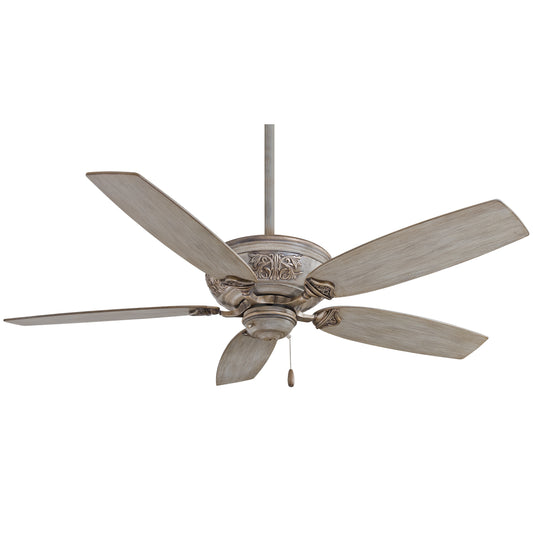
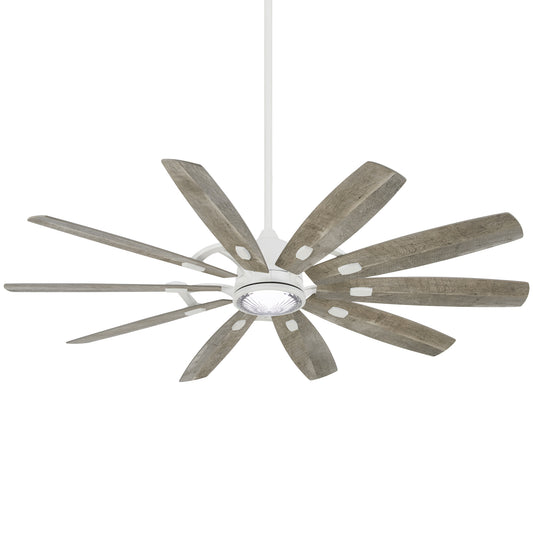
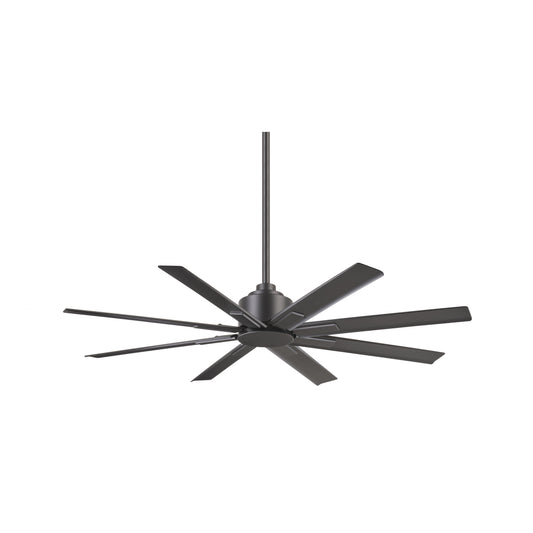
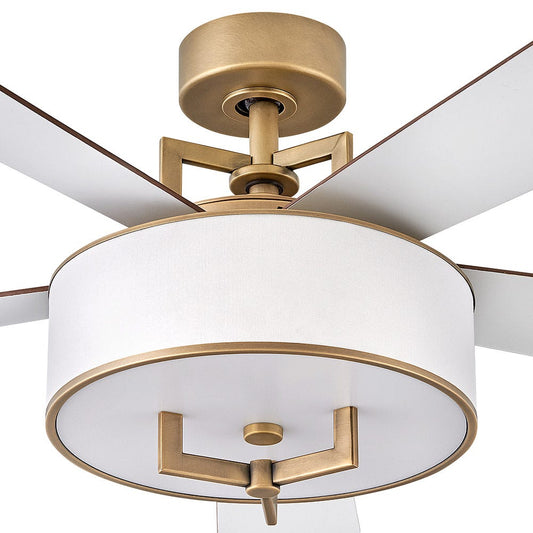
If you want a product-ready starting point, these Fan & Lights fan options are a strong way to begin your search:
- Explore a reliable motor design
- Check out a durable build option
- Browse a style-forward ceiling fan
- See a performance-focused model

Room zones with icons for humidity, heat, and airflow
Maintenance That Protects Performance
Even the best ceiling fan materials benefit from simple maintenance. The goal is to prevent dust buildup, reduce stress on moving parts, and keep balance consistent.
1) Dust and clean regularly
Dust adds weight to blades and can affect balance. Use a soft, dry cloth or a light duster for routine cleaning. For deeper cleaning, use a damp cloth with gentle pressure, then dry thoroughly. Avoid harsh chemicals that can dull finishes.
2) Check blade screws and mounting points
Over time, vibrations can loosen fasteners. Every few months, visually inspect the blade mounts and mounting hardware. If anything looks slightly misaligned, tighten carefully with the correct tools. This small step protects stability and helps maintain smooth operation.
3) Keep airflow paths clear
Ensure there is adequate space around the fan. If airflow is blocked by furniture, curtains, or hanging decor, the fan has to work harder and you may notice uneven circulation.
4) Use the right fan speed for the moment
Running at the highest setting all day might feel effective, but using speeds that match your comfort needs can reduce unnecessary stress. For most households, finding a comfortable medium speed maintains comfort while supporting long-term wear resistance.
5) Troubleshoot early signs of wobble
Don’t wait until the fan becomes noisy or unstable. If you notice wobbling, start with the basics: dust removal, balance checks, and fastener tightening. Small corrections early help your fan stay smooth and extend the life of durable materials.
Maintenance is also where consumer experience matters. Many customers report that when they keep their fan clean and perform basic checks, performance stays steady for years. They also tend to appreciate that durable blade construction helps the fan feel more consistent as seasons change.
Wrap-Up
Durable ceiling fan materials are a practical choice for homeowners who want dependable comfort. They help the fan resist warping, maintain balanced rotation, and hold up to everyday stress like heat, dust, and humidity. The result is a fan that operates smoothly, looks better for longer, and supports your daily lifestyle without constant troubleshooting.
To choose the right model, match construction to your room’s environment, inspect blade and motor build quality, and plan for simple upkeep. Then shop with confidence by starting with options that emphasize reliable design and strong build standards.
Ready to upgrade your airflow? Browse ceiling fans at Fan & Lights and find the right match for your space. If you want a quick start, check motor-focused and fan options like this motor design or this ceiling fan. With durable materials and the right fit, you can enjoy smoother airflow for years.
Q&A
What ceiling fan materials last the longest in humid rooms?
Look for fan components designed to resist moisture and corrosion, especially blades and finishes. Durable construction helps prevent warping and rust-related wear. If your space has higher humidity, also confirm the intended use rating for that environment.
How can I tell if a fan is built with durable parts before buying?
Focus on blade rigidity, secure mounting hardware, and overall build quality. Read product details that describe motor reliability and finish durability. Then match the fan to your room size and ceiling height so the fan can operate smoothly without being underpowered or overworked.
Do durable ceiling fan materials reduce noise?
Often, yes. When blades stay balanced and parts do not loosen over time, vibration tends to be lower. That can lead to quieter operation during regular use, especially in bedrooms where you notice sound more.
How often should I clean my ceiling fan to keep it balanced?
A light dusting on a regular schedule is usually enough to prevent buildup. If you live in a dusty area or run the fan more frequently, you may need more frequent cleaning. The key is to keep blades from accumulating dust so weight stays even.

An Owner of The Fan Connection, Selling Ceiling Fans for the past 15 years and been in business since 1979. Living in Florida the sunshine state, Love my pup Trooper.


