







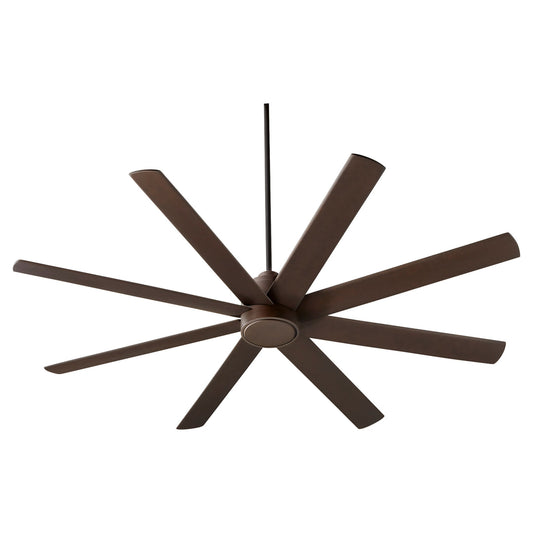


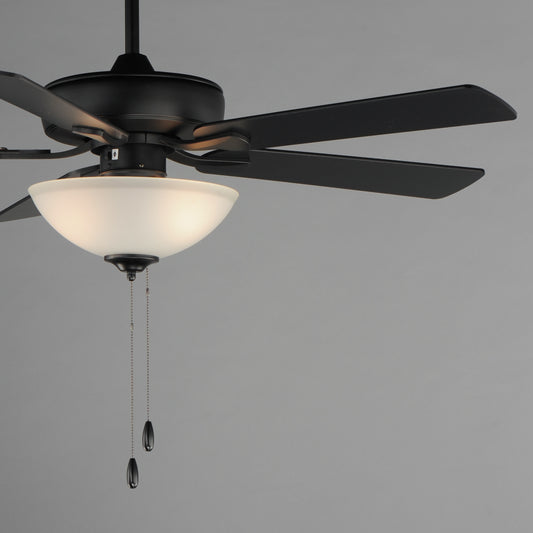


Eco-Friendly Ceiling Fans: A Practical Buying Guide
Updated on: 2026-09-24
If you want comfort without unnecessary environmental impact, eco-friendly ceiling fans are a smart upgrade. They help move air efficiently, support steadier indoor temperatures, and can lower energy use compared with older fan systems. This guide explains what to look for, how to choose the right size and style, and how to install and maintain your fan for long-lasting performance. You will also find real-world use cases, customer-style insights, and product recommendations so you can shop with confidence.
2. Detailed Step-by-Step Process
3. How to Choose Eco-Friendly Ceiling Fans for Your Home
4. Installation and Maintenance That Keep Energy Use Low
Essential Tips
- Start with room size: match fan blade span to the space for better airflow at lower effort.
- Look for efficient motors and controls: smoother performance often means less wasted energy.
- Choose the right airflow direction: use the seasonal setting to support cooling in warm months and gentle circulation in cooler months.
- Plan for safe installation height: proper clearance helps airflow feel stronger without rushing or wobbling.
- Prioritize easy maintenance: dust buildup reduces airflow, so choose fans you can clean quickly.
Detailed Step-by-Step Process
Upgrading to eco-friendly ceiling fans does not have to be complicated. Use this quick plan to get a fan that performs well and lasts.
Step 1: Measure your room and check ceiling conditions
Measure the room and note ceiling height. For best results, select a fan blade span that fits the area and allows safe clearance from the floor and any fixtures.
Step 2: Decide on the mounting style
Choose flush mount for lower ceilings or downrod mounting for rooms that can support extra drop. The right mounting style improves airflow coverage and reduces strain on the motor.
Step 3: Select the fan features that match your comfort goals
Many modern fans include multi-speed operation and remote or wall control options. Better control can help you run the fan at the speed you actually need, which supports energy savings.
Step 4: Confirm electrical compatibility
Check existing wiring and whether you need a compatible switch or control. If you are unsure, use a licensed electrician so your installation is safe and code-compliant.
Step 5: Install, balance, and test
Follow the included instructions, secure mounting hardware, and verify blade balance. A well-balanced fan feels quieter and delivers smoother airflow.
Step 6: Use it correctly throughout the year
During warm seasons, run the fan to create a cooling breeze feel. In cooler months, run it for gentle circulation that helps distribute air more evenly.

Room-size check, clearance chart, airflow arrows
How to Choose Eco-Friendly Ceiling Fans for Your Home
Not all eco-friendly ceiling fans are the same. The best option depends on your comfort needs, your ceiling layout, and how you want the fan to integrate into daily life.
Match blade span to the space
Choose a fan size that fits your room. Oversized fans can move air gently but may feel too strong at close range. Undersized fans may struggle to circulate air evenly. Correct sizing is one of the easiest ways to improve comfort while avoiding unnecessary energy use.
Pick an efficient motor and smooth airflow design
Look for efficient motors and fan blade design that supports strong airflow at comfortable speeds. When airflow feels effective at lower settings, you spend less time running the fan at high power.
Choose finishes and styles that fit your interior
Eco-friendly ceiling fans can be both functional and beautiful. Select a look that matches your room so you enjoy the upgrade every day. A cohesive style also helps the fan feel like part of the room, not an afterthought.
Consider integrated light (if you need it)
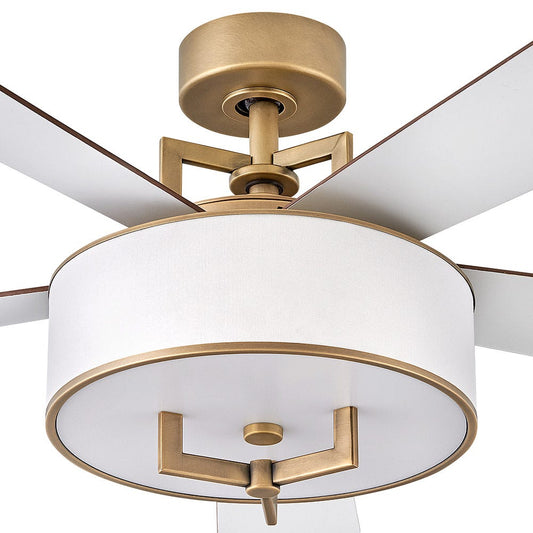
If you want both airflow and illumination, a fan with a compatible light setup can reduce the need for additional fixtures. That can simplify your overall energy plan by using one central solution.
Get recommendations for different rooms
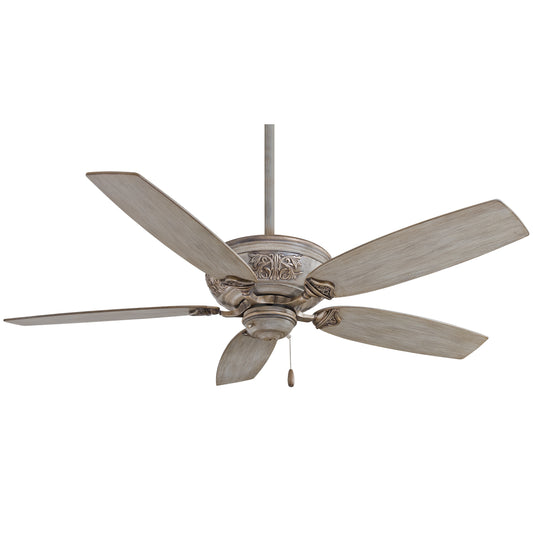
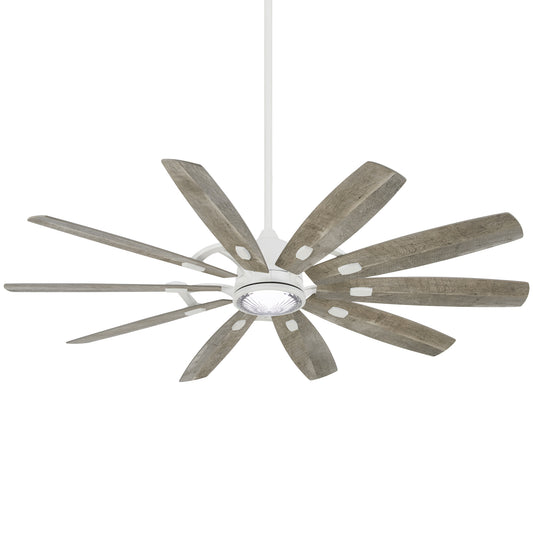
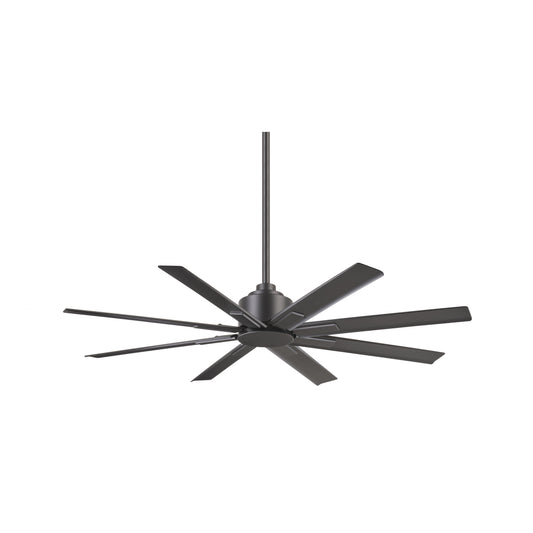
Here are a few options that customers often like for modern comfort. Explore these motor options and fan styles to find the right look for your home:
If you already know your room size and preferred mounting, you can narrow down quickly. For example, flush mount fans tend to work well when ceilings are lower and you want a clean profile.
Installation and Maintenance That Keep Energy Use Low
A ceiling fan should feel steady and quiet. When installation is done correctly, the fan delivers better airflow with less effort. Maintenance also matters, because dust and debris can reduce airflow and increase noise over time.
Plan for proper mounting and secure hardware
Use the correct mounting hardware and tighten connections as instructed. Loose parts can create vibration, which you will feel in the room and hear in the fan.
Balance blades for smooth operation
Many fans include balancing steps. After installation, test the fan at different speeds. If you notice wobbling, rebalance according to the manual. Smooth operation often means less stress on components.
Set the seasonal airflow direction
During warm seasons, you typically want a breeze-feel. In cooler seasons, you can use the reverse direction for better air circulation. This helps your HVAC system feel more consistent because air distribution improves.
Clean blades and motor housing regularly
Use a soft cloth or a gentle duster. Avoid harsh chemicals. Keeping the blades clean helps airflow remain strong, which can support the comfort level you want without turning the fan up higher than necessary.
Use controls that help you stay within your ideal comfort settings
If you have multi-speed options or smart control compatibility, use the lowest speed that still delivers comfort. That simple habit can reduce unnecessary energy use while keeping the room feeling right.

Blade cleaning tools, airflow test speeds, quiet vibration check
Use Cases, Benefits, and What Customers Notice
Eco-friendly ceiling fans fit many home styles and routines. They are especially helpful when you want reliable comfort without running HVAC harder than needed.
Living rooms: steady comfort for everyday downtime
In a living room, comfort matters during the day and evening. An efficient fan can help you feel cooler during warmer months and keep air moving during transitional seasons. Many customers also notice the fan feels calmer when blades are balanced and the room has enough airflow clearance.
Bedrooms: quieter airflow for relaxation
Bedrooms benefit from gentle, consistent air movement. Using the appropriate speed can help you avoid drafts while still improving comfort. Customers often share that when the fan is sized correctly and installed firmly, it feels less “noisy” and more soothing over time.
Home offices: productivity-friendly airflow
Stale air makes focus harder. A well-chosen eco-friendly ceiling fan can reduce that feeling of stuffiness. When you can control airflow direction and speed, you create a more comfortable work environment that supports better day-to-day energy levels.
Dining areas and open-plan spaces
Open-plan layouts need airflow that reaches multiple zones. Selecting the right blade span and mounting style helps distribute air more evenly. In some homes, customers like pairing a fan with a lighting solution so the room feels complete without extra clutter.
Energy-smart comfort that feels practical
The real win is efficiency you can feel. When airflow is effective, you may not need to run the fan at high speed. That can help reduce energy use while still supporting indoor comfort. For many homeowners, the switch to eco-friendly ceiling fans becomes one of the easiest ways to improve day-to-day comfort without a major remodel.
Product-focused picks to match your needs
If you are shopping now, choose based on the environment you want to improve:
- For a sleek look and strong everyday performance, explore AmPhed ceiling fan.
- If you want a motor-focused upgrade approach, compare motor options such as Levon motor and Spitefire motor.
- For a versatile indoor style, consider Celano V2.
Customer-style takeaway: Many shoppers say the best part is the comfort. They notice the room feels more “even” and less hot at the edges, especially when the fan speed matches the season. When installation is done well, the fan also tends to feel smoother and more enjoyable to live with.
Summary & Takeaway
Eco-friendly ceiling fans are a practical upgrade for anyone who wants comfort, better airflow, and a smarter approach to indoor energy use. Start by choosing the right size, selecting an efficient motor and airflow design, and installing the fan securely. Then keep it running at the comfort speed you actually need and maintain clean blades for steady performance.
If you are ready to upgrade, browse options and compare styles at Fan & Lights. Pick the fan that fits your room, your ceiling height, and your comfort goals, then enjoy a more comfortable home with every season.
Shop eco-friendly ceiling fans at Fan & Lights
Q&A
What makes a ceiling fan eco-friendly?
Eco-friendly ceiling fans typically focus on efficient performance. When a fan moves air effectively at lower energy settings, it can reduce overall electricity use. Many also offer features like multi-speed controls and balanced airflow design, which helps you use the fan at the lowest speed that still feels comfortable.
How do I choose the right fan size for my room?
Use your room size to pick the right blade span. If the fan is too small, it may not circulate air well. If it is too large, it can feel overpowering in certain areas. For the best comfort, measure your room and match the recommended blade span for that space.
Do I need a professional to install a ceiling fan?
If your wiring and ceiling setup are straightforward and you have experience following installation instructions, you may be able to install it yourself. However, if you are unsure about electrical connections or ceiling compatibility, a licensed electrician is the safest choice. Correct installation supports smoother airflow and reduces the risk of vibration.
How often should I clean eco-friendly ceiling fans?
Clean blades regularly, especially in high-dust areas. A quick dusting at reasonable intervals helps maintain airflow. If you notice reduced airflow or more noise, it is usually a sign that a cleaning is due.
Disclaimer: This article is for general informational purposes only. Always follow the installation manual included with your fan and local building and electrical codes. Fan & Lights does not guarantee specific energy savings, performance outcomes, or suitability for every home scenario.

An Owner of The Fan Connection, Selling Ceiling Fans for the past 15 years and been in business since 1979. Living in Florida the sunshine state, Love my pup Trooper.


