











Energy Efficient Ceiling Fans: Cut Costs, Stay Cool
Updated on: 2026-05-15
Energy efficient ceiling fans can cut the strain on your heating and cooling system while keeping rooms feeling comfortable. They use smarter motor designs and optimized airflow, so you can enjoy strong circulation without wasting power. When you choose the right fan for your room size and install it correctly, the comfort boost can feel immediate. If you are shopping for a ceiling fan that performs beautifully and helps lower energy costs, this guide will help you pick with confidence.
Contents
1. Introduction
2. Myths vs. Facts
3. Personal Experience
4. How to Choose Energy Efficient Ceiling Fans
5. Installation Tips That Protect Performance
6. Best Use Cases by Room Type
7. What Customers Love
8. Maintenance for Long-Term Efficiency
9. Final Thoughts & Takeaways
Introduction
If your rooms feel stuffy in summer or chilly in winter, a ceiling fan can help you feel better fast. The key is choosing the right fan style and airflow balance. That is where energy efficient ceiling fans stand out. They are built to move air effectively while using less electricity than older fan designs.
In this post, you will learn what efficiency really means, how to spot better features, and how to match a fan to your space. You will also see real-world use cases and customer themes, plus clear steps for installation and maintenance. By the end, you will be ready to shop with a plan and feel confident that your new fan will do more than look good.
Myths vs. Facts
-
Myth: Energy efficient fans are always weak.
Fact: Modern motors and smart blade geometry can deliver strong airflow without high power use. -
Myth: You must run fans at full speed to feel a difference.
Fact: Many efficient fans perform well on medium settings, which often improves comfort per watt. -
Myth: A fan with low wattage will not cool or circulate air well.
Fact: Airflow performance depends on blade size, blade count, and motor efficiency together. -
Myth: Any ceiling fan works in every room.
Fact: Ceiling height, room dimensions, and mounting style matter. Choosing correctly prevents wasted airflow.
Personal Experience
I used to think ceiling fans were mostly about comfort, not efficiency. Then I helped a friend upgrade a living room fan that was old and noisy. We switched to a newer model with a smoother motor and better airflow. The room felt more even, and the fan did not have to run as aggressively. That small change made the whole space feel more balanced, especially during warm afternoons.
The biggest surprise was how quickly the difference showed up. Not because the fan “magically” lowered temperatures, but because it moved air more effectively. When air feels like it is flowing, your comfort rises. When the motor is efficient, the fan can deliver that comfort without heavy electricity use. That is the real win.
How to Choose Energy Efficient Ceiling Fans
Shopping gets easier when you focus on the right factors. Here are the most important ones to help you pick an efficient fan that feels great day after day.
1) Match airflow to room size
Room size is the fastest way to narrow choices. For larger areas, you typically want larger blades and stronger airflow capacity. For smaller rooms, oversized blades can waste airflow or feel overpowering.
- Small rooms benefit from compact blade spans and balanced airflow.
- Medium rooms often do best with popular blade sizes and multi-speed control.
- Large rooms usually need a fan designed for broader circulation.
2) Look for an efficient motor design
Efficiency is largely about the motor. Energy efficient ceiling fans often use improved motor technology that turns less electrical energy into wasted heat. The result is smoother performance and better consistency across speeds.
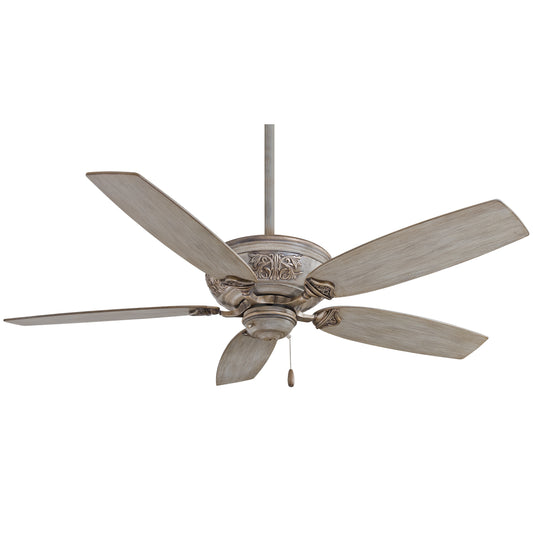
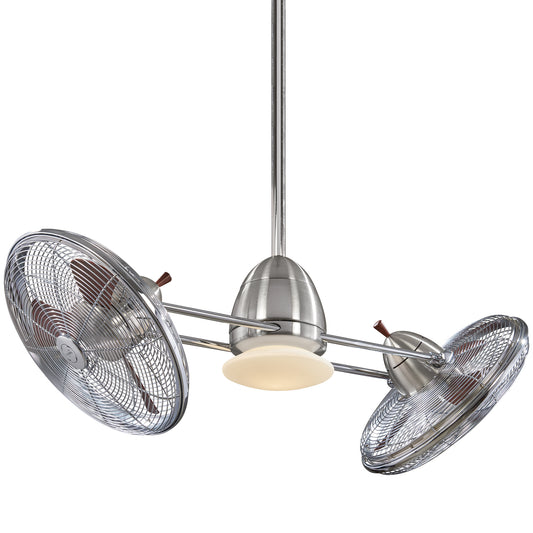
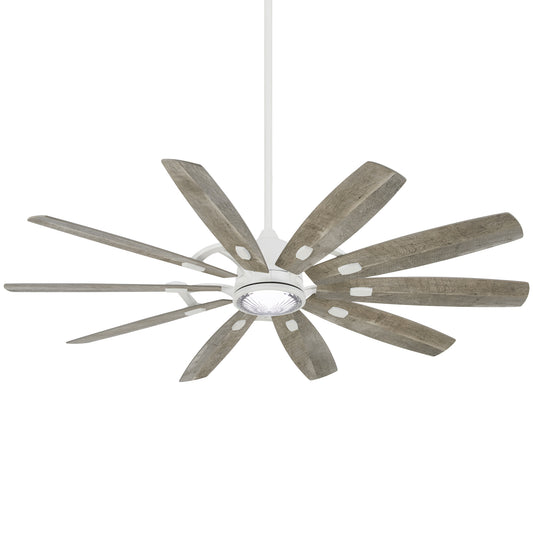
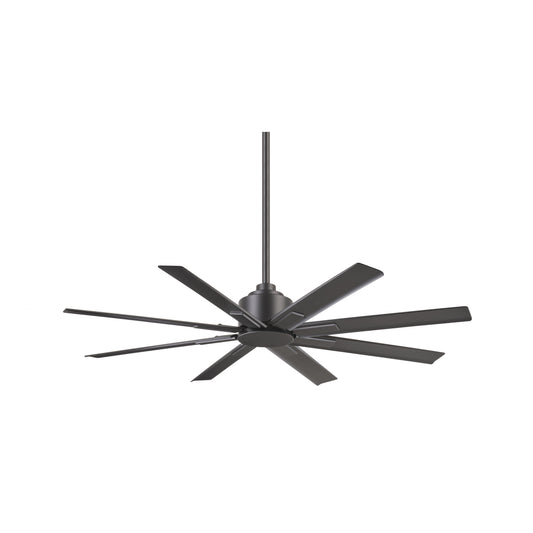
If you want to explore specific motor styles, you can compare options on Fan & Lights product pages, then choose the fan that fits your room and ceiling height. For example, you can check motor-focused designs like:
3) Choose the right blade and housing style
Blade shape affects airflow patterns. More efficient designs can push air farther with less effort. Also, consider the look you want. Modern finishes, matte textures, and clean profiles can make the room feel updated without changing your décor.
4) Prefer multi-speed control for comfort per watt
Efficiency improves when you can select a speed that matches real conditions. Many households do not need maximum speed all day. Multi-speed options make it easier to keep comfort steady while using less power.

Airflow arrows over a room diagram
Installation Tips That Protect Performance
A great fan can still underperform if it is installed incorrectly. Good installation helps your fan spin properly, improves airflow, and can reduce vibration that ruins comfort.
Set the right height
Ceiling height affects how much air reaches people. If the fan is too low, airflow can feel harsh and may create head-level turbulence. If it is too high, airflow may not reach the seating area.
Use the correct downrod or mounting method
Downrods and mounting types change the fan angle and airflow delivery. Follow the product instructions and ensure the mounting bracket is firmly installed. A stable mount also helps prevent wobble, which can increase noise and reduce perceived quality.
Balance the fan after installation
Some ceiling fans include balancing steps or balancing components. Taking the time to balance the blades can make the fan feel dramatically smoother. That is an efficiency advantage too, because a smoother fan can maintain steady airflow instead of fighting vibration.
Plan electrical safety
Make sure the wiring setup matches your home and the fan’s requirements. If you are unsure, hire a qualified electrician. Electrical safety protects your investment and keeps performance reliable.
If you want to browse different fan lines by room style, you can also explore options like:
Best Use Cases by Room Type
Energy efficient ceiling fans work best when matched to how your home is used. Here are practical scenarios to help you choose.
Living rooms for steady comfort
Living rooms often have high foot traffic and mixed seating zones. A properly sized efficient fan can keep air moving without drying out the space. It can also help distribute airflow evenly so one side of the room does not feel stuffy.
Bedrooms for calmer airflow
In bedrooms, quiet comfort matters. Look for efficient fans with smooth operation and multi-speed settings so you can find a gentle breeze for evenings. Many people prefer a lower speed that keeps air fresh without interrupting sleep.
Home offices for focus
Ceiling fans can make work feel more comfortable by reducing stagnant air. In an office, choose a fan that delivers effective airflow without noisy vibration. You can then adjust speed based on daylight heat and season changes.
Dining rooms for upgraded style
Dining spaces benefit from both comfort and appearance. An efficient fan can enhance the atmosphere while helping keep the room feeling pleasant during meals. Pair it with lighting you love for a polished look.
Covered patios and outdoor-adjacent spaces
Outdoor airflow needs can be different from indoor rooms. If you are selecting a fan for a covered outdoor area, prioritize product guidance and appropriate fit. The goal is reliable airflow and safe operation.

Comfort icons aligned with room zones and airflow
What Customers Love
Every home is different, but customer stories share common themes. Here is what people often mention when they switch to energy-efficient designs.
- Comfort that feels even: Customers like how airflow reaches seating areas instead of just spinning air in one corner.
- Smoother operation: Many buyers note that newer motors feel quieter and more refined at lower speeds.
- Better control: Multi-speed settings help people find a comfortable breeze without always using the highest setting.
- Stronger value: People enjoy a fan that looks good and helps them run their space more efficiently.
If you are comparing motor lines, you can also explore options on Fan & Lights to find the right fit, such as:
Maintenance for Long-Term Efficiency
Efficient fans stay efficient when they stay clean and properly set. Here are simple habits that protect performance.
Dust and debris control
Dust can reduce airflow and add unnecessary strain. Wipe blades and vents regularly. This also keeps the fan looking sharp.
Check blade alignment
Over time, slight shifts can happen. Periodically verify that blades sit evenly. If you notice wobble, re-check mounting tightness and follow the product instructions for balancing.
Inspect for safe operation
Listen for changes in sound. If the fan becomes noisier, it could indicate a loose component. Addressing issues early helps your fan run smoothly and last longer.
Use seasons smartly
During warmer months, you can set the fan for airflow that feels like a gentle breeze. During cooler months, adjust based on the fan’s direction features so air circulates more evenly. Always follow product guidance for best results.
Final Thoughts & Takeaways
Upgrading to energy efficient ceiling fans is one of the most practical ways to improve everyday comfort. The right fan can move air better, feel smoother at lower speeds, and support more efficient home climate habits. Instead of guessing, use room size, motor quality, and installation fit to choose confidently.
If you want a simple next step, browse Fan & Lights ceiling fan options and compare the motor and style that match your space. Then choose the fan that feels right for your comfort goals, your ceiling height, and your daily routine.
Ready to upgrade your comfort? Shop ceiling fans at Fan & Lights and find an energy-smart option for your home.
Q&A
How do I know if a ceiling fan is truly energy efficient?
Look for motor designs built for efficiency, smooth performance at multiple speeds, and strong airflow for your room size. Efficient fans usually feel effective on medium settings, not just at full speed. When possible, compare product specs and reviews, and choose the right blade size for the space.
What is the best ceiling fan speed for saving energy?
Start with a medium speed and adjust based on comfort. Many households save more power by using a lower speed that still provides airflow. If you need strong cooling from a fan, try the lowest speed that still feels comfortable before increasing.
Do energy efficient ceiling fans need special installation?
All ceiling fans benefit from correct installation, but efficiency depends on proper mounting, correct height, and secure wiring. Follow the included instructions, ensure the fan is balanced, and keep the mounting stable to reduce wobble and noise.
Can a ceiling fan help in both hot and cold seasons?
Yes. Many ceiling fans are designed for seasonal airflow changes, helping circulate air more evenly. For the best results, use the fan’s recommended direction settings and speed guidance based on your climate and comfort needs.
Disclaimer: This article is for general informational purposes only. Always follow the product instructions and safety guidance included with your ceiling fan. Actual energy savings and comfort results vary based on home conditions, usage patterns, and the specific fan model you choose.

An Owner of The Fan Connection, Selling Ceiling Fans for the past 15 years and been in business since 1979. Living in Florida the sunshine state, Love my pup Trooper.


