











Energy Efficient Fans Guide to Cooler Rooms and Lower Bills
Updated on: February 28, 2026
Discover how energy efficient fans can transform your home comfort while significantly reducing electricity costs. Learn the key benefits, practical installation tips, and how modern fan technology combines performance with sustainability. Find the perfect solution for your space and start saving money today.
Table of Contents
- Pros and Cons of Energy Efficient Fans
- How Energy Efficient Fans Work
- Choosing the Right Fan for Your Home
- Installation and Maintenance Guide
- Frequently Asked Questions
- Wrap-Up
Understanding Modern Ceiling Fan Technology
Energy efficient fans represent a significant advancement in home cooling and air circulation technology. Unlike traditional models that consume substantial electricity, these innovative solutions use advanced motor designs and aerodynamic blade configurations to deliver superior airflow while consuming less power. When you invest in an energy efficient fan, you're making a smart choice for both your wallet and the environment.
Modern ceiling fans equipped with brushless direct current motors can reduce energy consumption by up to 70 percent compared to older alternating current models. This substantial difference translates directly into lower utility bills month after month. Homeowners across the country are discovering that switching to energy efficient fans pays for itself within a few years through cumulative savings on electricity expenses.

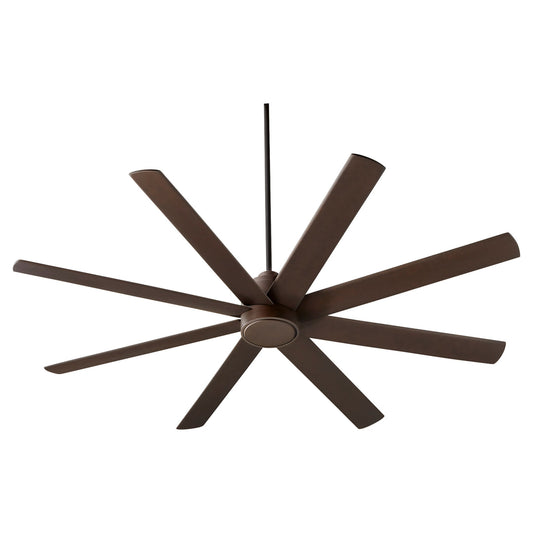
Modern motor technology delivering powerful airflow with minimal electrical draw
The key to understanding these fans lies in recognizing how they operate differently. Traditional fans use electromagnetic induction motors that generate considerable heat and waste energy as they operate. In contrast, brushless direct current motor technology in high-performance fans uses electronic commutation to eliminate friction losses and unnecessary power consumption. This engineering breakthrough means you get better performance and lower costs simultaneously.
Pros and Cons of Energy Efficient Fans
Advantages
- Lower Electricity Bills: Reduce monthly energy costs by hundreds of dollars annually through efficient operation.
- Environmental Impact: Decrease your carbon footprint by consuming less power from the electrical grid.
- Quieter Operation: Modern efficient motors run significantly quieter than older models, creating a more peaceful environment.
- Longer Lifespan: Advanced motor technology means fewer mechanical breakdowns and extended product durability.
- Better Temperature Control: Achieve superior air circulation with multiple speed settings for personalized comfort.
- Smart Features: Many models include remote controls, programmable timers, and smartphone connectivity for convenient operation.
Potential Considerations
- Initial Investment: Premium-quality fans require higher upfront costs, though long-term savings offset this expense.
- Installation Requirements: Professional installation may be necessary for optimal performance and warranty compliance.
- Compatibility Issues: Existing electrical systems in older homes might require upgrades for full efficiency benefits.
- Style Limitations: Not all design preferences are available in efficient models, though selection has improved significantly.
How Energy Efficient Fans Work and Deliver Performance
Understanding the mechanics behind efficient ceiling fan technology helps explain why these products outperform traditional alternatives. The foundation of efficiency lies in the motor design, which uses permanent magnets and electronic controllers to optimize every rotation. When electricity flows through these systems, virtually no wasted heat is generated, meaning all input power converts to useful work.
Blade design also plays a critical role in efficiency. Modern fans feature aerodynamically optimized blades that move air more effectively with less resistance. This means the motor works less hard to achieve superior airflow rates. The combination of advanced motors and blade engineering creates a powerful system that moves substantial volumes of air while drawing minimal electrical current.
Variable speed settings on energy efficient fans allow you to match fan speed to your actual cooling needs. Running the fan at lower speeds on mild days consumes significantly less power than continuous operation at maximum speed. Smart thermostats and manual controls give you the flexibility to adjust performance, ensuring comfort while maintaining efficiency.
Choosing the Right Energy Efficient Fan for Your Space
Selecting the perfect energy efficient fan requires considering several important factors specific to your home and needs. Room size directly impacts which fan will perform optimally. Larger spaces need fans with greater blade spans and motors designed for high-volume air movement. Smaller rooms benefit from compact models that deliver adequate circulation without overwhelming the space.
Consider your room's ceiling height when making your selection. For standard eight-foot ceilings, most efficient fans work well. However, vaulted or cathedral ceilings require specialized mounting hardware and potentially larger units to ensure proper air distribution throughout the entire space.
Look for fans with multiple speed settings, which allow you to reduce energy consumption during cooler months or mild weather. Many premium models offer remote controls and programmable timers that enhance convenience while supporting energy-saving habits. Some advanced options integrate with smart home systems, enabling automation and remote monitoring from your smartphone.

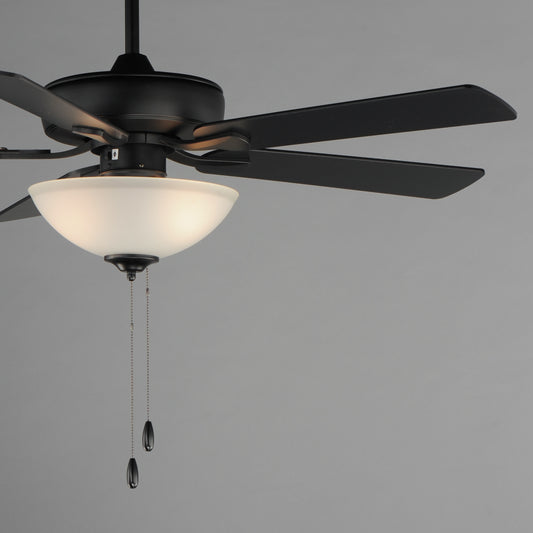
Variable speed controls and smart features enabling personalized comfort and efficiency
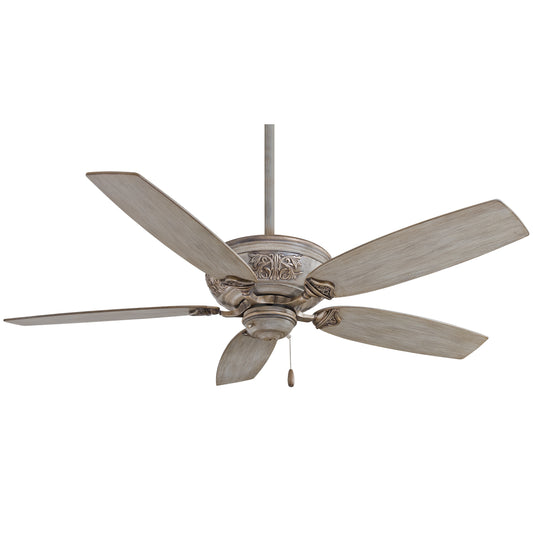
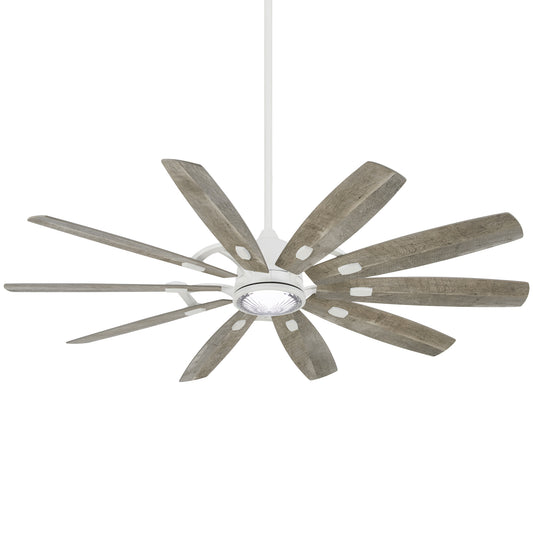
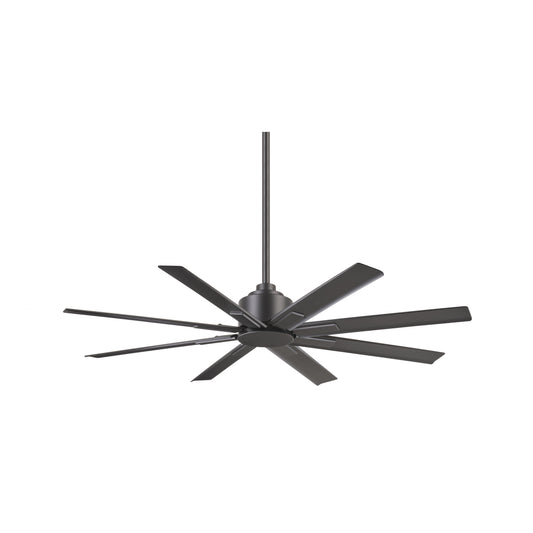
The aesthetic appeal matters too. You want a fan that complements your interior design while delivering the efficiency benefits you're seeking. Fortunately, manufacturers now offer energy efficient fans in numerous styles, finishes, and sizes. Whether you prefer contemporary, traditional, or transitional designs, quality options exist for your specific preferences.
For exceptional performance and reliability, explore options like the Levon Motor series, known for combining stunning design with superior energy efficiency. These fans demonstrate how modern engineering creates products that excel in both performance and sustainability.
Installation and Maintenance Guide
Pre-Installation Preparation
Before installing your energy efficient fan, verify that your electrical system can support it. Most modern fans operate on standard 110-volt household current, but checking with a qualified electrician ensures safety and optimal performance. Gather all necessary hardware, including mounting brackets and electrical connections. Read the manufacturer's instructions thoroughly before beginning work.
Installation Steps
Turn off power at the circuit breaker before touching any electrical components. Remove your old fan if replacing an existing unit, carefully disconnecting wires and unscrewing mounting hardware. Install the mounting bracket securely to ceiling joists for maximum stability. Connect the new fan's wiring according to manufacturer specifications, ensuring all connections are tight and properly insulated.
Install the motor housing and attach blades, following the specific sequence outlined in your fan's manual. Proper blade attachment ensures balanced operation and prevents vibration. Test the fan at all speed settings to verify smooth, quiet operation. If you're uncertain about any step, professional installation ensures warranty protection and safety compliance.
Ongoing Maintenance
Energy efficient fans require minimal maintenance to function optimally. Clean blades quarterly using a soft cloth to remove dust accumulation, which can reduce airflow efficiency. Check that all connections remain tight by visually inspecting mounting hardware and electrical components annually. Most brushless motors require no lubrication and deliver reliable performance for decades with basic care.
Frequently Asked Questions About Energy Efficient Fans
How much can I save on my energy bills by switching to an energy efficient fan?
Savings vary based on your climate, how often you use the fan, and your local electricity rates. Most homeowners experience annual savings between $100 and $300 by replacing traditional fans with energy efficient models. In warmer climates where fans operate year-round, savings often exceed $500 annually. Over a fan's typical lifespan of 10 to 15 years, total savings can exceed $2,000 while reducing environmental impact significantly.
Are energy efficient fans compatible with existing ceiling fixtures and wiring?
Most modern energy efficient fans install in standard ceiling boxes using existing electrical wiring. However, older homes with outdated fixtures may require electrical upgrades. A qualified electrician can assess your system and recommend necessary modifications. Many homeowners discover that electrical updates needed for fan installation provide benefits beyond just fan operation, improving overall electrical safety and capacity.
What makes brushless direct current motors superior to traditional alternating current motors?
Brushless direct current motors eliminate friction losses associated with traditional motor designs. There are no mechanical brushes creating resistance and heat, and electronic commutation optimizes electrical efficiency. These motors operate cooler, last longer, and consume significantly less electricity while delivering superior airflow. The technology has proven reliable through millions of installations worldwide and represents the current standard for high-performance fans.
Can energy efficient fans help with heating during winter months?
Yes, and this often surprises homeowners. During winter, running your fan on low speed in reverse mode pushes heated air that rises to the ceiling back down into your living space. This simple adjustment can reduce heating expenses by distributing warm air more evenly throughout rooms. Many energy efficient fans include reverse functionality specifically for this seasonal benefit.
How do smart features on energy efficient fans help reduce energy consumption?
Smart fans with programmable timers and thermostatic controls eliminate unnecessary operation. You can schedule the fan to run only during specific times or set temperature-based operation that activates the fan only when needed. Smartphone apps allow remote control, preventing situations where fans run unoccupied rooms. These features work together to ensure you're using only the energy necessary for comfort.
For reliable, efficient solutions that incorporate smart technology, consider exploring options like the Stella Motor collection, which combines intelligent features with exceptional energy performance.
Wrap-Up
Energy efficient fans represent one of the smartest investments you can make for your home. They deliver superior comfort, reduce electricity consumption dramatically, and operate with quieter reliability than traditional alternatives. Whether you're building a new home, renovating an existing space, or simply replacing an aging fan, choosing an efficient model provides immediate and long-term benefits.
The combination of lower utility bills, improved air circulation, and environmental responsibility makes upgrading to energy efficient fans an easy decision. Modern technology has eliminated any compromises between efficiency and performance. You get a fan that cools your space effectively while consuming a fraction of the electricity required by older designs.
Ready to experience the benefits of efficient cooling and air circulation? Explore the excellent selection of premium fans available to find the perfect match for your home. Your comfort, your wallet, and the environment will all benefit from this smart upgrade. Shop today and start enjoying lower energy bills while creating a more comfortable living space for your family.
Consider exploring trusted retailers like LagoSin for additional home comfort solutions that complement your new efficient fan system.


