







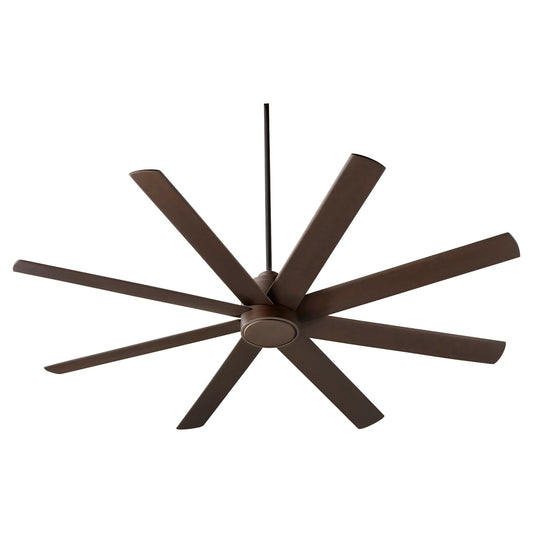


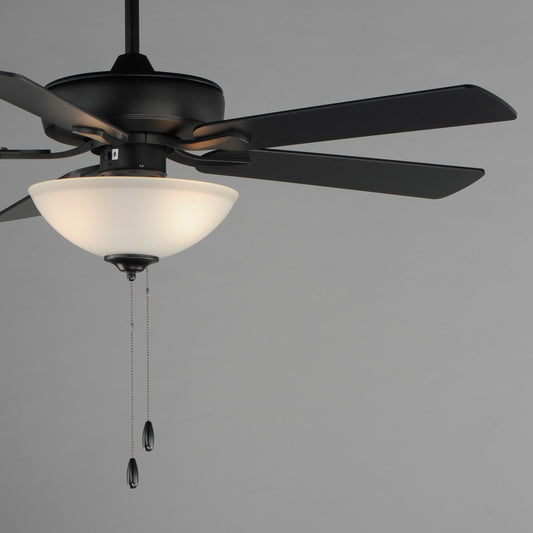


Energy Efficient Fans: What to Look For and Buy
Updated on: 2026-10-15
Energy efficient fans are built to move more air while using less electricity. That means better comfort, quieter operation, and lower monthly costs. In this guide, you will learn how to pick the right fan by airflow, motor type, and control options. You will also find practical installation tips and common questions answered so you can shop with confidence.
Why Energy Efficient Fans Feel Like an Upgrade
If you want comfort without the constant worry about utility bills, energy efficient fans are a smart place to start. The goal is simple: move comfortable air across the room using less electricity. When the fan is tuned well, it can deliver a satisfying breeze at lower speeds, so you do not need to run it as often or as high.
Efficient ceiling fans also tend to offer smoother airflow. That makes a difference in how the room feels. Instead of hot spots and uneven circulation, you get more consistent comfort. Many customers also notice that efficient models can feel quieter during everyday use, which is ideal for bedrooms, offices, and reading nooks.
From an energy perspective, efficient fans can help you get more cooling effect from the same power. Pair a well-chosen fan with your heating or cooling system and you may find the system cycles less often. The result is a more stable indoor climate and a calmer overall experience in every season.
What “efficient” should mean to you
Strong airflow at lower power use.
Comfortable breeze without over-revving the motor.
Stable operation over time with reliable components.
Controls that make it easy to match fan speed to your needs.
How to Choose Energy Efficient Fans That Fit Your Home
Choosing the right fan is not only about style. It is about matching airflow to your room size and selecting a motor setup that runs efficiently. Use these steps to narrow down your options quickly.
Measure the room and target airflow
Start with the basics. Measure the room area and ceiling height. Then choose fan size based on the space you want to cool. A fan that is too small will struggle, and you will run it harder. A fan that is properly sized can maintain airflow with less effort.
If your space is open, pay attention to how air travels between rooms. Sometimes you will get better results with strategic placement rather than trying one oversized unit.
Choose an efficient motor and smooth bearings
The motor is the heart of performance. Efficient fans are designed to convert electricity into airflow effectively. Look for models known for stable operation and dependable moving parts. Smooth bearings and a quality motor help the fan maintain speed without unnecessary strain.
When you shop, consider the motor reputation and how the fan is engineered for everyday use. The best choice feels steady and controlled at multiple speeds.
Prioritize speed settings and smart controls
Efficient operation is easier when you can fine-tune airflow. Multi-speed fans help you select a comfortable breeze instead of using only one setting. Many homeowners also like wall controls or remote options because they make it simple to adjust the fan without walking across the room.
If you plan to run the fan regularly, convenient controls help you use the right speed for the moment. That supports both comfort and energy-conscious habits.
Match the downrod and mounting style
Installation details affect airflow. Ceiling height and mount type change how the blades move air through the room. Make sure you choose the correct downrod and mounting method for your ceiling.
If your ceiling is high, you may need more downrod length. If your ceiling is low, you will want a mounting style that fits without compromising clearance.

Room airflow map with airflow arrows and ceiling height
Installation Tips for Long-Lasting, Low-Cost Comfort
Great fans still need correct setup. Proper installation helps your fan run efficiently, reduce wobble, and improve airflow performance. If you are not comfortable with electrical work, consider hiring a licensed electrician for safe wiring and mounting.
Use safe wiring and stable mounting
Turn off power at the breaker before starting. Confirm that the electrical box is rated for ceiling fan installation. Use the correct mounting hardware and tighten connections securely.
A stable mount is not just about safety. It also helps the motor run smoothly and can reduce noise over time.
Set blade height and angle correctly
Blade clearance and angle affect how air moves. During installation, verify that the fan is level and that blades have appropriate distance from the ceiling and any nearby objects. If the fan is too low, airflow may be blocked. If it is too high, the breeze may not reach the areas you care about most.
After installation, test the fan at low and medium speeds first. If you hear unusual sounds or notice wobbling, stop and check alignment.
Keep performance strong with simple maintenance
Efficiency can drop when airflow is reduced. Dust and debris can build up on blades. Clean blades gently with a soft cloth. For best results, do routine maintenance regularly rather than waiting until buildup is heavy.
Also check that screws remain tight. Over time, small movements can affect balance. A quick inspection keeps your fan running smoothly and helps maintain comfortable airflow.
Why Efficiency Matters in Real Life
Many people buy fans for comfort, but efficiency is what turns comfort into a long-term win. When a fan moves air effectively, you can feel cooler with less power. That matters during warm months and even during seasonal transitions when temperatures swing throughout the day.
Homeowners often tell us they prefer efficient fans because they can use them more consistently. Instead of thinking, “We should turn it off,” it becomes, “We can leave it on safely because it is not wasting energy.”
Here is what that looks like in everyday spaces:
Living rooms: a steady breeze during movie nights and gatherings.
Bedrooms: quiet comfort that supports restful sleep.
Home offices: airflow for long work sessions without feeling stuffy.
Dining areas: pleasant temperature control when hosting guests.

Checklist icons for airflow, noise, and monthly savings
Product-Focused Recommendations From Fan & Lights
To make shopping easier, here are product directions that align with what most customers want: efficient airflow, reliable motor performance, and control options that make everyday use simple. Below, you will find fan product links you can explore based on your room type and preferences.
Motor-based efficiency for everyday rooms
If you want a fan that feels responsive across multiple speeds, start by looking at motor-driven performance. Efficient motor design helps deliver consistent airflow without requiring extreme speed settings.
Explore these options from Fan & Lights:
- Motor fans for balanced airflow
- Sleek motor style for modern rooms
- A clean look for everyday comfort
- Comfort-focused fan with versatile fit
Customer experiences often highlight how comfortable the breeze feels at lower speeds. That is a common reason efficient ceiling fans become daily drivers instead of occasional luxuries.
Comfort for living rooms and bedrooms
Bedrooms and living rooms have one thing in common: you want comfort without disruption. Look for efficient fans that offer smooth speed control and stable operation. Even small differences in noise level can matter when you are trying to relax.
Consider these product directions when you want comfort-first performance:
- A refined option for quiet comfort
- An efficient fit for calm indoor airflow
- A streamlined choice for living spaces
How to decide quickly: if you spend more time indoors in the evening, prioritize a model that feels smooth on low speed. That is often where energy-conscious comfort shines.
Airflow for halls and open spaces
In open layouts, air movement can be tricky. You need circulation that does not just stay in one corner. Fans with strong distribution help keep temperatures more even across the area.
For hallways, entryways, and larger open rooms, check these options:
- Airflow support for wider spaces
- A practical pick for steady circulation
- An efficient option for modern layouts
- Comfort-focused design for open areas
If you have multiple rooms connected by an open doorway, consider whether one fan will reach the desired zone. Sometimes two smaller fans can outperform one unit, especially when placement is optimized.
Common Questions Answered
How do energy efficient fans save electricity?
They are designed to produce more airflow using less electrical power. When the motor converts energy efficiently and the fan is properly sized for your room, you can reach comfort without running at maximum speed all the time.
What fan size should I choose for my room?
Start by matching fan diameter to your room dimensions. A fan that is too small will feel weak and may require higher speeds. A properly sized fan can maintain comfort with smoother, more efficient operation.
Are efficient ceiling fans quieter?
Many energy-efficient models are engineered for smooth, stable movement, which can reduce vibration and noise. Quiet performance usually also depends on correct installation, blade alignment, and regular dust removal.
Do I need a different fan for high ceilings?
High ceilings often require the right downrod length and correct mounting clearance. This ensures blades move air effectively where you spend time. A proper fit helps the fan stay efficient and comfortable across the room.
Ready to feel the difference? Browse our ceiling fans and lighting collections at Fan & Lights and choose a fan that matches your room size, control preferences, and style.
Disclaimer: This article is for general informational purposes only. Fan performance can vary based on installation, ceiling height, room layout, and usage patterns. For product-specific specifications and safe installation guidance, refer to the product page and follow local electrical codes.

An Owner of The Fan Connection, Selling Ceiling Fans for the past 15 years and been in business since 1979. Living in Florida the sunshine state, Love my pup Trooper.


