











Farmhouse Ceiling Fans: Style, Size, and Placement Tips
Updated on: 2026-10-23
Farmhouse ceiling fans bring comfort and character to everyday living spaces. They help move air more evenly, support better cooling during warm months, and add an inviting style to bedrooms, dining areas, and open living rooms. The right fan also reduces visual clutter with clean lines and well-chosen finishes. In this guide, you will learn how to pick the best fan for your room, avoid common fit issues, and upgrade with confidence.
1. Why Farmhouse Ceiling Fans Feel Different
2. Common Challenges and How to Solve Them
3. Choose the Right Size and Airflow
4. Materials, Finishes, and Style That Fit the Farmhouse Look
5. Light Kits, Dimmers, and Practical Lighting
6. Installation Basics and Safety Checks
7. Comparison: What to Look for Before You Buy
8. Summary & Recommendations
9. Q&A
Why Farmhouse Ceiling Fans Feel Different
When you choose farmhouse ceiling fans, you are not just buying a comfort upgrade. You are making a style decision that can shape how a room feels every day. The classic farmhouse profile often pairs well with shiplap textures, warm wood tones, and timeless fixtures. But the biggest win is practical: a ceiling fan helps air circulate, so your space feels more comfortable without relying on constant temperature changes.
Fans are also a smart way to refresh the look of a room without doing a full renovation. You can match finishes to your existing hardware, align the fan with your lighting style, and create a more intentional design. Many homeowners also love that a fan with integrated light can simplify the room update by combining airflow and brightening in one fixture.
Use cases that make a real difference
- Bedrooms: Gentle airflow can make warm nights feel easier, especially when paired with cozy bedding and softer lighting.
- Dining spaces: A fan can balance the room while keeping the area comfortable during meals and gatherings.
- Open concept living: Air movement helps rooms feel less stuffy when airflow is spread across multiple zones.
- Covered patios and transitional spaces: The right indoor/outdoor rating approach (as recommended for the specific model) can help you extend comfort where you relax most.

Farmhouse-style mood board: warm wood tones, airflow arrows
Common Challenges and How to Solve Them
Many buyers hesitate because they have seen problems in other homes: fans that wobble, lights that feel too harsh, or airflow that does not cover the room. The good news is that most issues are avoidable when you match the fan to the space and install it correctly.
Challenge 1: “My room feels uneven even with a fan.”
Uneven comfort usually comes from two things: incorrect fan size and improper placement. Measure the room and then select the fan diameter that fits. Also keep airflow clear around the blades. If furniture or curtains block the airflow path, you may notice dead spots.
Fix: Choose a fan sized for the room and confirm the ceiling height supports proper blade clearance.
Challenge 2: “The look feels right, but the airflow is weak.”
Farmhouse styling is only helpful if it also delivers performance. A fan can look perfect and still underperform if it has limited airflow for your space.
Fix: Look for strong airflow ratings and consider motor quality. Many modern motors are designed for quieter operation and better efficiency.
Challenge 3: “I want a light, but I do not want harsh brightness.”
Lighting preferences are personal. Some people want warm, calming light for evenings. Others want brighter illumination for tasks like reading or hobbies.
Fix: Choose a fan that offers a compatible light kit approach (or a model designed for easy lighting control). If your routine includes both calm and functional lighting, consider a dimming-friendly setup where available.
Challenge 4: “I am worried about installation complexity.”
A ceiling fan swap can feel intimidating. But most problems come from skipping basic steps like verifying support, confirming wiring compatibility, and balancing the blades.
Fix: Follow the included instructions closely, use proper electrical practices, and check blade alignment after mounting.
Choose the Right Size and Airflow
The fastest way to get better comfort is to size correctly. A farmhouse ceiling fan that is too small will struggle to circulate air across the room. One that is too large can feel overwhelming and may lower comfort if clearance is not ideal.
Simple sizing guide for everyday rooms
- Small rooms: Look for fans that fit spaces where airflow only needs to cover a smaller footprint.
- Medium rooms: Choose a fan size that can reach the edges of the room with balanced circulation.
- Larger open areas: Consider a wider fan so airflow can move across more square footage.
Beyond size, consider how you use the room. If you host gatherings, prioritize comfort. If you mainly read or relax, prioritize quieter airflow and steady movement.
Placement tips that improve results
Think about clearance and circulation. Keep blades far enough from the ceiling and also leave enough space from tall furniture, beams, or hanging décor. If you have vaulted ceilings, your selection may require careful mounting options.
If you are unsure about your layout, measure your ceiling height and the distance to nearby obstacles. Then choose the model that can match your clearance needs. This single step can make your new farmhouse ceiling fans feel like they were made for your home.

Ceiling height diagram: clearance lines, airflow pathway
Materials, Finishes, and Style That Fit the Farmhouse Look
Farmhouse style is not one single look. It is a family of design choices. Some homes prefer lighter finishes and simple shapes. Others lean into darker hardware and a richer contrast.
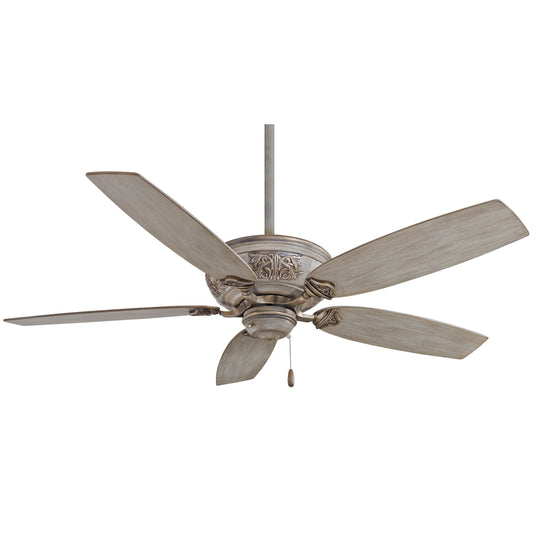
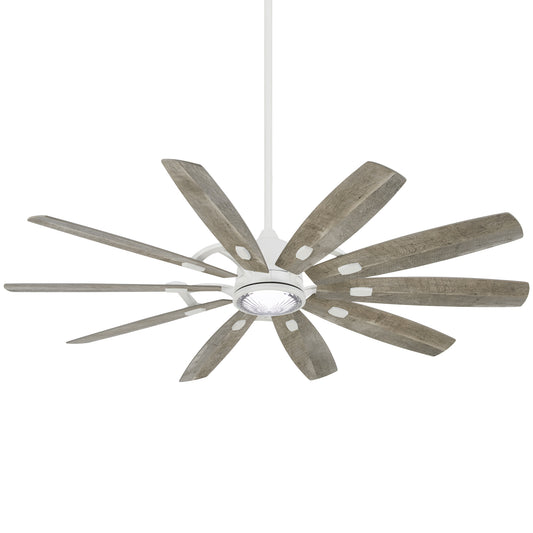
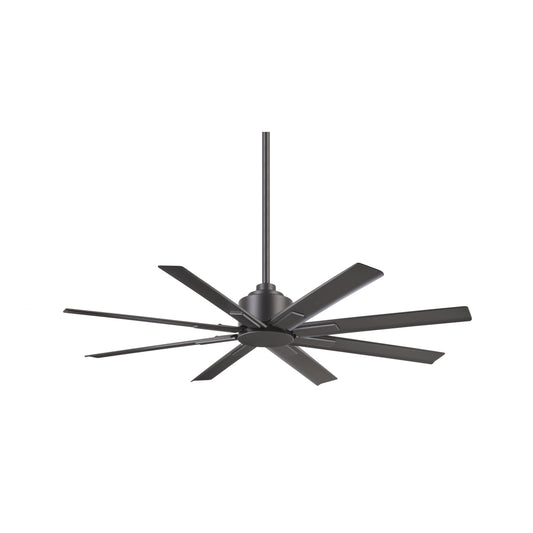
When choosing farmhouse ceiling fans, focus on three things: finish match, blade style, and overall silhouette. A coherent finish ties the fan to your other fixtures like lighting, cabinet hardware, and door pulls. Blade profiles matter too. Even small changes in shape and texture can shift the visual tone.
How to coordinate finishes without overthinking
- Match at least one visible element: If your room has warm metal tones, pick a fan finish that echoes that warmth.
- Use contrast on purpose: Darker finishes can add depth to light walls and wood floors.
- Keep the lines consistent: If your lighting fixtures have clean edges, choose a fan silhouette with a similar design language.
If you want to explore options that pair well with farmhouse styling, browse ceiling fan motor and component styles from Fan & Lights. If you are comparing motor options and finish combinations, check models such as Estate ceiling fan for a range of design-ready choices.
Light Kits, Dimmers, and Practical Lighting
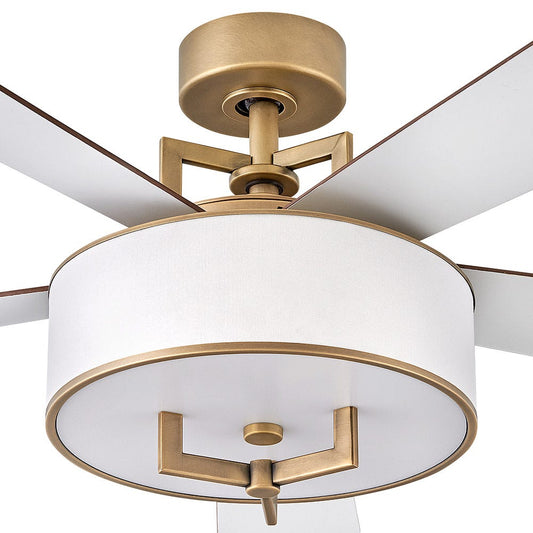
A fan with a light can be a major upgrade in day-to-day life. It can reduce the need for extra fixtures and help you coordinate brightness with airflow. This matters in kitchens, dining rooms, and living spaces where one central fixture anchors the entire look.
Decide how you want the room to feel
- Evening comfort: Warm, softer lighting often feels more relaxing.
- Task time: Brighter light can help you focus for reading, crafts, or meal prep.
- Flexible routines: Dimming support can help you move between moods easily.
Before you buy, check whether the light kit is integrated or compatible. Also consider controls: many homeowners love the convenience of wall controls and the ability to set the right level for the moment.
To keep your purchase experience smooth, verify your ceiling and wiring situation first. If you have questions about installation readiness, consult a qualified electrician for any wiring-related concerns.
Installation Basics and Safety Checks
You can protect comfort and performance by getting the install right. A well-installed fan feels stable, runs quietly, and delivers airflow as intended.
Pre-install checklist
- Confirm ceiling support: The mounting system must be secure enough for fan weight.
- Verify electrical compatibility: Check that wiring and switch control align with the fan’s requirements.
- Measure blade clearance: Keep enough distance from the ceiling and floor for safe operation.
- Plan for balancing: Most fans can be adjusted for smooth running after mounting.
Quick tips to prevent wobble
Wobble usually comes from loose hardware or uneven blade alignment. Tighten mounting screws to the specified level, ensure the fan is level, and follow the balance procedure included with the unit. After installation, test the fan on multiple speeds and listen for unusual sounds.
If your home has an older electrical setup, do not guess. Safety first. When in doubt, hire a professional. It is also a smart idea to keep the instruction sheet for reference during balancing and seasonal checks.
Comparison: What to Look for Before You Buy
To make the choice easier, here is a practical way to compare features. The goal is simple: match the fan to your room size, your comfort needs, and your desired look.
| What to compare | Why it matters |
|---|---|
| Fan size and airflow | Helps ensure comfortable circulation across your room |
| Motor quality | Supports smoother operation and consistent performance |
| Blade design and count | Influences air movement and visual style | tr>
| Finish and silhouette | Creates a cohesive farmhouse look with less visual mismatch |
| Light kit compatibility | Combines airflow with functional illumination |
| Installation fit | Reduces frustration and helps avoid wobble |
Example product-style considerations
If you want to compare design direction, you can explore motor options like Amped and Aire Deluxe. This can help you narrow down a style that fits your home before you decide on the final build.
Also, if you enjoy design content beyond fans and lighting, visit ITsChoCoBu for additional inspiration and styling ideas.
Summary & Recommendations
Farmhouse ceiling fans are one of the most practical upgrades you can make for both comfort and curb-level style inside your home. When you choose the right size, match finishes to your room, and confirm light needs, you get a fan that feels balanced and looks intentional.
Here is a quick recap you can use before checkout:
- Pick a fan sized for your room so airflow feels evenly distributed.
- Choose a finish and silhouette that match your existing metal and wood tones.
- Decide whether you want integrated lighting and whether dimming control fits your routine.
- Plan installation carefully: safe mounting, correct wiring readiness, and proper balancing.
If you are ready to upgrade, shop Fan & Lights today and choose a farmhouse-inspired ceiling fan that matches your home’s layout and style. Your room will feel more comfortable, look more complete, and work beautifully for everyday living.
Q&A
Are farmhouse ceiling fans suitable for small bedrooms?
Yes. The key is selecting the correct fan size for the room so airflow reaches comfortably without overpowering the space. Aim for the right blade clearance and keep the area around the fan free from obstructions like tall furniture or heavy hanging décor.
Do I need a fan with a light kit for farmhouse rooms?
Not always, but it is often a strong choice. A light kit can reduce the number of fixtures you need and helps you unify the style of airflow and illumination. If you already have a great ceiling light, you may prefer a fan-only option. If your goal is a single, centered update, a fan with lighting can be ideal.
What can I do to reduce noise from a ceiling fan?
Start with proper installation and balancing. Make sure all mounting hardware is tight, the fan is level, and the blades are aligned per the included instructions. Also, choose a quality motor and ensure the fan is compatible with your control method for smooth operation.
How do I match the fan finish to other farmhouse fixtures?
Look for shared tones in your room. If your lighting hardware and door pulls are warm-toned, choose a finish that echoes that warmth. If you want contrast, select a darker finish that pairs cleanly with light walls or wood floors. Keeping the overall silhouette consistent also helps the room look cohesive.
Disclaimer: This article provides general guidance for selecting and installing ceiling fans. Always follow the manufacturer’s instructions for your specific model. If you are unsure about electrical wiring or ceiling mounting support, consult a qualified professional.

An Owner of The Fan Connection, Selling Ceiling Fans for the past 15 years and been in business since 1979. Living in Florida the sunshine state, Love my pup Trooper.


