











High-Performance Ceiling Fans: Airflow and Comfort Tips
Updated on: 2026-09-25
High-performance ceiling fans are built for comfort you can feel and airflow you can measure in everyday rooms. They move more air with less noise, help rooms cool faster, and keep temperatures more even from morning to evening. In this guide, you will learn how to choose the right fan for your space, what features matter most, and how to get smooth, stable installation results. You will also see practical use cases, customer-style reviews, and clear next steps to find a fan that fits your style and your comfort goals.
Practical Guide: How to Choose High-Performance Ceiling Fans
Choosing a ceiling fan should not feel like guesswork. The right model can improve comfort, reduce hot spots, and add a polished look to your home. The phrase high-performance ceiling fans is often used for marketing, but you can spot real performance by focusing on a few practical specs and design choices.
1) Match fan size to room dimensions
Start with blade span and room scale. Larger rooms typically need bigger blade spans to move enough air across the space. If a fan is undersized, it may run at higher speeds to compensate, creating more noise and less satisfying comfort. As a rule of thumb, choose a size that fits the room’s footprint and ceiling height.
Before you buy, also check ceiling clearance. You want safe spacing between the blades and any fixtures, and you want airflow to reach seating areas and walkways rather than getting trapped near the ceiling.
2) Look for strong airflow at the right noise level
Performance is not only about moving air. It is about moving air smoothly. Look for fans designed to deliver steady airflow without a harsh hum. If your space is used for reading, remote work, or sleep, quiet operation matters as much as speed. Many homeowners find that a high-quality motor lets them feel the breeze at lower settings.
When airflow feels gentle but consistent, you can run the fan longer without distraction. That is the real-world benefit of performance-focused engineering.
3) Pick the right blade design for your comfort goals
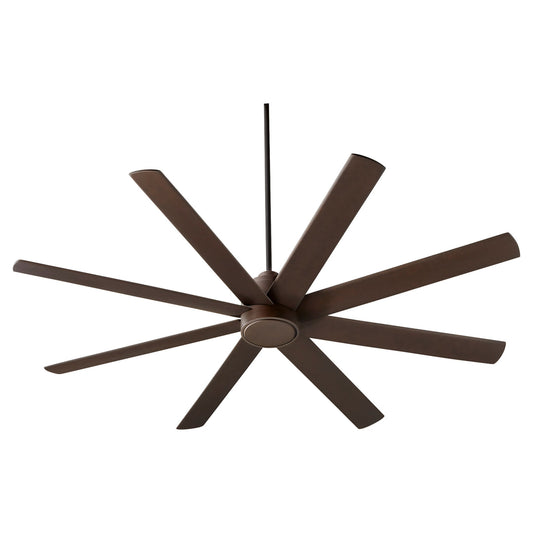
Blade shape and number can affect airflow efficiency. Some styles push more air with a stable feel, while others are tuned for balanced circulation. If you want a fan that works well at both low and medium speeds, choose a design known for smooth movement rather than only high-speed airflow.
Also consider the fan’s finish and blade color. A high-performance fan still needs to look right. When style and function align, you will actually enjoy using it every day.
4) Choose a motor platform built for daily use
The motor is the heart of a performance ceiling fan. A durable motor helps maintain smooth rotation and stable speed control over time. If you plan to run your fan frequently, prioritize motor quality and reliable bearings. That is how you get long-term performance without constant troubleshooting.
If you want an example of motor-focused design, explore options such as Spitefire motor or Levon motor to see how motor engineering supports everyday reliability.
5) Plan for your lighting needs
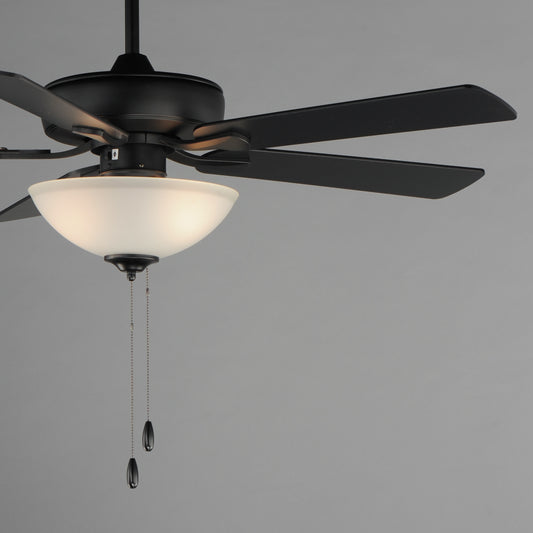
Many homeowners choose fans with integrated lighting because it simplifies daily living. It can also reduce the number of separate fixtures needed. If your room needs illumination for dinners, tasks, or cozy evenings, a fan with a compatible light can be a clean, space-saving upgrade.
Fan and lights often work best when the brightness and color temperature suit the room. Pick a style that matches your decor, and make sure the light output is appropriate for the activities you do most.

Arrows show airflow across a room, quietly
Key Advantages of High-Performance Ceiling Fans
When you invest in a performance-first ceiling fan, you are not just buying a spinning fixture. You are buying comfort, better circulation, and a calmer daily environment. Here are the biggest benefits homeowners notice.
- More effective cooling comfort: Stronger airflow helps you feel cooler faster and supports more even temperature distribution.
- Balanced circulation: Good fans reduce hot spots near windows and upper corners, making the room feel more consistent.
- Improved quiet performance: Performance-focused designs often deliver smoother speed control, especially at everyday settings.
- Energy-smart operation: When the fan does its job, you can rely less on aggressive cooling modes and keep comfort steady.
- Modern style with everyday function: Many high-performance models look premium in both modern and traditional rooms.
One overlooked advantage is how a good fan changes the way a room feels. It can make your living room more inviting, your bedroom easier to relax in, and your dining area more comfortable for long conversations.
Use Cases: Where These Fans Perform Best
High-performance ceiling fans shine when airflow needs to cover a wider area or when the space has complex temperature patterns. Here are common scenarios where performance matters most.
Open-plan living areas
Open layouts often have uneven airflow because heat and air currents move differently across large spaces. A high-performance fan can help push air across the entire zone, supporting comfort in both seating and dining areas.
Bedrooms and nurseries
Quiet operation is essential in rest-focused rooms. When a ceiling fan can maintain a pleasant breeze at low or medium speeds, sleep quality can feel more effortless. Performance models often help you avoid the “too loud at high speed” problem.
Home offices and study spaces
Staying comfortable supports focus. A fan that moves air efficiently can reduce the stuffy feeling that builds during long sessions. It also helps the room feel less stagnant, which many people find improves their overall mood and energy.
Covered patios and outdoor-inspired spaces
Some homes extend living spaces under covered areas or near large openings. In those settings, airflow is still important. Choose fans rated for appropriate conditions and use safe installation practices.
If you are building a coordinated look across multiple rooms, start with a motor platform you trust. For instance, you can review Stella motor and then match the aesthetic to the rest of your home.

Thermometer and airflow lines blend into one steady comfort zone
Quick Installation and Care Tips
Even the best fan can underperform if it is installed poorly. Use these practical steps to get smooth operation, stable rotation, and reliable performance.
Use the right mounting approach
Ensure your ceiling support box and wiring can handle the fan’s requirements. If you are working with an older ceiling, confirm that the electrical box is secure and properly rated. When in doubt, hire a licensed electrician.
Set blade height and spacing correctly
Blade alignment affects both sound and airflow. During installation, double-check blade positions, tighten hardware properly, and verify that the fan is level. A balanced setup helps reduce wobble and keeps airflow steady.
Keep controls simple and responsive
If your fan includes a remote or wall control, set the system up to match your daily routines. Many homeowners prefer using medium speeds for general circulation and low speeds for evenings and sleep. With stable speed control, the fan does not need to “hunt” for comfortable output.
Follow care basics for long-lasting performance
Dust reduces airflow efficiency. Wipe blades periodically with a soft cloth and avoid harsh cleaners that can damage finishes. Also check for loose screws after the first weeks of use and then as part of your regular home maintenance.
For product-focused shoppers, you may want to explore fan-and-light combinations such as Doren to find a style that fits your ceiling, lighting needs, and comfort expectations.
Summary & Next Steps
High-performance ceiling fans are a smart upgrade for anyone who wants better comfort, smoother airflow, and a more consistent room temperature feel. When you choose the right size, prioritize quiet steady airflow, and install with care, you turn everyday living spaces into places that feel genuinely welcoming.
Ready to shop? Start by matching the fan to your room size and your lifestyle. Then pick a model that supports quiet comfort and reliable performance. Explore the fan options at Fan & Lights and find a design that looks great while delivering the airflow your home needs.
Shop Fan & Lights ceiling fans
Disclaimer: Comfort results vary by room layout, insulation, ceiling height, and climate. Always follow the installation instructions provided with your fan and verify electrical compatibility. If you are not confident with wiring or mounting, consult a qualified professional.
Q&A
How do I know if a ceiling fan will be quiet enough?
Look for designs that emphasize smooth motor performance and stable speed control. In reviews and product details, pay attention to mentions of low noise at everyday speeds, not only at maximum settings. If you will use the fan in a bedroom or office, prioritize quiet operation so you can run it comfortably for long periods.
What room sizes work best for high-performance ceiling fans?
Performance-first models are especially helpful in living rooms, open-plan spaces, and larger bedrooms where airflow needs to reach multiple seating zones. Choose a blade span that fits your room and ceiling height. If a fan is too small, it may struggle to move enough air and you may need to run it at higher speeds more often.
Do I need a professional for installation?
Many homeowners can install a ceiling fan if they follow the included instructions and have basic electrical knowledge. However, if your wiring setup is unclear, your ceiling box is not rated for ceiling fans, or you are unsure about mounting safety, hiring a licensed electrician is the safest option.
How often should I clean my ceiling fan?
Dust build-up happens quickly, especially in busy households. A simple wipe-down every few weeks helps maintain efficient airflow and keeps the fan looking fresh. Also check tightness of mounting hardware after initial use and periodically afterward.

An Owner of The Fan Connection, Selling Ceiling Fans for the past 15 years and been in business since 1979. Living in Florida the sunshine state, Love my pup Trooper.


