











Home Ceiling Fans: A Simple Guide to Cool, Efficient Rooms
Updated on: March 25, 2026
Home ceiling fans are essential for comfort, energy efficiency, and style in modern living spaces. Whether you need better air circulation, want to reduce cooling costs, or simply desire a stylish addition to your room, the right fan transforms your environment. This guide reveals everything you need to know about selecting, installing, and maintaining ceiling fans for optimal performance and lasting satisfaction.
Table of Contents
- Did You Know?
- Comparison: Pros and Cons
- Buyer's Checklist
- Key Benefits of Installing Ceiling Fans
- How to Choose the Right Model for Your Space
- Frequently Asked Questions
- Final Thoughts and Advice
Did You Know?
- Ceiling fans can reduce air conditioning costs by up to 40 percent when used strategically during warm months.
- A typical fan uses only about 17 watts of electricity on low speed, making them one of the most energy-efficient cooling solutions available.
- Over 100 million fans are installed in homes across North America, demonstrating their widespread popularity and proven effectiveness.
- Modern fans come in dozens of styles and finishes, allowing homeowners to match any interior design aesthetic.
- Proper fan rotation can distribute heated air downward in winter, helping reduce heating costs by up to 15 percent.
- Quality ceiling fans can last 10 to 20 years with minimal maintenance when properly installed and cared for.
Comparison: Pros and Cons
Advantages of Ceiling Fans
- Energy-efficient cooling that works alongside air conditioning systems
- Low operating costs with minimal electricity consumption
- Improves air circulation throughout rooms and entire homes
- Available in countless styles, finishes, and sizes to match any décor
- Can be used year-round by adjusting blade rotation direction
- Creates air movement that makes spaces feel cooler without lowering temperature
- Relatively affordable compared to other home cooling upgrades
- Simple installation process for most homeowners
Considerations Before Purchasing
- Requires ceiling height of at least 8 feet for safe operation and effectiveness
- Some models produce noise, though quality options operate quietly
- Installation requires basic electrical knowledge or professional assistance
- Regular dusting and maintenance needed to ensure optimal performance
- Not suitable for very small spaces or rooms with low ceilings
- Initial investment varies depending on quality, size, and features
Buyer's Checklist
- Measure your room dimensions to determine appropriate fan size (42 to 56 inches for most spaces)
- Check ceiling height—ensure at least 8 feet clearance for safety and performance
- Verify that your ceiling can support the weight of the fan and mounting hardware
- Review energy efficiency ratings to estimate operating costs
- Select a style and finish that complements your interior design scheme
- Confirm the motor type and warranty period offered by the manufacturer
- Check whether installation hardware is included in your purchase
- Read customer reviews focusing on noise levels and durability
- Decide whether you want additional features like integrated lighting or remote controls
- Plan your budget including installation costs if professional help is needed
- Ensure you have proper electrical support for the chosen model
Key Benefits of Installing Ceiling Fans
Home ceiling fans deliver multiple advantages that extend far beyond simple air circulation. The most compelling benefit is energy savings—these devices work efficiently with your air conditioning system, allowing you to raise your thermostat a few degrees while maintaining comfort. This combination can significantly reduce monthly utility bills throughout the cooling season.
Comfort improvements are immediate and noticeable. Fans create gentle air movement that distributes temperature evenly across your room, eliminating hot spots and stuffy areas. This circulation helps prevent temperature stratification where warm air rises to the ceiling while cooler air settles near the floor. Families with young children especially appreciate this benefit, as it creates safer and more comfortable sleeping environments.
Beyond functionality, modern ceiling fans serve as attractive design elements. Available in styles ranging from contemporary minimalist to classic traditional, these fixtures complement any décor while adding visual interest to otherwise plain ceilings. Many models include integrated lighting fixtures, serving as both cooling solutions and primary light sources for bedrooms, living areas, and kitchens.

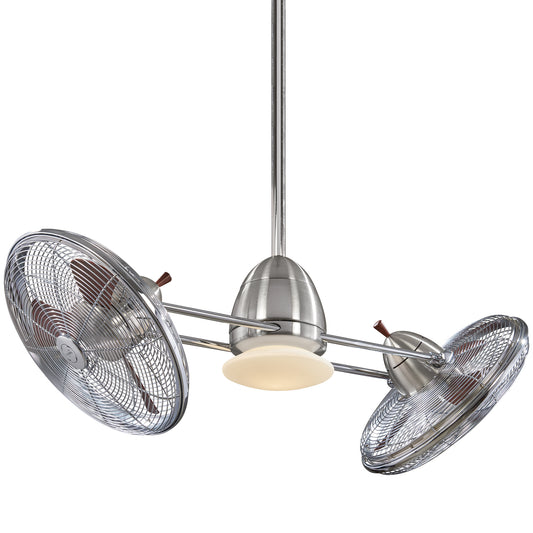
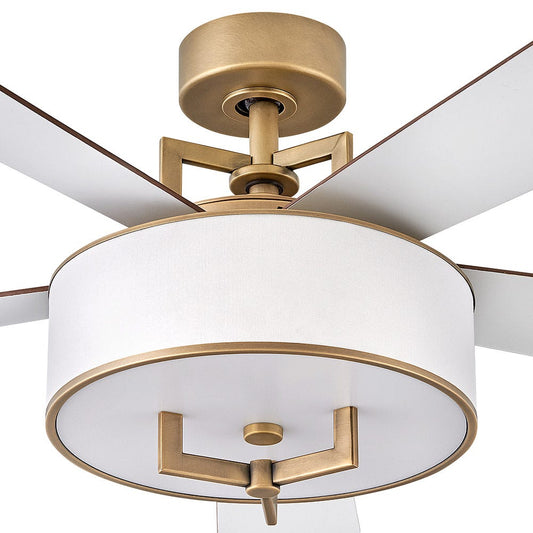
Modern fan design blending sleek metal finishes with warm ambient lighting fixtures.
Practical benefits also include improved ventilation and moisture control. Fans help circulate air in bathrooms and kitchens, reducing humidity and preventing mold growth. In larger homes, they assist in distributing air from central heating and cooling systems more effectively, ensuring consistent comfort throughout every room.
The installation of quality ceiling fans like the Windpointe model demonstrates how modern engineering combines performance with aesthetics. These fans operate whisper-quiet while delivering powerful air movement, making them ideal for bedrooms, living spaces, and even offices where noise considerations matter.
How to Choose the Right Model for Your Space
Selecting the perfect ceiling fan involves understanding your specific needs and room characteristics. Start by measuring your space—rooms up to 75 square feet work well with 36-inch fans, while larger spaces benefit from 42 to 56-inch models. Extra-large rooms or open floor plans might require multiple fans or specialized commercial-grade options.
Motor quality directly impacts performance and longevity. Look for models featuring sealed bearings and quality motors from trusted manufacturers. The Levon motor represents premium engineering with advanced cooling systems that extend operational life. Examine warranty terms—better manufacturers typically offer extended coverage demonstrating confidence in their products.
Noise levels matter significantly, especially for bedrooms and quiet spaces. Superior models operate at 25 decibels or lower on low speed, essentially unnoticeable during normal activities. Budget models sometimes generate unwanted noise that becomes irritating over time, so prioritize quality if you plan extended use in sleeping areas.
Blade material and design influence both aesthetics and performance. Wooden blades offer traditional elegance and excellent balance, while modern options feature composite or metal blades. Blade pitch—the angle relative to horizontal—affects air movement efficiency. Steeper angles push more air but may increase noise.

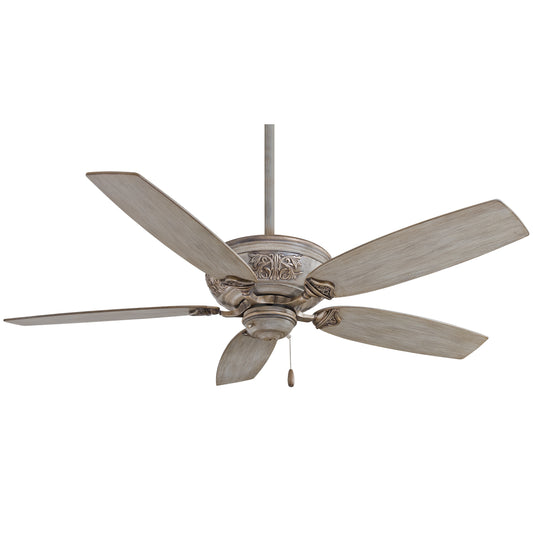
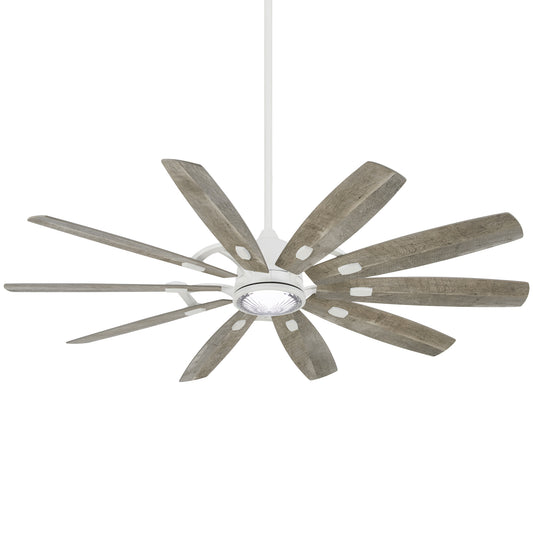
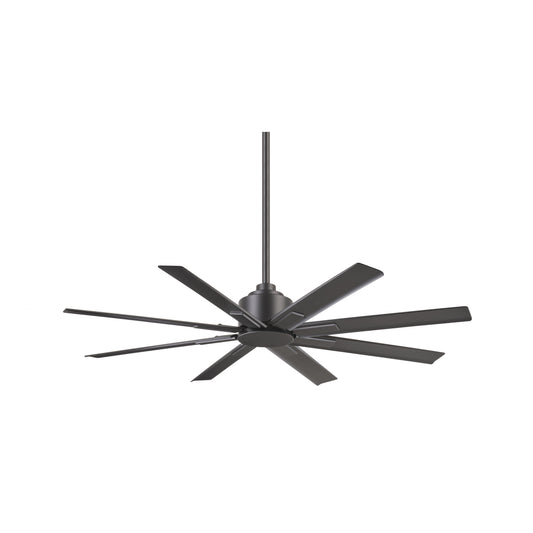
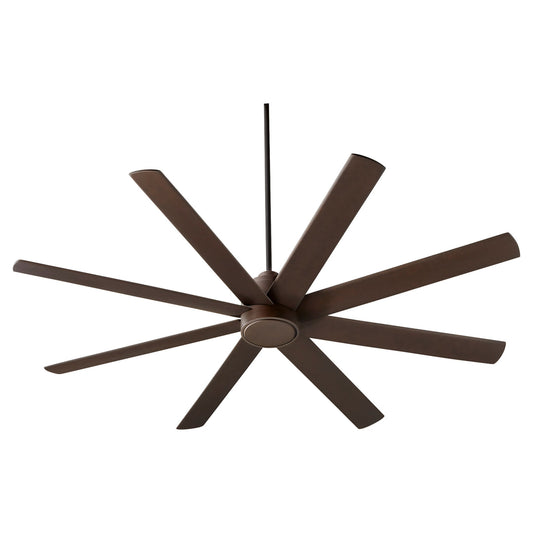
Ceiling fans displaying varied blade designs from traditional wood to contemporary metal styles.
Features to consider include remote control operation, reversible motors for year-round use, integrated lighting, and dimmable options. The Stella motor incorporates smart features allowing convenient speed adjustment and seasonal rotation changes. Modern consumers appreciate these conveniences, especially in primary living areas and master bedrooms.
Installation requirements deserve attention before purchasing. Confirm whether your existing ceiling box supports the fan's weight. Some older homes require upgraded electrical boxes. Professional installation typically costs 100 to 200 dollars but ensures safe operation and proper warranty compliance.
Frequently Asked Questions
How much can a ceiling fan reduce my energy bills?
A ceiling fan can decrease air conditioning costs by 10 to 40 percent depending on usage patterns and climate. The most significant savings occur when fans run while air conditioning operates, allowing you to increase thermostat settings by several degrees while maintaining comfort. In winter, reverse blade rotation circulates warm air downward from ceilings, potentially reducing heating costs by 15 percent.
Is professional installation necessary or can I install a fan myself?
Homeowners with electrical experience can install ceiling fans independently using included instructions and basic tools. However, professional installation is recommended if you lack electrical knowledge, have outdated wiring, or need to upgrade ceiling support boxes. Many retailers offer installation services at reasonable rates, ensuring your new fan operates safely and functions optimally.
What size fan do I need for my bedroom?
For bedrooms up to 144 square feet, a 42-inch fan provides adequate air circulation. Larger master bedrooms benefit from 52 to 56-inch models. Consider ceiling height as well—fans mounted on cathedral or vaulted ceilings may require different sizing. Measure your space and consult manufacturer sizing charts to determine the ideal option for your specific room dimensions.
Can I use a ceiling fan in a damp bathroom or kitchen?
Most standard fans should not be used in bathrooms or kitchens where moisture and steam are prevalent. However, specialized wet-rated and damp-rated models exist specifically designed for these challenging environments. Check product specifications carefully—damp-rated fans suit covered patios and kitchens with adequate ventilation, while wet-rated fans handle direct moisture exposure in open-air environments.
How often should I clean and maintain my ceiling fan?
Clean fan blades quarterly or as dust accumulates, using a microfiber cloth or dusting tool. This prevents dust buildup that reduces efficiency and can spread allergens throughout your home. Annually inspect mounting brackets, check for wobbling during operation, and ensure lights function properly. Minimal maintenance keeps your fan operating smoothly for many years.
Final Thoughts and Advice
Investing in quality home ceiling fans represents one of the smartest decisions for improving comfort while managing energy expenses. Whether you prioritize cost savings, enhanced air circulation, or sophisticated design, today's options cater to every preference and budget level. The Aire Deluxe model exemplifies how modern engineering delivers both performance and style in a single fixture.
Plan your purchase thoughtfully by assessing your space requirements, measuring dimensions accurately, and reading customer reviews from verified buyers. Prioritize reputable manufacturers offering strong warranties and reliable customer service. Quality fans may cost more initially but deliver years of reliable performance and consistent energy savings that justify the investment.
Remember that ceiling fans work best alongside proper insulation, weatherproofing, and efficient air conditioning systems. In combination, these elements create comfortable living spaces while keeping utility costs reasonable. Whether upgrading a single bedroom or outfitting your entire home, ceiling fans provide immediate benefits you'll enjoy every single day.
Ready to transform your living spaces? Visit our collection to explore styles and features that match your needs. Professional installation services ensure proper setup and optimal performance from day one. Experience the comfort, savings, and style that quality fans bring to modern homes—your perfect solution awaits today.
For those planning events or gatherings, creating the ideal atmosphere matters. Check out Party Savvy for event planning tips that work beautifully with properly ventilated spaces.

An Owner of The Fan Connection, Selling Ceiling Fans for the past 15 years and been in business since 1979. Living in Florida the sunshine state, Love my pup Trooper.


