







How to Choose Quiet Bedroom Ceiling Fans for Sleep
Updated on: April 4, 2026
Creating a peaceful sleep environment starts with choosing the right cooling solution. Quiet bedroom ceiling fans combine efficient air circulation with whisper-soft operation, allowing you to stay comfortable without disruptive noise. Discover how modern fan designs deliver superior performance while maintaining the tranquility your bedroom deserves.
Table of Contents
- Why Quiet Bedroom Ceiling Fans Matter
- Key Benefits of Silent Operation
- How Noise Reduction Technology Works
- Choosing the Right Silent Fan
- Installation and Setup Tips
- Frequently Asked Questions
Why Quiet Bedroom Ceiling Fans Matter
Sleep quality directly impacts your health, mood, and productivity throughout the day. Many people struggle to rest because of environmental noise and temperature fluctuations. Traditional ceiling fans often create distracting hum and vibration, making it nearly impossible to achieve the deep, restorative sleep your body needs. This is where quiet bedroom ceiling fans become essential.
Modern sleep science confirms that noise levels above 30 decibels can disrupt sleep cycles and reduce time spent in deep sleep stages. A whisper-quiet fan operates around 20 to 25 decibels, similar to a quiet library or rustling leaves. This allows your brain to remain in a relaxed state, promoting natural melatonin production and uninterrupted rest.
Beyond sleep improvement, quiet fans provide consistent air circulation without the irritating background noise that keeps you awake or forces you to wear earplugs. The gentle airflow helps regulate body temperature throughout the night, addressing one of the most common reasons people wake during sleep.

Serene bedroom at night with soft ambient lighting and calm sleep environment symbolizing peaceful rest
Key Benefits of Silent Operation
Investing in quiet bedroom ceiling fans delivers multiple advantages that extend far beyond basic cooling. Understanding these benefits helps you make an informed decision for your home.
Undisturbed Sleep: The primary advantage is uninterrupted rest. Without constant noise, your sleep deepens naturally, allowing your body to complete full sleep cycles. Users report waking less frequently and feeling more refreshed in the morning.
Reduced Stress and Anxiety: Ambient noise triggers stress responses in your nervous system. A silent fan eliminates this trigger, allowing your body to remain calm throughout the night. This leads to lower cortisol levels and improved overall wellness.
Better Focus During the Day: Quality nighttime sleep directly improves daytime concentration. People who sleep well without noise disruption report enhanced focus, better memory retention, and improved decision-making abilities.
Cost Savings: Quiet fans with advanced motor technology operate more efficiently than traditional models. They consume less electricity while delivering superior airflow, reducing your monthly utility bills without sacrificing comfort.
Compatibility with Light Sleep Environments: If you share your bedroom with a partner, a quiet fan won't disturb their sleep. Both of you can enjoy cool temperatures without compromise, improving relationship satisfaction and mutual rest quality.
Long-Term Durability: Quieter operation indicates superior engineering and material quality. Reduced vibration and noise mean less mechanical stress on components, resulting in longer fan lifespan and fewer maintenance needs.
How Noise Reduction Technology Works
Understanding the mechanics behind silent operation helps you appreciate why quiet bedroom ceiling fans cost slightly more than standard models. Modern manufacturers implement multiple noise-reduction strategies simultaneously.
Advanced Motor Design: High-quality motors feature precision-engineered components with tighter tolerances. This reduces vibration, the primary source of ceiling fan noise. Premium motors also include rubber isolation mounts that absorb vibration before it reaches the mounting bracket and ceiling structure.
Optimized Blade Geometry: Blade shape significantly affects noise production. Engineers design fan blades with aerodynamic curves that minimize air turbulence. This creates smoother, more efficient airflow and dramatically reduces the whooshing sounds associated with older fans.
Balanced Weight Distribution: Perfectly balanced blades and rotors eliminate wobbling during operation. Even slight imbalances cause noticeable vibration and noise. Manufacturers use precision balancing equipment to ensure each component meets exacting specifications.
Sound-Dampening Materials: Quality fans incorporate sound-absorbing materials within the motor housing. These materials reduce noise transmission from internal components to the outer casing, creating a noticeably quieter operation.
Variable Speed Control: Many quiet fans feature multiple speed settings. Lower speeds operate with virtually no audible noise, perfect for sleeping, while higher speeds remain significantly quieter than conventional fans at comparable settings.

Cross-section diagram showing internal motor components and sound-dampening technology layers in precision engineering
Choosing the Right Silent Fan
Selecting the perfect quiet bedroom ceiling fan requires considering several important factors beyond just noise levels.
Room Size Compatibility: Fans come in different sizes, typically 36 to 56 inches in diameter. Choose a size proportional to your bedroom. Undersized fans won't circulate air effectively, while oversized fans may create unnecessary air movement. A 44 to 48-inch fan works well for most standard bedrooms.
Decibel Rating: Always check the decibel rating, typically listed on product specifications. Look for fans rated at 25 decibels or lower for truly quiet operation. Some premium models achieve operation as quiet as 20 decibels.
Motor Quality: Invest in fans with brushless DC motors or premium AC motors from reputable manufacturers. These motors run cooler, last longer, and operate with significantly less noise than budget alternatives. Consider fans featuring premium motor technology for optimal performance.
Airflow Rating: Measured in cubic feet per minute (CFM), airflow indicates how much air the fan circulates. Higher CFM doesn't necessarily mean noisier operation with modern designs. Look for fans offering 3,000 to 4,000 CFM while maintaining low noise levels.
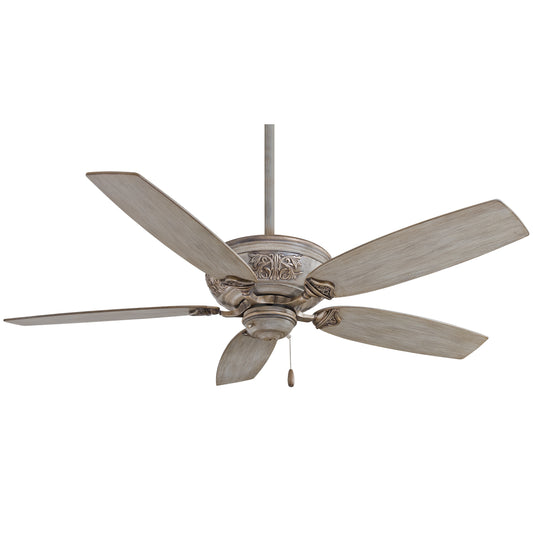
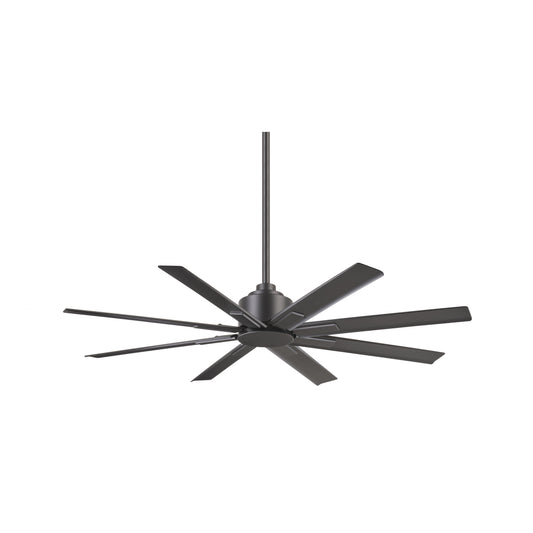
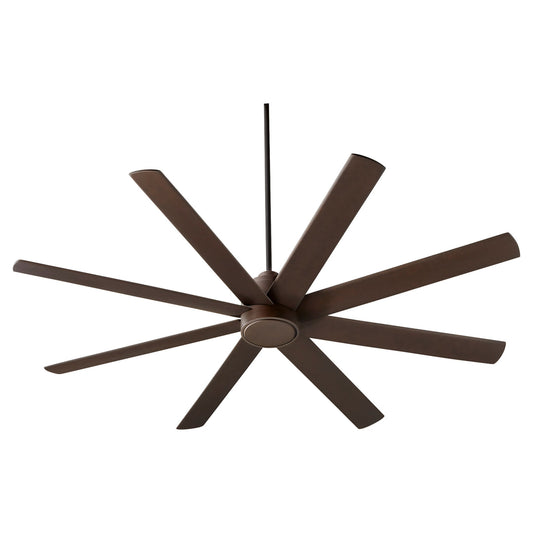
Style and Design: Your fan should complement your bedroom decor. Modern quiet fans come in contemporary, traditional, and minimalist designs. Browse options like the Stella Motor collection for stylish, silent solutions.
Energy Efficiency: Look for fans with ENERGY STAR certification. These models meet strict efficiency standards, reducing electricity consumption while delivering consistent performance. Over several years, energy savings offset the higher initial investment.
Installation and Setup Tips
Proper installation ensures your quiet bedroom ceiling fan operates at its designed noise level. Poor installation can introduce vibration and noise that undermines the fan's quiet operation.
Professional Installation: While many people install ceiling fans themselves, professional installation guarantees proper mounting and electrical connections. This investment protects your warranty and ensures optimal performance from day one.
Ceiling Preparation: Ensure your ceiling can support the fan's weight. Most bedroom ceilings accommodate standard ceiling fans, but verify your ceiling joists can handle the installation. Improper mounting causes dangerous vibration and noise.
Balanced Mounting: Use the manufacturer's mounting hardware exactly as specified. Proper mounting eliminates vibration transmission to the ceiling structure, which is critical for maintaining quiet operation.
Blade Installation: Follow instructions carefully when installing blades. Each blade should be at identical angles and properly secured. Misaligned blades create significant vibration and noise even in premium fans.
Electrical Considerations: Ensure adequate electrical capacity and proper grounding. Some quiet fans feature advanced electrical components requiring proper installation to function safely and silently.
Remote Control Setup: If your fan includes a remote control, test all speed settings and ensure the receiver operates smoothly. Quality remote controls contribute to the overall quiet operation by providing seamless speed transitions.
Explore premium installation-ready models like the Aire Deluxe series designed for straightforward, reliable setup in bedroom environments.
Frequently Asked Questions
What decibel level is considered truly quiet for bedroom ceiling fans?
Fans operating at 25 decibels or below are considered truly quiet for bedroom use. This matches the sound level of a quiet library or whispered conversation. For reference, normal conversation occurs around 60 decibels, and busy traffic reaches 70 decibels. Anything below 30 decibels won't disrupt sleep for most people, though individual sensitivity varies.
Do quiet fans cost significantly more than traditional ceiling fans?
Quality quiet bedroom ceiling fans typically cost 20 to 40 percent more than basic models due to superior motor technology, precision engineering, and sound-dampening materials. However, long-term benefits justify the investment. Enhanced sleep quality, reduced stress, lower energy bills, and extended fan lifespan combine to provide excellent value. Many people find that improved sleep quality alone justifies the additional expense.
Can I install a quiet bedroom ceiling fan in any bedroom?
Most bedrooms can accommodate standard ceiling fans provided you have adequate ceiling height (minimum 7.5 feet) and proper electrical circuits. Vaulted or sloped ceilings may require special adapters. Rooms with low ceilings benefit from low-profile fan designs. Consult installation guides or contact professionals if your bedroom has unusual architecture. Products like the Arden model offer versatile installation options for various ceiling configurations.
Will a quiet fan still provide adequate air circulation for temperature control?
Absolutely. Modern quiet fans deliver excellent airflow while maintaining silent operation. Advanced blade design and high-quality motors enable these fans to circulate 3,000 to 4,000 CFM with virtually no noise. You'll enjoy superior temperature control without sacrificing peace and quiet.
How often do quiet bedroom ceiling fans require maintenance?
Quality quiet fans require minimal maintenance. Dust blades monthly using a soft cloth to maintain optimal airflow and performance. Check mounting hardware annually to ensure everything remains tight and secure. With proper care, premium quiet fans last 10 to 15 years or longer, compared to 5 to 7 years for standard models.
Are quiet fans suitable for people with sensitive hearing?
Yes, quiet bedroom ceiling fans are ideal for people with sensitive hearing. Their silent operation eliminates the stress response triggered by ambient noise. Many customers with hearing sensitivity report that quiet fans actually help them sleep better by removing distracting sounds entirely.
Transform your sleep experience with quiet bedroom ceiling fans designed for peaceful rest and optimal comfort. Browse our collection of silent, efficient fans that combine superior performance with whisper-quiet operation. Visit WindPointe series or explore our complete selection to find the perfect quiet fan for your bedroom. Your peaceful night's sleep awaits—invest in quality rest today.

An Owner of The Fan Connection, Selling Ceiling Fans for the past 15 years and been in business since 1979. Living in Florida the sunshine state, Love my pup Trooper.


