











Industrial Ceiling Fans: Size and Mounting Guide
Updated on: 2026-09-12
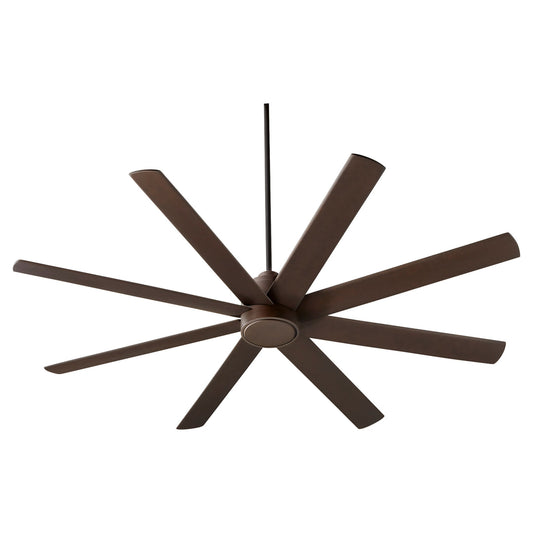
Industrial ceiling fans are built to move serious air in large spaces, helping rooms feel more comfortable and work faster. They can improve airflow in warehouses, workshops, storefronts, and garages without complicated duct systems. When you choose the right blade size, motor strength, and mounting style, you get quieter performance and better coverage. This guide walks you through pros and cons, buyer checkpoints, and practical setup tips so you can shop with confidence.
Table of Contents
- Introduction
- Did You Know?
- Comparison: Pros & Cons
- Buyer’s Checklist
- Installation Best Practices
- Maintenance and Everyday Usage
- Visual: Airflow Coverage
- Why Many Buyers Choose Fan & Lights
- Visual: Smart Sizing
- Final Thoughts & Advice
- Q&A
Industrial ceiling fans that make big spaces feel comfortable
If you manage a workshop, a warehouse, a retail floor, or a spacious garage, you already know the problem: air gets trapped near the ceiling and the comfort you want never quite reaches the ground. Industrial ceiling fans solve that by creating steady, directed airflow. The right fan helps reduce hot spots, supports better circulation, and can make day-to-day work feel easier.
Unlike smaller fans meant for bedrooms, industrial models are designed for bigger spans, heavier duty use, and stronger airflow output. They also tend to use sturdier components that handle continuous operation. When you pick the correct size and mounting approach, you get better coverage and smoother airflow, which helps spaces feel more usable all year long.
In this guide, you’ll learn how to choose based on ceiling height, blade span, motor strength, and control preferences. You’ll also see practical placement tips and maintenance habits that protect performance. Finally, you’ll find product links to help you shop the right direction.
Did You Know?
- Ceiling fans help move warm air downward in cooler months when used with the proper direction.
- In large rooms, airflow creates a “mixing effect” that reduces stagnant zones near walls and corners.
- Proper blade clearance matters as much as fan size for safe, efficient performance.
- Many comfort complaints in big spaces are really airflow issues, not temperature alone.
- Noise often comes from imbalance, worn parts, or poor installation, not just the fan’s horsepower.
Comparison: Pros & Cons
- Pros: Strong airflow for big rooms — Moves more air across larger spaces, improving comfort and visibility.
- Pros: Better coverage with larger blade spans — Helps reduce dead zones in high-ceiling areas.
- Pros: Built for frequent use — Many industrial designs focus on durability for demanding environments.
- Pros: Year-round circulation — Use fan direction seasonally to support overall comfort.
- Cons: Needs correct sizing — Too small a fan won’t reach the coverage you need.
- Cons: Installation requirements — Mounting height, electrical access, and support must be done correctly.
- Cons: Control planning — If you want zoning or quiet operation, you may need compatible controls.
Buyer’s Checklist
Before you buy, take a few minutes to match the fan to the space. This avoids costly returns and helps ensure your industrial ceiling fans deliver the comfort and airflow you expect.
- Measure ceiling height — Choose mounting and blade clearance that fit safely.
- Match blade span to room size — Larger spans usually cover more area, especially in wide layouts.
- Decide where the airflow should go — Aim to reach the primary work or seating zone, not just the center.
- Confirm motor duty and expected runtime — If you run fans for long stretches, prioritize reliability.
- Check blade pitch and balance — These affect airflow and smoothness.
- Choose the right finish style — Industrial doesn’t have to look harsh; you can match the room’s design.
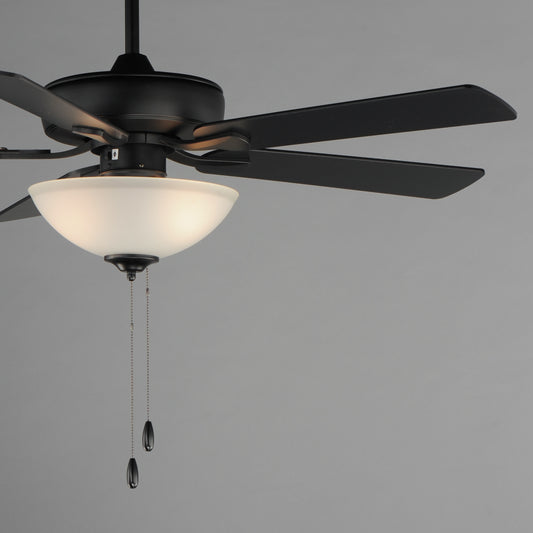
- Plan for controls — Pull-chain, wall controls, or compatible systems all change day-to-day convenience.
- Consider reversible features — This supports seasonal comfort strategies.
Installation Best Practices
Even a great fan can underperform if it’s installed incorrectly. For industrial spaces, correct installation is what turns airflow into real comfort.
- Use secure mounting hardware — Fans must be supported by a proper ceiling anchor or rated bracket.
- Keep proper blade clearance — Follow the recommended spacing so blades never interfere with fixtures, ductwork, or structural elements.
- Center and level the fan assembly — A balanced, level installation reduces wobble and noise.
- Route wiring safely — Use appropriate electrical connections and protect wiring from strain.
- Test airflow direction — After setup, confirm airflow behavior in your space and adjust as needed.
If your ceiling is high or the room has unusual angles, consider professional installation. It’s not just about safety; it’s about getting the performance you paid for.

Ceiling-to-floor airflow arrows over a large room layout
Maintenance and Everyday Usage
To keep your industrial fan running strong, maintenance should be simple and consistent. Dust is common in workshops and warehouses, and it can affect airflow and smooth operation.
- Dust blades regularly — Light cleaning keeps balance stable and airflow efficient.
- Inspect hardware over time — Check that fasteners remain tight after initial use.
- Listen for changes — New noises can indicate an imbalance or buildup that needs attention.
- Use the correct seasonal direction — In cooler weather, airflow can help move warmer air down.
- Keep airflow paths clear — Avoid placing obstacles that block circulation near the work zone.
These habits help protect long-term performance and keep energy use under control by improving comfort without fighting stagnant air.
Why many buyers choose Fan & Lights
When you’re shopping for industrial ceiling fans, you want more than airflow. You want a brand that makes it easy to select a fan that fits the ceiling, the room, and your everyday routines. Fan & Lights focuses on ceiling fan solutions designed to look good and perform well, whether you’re furnishing a functional workspace or a larger open area.
Here are a few reasons shoppers often feel confident with Fan & Lights:
- Product variety for different ceiling needs — Options can help you match fan style and scale to the room.
- Design-forward choices — Industrial style can still look polished.
- Clear paths to shop by product — Links make it faster to compare motor and design options.
Explore a few motor and fan options that shoppers commonly consider when upgrading airflow. Start with a model designed for durable daily use, then compare style and build:
Tip: If you’re outfitting a full workspace, compare more than just the look. Confirm blade span, mounting fit, and control approach so the fan works with your real setup, not a generic plan.

Room size grid with labeled zones for fan coverage
Final Thoughts & Advice
Industrial ceiling fans are one of the most effective upgrades for large indoor spaces. They help solve the everyday discomfort of still air, reduce hot and cold pockets, and support more consistent airflow where people and work matter most.
To buy confidently, focus on four things: matching blade span to room size, planning ceiling clearance, choosing a motor suited to your runtime, and installing with care. If you do those steps right, you’ll enjoy steadier circulation and quieter operation over time.
Ready to improve airflow in your space? Browse ceiling fan options and motors designed for stronger performance at Fan & Lights. Pick the fan that fits your ceiling and your daily needs, and enjoy a more comfortable environment right away.
Disclaimer: This article is for general information only and does not replace professional electrical or installation advice. Always follow the installation instructions provided with your fan and consult a qualified technician for electrical work or unusual ceiling conditions.
Q&A
How do I choose the right size for industrial ceiling fans?
Start with room dimensions and ceiling height. Larger rooms typically need wider blade spans and enough clearance to cover the main work zone. If the space is long or segmented, plan airflow paths by placing fans to reach the areas where comfort is most important.
Are industrial ceiling fans noisy?
They can be quiet when installed correctly and when blades stay balanced. Noise often comes from wobble, loose hardware, or dust buildup. Choose a model suited to your space, ensure a level installation, and clean blades periodically.
Can I use ceiling fans year-round in a large room?
Yes. Many industrial ceiling fans can support seasonal comfort by changing airflow direction. In warmer months, you’ll typically want airflow that cools occupants; in cooler months, you can aim air to help move warmer air downward.
What’s the best placement for airflow coverage?
Place the fan where it can circulate air through the main activity area. In larger layouts, consider avoiding obstacles that block airflow and ensure the fan’s center is positioned for balanced circulation across the space.

An Owner of The Fan Connection, Selling Ceiling Fans for the past 15 years and been in business since 1979. Living in Florida the sunshine state, Love my pup Trooper.


