











Mastering Fan and Lighting Connections for Safe Setup
Updated on: March 19, 2026
Connecting ceiling fans with lighting systems creates a seamless, integrated home environment that enhances comfort and energy efficiency. Learn how to properly connect fan and lighting fixtures, explore the benefits of unified control, and discover which products deliver the best performance for modern homes. This guide walks you through everything you need to know to upgrade your space.
Table of Contents
- Understanding Fan and Lighting Connection Systems
- Benefits and Drawbacks of Integrated Control
- Step-by-Step Installation Guide
- Frequently Asked Questions
- Final Thoughts and Next Steps
Understanding Fan and Lighting Connection Systems
Modern homes benefit tremendously from integrated ceiling fan and lighting connection setups. These systems allow homeowners to control both components from a single switch or remote, eliminating the need for separate controls. When fans and lights work together seamlessly, you create an environment that feels cohesive, controlled, and responsive to your comfort needs.
A properly installed fan and light connection system uses either a standard wall switch, wall-mounted remote control, or smart home integration. The electrical wiring runs through your home's circuit breaker, connecting to the ceiling fixture with precision. This unified approach not only looks cleaner but also provides practical advantages like synchronized operation and easier maintenance.
Understanding the basics of how these connections work helps you make informed decisions about which products suit your home best. Different ceiling fans come with varying motor types and lighting capabilities. Some feature advanced motors like those found in premium models, while others focus on reliable, straightforward operation. The key is matching your needs with the right equipment.

Integrated control panel showing fan speed and light brightness adjustment options.
Benefits and Drawbacks of Integrated Control
Advantages of Connected Systems
- Simplified Control: One remote or switch manages both fan speed and lighting intensity, reducing clutter and confusion.
- Energy Efficiency: Coordinated operation allows you to optimize cooling and lighting simultaneously, potentially lowering energy bills.
- Enhanced Aesthetics: Fewer visible switches and controls create a cleaner, more modern appearance in any room.
- Smart Home Compatibility: Many modern systems integrate with voice assistants and mobile apps for remote operation.
- Improved Comfort: Adjust both airflow and ambient lighting to match your mood and needs instantly.
- Increased Home Value: Modern ceiling fan installations with integrated lighting appeal to potential buyers.
Potential Challenges
- Initial Installation Cost: Quality systems require professional installation, which adds upfront expenses.
- Complexity in Older Homes: Homes with outdated wiring may need upgrades before installation.
- Limited Flexibility: Once connected, separate operation becomes difficult without additional wiring modifications.
- Technical Support Dependency: Smart-enabled systems may require manufacturer support for troubleshooting.
Step-by-Step Installation Guide for Fan and Lighting Connection
Gather Your Tools and Materials
Before beginning, collect all necessary items: a screwdriver set, wire strippers, electrical tape, a voltage tester, mounting brackets, and the ceiling fan with integrated lighting unit. Review the manufacturer instructions thoroughly. If your home requires a new circuit or wiring upgrades, consult a licensed electrician. Safety always comes first in any electrical project.
Turn Off Power at the Breaker
Navigate to your home's electrical panel and switch off the circuit that controls the area where you are installing the fan. Use a voltage tester to confirm that power is completely disconnected. This critical step prevents electrical shock and ensures your safety throughout the installation process.
Remove Existing Fixtures
If replacing an old ceiling fan or light, carefully remove the existing fixture. Disconnect the wiring by unscrewing wire connectors and gently separating the cables. Take photos of the wire configuration before removal so you can reference the correct connections. This documentation prevents mistakes during reconnection.
Install the Mounting Bracket
Secure the mounting bracket to the ceiling electrical box using the provided hardware. Ensure it sits level and firmly attached. The bracket serves as the foundation for your entire installation, so verify stability before proceeding to the next step.

Mounting bracket installation with wire routing through center hole for organized connections.
Connect the Electrical Wiring
Most ceiling fans with integrated lighting have three primary wire connections: hot (typically black), neutral (white), and ground (copper or green). Match these wires to your home's existing electrical lines using wire connectors. Twist each pair together firmly, then screw on a connector until snug. Wrap connections with electrical tape for added safety. Tuck all wires neatly into the electrical box, making sure nothing is pinched or strained.
Attach the Fan Canopy
Slide the decorative canopy up to the ceiling, positioning it around the mounting bracket. Secure it with the provided screws, ensuring a flush fit against the ceiling. The canopy hides all wiring and creates a finished appearance.
Install Blades and Light Fixtures
Following the manufacturer's specific instructions, attach ceiling fan blades to the motor housing using the hardware provided. Then install your light fixtures—whether bulbs, LED modules, or integrated lighting units. Verify that all components sit securely before moving forward.
Test the System
Restore power at the circuit breaker. Turn on the wall switch and test both fan operation and lighting function. Confirm that speed controls and dimmer switches respond correctly. If anything malfunctions, turn off power immediately and review your connections.
Frequently Asked Questions
Can I install a ceiling fan with integrated lighting in any room?
Most rooms work well with ceiling fans featuring integrated lighting, including bedrooms, living areas, kitchens, and outdoor covered spaces. However, bathrooms and areas with high moisture require moisture-resistant models. Always check your home's ceiling height—most ceiling fans need minimum clearance of seven feet from the floor to blade tips for safe operation. Additionally, ensure your electrical box can support the fan's weight; standard boxes sometimes require reinforcement.
What is the difference between remote-controlled and switch-controlled systems?
Switch-controlled systems use traditional wall switches to operate fans and lights separately or together, depending on wiring configuration. Remote-controlled options offer wireless convenience, allowing operation from anywhere in the room. Smart systems go further, integrating with your home automation network for voice control and scheduling. Choose based on your lifestyle preferences and existing home infrastructure. Remote systems add convenience but require battery replacement and occasional troubleshooting.
Do I need a professional electrician for installation?
While experienced homeowners with electrical knowledge can sometimes handle installation, hiring a licensed electrician is strongly recommended. Professionals ensure code compliance, proper grounding, and safe wiring practices. The investment in professional installation protects your home's safety and often qualifies for warranties. Many electricians also handle any necessary panel upgrades or circuit additions your home might need.
How do I maintain an integrated fan and lighting system?
Regular maintenance keeps your system running smoothly. Clean ceiling fan blades monthly to prevent dust buildup that reduces airflow efficiency. Check light bulbs or LED modules quarterly and replace them as needed. Inspect visible wiring for damage or loose connections annually. If your system uses a remote control, replace batteries when the range decreases. Most modern systems require minimal maintenance beyond these basic tasks.
What products offer the best integrated fan and lighting solutions?
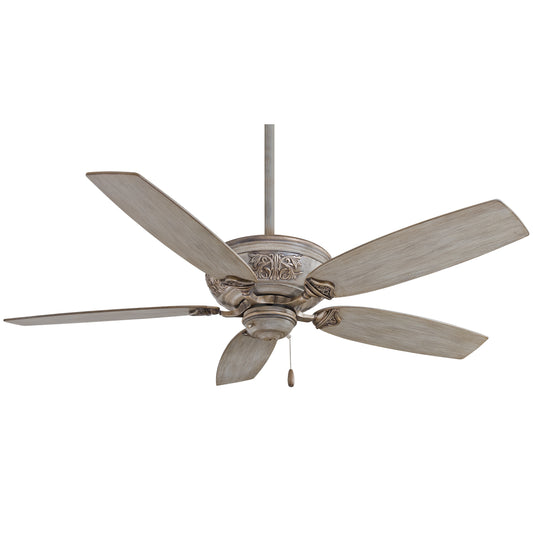
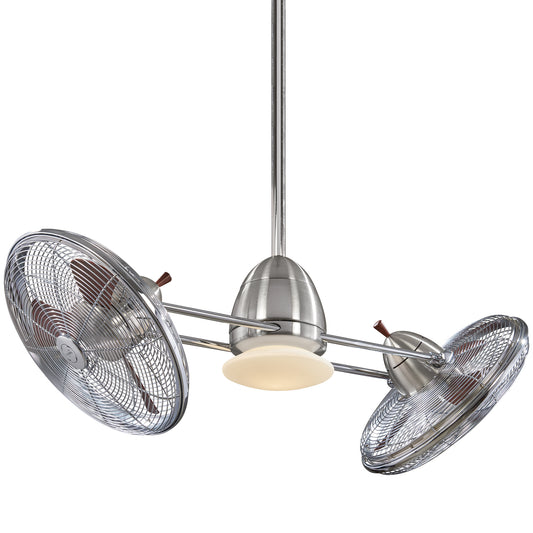
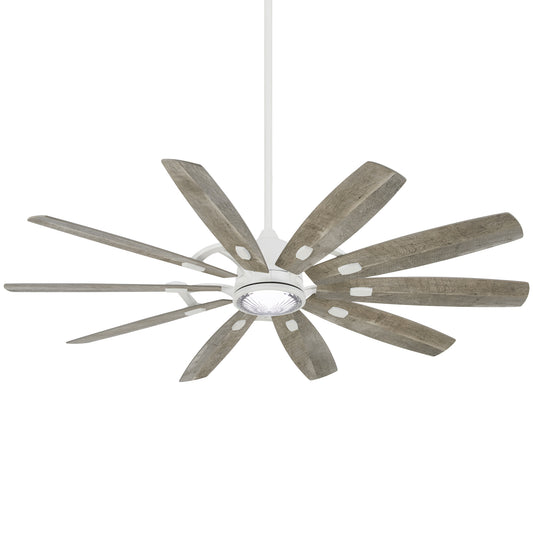
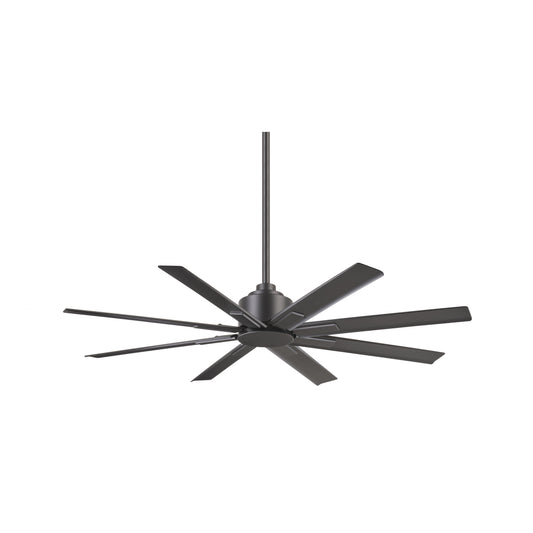
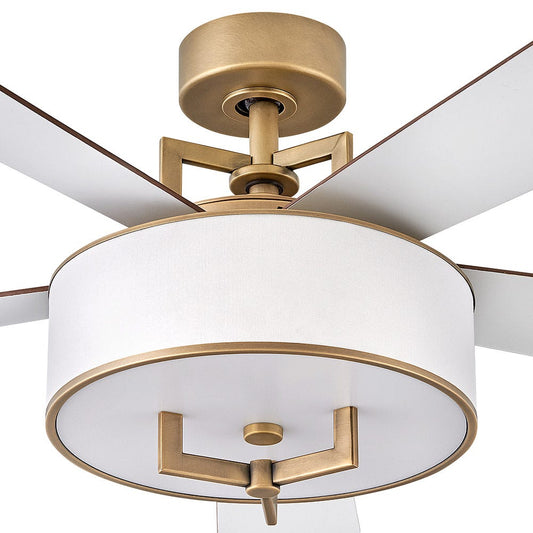
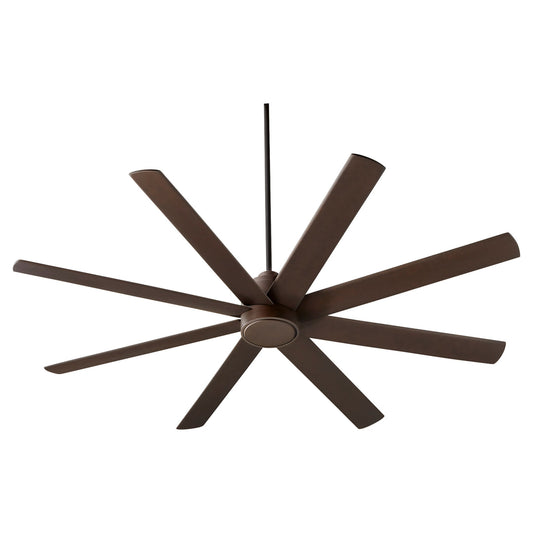
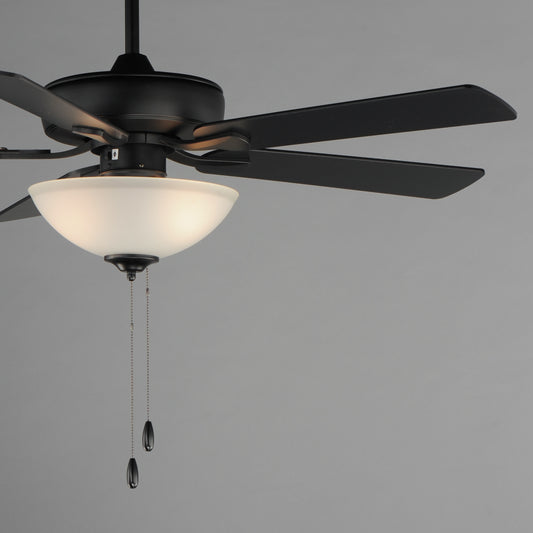
Several excellent options exist for homeowners seeking quality integrated systems. The Levon Motor ceiling fan provides reliable performance with smooth lighting integration, making it a popular choice for contemporary homes. For those prioritizing premium features, the Aire Deluxe model combines elegant design with advanced motor technology. The WindPointe series excels in larger rooms, delivering powerful airflow alongside comprehensive lighting control. For budget-conscious shoppers, the Radius fan balances affordability with dependable quality. Each option includes integrated lighting capabilities and multiple control options to suit different preferences.
Final Thoughts and Next Steps
Connecting ceiling fans with lighting systems transforms how you experience comfort and control in your home. Whether you choose a simple switch-controlled setup or a sophisticated smart system, integrated solutions streamline operation while enhancing your space's functionality and appearance. The initial investment pays dividends through improved comfort, energy savings, and increased home value.
Ready to upgrade your home with an integrated ceiling fan and lighting connection? Browse our extensive selection of premium models designed for every room and budget. Each product undergoes rigorous testing to ensure reliability and performance. Our team stands ready to answer questions and help you find the perfect fit for your needs. Transform your living space today with quality ceiling fan and lighting solutions that deliver lasting value and comfort.


