











Mistakes to Avoid When Buying Ceiling Fans Online
Updated on: October 3, 2026
Ceiling fans can make your home feel cooler, quieter, and more comfortable without major renovations. This guide helps you buy ceiling fans online with confidence by walking through key features, room fit, and airflow basics. You will also learn how to choose the right fan style, lighting option, and control method for your space. By the end, you will know what to look for, which questions to ask, and how to shop smarter.
- Why People Choose to Buy Ceiling Fans Online
- Did You Know?
- Expert Tips for Buying the Right Fan
- How to Choose a Ceiling Fan for Your Room
- Quick Visual Guide
- Installation Essentials (So It Works Great from Day One)
- What to Look For During Setup
- Popular Use Cases by Home Type
- What Shoppers Mention Most
- Summary & Takeaways
- Q&A
Why People Choose to Buy Ceiling Fans Online
If you are ready to upgrade comfort, buying online is one of the easiest paths. When you buy ceiling fans online, you can compare sizes, blade styles, motor types, and lighting options without pressure. You also get clearer product details, so you can match the fan to your ceiling height and your daily needs.
Online shopping also helps you find the “right now” solution. Maybe you need a quiet fan for a bedroom, a strong airflow fan for a living room, or an eye-catching piece with integrated lighting. With the right filter tools and product pages, it is much simpler to narrow down choices and confidently purchase what fits your space.
And when you choose a retailer that focuses on both fans and lighting, you can plan the look as a complete room. That means fewer mismatched fixtures and a more cohesive style from lighting to airflow.
Did You Know?
- A ceiling fan can improve comfort by moving air across your skin, making the room feel better even when temperatures stay steady.
- Blade length matters. The right size helps create stronger airflow where you need it.
- Many modern fans include features that support smoother control and quieter operation.
- If you plan to use the fan year-round, choose a model designed for both warm-weather and cooler-weather use.
Expert Tips for Buying the Right Fan
Experts usually agree on one theme: start with fit and function. Style comes next, because the right airflow performance and installation fit make the biggest difference.
- Measure first: Know your ceiling height and the size of the room. This prevents the common “looks right, but feels wrong” problem.
- Choose airflow goals: Bedrooms often need quiet comfort. Living rooms usually need stronger airflow.
- Pick a control method: Use the included controls that match how you like to manage fan speed and lighting.
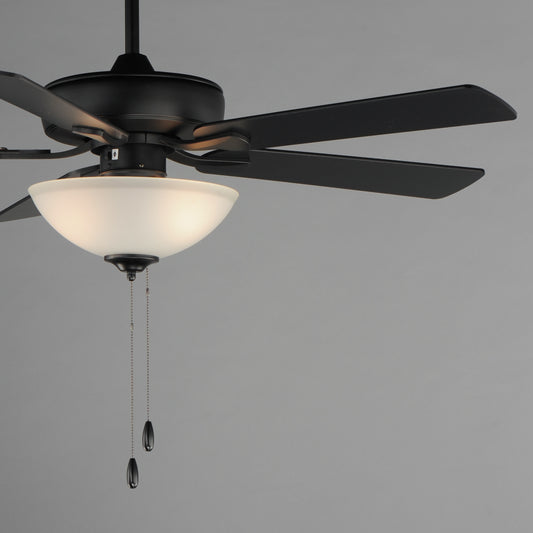
- Match the lighting: If your ceiling area needs more brightness, choose a fan with a light kit. If not, select a fan-only model.
- Plan for maintenance: Smooth motors and sturdy mounting help reduce hassle over time.
How to Choose a Ceiling Fan for Your Room
Not every ceiling fan performs the same way in every space. To buy with confidence, think about five factors: room size, blade span, ceiling height, blade style, and control or lighting needs.
1) Match the fan size to your room
Room size is the simplest starting point. Bigger spaces usually need larger fans to move enough air. Smaller rooms typically feel more balanced with a more compact blade span. If you are unsure, focus on balanced airflow rather than chasing maximum size.
2) Consider ceiling height and clearance
Ceiling fans need proper clearance for safety and airflow. If your ceiling is higher, you may need a downrod setup. If it is lower, you might want a flush-mount style. Getting clearance right also helps the fan look proportional.
3) Decide on lighting now, not later
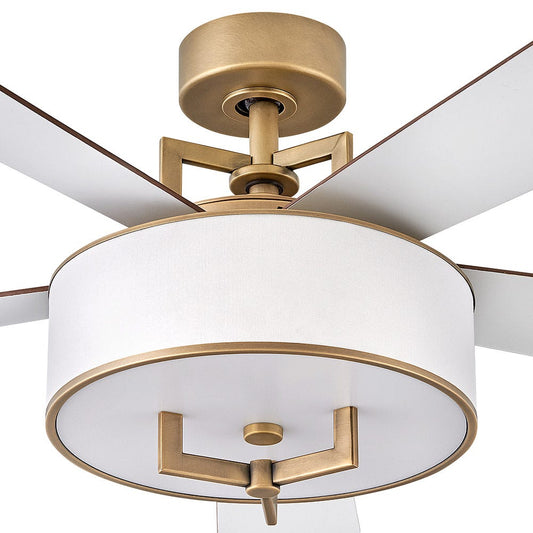
A ceiling fan with lighting can replace or complement existing fixtures. This is especially helpful in living rooms, dining spaces, and hallways where you want both comfort and usable illumination.
If you want to keep lighting separate, you can choose a fan-only model and pair it with wall sconces or pendant lights. Either way, buying intentionally will keep your room from feeling “half finished.”
4) Choose a motor style that fits your comfort needs
Motor performance affects how the fan feels day to day. Some motors are designed for smooth speed changes, while others focus on quiet operation. If you want a fan that feels pleasant at bedtime, prioritize quieter operation and stable performance.
5) Pick a look that fits your space
Blade finishes and hardware details shape the overall vibe. For modern rooms, sleek finishes can blend well. For traditional spaces, classic blade silhouettes can look natural. Choose a look that supports your existing décor, not one that fights it.

Room size, ceiling height, and blade span icons
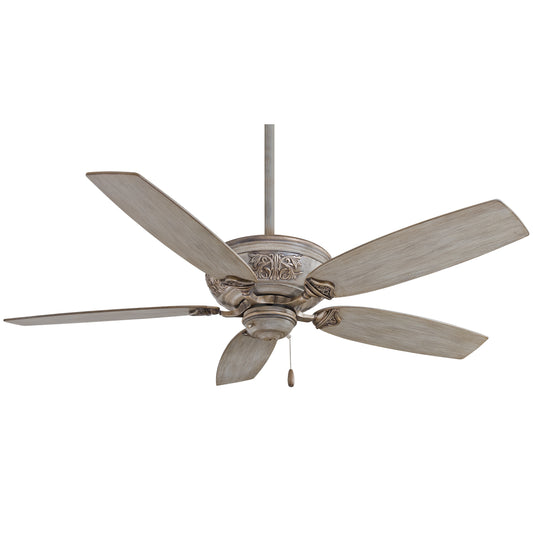
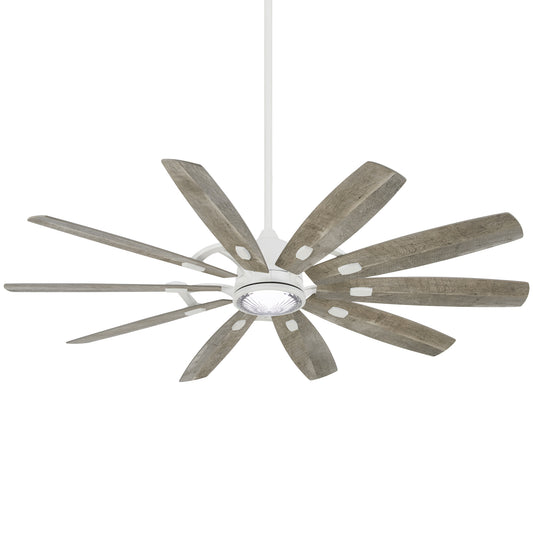
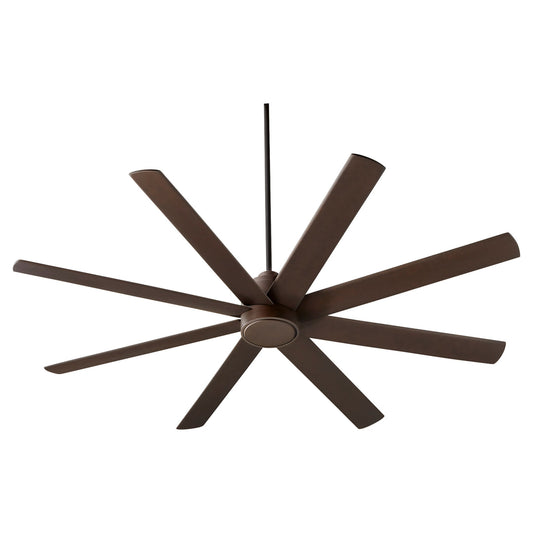
If you want an example of how product features can match different spaces, consider browsing motor-driven options such as a statement piece for open living areas. You can also choose a fan with a lighting focus when your room needs both airflow and brightness.
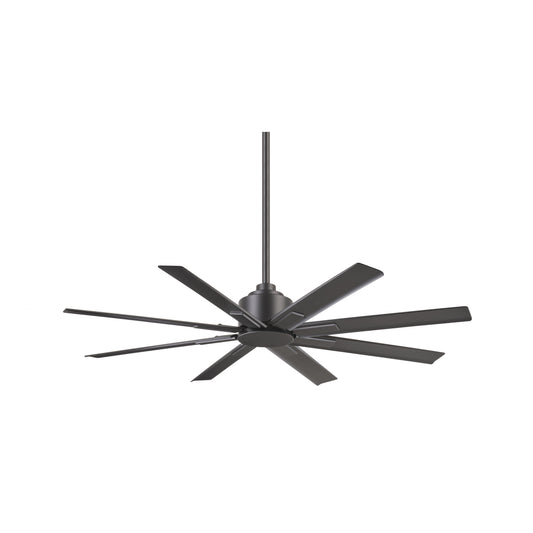
For a more modern feel, some shoppers love the clean look of Xeno ceiling fan. If you want a balanced fan-and-light approach, you may like Celano V2. And if your priority is a classic, sturdy look, Hawkeye is a strong option to explore.
Installation Essentials (So It Works Great from Day One)
Great ceiling fans can still fall short if installation is off. Before you start, review the instructions, confirm ceiling mounting compatibility, and ensure you have the right tools. If you are not comfortable with electrical work, hire a qualified professional. That small step protects safety and helps the fan perform as intended.
Check the mounting surface
Your ceiling fan needs a secure mount point. If you have an existing ceiling box, confirm it is rated for ceiling fans. A weak mount can lead to wobble, noise, and inconsistent airflow.
Balance the blades
Blade wobble usually comes from incorrect alignment, uneven blade placement, or a missing fastener. Most fans include balancing steps in the setup process. Taking time during setup helps the fan feel smooth on every speed.
Set clearance for airflow
Too little clearance can restrict airflow. Too much can make the fan feel visually disconnected. The goal is safe, comfortable airflow at the right height for your room.
Test controls and fan speeds
After installation, test the fan at different speeds and verify that the controls respond correctly. If you add a light kit, check the brightness and confirm it turns on reliably. This also gives you time to address any wiring issues before everything is fully finished.

Checklist and alignment lines for smooth blade setup
For shoppers looking for a guided shopping experience, selecting products designed for a clean installation experience can reduce guesswork. If you want options that often match a range of décor styles, it can help to explore collections and compare motor-driven designs like Amped or other ceiling fan styles that emphasize dependable day-to-day use.
Popular Use Cases by Home Type
Ceiling fans work in many spaces. The best choice depends on how you use each room and what “comfort” means to you.
Living rooms that feel stuffy
If your living room feels warm or stagnant, you likely need better airflow circulation. A larger blade span can help move air across seating areas. Choose a fan speed range that lets you dial comfort up or down without overdoing it.
Bedrooms where quiet matters
In a bedroom, comfort is about steady airflow and low noise. Many people prefer fans that feel smooth at lower speeds, especially at night. If you plan to run your fan often, focus on quiet operation and stable performance.
Dining spaces that need style and function
Dining rooms often benefit from a fan with integrated lighting. That way, you can keep illumination consistent while enjoying the comfort of air movement. A well-matched fan style also helps the room look finished instead of piecemeal.
Home offices and work zones
Working from home is easier when the air feels comfortable. A ceiling fan can help you stay focused by reducing that “warm and heavy” feeling that builds during long sessions.
Entryways and hallways
In hallways, airflow matters because air can get trapped between rooms. Select a fan with the right size and mounting style for the ceiling height. If the hallway needs lighting, a fan with a light kit can simplify your layout.
What Shoppers Mention Most
When people share feedback after they buy ceiling fans online, several themes show up again and again. These points help you understand what to expect when you make a decision.
- Comfort improvements: Many shoppers say their rooms feel more usable, especially during warm days.
- Smoother day-to-day use: Fans are often praised for stable performance across speeds.
- Better lighting balance: When fans include lights, shoppers like how the brightness supports daily routines.
- Style fit: Buyers frequently mention that finishes match their décor and make the ceiling area look intentional.
Remember: results depend on room size, installation quality, and how you use the fan. If you choose the right size and set up clearance correctly, you are much more likely to love your purchase.
Summary & Takeaways
Buying a ceiling fan is a comfort decision, not just a style decision. When you buy ceiling fans online, you can compare the features that matter: room fit, blade span, ceiling clearance, control options, and lighting needs. Prioritize safe mounting, take time to balance blades, and test controls right away so your fan performs as expected.
If you are ready to upgrade your space, explore ceiling fan options that match your décor and comfort goals. Start with a model that fits your room size and ceiling height, then choose lighting only if it truly improves your layout. Your next step is simple: shop ceiling fans at Fan & Lights and find the right match for your home.
Q&A
How do I know what size ceiling fan to buy for my room?
Start with your room dimensions and ceiling height. A fan that is too small often feels underpowered, while one that is too large can overpower the space. If you are unsure, use product specs on the fan page and compare blade span to room size, then confirm you can achieve safe clearance during installation.
What is the best way to choose between a fan with a light and a fan without one?
If your space needs more illumination, a fan with a light kit can reduce the need for extra fixtures. If your lighting plan is already complete, a fan-only model keeps the look clean and lets you focus on airflow. Think about daily routines like dining, reading, and getting ready, then choose the option that supports those needs.
Do I need professional installation for a ceiling fan?
If you have experience with electrical work and confident ceiling mounting knowledge, installation may be manageable. If you are unsure about wiring, ceiling box ratings, or mounting support, hire a qualified professional. This helps protect safety and improves the chances that the fan will operate smoothly from the start.
Will a ceiling fan help in both warm and cooler seasons?
Many ceiling fans are designed to support year-round comfort with the right airflow direction. Using the fan thoughtfully can help you feel more comfortable without relying only on heating or cooling systems. Always follow the manufacturer instructions for seasonal operation.
Disclaimer: This article is for general guidance only. Always follow the instructions provided with your specific ceiling fan and consult a qualified professional for electrical or structural concerns.

An Owner of The Fan Connection, Selling Ceiling Fans for the past 15 years and been in business since 1979. Living in Florida the sunshine state, Love my pup Trooper.


