











Modern Ceiling Fans for Every Room: Style and Comfort
Updated on: 2026-10-14
Modern ceiling fans do more than move air. They blend better looks, smoother control, and comfort-focused airflow for today’s homes. In this guide, you’ll learn how to pick the right size, style, and features for each room. You’ll also see real-world use cases, plus practical tips to install and enjoy your fan with confidence.
Table of Contents
1. What makes modern ceiling fans different
2. Common challenges when choosing modern ceiling fans
3. Design vs performance: how to decide
4. Comparison: modern options vs traditional ceiling fans
5. How to choose the right fan for each room
6. Installation and maintenance tips that prevent issues
7. Summary & recommendations
8. Q&A about modern ceiling fans
1. What makes modern ceiling fans different
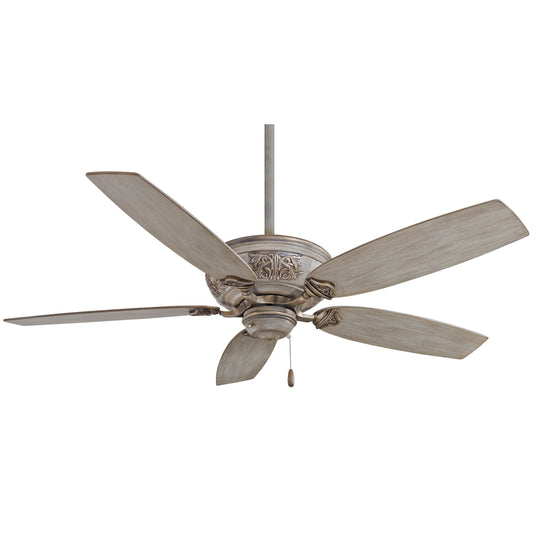
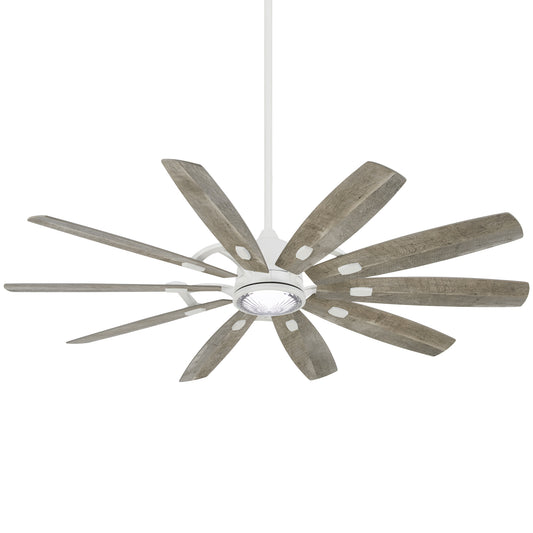
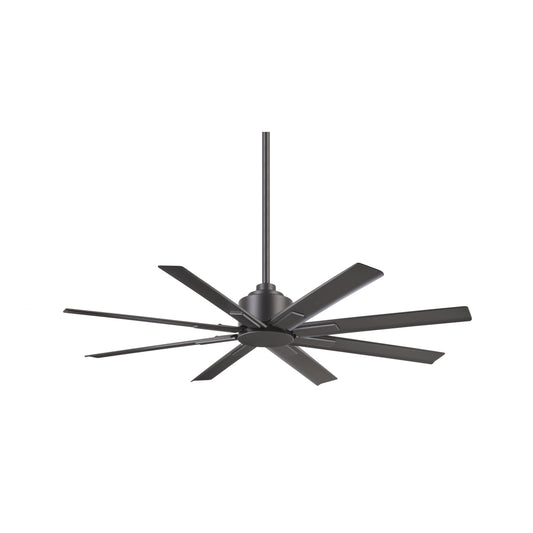
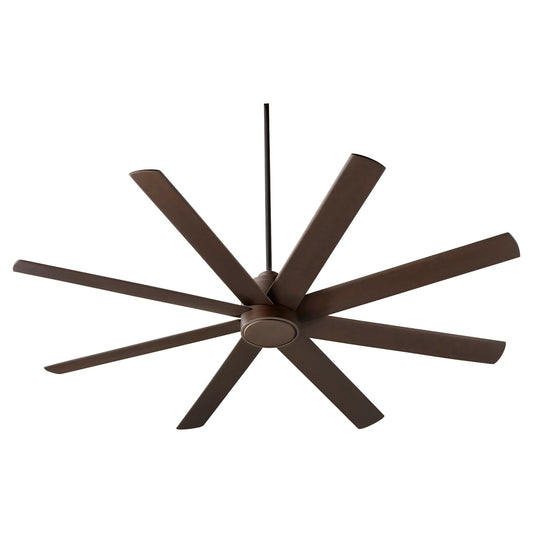
Modern ceiling fans are built for the way people live now. You want comfort, quieter operation, and a look that feels intentional. The good news is that today’s ceiling fans are also easier to match with your lighting and décor.
Most upgrades come from smart design choices. Blades are shaped for efficient airflow, motors are engineered for steadier performance, and controls are made to fit real daily routines. Many models also pair well with integrated lights or blend seamlessly with existing fixtures.
When you choose a modern ceiling fan, you’re not just buying hardware. You’re creating a room experience. Expect more even cooling, improved circulation, and a more polished ceiling look—especially in living rooms, bedrooms, and open areas where airflow matters.

Streamlined airflow concept with arrows and calm icons
2. Common challenges when choosing modern ceiling fans
It’s easy to get stuck when you shop online. You may wonder which size is right, how to avoid noisy performance, or whether a fan will work with your room layout. Here are the most common challenges and how to solve them quickly.
Challenge 1: Unsure which fan size fits your space
A fan that’s too small won’t move air well. One that’s too large can feel overwhelming and still may not perform optimally. The best approach is to choose based on room size and ceiling height. As a rule of thumb, larger rooms usually benefit from bigger blade spans, while smaller rooms need a compact footprint.
Solution: Measure the room and think about where the fan will hang. If you have low ceilings, look for models designed for tighter clearances. For higher ceilings, you may want a downrod setup that keeps the fan at the right height for comfortable circulation.
Challenge 2: Worry about noise and wobble
No one wants a fan that rattles or spins unevenly. Noise usually comes from poor fit, imbalance, or components that aren’t suited for the mounting setup. Wobble can also show up if the fan isn’t aligned or if the ceiling box isn’t stable.
Solution: Choose a ceiling fan known for smooth motor performance and balanced blade systems. During installation, use the right mounting hardware and double-check blade alignment. If you’re upgrading an older ceiling box, ensure it’s properly secured.
Challenge 3: You need control that matches your routine
Some homes want simple wall control. Others benefit from more flexible operation for day and night comfort. Also, if your fan includes lighting, it should be easy to manage without turning the whole room into a different mood.
Solution: Pick a control style that feels natural. Look for fans that make it simple to adjust speed and light brightness so you can fine-tune comfort without guesswork.
Challenge 4: The fan doesn’t match the room’s style
Even a great fan can feel “off” if the finish or silhouette clashes with your décor. Modern rooms often need clean lines, updated materials, and cohesive lighting styles.
Solution: Start with your ceiling and light style. Then choose a fan finish that complements it. If your lighting is warm and inviting, choose a fan with a finish that supports that tone rather than competing with it.
3. Design vs performance: how to decide
You don’t have to choose between beauty and comfort. The best modern ceiling fans balance both. Here’s a practical way to decide.
Step 1: Identify the “must-have comfort outcome.” Do you want stronger circulation for open living areas, quieter airflow for bedrooms, or consistent comfort in multi-use spaces?
Step 2: Match the look to your ceiling and lighting. Modern styling often features sleeker motor housings and finishes that work well with contemporary fixtures.
Step 3: Confirm the fan can handle your ceiling height and room layout. The goal is even airflow across seating and walking zones—not just movement at the fan itself.
If you’re also thinking about room aesthetics, you might enjoy inspiration on style and timeless design here: Handcrafted Dresses Timeless Style for Every Occasion. The lesson transfers: choose pieces that look great now and still feel relevant later.
4. Comparison: modern options vs traditional ceiling fans
Use this quick comparison to understand what typically changes when you move to modern designs.
Pros & cons at a glance
| Category | Modern ceiling fans | Traditional ceiling fans |
|---|---|---|
| Look & style | Cleaner lines and easier décor matching | More classic silhouettes; may feel dated in some rooms |
| Comfort | Engineered airflow for steadier circulation | Airflow can be effective but varies by model and age |
| Control | Often easier speed and lighting management | May use older control styles depending on model |
| Noise & smoothness | Designed for quieter, smoother operation | Performance can differ widely; older units may be louder |
| Best fit | Open layouts, updated décor, and daily comfort | Rooms that suit classic looks |
5. How to choose the right fan for each room
Your fan should feel like part of the room, not something added later. Here are use cases that help you match modern ceiling fans to your needs.
Living rooms: balanced comfort for gatherings
Living rooms often have mixed seating angles and more open airflow needs. Choose a fan that distributes airflow across the seating area and pairs well with your main light. If you host family or friends, smoother operation helps keep the room relaxing without a constant background hum.
If you want a clean, updated ceiling look, consider pairing your airflow upgrade with a modern-friendly design finish. You can explore options like Levon motor if you’re planning a fan configuration that fits your space and style goals.
Bedrooms: quiet comfort for wind-down time
Bedrooms benefit from stable, low-distraction performance. A modern ceiling fan can help you maintain comfortable airflow without overpowering your sleep routine. Focus on quieter operation and a control setup that’s easy to use without getting out of bed.
Dining rooms: style-first airflow without visual clutter
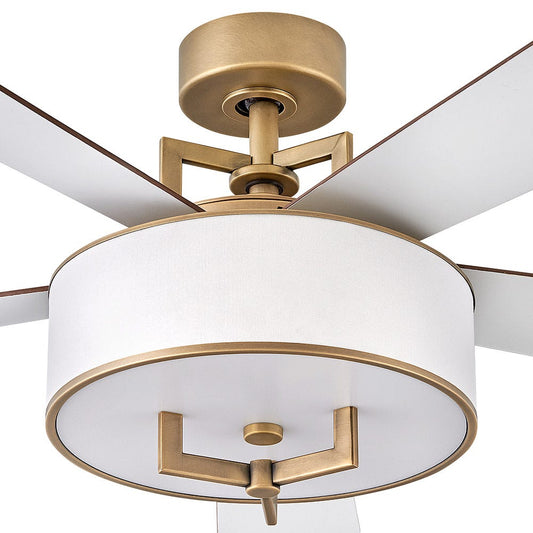
In dining areas, the fan sits closer to your attention than in many rooms. That’s why décor compatibility matters. Look for a fan that keeps the ceiling line clean and supports the mood your lighting creates. Many homeowners like fans with integrated lights because they simplify coordination.

Room zones map showing airflow paths and comfort spots
Home offices: steady circulation for focus
When you work at a desk, you want airflow that feels supportive, not disruptive. A modern ceiling fan can help maintain comfortable air movement while you stay focused. Use speed control to find the right balance for concentration and long work sessions.
For projects where light and airflow need to work together, check out options like Celano v2 for a contemporary look that supports everyday comfort.
Outdoor-style covered spaces: protect from the elements
If you’re outfitting a covered patio, porch, or other semi-protected area, your key job is choosing equipment intended for that environment. Even for protected spaces, moisture can affect performance over time. Always confirm the model’s suitability for your setup and follow installation requirements carefully.
6. Installation and maintenance tips that prevent issues
Getting modern ceiling fans installed correctly is one of the biggest factors behind smooth operation. Here are practical steps that help you avoid common problems.
Choose the right mounting setup
Confirm your ceiling box can support ceiling fan weight and vibration. If your existing wiring setup isn’t compatible, it’s safer to consult a qualified electrician. A solid mount helps prevent wobble and keeps the fan running steady.
Install at the right height for comfort
Too low can interfere with daily movement. Too high may reduce airflow where you need it most. Use the installation guidance for your selected fan and ceiling height. The goal is to keep airflow comfortable and coverage even.
Balance checks matter
After installation, ensure blades are secure and properly aligned. If you notice vibration, re-check blade screws and confirm the fan is mounted firmly. Many “wobble” issues are simple alignment problems.
Keep it clean for best performance
Dust can collect on blades and reduce efficiency over time. Use a soft cloth or duster and avoid aggressive scraping. For deeper cleaning, follow the manufacturer’s instructions. Simple maintenance helps keep your modern ceiling fan running smoothly for longer.
7. Summary & recommendations
Upgrading to modern ceiling fans is an easy way to improve comfort and elevate how your room feels. You get better airflow consistency, often quieter operation, and a look that works with updated décor. The best choice depends on your room size, ceiling height, and preferred control style.
Quick recommendations:
- Pick the right blade span for your room so airflow reaches seating areas.
- Choose a finish and silhouette that matches your lighting and décor.
- Prioritize smooth, quiet performance, especially for bedrooms.
- Install correctly and do basic maintenance to prevent wobble and reduce dust buildup.
If you’re ready to upgrade, browse ceiling fan options on Fan & Lights and choose a style that fits your space. Start with a model that matches your décor goals, then confirm size and mounting needs. You’ll enjoy a cleaner ceiling look and more comfortable airflow every day.
Shop ceiling fans to find the modern upgrade that fits your home.
8. Q&A about modern ceiling fans
How do I know if my ceiling height needs a specific installation?
Measure your ceiling height first, then compare it to the fan’s installation guidance. If your ceiling is low, you may need a design meant for closer mounting. If it’s high, you may benefit from a downrod setup that positions the blades at a comfortable distance for even airflow.
Will modern ceiling fans work well in open-concept spaces?
Yes, many modern ceiling fans are designed to move air effectively across larger areas. The key is selecting the correct blade size and placement so airflow covers the main gathering zone. If your open layout has separate zones, consider where seating sits and align the fan to support circulation across that area.
What should I look for in a ceiling fan for a bedroom?
Prioritize quiet, smooth operation and a control setup that is easy to adjust from your bed. Look for stable mounting, balanced blades, and a style that fits your bedroom décor. If the fan includes light, make sure the lighting control matches your nighttime routine.
Are ceiling fan lights a good idea?
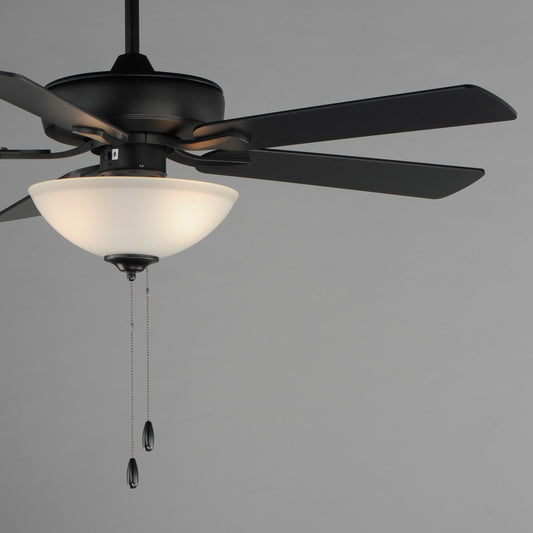
They can be. A fan with integrated lighting helps you coordinate airflow and illumination in one fixture. This reduces clutter and can simplify your lighting design in rooms where you want a clean, modern look.
Disclaimer: This article is for general informational purposes only. Always follow the installation instructions provided with your specific fan model and consult a qualified professional for electrical work.

An Owner of The Fan Connection, Selling Ceiling Fans for the past 15 years and been in business since 1979. Living in Florida the sunshine state, Love my pup Trooper.


