











Outdoor Ceiling Fans: Buyer Checklist for Year-Round Comfort
Updated on: 2026-07-08
Outdoor ceiling fans turn open-air spaces into comfortable rooms you actually want to use. They help you feel cooler with steady airflow, and they can make evenings on the patio, porch, or pergola more enjoyable. With the right size and installation setup, you get better air movement, quieter operation, and a polished look that fits your home style. In this guide, you’ll learn how to choose outdoor ceiling fans, where to install them, and how to get great results fast.
Table of Contents
- Key Benefits of Outdoor Ceiling Fans
- How to Choose Outdoor Ceiling Fans for Your Space
- Step-by-Step Guide to Installing Outdoor Ceiling Fans
- Placement Tips That Make Airflow Feel Better
- What Customers Say After Upgrading
- Q&A About Outdoor Ceiling Fans
Key Benefits of Outdoor Ceiling Fans
Outdoor ceiling fans do more than look good. They solve common comfort problems in warm months and help you enjoy your outdoor living areas more often. When you choose the right model and match it to your space, you can create a noticeable difference in how the area feels.
- Comfort you can feel: Consistent airflow can make patios and covered porches feel cooler without adding heavy changes to your home.
- Better circulation in larger areas: Fans help move air across seating zones, so comfort is not limited to one spot.
- Style that blends with your outdoor look: Many outdoor ceiling fan designs pair well with modern and classic lighting setups.
- More usable hours: Improved airflow can make evenings outside more comfortable when the temperature rises.
- Efficient everyday performance: You can run the fan on lower settings for steady comfort and save energy compared to relying on indoor systems.
If you want an outdoor upgrade that looks intentional and feels great, outdoor ceiling fans are often the quickest path to an “instant living room” on your patio.

Airflow lines over a seating area, shaded comfort icon
How to Choose Outdoor Ceiling Fans for Your Space
Choosing the right fan is where performance gets unlocked. Start with your outdoor area size, your ceiling height, and how your space is used. Then match those needs with fan features.
1) Pick the right fan size
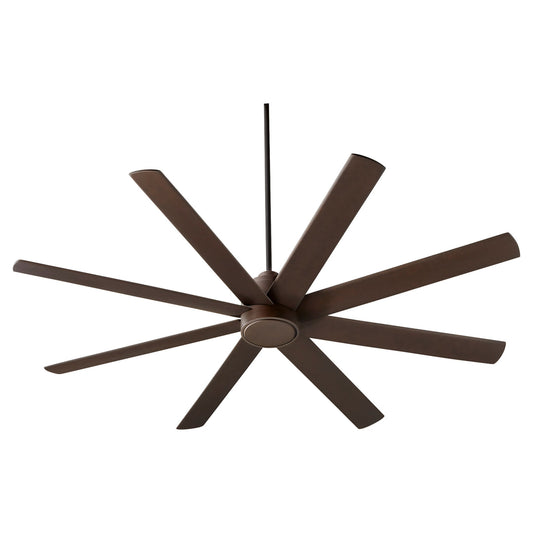
A good rule is to choose a blade span that matches the room size so air movement feels balanced. For smaller covered patios, a medium size often works best. For larger spaces, larger blade spans help reach more seating.
2) Choose a damp or wet-rated build
Outdoor comfort depends on the fan’s suitability for exposure. If your space is under a roof but still sees moisture, you typically want a damp-rated option. If your area is more exposed, you’ll want a wet-rated setup. Always check the product rating details before buying.
3) Look for smooth speed control
Comfort is easiest when you can fine-tune the airflow. Multi-speed control helps you adjust from light breeze to stronger movement when it’s hottest.
4) Decide if you want integrated lighting
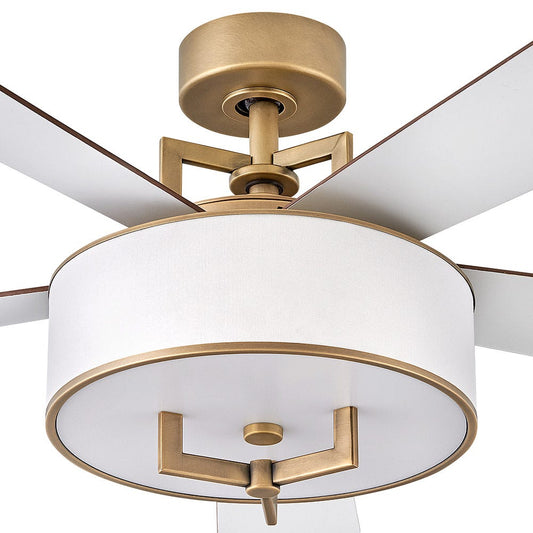
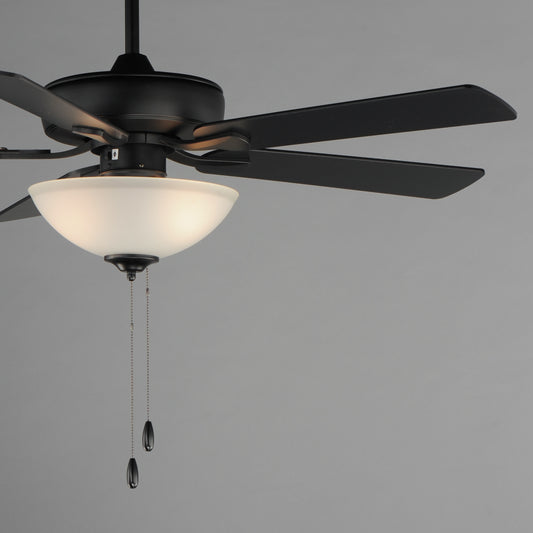
Many homeowners love an outdoor ceiling fan with light because it reduces the need for extra fixtures and creates a matched style. If you entertain at night, integrated lighting can make the whole area feel welcoming.
5) Consider noise and blade motion
A fan should feel calm, not distracting. Look for models that are designed for smooth operation. Proper installation also helps reduce wobble and noise.
Want to explore fan styles and motor options from Fan & Lights? You can compare product designs here:
Note: Availability and exact configurations vary by product page.

Ceiling height guide with arrows toward seating zones
Step-by-Step Guide to Installing Outdoor Ceiling Fans
Great airflow starts with correct installation. If you’re replacing an older ceiling fan, you may have some of the wiring work handled already. Still, always follow the product manual and local electrical codes.
Step 1: Confirm the ceiling type and mounting support
Make sure your ceiling structure can safely support the fan weight. If you’re mounting to a ceiling box, it should be rated for ceiling fans. For exterior locations, plan for weather-safe mounting hardware.
Step 2: Verify wiring and power shutoff
Turn off the breaker before work begins. Double-check that power is off. If you’re unsure about wiring, hiring a licensed electrician is the safest approach.
Step 3: Assemble the fan components
Lay out parts and follow the instructions for blade attachment and any light kit assembly. Proper alignment matters for smooth rotation.
Step 4: Mount the fan securely
Install the mounting bracket, then hang the fan housing as instructed. Tighten fasteners to spec. If your fan includes a downrod, use it according to the recommended ceiling height for your outdoor ceiling fans installation.
Step 5: Connect electrical wiring
Follow the color-coding and wiring diagram in the manual. Secure all connections with the correct connectors. Once wired, confirm that the fan and light (if included) respond properly.
Step 6: Balance the blades and check wobble
After setup, run the fan on low. If you notice wobble, stop and check blade screws and alignment. Many systems include balancing steps that help correct uneven rotation.
Step 7: Test comfort at multiple speeds
Outdoor use can vary by season, wind, and seating placement. Test on low and medium while you’re in the seating area, then adjust speed for the most comfortable airflow.
Following these steps helps your new fan run smoothly and look great for years.
Placement Tips That Make Airflow Feel Better
Even a high-quality fan won’t perform at its best if it’s placed in the wrong spot. Aim the airflow toward where people sit and move through the space.
- Center the fan over the main seating zone: When the fan is centered, air movement spreads more evenly.
- Match height to the area: A ceiling that’s too low can affect airflow comfort, while mounting too high can reduce effectiveness.
- Avoid strong obstructions: Large columns, beams, or tall planters can block airflow. If you have structural elements, plan around them.
- Use outdoor lighting strategically: If your fan includes a light, ensure lighting placement supports pathways and seating visibility.
If you already have an existing fixture, measure the clearance and compare it to your chosen fan’s mounting guidance. That small planning step can save you from a frustrating rework.
What Customers Say After Upgrading
Home comfort upgrades should feel immediate. Here are common outcomes homeowners report when they switch to outdoor ceiling fans with the right fit for their space.
“My patio finally feels usable at night.”
One customer shared that the fan made their outdoor seating more comfortable and helped them spend more time outside after dinner. They also mentioned the look of the fan blended nicely with their existing lighting style.
“Airflow feels balanced across the whole seating area.”
Another buyer noted that the fan reduced hot spots and made the breeze reach more than one corner of the patio. They also appreciated the ability to adjust speed as temperatures changed through the evening.
“It looks clean and feels solid up there.”
Several shoppers mention that the installation feels secure and the overall design elevates the outdoor space. When installed correctly, fans often run smoothly with minimal distraction.
While every home is different, the themes are consistent: comfort improves, the space becomes more inviting, and the fan becomes a key part of the outdoor setup.
Q&A About Outdoor Ceiling Fans
Do I need a special fan rating for outdoor use?
Yes. Outdoor environments can involve moisture and humidity. Choose a fan that is rated for damp or wet locations based on how exposed your ceiling area is. Always check the product details to confirm suitability.
What size outdoor ceiling fan should I buy?
The best size depends on your patio or porch area. A larger span generally moves more air across bigger zones, while a smaller span fits tighter spaces more comfortably. If you share your room dimensions and ceiling height, you can narrow options quickly.
Are outdoor ceiling fans hard to install?
Installation can be straightforward if you already have a ceiling fan setup and the right electrical connections. If you’re replacing wiring, adding a new circuit, or unsure about ceiling support, it’s smart to use a licensed electrician.
Can I use a fan with a light outdoors?
Many outdoor ceiling fan models include integrated lighting. If you choose that option, confirm the light kit’s weather suitability and follow the manual for safe operation in your outdoor conditions.
Ready to Upgrade Your Outdoor Comfort?
Outdoor spaces should feel comfortable, not like a compromise. The right outdoor ceiling fans choice can improve airflow, enhance your lighting style, and help you enjoy your patio or porch in more seasons.
Shop Fan & Lights today to find a fan that matches your space and your style, then take the next step toward a more inviting outdoor setup.
Shop ceiling fans for outdoor comfort
Disclaimer: Product specifications, ratings, and installation requirements vary by model. Always review the manufacturer’s instructions, confirm electrical compatibility, and follow local building and electrical codes. For complex wiring or structural concerns, consult a qualified professional.

An Owner of The Fan Connection, Selling Ceiling Fans for the past 15 years and been in business since 1979. Living in Florida the sunshine state, Love my pup Trooper.


