











Practical Guide to Buying Ceiling Fans Online for Comfort
Updated on: April 1, 2026
Shopping for ceiling fans online has never been easier or more convenient. Whether you need better air circulation, energy efficiency, or a stylish addition to your home, purchasing from the comfort of your couch offers endless options. Discover how to find the perfect fan for any room, understand key features that matter, and learn why online shopping delivers superior value and selection compared to traditional retail.
Table of Contents
- Advantages and Disadvantages of Shopping Online
- Step-by-Step Guide to Purchasing Your Ideal Fan
- Why Buy Ceiling Fans Online
- Understanding Different Fan Types
- Essential Features to Consider
- Installation and Setup Tips
- Frequently Asked Questions
- Final Thoughts
Introduction to Online Fan Shopping
When you decide to purchase ceiling fans online, you enter a world of unlimited possibilities. The internet has transformed how homeowners and businesses source quality ventilation and comfort solutions. Instead of visiting multiple stores and dealing with limited inventory, online shopping lets you compare hundreds of models, read verified customer reviews, and make informed decisions from your home. This guide explores everything you need to know about selecting and purchasing the right fan for your space.
Online retailers offer competitive pricing, faster delivery options, and access to exclusive models you won't find locally. Whether upgrading a single bedroom or outfitting an entire commercial property, understanding the online purchasing process ensures you get the best product at the right price.
Advantages and Disadvantages of Shopping Online
Advantages
- Convenience: Browse and purchase anytime, anywhere without visiting physical stores or adhering to business hours.
- Wider Selection: Access thousands of models, brands, styles, and specifications impossible to find in local showrooms.
- Competitive Pricing: Online retailers frequently offer lower prices due to reduced overhead costs, plus seasonal discounts and promotions.
- Detailed Information: Read comprehensive product descriptions, specifications, dimensions, and technical details before deciding.
- Customer Reviews: Benefit from verified buyer feedback that highlights real-world performance, reliability, and satisfaction.
- Fast Delivery: Many retailers offer expedited shipping options, getting your new fan installed within days.
- Easy Comparison: Compare features, prices, and specifications side-by-side without sales pressure.
Disadvantages
- No Physical Inspection: You cannot see or touch the product before purchase, relying on photos and descriptions.
- Shipping Costs: Delivery fees may apply, though many retailers offer free shipping on orders above certain amounts.
- Return Processes: If you receive a damaged item or dislike it, return procedures vary by retailer and may involve shipping costs.
- Installation Responsibility: You handle installation yourself or hire a professional, adding to total project costs.
- Wait Times: Even with expedited shipping, you wait several days instead of taking a product home immediately.

Digital display showing comparison of specifications, pricing, and customer ratings across multiple fan options.
Step-by-Step Guide to Purchasing Your Ideal Fan
Step One: Assess Your Space and Needs
Before beginning your search to buy ceiling fans online, evaluate your specific requirements. Measure your room dimensions, note the ceiling height, and identify the primary purpose. A bedroom needs a quiet, efficient fan, while a kitchen requires a model that handles humidity well. Consider your climate—hot, humid regions benefit from fans with higher CFM ratings, while moderate climates work fine with standard models. Understanding these factors narrows your choices significantly.
Step Two: Research Fan Types and Styles
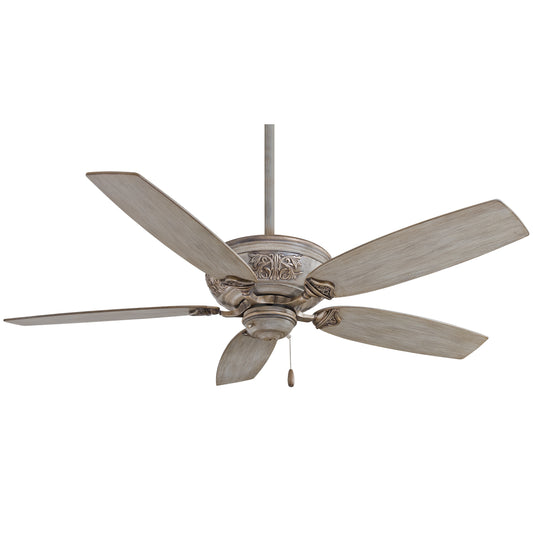
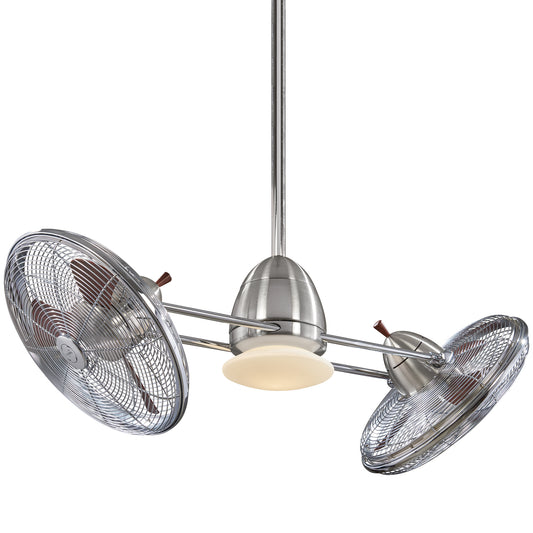
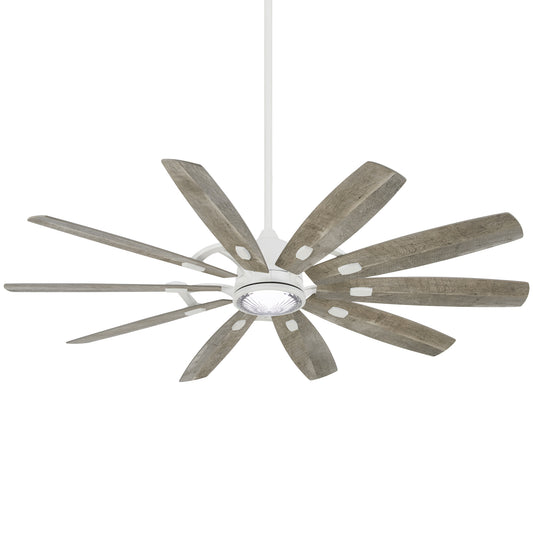
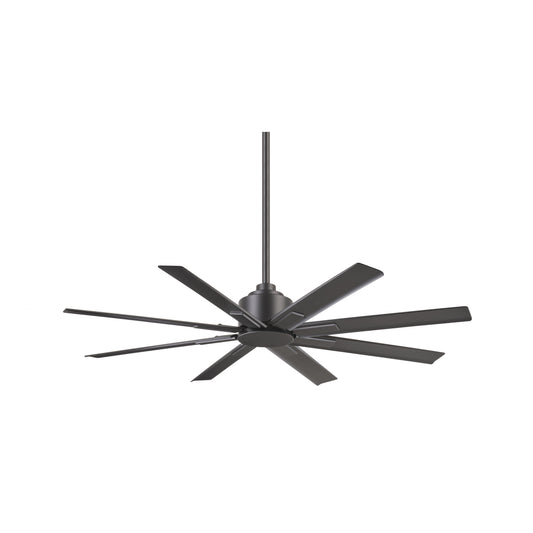
Explore the major categories available: standard propeller fans, bladeless models, decorative fixtures with integrated lighting, and smart fans with app controls. Modern fans combine functionality with aesthetic appeal, complementing any interior design. Decide whether you prefer minimal, contemporary, rustic, industrial, or traditional styling to match your décor.
Step Three: Set Your Budget
Ceiling fans range from budget-friendly basic models to premium options with advanced features. Basic fans cost $30–$75, mid-range options range from $75–$200, and premium models exceed $200. Set your budget before shopping to avoid overwhelming options. Remember that investing in quality often means better longevity, quieter operation, and superior energy efficiency that saves money over time.
Step Four: Check Key Specifications
Review crucial details including blade count, motor type, CFM rating, noise level, energy consumption, warranty coverage, and included features. CFM measures airflow volume—higher numbers indicate stronger air circulation. Noise ratings below 25 decibels ensure quiet operation. Energy Star certification means the fan meets strict efficiency standards, reducing electricity bills.
Step Five: Read Customer Reviews and Ratings
Genuine user feedback reveals how fans perform in real homes. Look for patterns in reviews—if multiple customers praise quiet operation or complain about durability, that's valuable insight. Pay attention to reviews from people with similar room sizes and climate conditions. Verified purchase reviews carry more weight than generic feedback.
Step Six: Compare Prices Across Retailers
Check multiple online stores for the same model to find the best deal. Factor in shipping costs, warranty offerings, and return policies when comparing prices. Many retailers offer price-match guarantees, so if you find the same fan cheaper elsewhere, they'll match or beat that price.
Step Seven: Place Your Order and Arrange Delivery
Add your chosen fan to your cart and proceed through checkout. Select your preferred delivery speed—standard shipping is economical, while expedited options arrive within days. Provide accurate delivery information to prevent delays. Track your shipment and prepare your space for arrival and installation.
Why Buy Ceiling Fans Online
Shopping online for ventilation solutions offers unmatched advantages over traditional retail. Retailers specializing in ceiling fans maintain vast inventories impossible for physical stores to stock. This means accessing premium brands, exclusive designs, and latest innovations all in one place. The competitive online marketplace drives prices down, allowing you to secure quality products at rates significantly below recommended retail.
Online purchasing provides transparency through detailed specifications, professional photographs, and honest customer feedback. You make decisions based on complete information rather than a salesperson's pitch. The ability to shop at midnight, compare options for hours, and research thoroughly without pressure creates a superior buying experience.
Many online retailers offer white-glove delivery services, handling unpacking and initial setup. Some even arrange professional installation through their networks. These convenience features eliminate hassles associated with traditional shopping while ensuring your new fan arrives safely and installs properly.

Laptop screen displaying product listings with filters for room size, noise level, and price range to streamline the selection process.
Understanding Different Fan Types
Standard Ceiling Fans
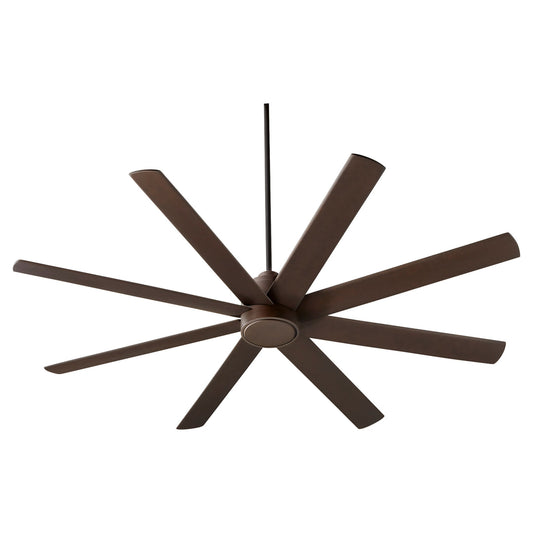
The most common type features three to five blades rotating around a central motor. These reliable workhorses provide dependable airflow and come in countless styles. Contemporary designs blend seamlessly with modern décor, while traditional styles complement classic interiors. Standard fans suit bedrooms, living rooms, and home offices perfectly.
Bladeless Fans
These innovative models use advanced motor technology to push air through without visible blades. Bladeless fans look sleek and contemporary, simplifying cleaning and reducing safety concerns in homes with children or pets. They operate quietly and use less energy than traditional models, though they typically cost more upfront.
Smart Ceiling Fans
Connected fans integrate with home automation systems, allowing control via smartphone apps, voice commands, or programmable schedules. Smart models provide convenience and energy savings through automated adjustments based on temperature and time of day. Perfect for tech-savvy homeowners seeking modern comfort solutions.
Fans with Integrated Lighting
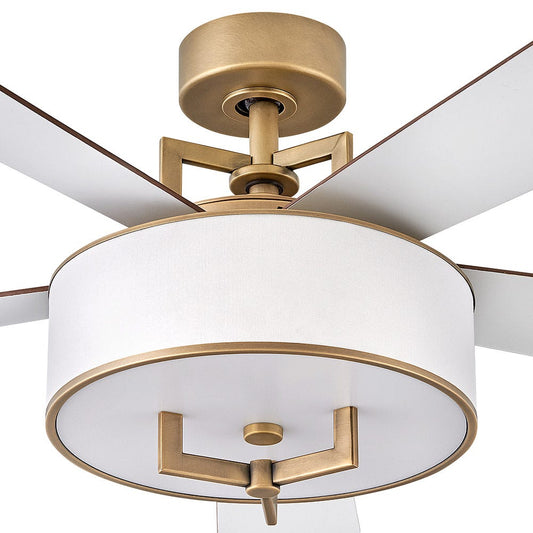
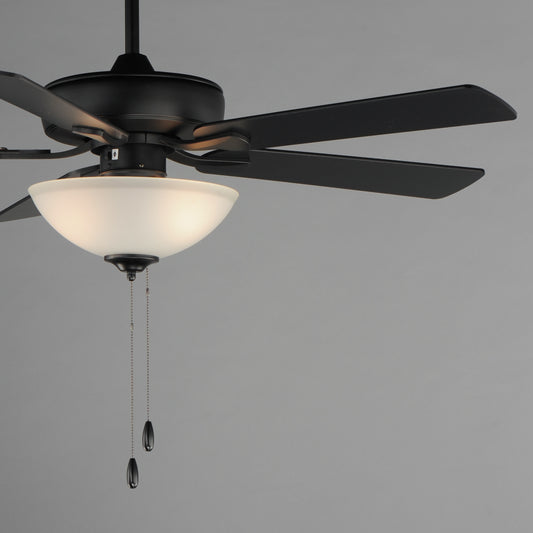
Combination units featuring fans and light fixtures eliminate the need for separate installations. These versatile options work excellently in bedrooms, kitchens, and bathrooms where both ventilation and lighting are essential. Choose from various light styles including LED, dimmable, and color-changing options.
Essential Features to Consider
Motor quality directly impacts fan reliability and lifespan. Direct-drive motors prove more durable than belt-driven alternatives. Look for thermally protected motors that shut off during overheating, preventing damage.
Blade materials affect performance and maintenance requirements. Wooden blades offer classic aesthetics but require regular dusting. Metal or composite blades resist dust and moisture better, ideal for kitchens and humid bathrooms. Premium options use high-quality materials ensuring years of reliable service.
Remote controls and wall switches provide convenient operation. Programmable remotes let you adjust speed and lighting without leaving your seat. Some fans include thermostats that automatically adjust speeds based on temperature, maximizing comfort and efficiency.
Warranty coverage protects your investment. Comprehensive warranties covering motors, blades, and electrical components provide peace of mind. Extended warranties available through many retailers add additional protection beyond manufacturer coverage.
Installation and Setup Tips
Successful installation requires proper planning. First, confirm your ceiling can support the fan's weight—most require reinforced electrical boxes rated for ceiling fan installation. Turn off power at the breaker before beginning any work. Follow manufacturer instructions precisely, as improper installation causes safety hazards and poor performance.
If you lack electrical expertise or confidence, hire a licensed electrician. Professional installation ensures safety, proper grounding, and warranty compliance. Most electricians charge reasonable rates for this straightforward work, providing peace of mind worth the investment.
After installation, perform routine maintenance to keep your fan operating optimally. Dust blades every two months to prevent performance degradation and noise issues. Lubricate motors as recommended in your manual. Check blade balance periodically—wobbling indicates a need for balancing or potential motor issues.
Frequently Asked Questions
What size ceiling fan do I need for my room?
Fan size should match room dimensions. For rooms up to 75 square feet, choose fans with 29–36 inch blade spans. Rooms between 75–144 square feet need 36–42 inch models, while larger spaces require 52 inch or bigger fans. Refer to manufacturer sizing charts that factor in room shape and ceiling height for precise recommendations.
How much can a ceiling fan reduce my energy bills?
Ceiling fans use significantly less energy than air conditioning, typically consuming 15–70 watts depending on speed and model. Running fans allows you to raise thermostat settings by 4 degrees while maintaining comfort, potentially reducing cooling costs by 40 percent during summer months. Energy Star certified models deliver maximum efficiency.
Can I install a ceiling fan myself, or do I need a professional?
Handy homeowners with electrical knowledge can install fans themselves following manufacturer instructions carefully. However, professional installation ensures proper safety, code compliance, and warranty validity. This is especially important if you lack experience with electrical work or your home's wiring is uncertain.
Which direction should ceiling fan blades rotate?
During warm months, blades should rotate counterclockwise when viewed from below, pushing cool air downward and creating a breeze. In winter, reverse to clockwise rotation to push warm air that rises toward the ceiling back down the walls, improving heating efficiency. This simple adjustment maximizes comfort year-round.
How often should I clean my ceiling fan?
Clean fan blades every two months or when you notice dust accumulation. Use a pillowcase to catch dust while wiping blades, preventing particles from falling. Check motors monthly for unusual sounds or vibrations indicating maintenance needs. Proper care extends lifespan and maintains quiet operation.
Final Thoughts
Choosing to buy ceiling fans online delivers convenience, savings, and access to quality products that improve your home's comfort. The process becomes straightforward when you understand your needs, research thoroughly, and compare options systematically. From evaluating room dimensions and ceiling heights to selecting features matching your lifestyle, informed decisions lead to satisfaction.
Quality fans from reputable manufacturers provide years of reliable service while reducing energy consumption and lowering utility bills. Whether you need a simple, effective solution for a bedroom or a sophisticated smart fan for a modern home, online retailers offer everything necessary to find the perfect match.
Begin your shopping journey today by evaluating your space, researching available models, and reading customer experiences. Consider visiting specialty retailers like KS COLLECTION for curated selections. Take advantage of competitive online pricing and delivery options to get your new fan installed quickly. Your improved comfort and energy savings start with choosing the right fan for your home.

An Owner of The Fan Connection, Selling Ceiling Fans for the past 15 years and been in business since 1979. Living in Florida the sunshine state, Love my pup Trooper.


