







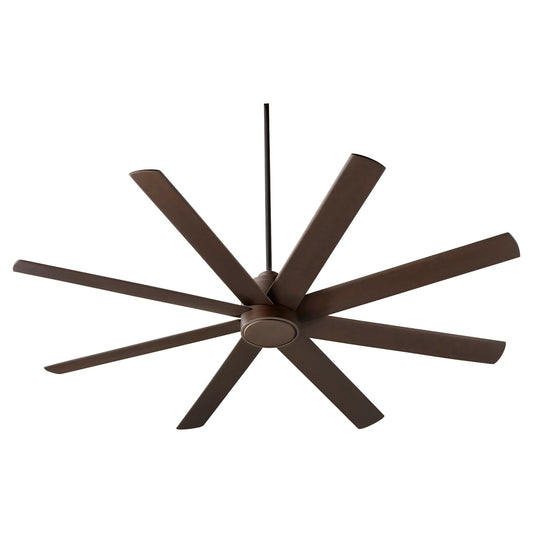


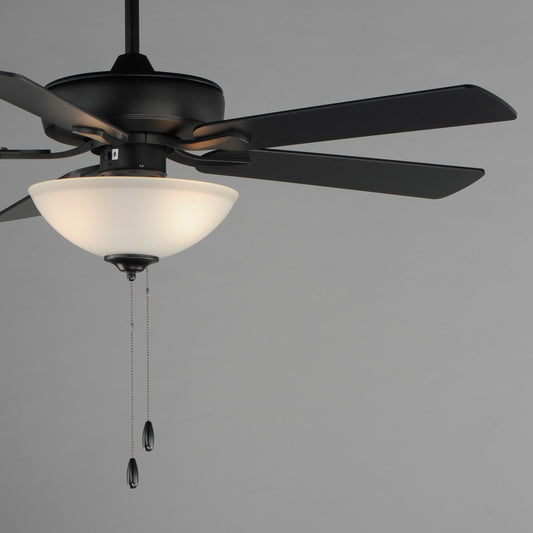


Quiet Bedroom Ceiling Fans for Better Sleep Comfort
Updated on: 2026-10-08
Choosing the right airflow for sleep can feel tricky. Quiet bedroom ceiling fans help you stay comfortable without the annoying noise that breaks your nighttime routine. With smarter blade design and dependable motors, you can enjoy gentle circulation, steadier temperatures, and a calmer room. This guide walks you through what to look for, how to pick the right size, and how to install for best results. You will also find real-world use cases, common questions, and a simple shopping plan.
Table of Contents
Buyer’s Checklist
If you are shopping for quiet bedroom ceiling fans, use this checklist to avoid the most common disappointments. A fan can look great, but the real comfort comes from airflow quality, motor smoothness, and stable balance.
- Motor type and smooth operation: Look for a motor known for steady running and low audible vibration.
- Noise comfort: Choose a model that is designed for bedroom use, especially if you are sensitive to sound while sleeping.
- Blade size and room fit: Match blade span to your room area so you do not need high speeds for comfort.
- Speed control: Variable speed (or multiple speed settings) helps you find a gentle level for night use.
- Reversing capability: Forward for cooling comfort in warmer months; reverse can help with air mixing in cooler months.
- Light integration (optional): If you want illumination, confirm the fan’s light output and style.
- Build quality: Sturdy brackets and balanced blades reduce wobble, which can increase perceived noise.
- Easy install support: Clear instructions and compatible mounting details make the process smoother.
Want a reliable place to start? Explore options from Fan & Lights and compare motor and blade designs that are built for everyday comfort. If you want a fan that blends style with performance, take a look at Fan & Lights ceiling fans.
Step-by-Step Guide
Use these steps to pick and get your quiet bedroom ceiling fans set up for a calm, consistent breeze.
-
Measure the room: Get the bedroom length and width. Note ceiling height, too.
-
Choose the right blade span: Larger rooms usually need more coverage. Select a fan size that can move air effectively without high speed.
-
Decide on airflow behavior: If you prefer a light, steady breeze, aim for a fan that performs well on low to medium speeds.
-
Check control options: If you plan to adjust settings frequently, confirm your wall control or remote method is compatible.
-
Plan mounting: Choose the correct downrod length if needed. A proper drop helps airflow reach the room evenly.
-
Install carefully: Secure blades and verify alignment. Balanced blades help keep noise low.
-
Test with comfort in mind: Turn it on at your preferred night setting and listen for smooth operation. Fine-tune if anything feels off.
-
Use the correct direction: In warm seasons, run forward for cooling circulation. In cooler seasons, use reverse to help mix air.
Who Quiet Fans Help Most
Quiet comfort matters more than most people expect. If you have ever woken up because of a clicking sound, a steady hum, or a noticeable wobble, you already know how much peace of mind affects sleep.
Quiet ceiling fans are a smart choice for:
- Light sleepers: Even small vibrations can feel louder at night. A smoother motor and balanced blades make a big difference.
- Kids’ rooms and guest rooms: Gentle airflow keeps rooms comfortable without disturbing rest.
- People working from home: A calmer fan background can help you focus during long hours.
- Homeowners upgrading for daily comfort: Quiet operation improves the “set it and forget it” feel of ceiling fans.
When you select quiet bedroom ceiling fans, you are not just buying a fixture. You are upgrading your nightly routine with stable, consistent circulation.
How to Choose the Right Quiet Ceiling Fan
To pick the best fan, focus on performance details that affect comfort. Here is how to judge options quickly, even if you are comparing multiple styles.
1) Prioritize smooth airflow over high-speed “blast”
For sleeping comfort, you usually want gentle movement rather than aggressive airflow. A fan that moves air efficiently at low to medium speed can feel more relaxing than a louder option that must run fast.
2) Balance and blade design affect perceived noise
Wobble often becomes more noticeable in quiet rooms. Look for fans with well-balanced blades and sturdy mounting. Proper alignment during installation is just as important as the product itself.
3) Motor stability is the heart of quiet comfort
The motor’s behavior determines how the fan sounds and feels. A quality motor helps reduce vibration and supports long-term smooth operation.
4) Consider style without sacrificing comfort
Your bedroom should look good and feel good. Many modern ceiling fans are built to match contemporary interiors while still emphasizing quiet performance. If you also want lighting, choose a fan with a light design that fits your taste and your bedtime routine.
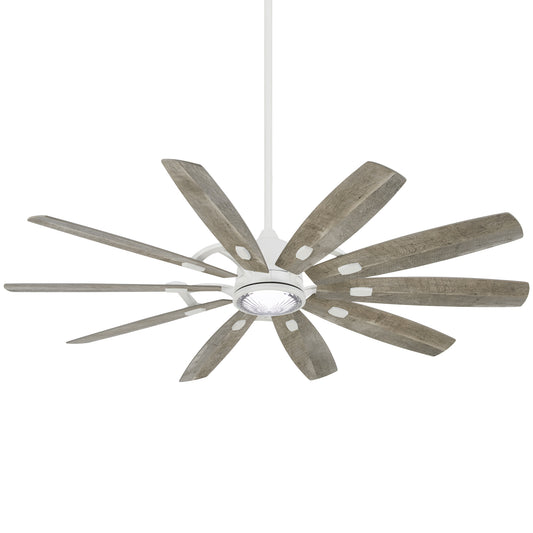
If you are exploring motor performance, you may find it helpful to compare motor-focused options across the Fan & Lights lineup. For example, you can review features on Amped ceiling fan and see how motor and blade design align with comfort goals.

Balanced blades, soft airflow, and calm nighttime ambience
5) Blade span and ceiling height for real coverage
Fans sized too small for the room often need higher speeds to feel effective. That usually increases noise and reduces comfort. Aim for enough coverage so you can run at a gentle setting.
As a rule of thumb, taller ceilings may require an appropriate downrod length so airflow circulates effectively at the height where people are. If the fan sits too close to the bed area, it can feel drafty. If it sits too high, airflow may not reach you evenly.
Installation Tips for Better Quiet Performance
Quiet performance is not only about the fan itself. Installation details can directly impact wobble, airflow distribution, and overall sound.
- Turn off power at the breaker: Always confirm the circuit is safe before starting.
- Use a proper mounting method: Ensure the ceiling box and bracket can support the fan weight. A secure base reduces vibration.
- Verify blade alignment: Tighten fasteners firmly and evenly. Misaligned blades can create sound and flutter.
- Check downrod fit: Make sure the rod is straight and properly secured if you use one.
- Balance during first run: After installation, test at different speeds. If anything seems off, re-check blade seating and hardware.
- Use the right fan direction: Correct seasonal rotation helps keep airflow comfortable year-round.
These steps help protect your investment and keep the fan’s operation smooth—especially important when you are trying to maximize comfort from quiet bedroom ceiling fans.
Use Cases: From Bedrooms to Guest Rooms
Quiet ceiling fans shine in spaces where you want calm. Think beyond the master bedroom. A good fan can improve comfort in multiple areas of your home.
Master bedrooms
At night, gentle circulation helps you feel comfortable without relying on loud cooling equipment. Choose low-to-medium fan speeds and let the room settle.
Kids’ rooms and nurseries
When a fan runs smoothly, it can create a steady background airflow that many families find soothing. If you are building a quieter bedtime environment, fan comfort is a key part of that goal.
Home offices
Working late hours can make every noise more noticeable. A calmer fan can support focus while still keeping air moving when a room feels stuffy.
Guest rooms
Guests do not want to adjust your setup around their preferences. Quiet operation makes it easier to provide comfortable air circulation without irritating sound.
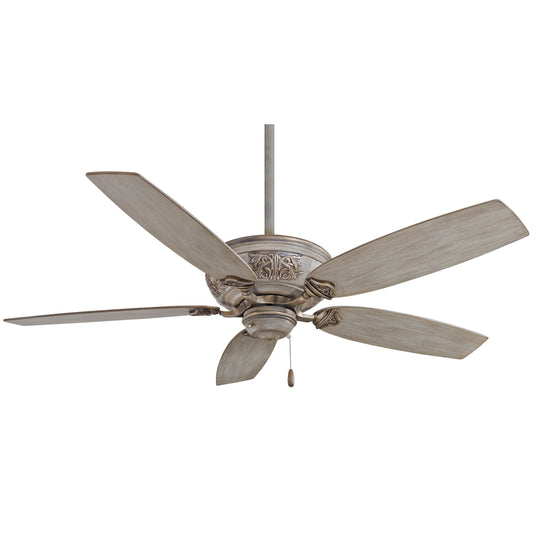
If you are also balancing comfort and design, you can find style-forward options like Doren ceiling fan, then compare quiet comfort features with other models.

Directional airflow arrows across a calm sleeping layout
Customer Highlights
Customers often share similar stories: comfort improved immediately, noise concerns decreased, and the room felt more enjoyable day and night. While every home layout is different, these themes show up often.
- “Smoother at night than our old fan”: Several buyers mention that the fan feels steadier at low speeds, which helps them fall asleep faster and stay asleep longer.
- “No distracting wobble”: Quiet operation is not just about sound volume. People also notice reduced vibration and less visual movement, which makes the room feel calmer.
- “Comfort without blasting air”: Many homeowners prefer a gentle breeze. When a fan performs well at low settings, the room stays comfortable while the sound stays unobtrusive.
- “Better control for changing seasons”: People like switching directions when the weather shifts. That flexibility supports year-round comfort in bedrooms.
One important note: noise levels can vary based on ceiling structure, installation quality, and how a home’s airflow interacts with HVAC. For the quietest experience, always install carefully and test performance on your preferred low settings.
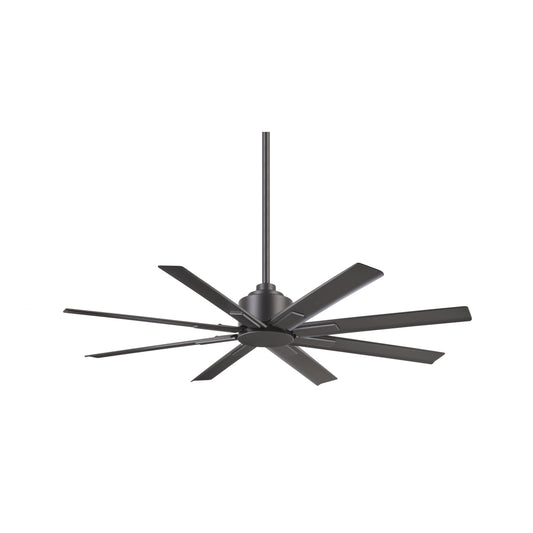
If you are ready to upgrade your sleep comfort, browse the Fan & Lights collection and choose a model that matches your room size and your desired control level. You can also explore motor variations through product pages, such as Xeno motor options, to better understand how different configurations can support quiet comfort goals.
FAQ
Are quiet bedroom ceiling fans actually quieter than standard models?
Many quiet-focused bedroom ceiling fans are built to reduce audible vibration and wobble. The biggest difference usually comes from smoother motor behavior, balanced blades, and stable mounting. Still, noise can vary with installation and ceiling structure, so proper setup matters.
What fan speed feels best for sleeping comfort?
Most people prefer the lowest or medium setting that still keeps the room comfortable. You should be able to feel gentle airflow without hearing a noticeable hum or feeling a strong draft. If you have to run very high to feel comfortable, consider moving to a larger blade span for your room.
Do I need a reverse feature for bedroom use?
Reverse is useful because it helps distribute air differently in different seasons. In warmer months, forward rotation supports cooling airflow. In cooler months, reverse rotation can help circulate warm air more evenly, making the bedroom feel more balanced without additional adjustments.
How can I reduce fan noise after installation?
Start by checking that all blade screws are tightened evenly and that blades are aligned. Then verify the downrod and mounting hardware are secure. If your fan has a controller, test a couple of speed settings to find the quietest option. A properly balanced fan at the right speed typically sounds the most comfortable.
Ready to experience a calmer bedroom? Shop quiet bedroom ceiling fans today at Fan & Lights and choose the size and airflow style that fits your room. For style inspiration and everyday comfort ideas, you can also visit BriShi Home + Glow.
Disclaimer: Product performance depends on room size, ceiling height, electrical setup, and installation quality. Always follow the manufacturer’s instructions. Noise perception is subjective and may vary from home to home.

An Owner of The Fan Connection, Selling Ceiling Fans for the past 15 years and been in business since 1979. Living in Florida the sunshine state, Love my pup Trooper.


