







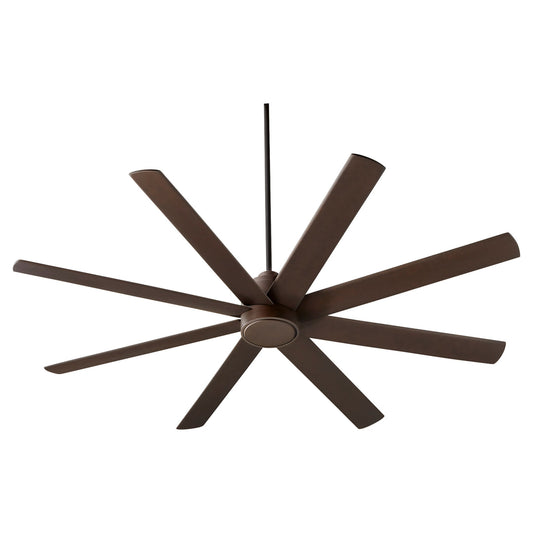


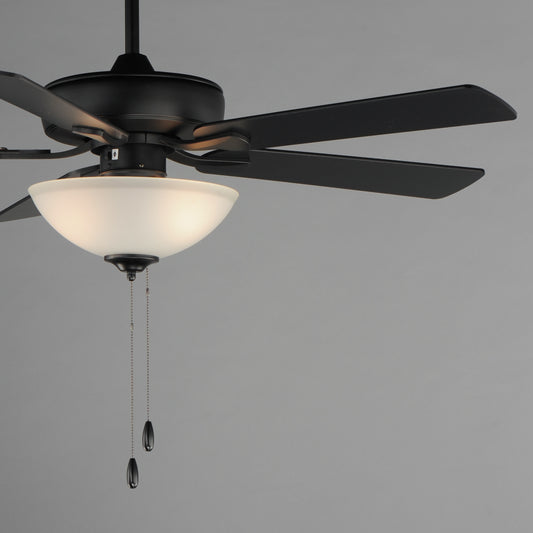


Quiet Ceiling Fans for a Peaceful Night at Home
Updated on: 2026-09-05
Why Quiet Ceiling Fans Make Every Room Feel Better
If you have ever sat down to read, worked late, or tried to relax only to hear a steady fan hum, you already know the problem. Quiet ceiling fans are designed for comfort: smoother rotation, less vibration, and a sound level that blends into the background. The result is a space that feels calmer, even when the air is moving.
Quiet performance matters in bedrooms, home offices, and nurseries. It also helps in shared living areas where people may be watching TV, talking, or sleeping nearby. When your fan is truly quiet, you enjoy airflow without the distraction.
In this guide, you will learn how to choose the right model, what to check before buying, and how installation can make or break quiet operation. You will also see real use cases and customer feedback so you can shop with confidence.
Common Mistakes
Many buyers pick a ceiling fan based on size or style alone. Then they discover noise problems later. Here are the most common issues to avoid.
Choosing by blade count only. More blades do not automatically mean quieter performance. Look for smooth motor operation and balanced airflow.
Skipping wobble checks. Even a small wobble can create tapping sounds. Misalignment and uneven mounting matter.
Ignoring room height. If the fan is too low or airflow path is blocked, you may hear more noise at higher speeds.
Overlooking control type. Some fans sound different depending on how they are controlled. Choose the right setup for your needs.
Not planning for maintenance. Dust buildup can add friction and noise over time. Regular cleaning keeps quiet performance.
Buyer’s Checklist
Use this quick checklist when shopping for quiet ceiling comfort. If you can answer these points, you will be much more likely to get the experience you want.
Room purpose: Will this fan run for long stretches in a bedroom or office? Prioritize smooth and quiet operation.
Recommended room size: Choose the right fan size so it can move air without working too hard.
Motor quality: Look for designs built for stable rotation and low vibration.
Blade balance: Balanced blades help reduce noise and wobble.
Mounting support: A solid mounting surface improves quiet performance.
Finish and airflow: If you prefer a certain look, make sure the airflow design still fits the space.
Lighting needs: If you want a light source, choose a fan with the right light output and controls for your routines.
How to Choose Quiet Ceiling Fans
Quiet operation comes from more than one feature. Think of it as a system: motor behavior, blade balance, mounting stability, and control method working together.
Start with the airflow goal, not the noise goal
A quieter fan is often one that does not need to run at aggressive speeds to deliver comfort. When the fan size matches the room and the air path is clear, you can use lower settings that feel gentle and stable.
For living rooms, aim for comfortable circulation at moderate speeds. For bedrooms and offices, choose a setup that lets you stay cool or move air with minimal distraction.
Look for smooth rotation and low vibration
Noise often comes from vibration. When the motor rotates consistently and the blades are balanced, you hear less humming and fewer rattles. Pay attention to build quality and how the fan is designed to stay stable over time.
Choose the right control for your comfort routine
Some homes rely on wall controls while others prefer remote operation. If you already have a preferred way to control ceiling fans, match that preference to the fan you pick. Consistent control helps the fan maintain a steady, quiet feel.

Balanced airflow concept with soft vibration icons
Consider ceiling height and airflow direction
Quiet fans still need good airflow. If your fan is mounted too close to the ceiling, airflow can be noisy or less effective. Also check for obstructions such as tall shelving, hanging décor, or beams that interfere with the air path.
Installation Tips for Smoother, Quieter Airflow
Even the best quiet ceiling fan can sound worse if installation is rushed. Take a few extra steps during setup to protect your long-term experience.
Use a solid mount and correct hardware
A fan needs stable support. Confirm that the electrical box and mounting bracket are securely fastened. If you notice any looseness during installation, fix it before powering on the fan.
Verify blade alignment and spacing
When blades are not aligned, they can cause wobble. Follow the installation instructions carefully and confirm blade spacing before final tightening. After installation, do a brief test to check for uneven motion.
Check downrod length if your fan uses one
Downrod length affects airflow and comfort. If the fan is installed too low or too high for your ceiling, the air movement pattern can become less smooth and more noticeable.
Run a low-speed test first
Start at the lowest setting and listen. Then increase to a medium setting and observe for any changes in sound. This helps you identify issues early, such as blade contact or mounting problems.
Keep it clean for long-term quiet
Dust and residue add friction. Use a soft cloth or a gentle cleaning method to remove dust from blades and motor housing. A clean fan tends to run smoother and quieter season after season.
Real-Home Use Cases
Quiet ceiling fans shine in daily life. Here are a few scenarios where quiet operation feels especially valuable.
Bedrooms: Keep the air moving overnight without the distraction of noticeable fan noise. Many people prefer a calmer background for better sleep.
Home offices: Reduce auditory distractions during calls, focused work, or late-evening reading.
Nurseries and kids’ rooms: Gentle airflow can help maintain comfort while keeping the fan sound low enough to stay unobtrusive.
Open-plan living areas: When airflow is needed across a wider space, a quiet fan helps you keep conversations comfortable.
Dining areas: Quiet circulation makes meals more relaxing, especially when people are seated for longer periods.

Home scenes icon set: bedroom, office, living room
What Our Customers Say
When shoppers choose quiet ceiling fans, they are usually looking for one thing: comfort without distraction. Here are common themes customers mention when they are happy with their purchase.
“It feels smoother than my old fan.” Many buyers notice less wobble right away, which reduces distracting sounds.
“Low settings are truly usable.” Quiet fans often let you run at a gentle speed without hearing the fan as a constant background noise.
“The room feels cooler without the racket.” Better airflow and stable rotation help create comfort you can feel.
“The fan blends into the space.” Instead of being the loudest thing in the room, it becomes part of the overall comfort plan.
Every home is different, so results can vary based on ceiling height, mounting conditions, and control settings. But when you match the fan to your room and install it carefully, you can expect a noticeably calmer experience.
Product Picks to Consider
If you want a reliable path to quieter operation, start by exploring fan models built around smooth performance and everyday usability. Here are a few options to compare. Each link takes you directly to the product page.
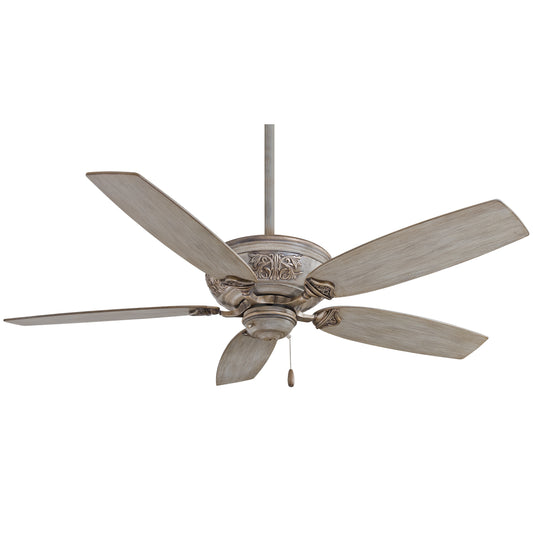
Reliable motor design for shoppers who prioritize steady performance.
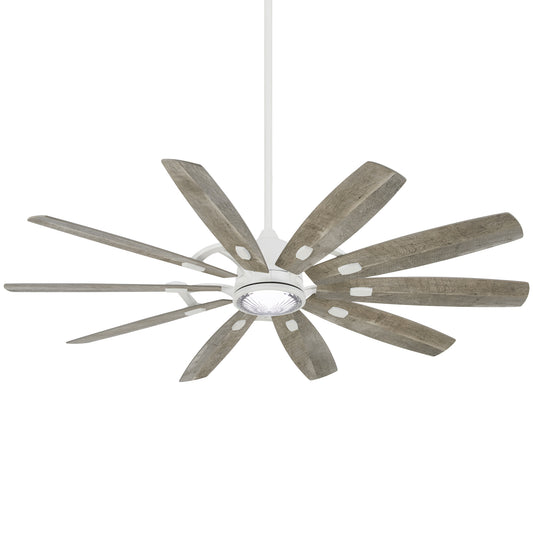
Smooth airflow option designed to feel balanced in daily use.
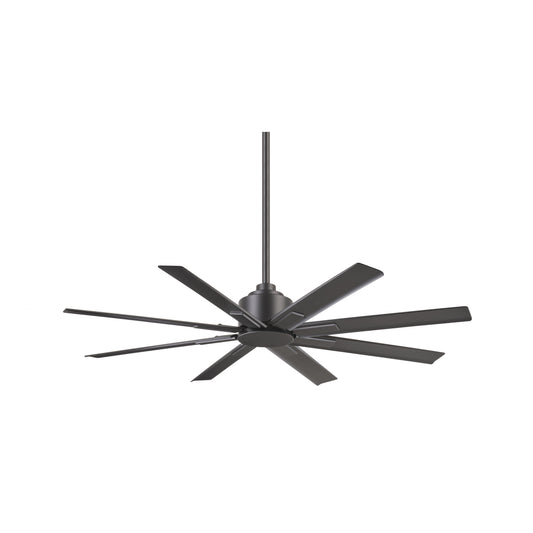
Balanced fan experience for rooms where quiet comfort matters.
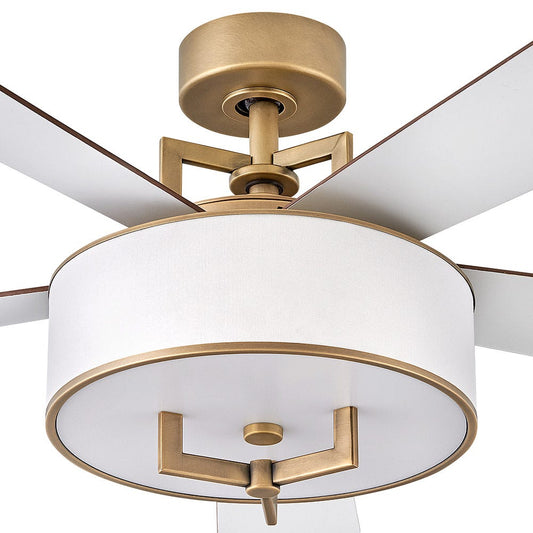
Flush-mount style for spaces that need a cleaner ceiling profile.
If you are also exploring complementary décor or lighting ideas, you may like browsing Alampik. Pairing the right fan style with the right lighting can help your whole room feel more finished.
Tip: If your goal is the quietest possible experience, pay extra attention to proper mounting and blade alignment. Those details often matter as much as the product itself.
FAQ Section
Are quiet ceiling fans better for bedrooms?
Yes. Quiet ceiling fans are a great match for bedrooms because they help you enjoy airflow without a distracting hum. Choose the right fan size for your room so you can run at lower settings, and prioritize stable rotation to reduce vibration-related sounds.
Why does my ceiling fan sound louder at higher speeds?
Many fans generate more noise when spinning faster due to vibration and airflow turbulence. If you want quieter comfort, select a fan that moves enough air at moderate speeds and install it correctly with aligned blades and a secure mounting setup.
How can I make a ceiling fan quieter after installation?
Start by checking blade alignment and tightening any mounting points that may have loosened. Also confirm that nothing blocks airflow near the fan. Regular cleaning can reduce friction over time and help maintain smooth, quiet operation.
What should I look for to avoid wobble and rattling?
Balanced blades, correct installation, and a solid mounting surface are key. Use the recommended hardware, ensure the fan is firmly attached to the electrical box or mounting bracket, and confirm downrod length is appropriate for your ceiling height.
Wrap-Up & Final Thoughts
Quiet ceiling fans are about more than sound. They create everyday comfort by delivering airflow in a calmer way. When you choose the right size for your room, prioritize smooth motor operation, and install the fan carefully, you can enjoy a steady breeze without the distraction of loud noise.
Ready to upgrade? Compare fan styles and motor options on Fan & Lights, review the setup tips above, and pick a model that fits your room’s size and layout. The best choice is the one that matches your daily routine—then stays quiet while it does its job.
Disclaimer: Performance and sound levels vary by room conditions, ceiling height, mounting quality, and control settings. Always follow the product installation instructions and safety guidelines. If you are unsure about installation, consider hiring a qualified professional.

An Owner of The Fan Connection, Selling Ceiling Fans for the past 15 years and been in business since 1979. Living in Florida the sunshine state, Love my pup Trooper.


