











Smart Ceiling Fans: Features That Improve Comfort
Updated on: 2026-10-16
Smart ceiling fans combine comfort and control in one upgrade. Instead of relying on wall switches and guesswork, you can manage speed, airflow, and schedules with ease. The right model helps you feel consistent cooling, reduce energy waste, and keep daily routines effortless. In this guide, you will learn what to look for, how to choose for each room, and which features matter most.
Table of Contents
- 1. What Are Smart Ceiling Fans?
- 2. Common Challenges When Upgrading to Smart Fans
- 3. How to Choose the Right Smart Ceiling Fans
- 4. Smart Fan Features: A Practical Comparison
- 5. Installation and Setup Tips That Prevent Headaches
- 6. Room-by-Room Use Cases and Best-Fit Ideas
- 7. Summary & Recommendations
1. What Are Smart Ceiling Fans?
Smart ceiling fans are ceiling fans designed to make comfort feel automatic. You can control airflow and fan speed with a remote, a wall control, or a compatible smart home setup. Many models also include modes that help you match airflow to the season and your preferred comfort level.
Why does that matter? Because cooling should feel simple. When you can adjust settings quickly, you spend less time “fixing” the temperature and more time enjoying your space. A smart fan can also support more consistent airflow, which is especially useful in rooms where comfort changes throughout the day.
Smart ceiling fans typically include features such as:
- Multiple speed settings for precise airflow
- Reversible airflow for seasonal comfort
- Integrated controls for schedules or device-based commands
- Quiet operation designed for bedrooms and living rooms
If you are upgrading because your current fan feels too weak, too loud, or awkward to control, a smart upgrade often solves those issues fast.

Comfort controls shown by sliders, airflow lines, clock icons
2. Common Challenges When Upgrading to Smart Fans
Upgrading to smart ceiling fans is exciting, but buyers often worry about a few common issues. The good news is that most of these concerns are avoidable when you know what to check before purchase.
Challenge: Confusing controls and complicated setup
Some shoppers fear the “smart” part will require too much effort. The best solution is to choose a model with intuitive controls and clear pairing instructions. Look for fans that offer straightforward remote or wall-control options in addition to smart features. That way, you still get value even if you do not want to set up extra integrations right away.
Challenge: Choosing the wrong airflow for the room
A fan that is too small for the space will feel underpowered. A fan that is too large for tight spacing can create uncomfortable airflow patterns. The fix is to match fan size and blade clearance to the room. If you want a general rule, measure the room size and ceiling height first, then choose a fan with a blade span that fits the space comfortably.
Challenge: Noise that becomes a daily annoyance
In bedrooms, offices, and nurseries, even mild noise can feel distracting. A smart ceiling fan can help if it is built for smooth, quiet operation. Prioritize motor quality and fan balance. Also, install it carefully so the blades run evenly.
Challenge: Limited placement options
Ceiling fans require proper mounting and adequate clearance. If you have a sloped ceiling, low ceiling, or an unusual mounting setup, verify compatibility and plan for the right mounting solution. A quick check of mounting requirements can save you from returns.
3. How to Choose the Right Smart Ceiling Fans
Not all smart ceiling fans are built the same. When you compare models, focus on the features that directly affect comfort, daily convenience, and long-term satisfaction.
Start with room size and ceiling height
Airflow comfort depends on the relationship between blade span and ceiling height. Measure your ceiling height and ensure you can achieve safe blade clearance. If the fan will be installed in a living room or open area, pick a size that can distribute airflow across the space.
Look for a motor designed for smooth airflow
When a motor runs steadily, you feel it in everyday use. Choose a smart fan with a well-regarded motor design that supports stable speed control and reduced wobble. If you can find reviews that mention smooth performance, that is a strong sign you are looking at a quality unit.
Choose the control method you will actually use
Many people shop for smart fans but do not want to fight with apps. Decide how you want to control your fan. If you want simple changes, look for models with a remote or easy wall control. If you want scheduling and automation, prioritize smart compatibility and reliable command responses.
Reversible airflow is a comfort multiplier
Reversible fans can improve seasonal comfort by changing airflow direction. In heating season, airflow can help circulate warmer air. In cooling season, it can help create a more comfortable feel by supporting effective air movement.
Pick finishes that match your lighting and style
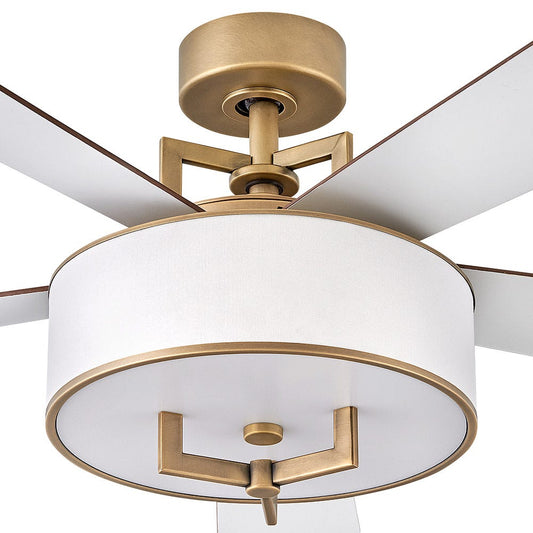
Many ceiling fans include integrated lighting or compatible light kits. Choose a look that blends with your room. When style and function align, you are more likely to love the upgrade and keep it longer.
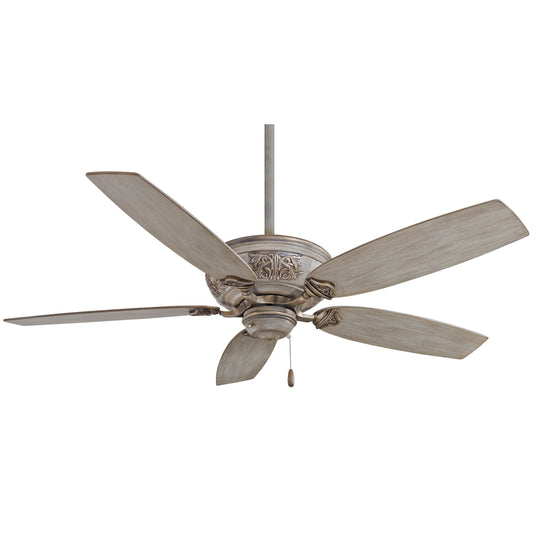
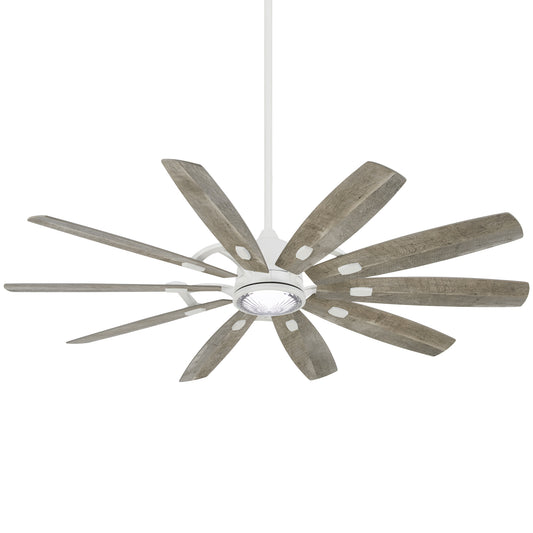
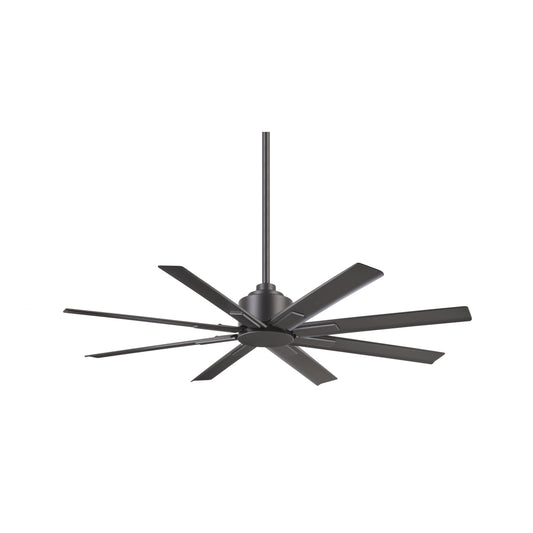
If you want to browse fan options with strong motor performance and an attractive design direction, you can explore fan choices on Fan & Lights. For example, you can review motor-driven options like Aire Deluxe or consider a sleek option such as Xeno.

Room layouts with ceiling height, airflow arrows, and icon checklist
4. Smart Fan Features: A Practical Comparison
Smart ceiling fans often differ in how they deliver convenience. Here is a simple comparison framework you can use while shopping.
| Feature to compare | Why it matters | What to look for |
|---|---|---|
| Control options | Daily ease and reliable operation | Remote and wall-control support, plus smart compatibility if desired |
| Speed range | Comfort precision | Multiple speeds that feel smooth at low and medium levels |
| Reversible airflow | Year-round usability | Clear seasonal direction settings |
| Motor stability | Less wobble and quieter use | Balanced blade design and steady speed feel |
| Lighting integration | Single upgrade for comfort and brightness | Match your room lighting needs and dimming preferences |
| Schedule/automation | Effortless daily routines | Simple scheduling that fits your lifestyle |
Pros of choosing well-matched smart fans include faster temperature adjustments, less manual switching, and a more consistent feel across the day. Cons can include higher upfront cost and the need to confirm compatibility with your preferred control approach. The best way to avoid buyer’s remorse is to prioritize features you will use every day.
5. Installation and Setup Tips That Prevent Headaches
Even the best smart ceiling fans can disappoint if installed incorrectly. Follow these practical steps to protect performance and comfort.
Confirm mounting requirements before you start
Check ceiling type, mounting box condition, and clearances. If you have a sloped ceiling or a low ceiling, you may need a specific mounting approach. Planning early prevents delays.
Use proper wiring practices
Turn off power at the breaker before wiring. Use appropriate connectors and secure connections. If you are unsure about electrical work, consider hiring a qualified electrician. Safe installation is always the best comfort upgrade.
Ensure blade clearance and balanced mounting
Blade wobble often comes from uneven mounting or incomplete tightening. After installation, test each speed and listen for irregular noise. If anything feels off, recheck fasteners and ensure blades are aligned.
Set up controls with your routine in mind
When pairing remotes or connecting smart features, start with basic functionality: confirm you can change speed and switch modes correctly. Then explore automation options such as scheduled operation. A smart fan should reduce your daily effort, not add new tasks.
If you want a motor-forward option known for strong performance, you can also explore a related model like Stella Motor as a reference point while comparing specifications.
6. Room-by-Room Use Cases and Best-Fit Ideas
Smart ceiling fans shine when they match how you use each room. Here are practical examples that help you picture the upgrade.
Living rooms
Living rooms are high-activity areas. With smart control, you can raise airflow when guests arrive and lower it during quieter moments. If your living space opens into other areas, smart scheduling can help keep comfort consistent.
Bedrooms
Bedrooms benefit from quiet, steady performance. Use lower speeds overnight and adjust quickly without getting out of bed. If you want convenience, scheduling a gentle airflow period can make your room feel more comfortable before you even settle in.
Home offices
Working comfort matters. Smart controls let you adjust airflow when you switch from focused tasks to breaks. Many people also appreciate the ability to maintain consistent comfort across changing temperatures throughout the day.
Dining areas and entryways
These spaces often serve as focal points. A fan with integrated lighting can improve both comfort and ambiance, so you get a more complete upgrade. Smart control makes it easy to adjust airflow for meals and conversations.
Outdoor-adjacent spaces (covered areas)
If your setup is designed for covered conditions, the right fan choice can improve comfort near doorways and patios. Always verify indoor/outdoor suitability and installation requirements for your specific environment.
Customer feedback often highlights how simple control improves satisfaction. Many buyers say they use fewer extra adjustments after switching, because the fan becomes responsive to their preferences. One common theme is that the “smart” part makes the fan feel effortless—especially when busy schedules make manual switching inconvenient.
7. Summary & Recommendations
Smart ceiling fans upgrade comfort in a way that feels modern and practical. You get better control, smoother daily adjustments, and features that support year-round use. The most important step is choosing the right fan for your room size, ceiling height, and control preferences.
Here are quick recommendations to guide your purchase:
- Match fan size to your room for effective airflow.
- Prioritize smooth motor performance for quiet everyday use.
- Choose control options you will use weekly, not just “someday.”
- Confirm installation clearance and mounting requirements.
- Use reversible airflow settings for seasonal comfort.
If you are ready to make the upgrade, explore more ceiling fan options at Fan & Lights. Start with a motor-focused selection like AmP’ed or browse style-forward choices such as Doren. When you find the right match, smart ceiling fans can make your home feel more comfortable with less effort.
Ready to shop? Visit Fan & Lights and choose a smart ceiling fan that fits your room and your routine.
Q&A
Are smart ceiling fans worth it compared to regular ceiling fans?
They are often worth it if you want easier control and more consistent comfort. Smart options can reduce how often you manually adjust the fan, and scheduling can help you set a routine that feels automatic. If you value convenience and quick adjustments, a smart upgrade usually delivers noticeable daily benefits.
Will a smart ceiling fan work if I only use the remote or wall control?
Many smart ceiling fans are designed so you can use non-smart controls right away. You can enjoy speed control, airflow direction changes, and convenient operation without requiring advanced automation. If you later want smart features, you can explore that path when you are ready.
How do I choose the right size for my room?
Start with room dimensions and ceiling height. A fan that is too small may not circulate air effectively, while poor clearance can affect comfort. If possible, compare blade span recommendations for your room type, then confirm you have safe installation space above and around the blades.
What should I check during installation to prevent wobble or noise?
Verify mounting stability, ensure proper wiring, and tighten hardware evenly. After installation, test multiple speeds and listen for unusual vibration. If you notice wobble, double-check blade alignment and fastener tightness before using it regularly.
Disclaimer: Product features and compatibility can vary by model. Always review the specific product page details, installation instructions, and electrical requirements before purchasing. If electrical work is not your comfort zone, consult a qualified professional.

An Owner of The Fan Connection, Selling Ceiling Fans for the past 15 years and been in business since 1979. Living in Florida the sunshine state, Love my pup Trooper.


