











Smart Ceiling Fans for Energy Savings and Comfort
Updated on: 2026-07-15
Ceiling fans with energy-saving technology can cut your cooling and heating workload while keeping rooms comfortable. Modern fan designs use smarter airflow and efficient motors, so you get better circulation without running higher power for longer. You can also tailor comfort with the right blade size, fan speed options, and controllability. In this guide, you will learn how to choose, install, and get the most from an energy-efficient ceiling fan—plus product picks to match different spaces.
Table of Contents
1. Why energy-saving ceiling fans matter
2. Product spotlight: a smarter motor for everyday comfort
3. How to choose the right fan for your space
4. Step-by-step how to install and dial it in
Why energy-saving ceiling fans matter
Comfort at home should not come with wasted energy. Traditional fans can move air, but some designs use less efficient motors or less refined airflow, which means you may feel warm even when you are running the fan harder. Ceiling fans with energy-saving technology solve that problem by focusing on two things: efficient power use and improved air movement.
Here is what changes when you choose an energy-efficient ceiling fan:
- Lower energy draw: Efficient motors are designed to use less electricity to produce airflow.
- Better circulation: Fans that move air well can help you feel cooler during warm months and more evenly heated air during cooler months.
- More precise control: Multi-speed operation and compatible controls help you match fan speed to comfort needs instead of guessing.
- Longer-lasting performance: Quality motor and hardware choices reduce friction and wear over time.
Energy-saving ceiling fans are also practical. They can complement your HVAC system rather than compete with it. When airflow feels right, you often do not need to rely on higher thermostat settings to feel comfortable.

Airflow arrows meeting a thermostat dial concept
Product spotlight: a smarter motor for everyday comfort
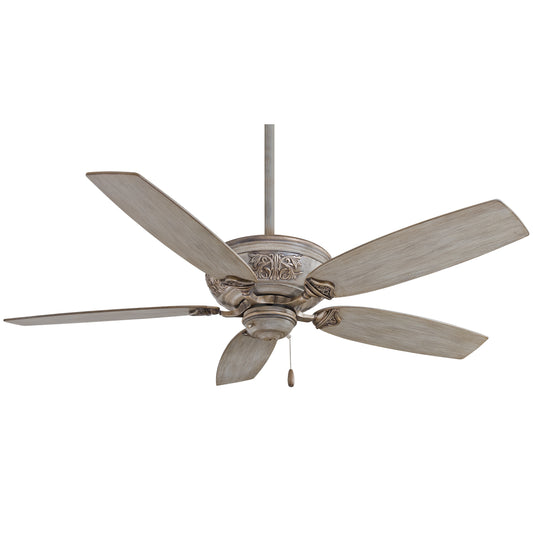
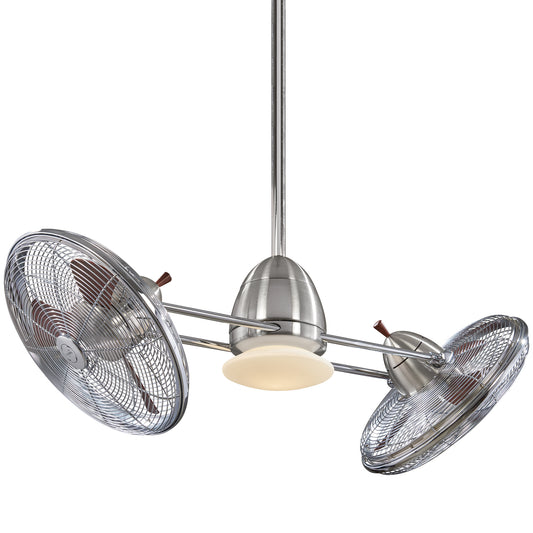
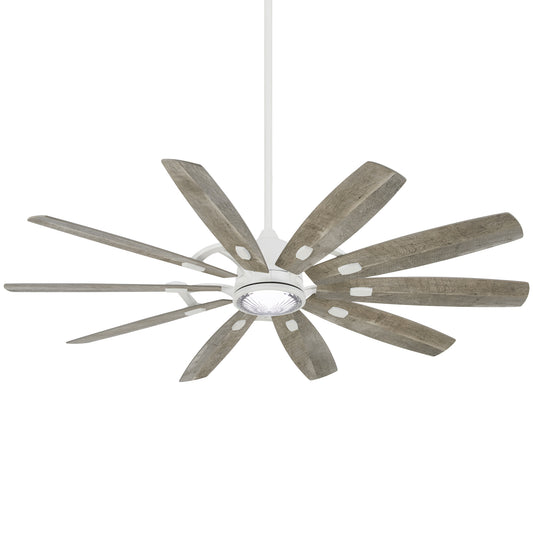
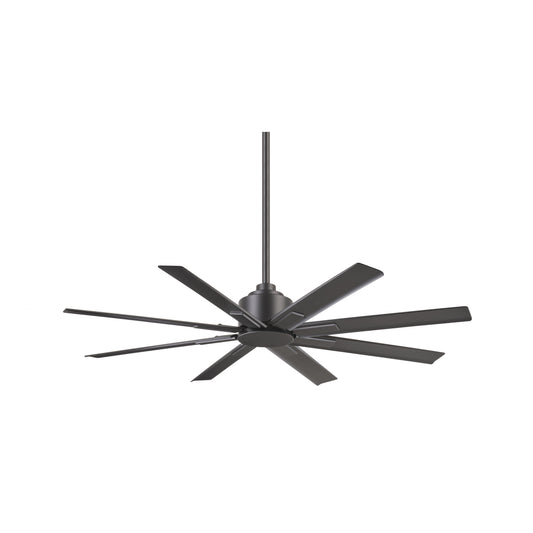
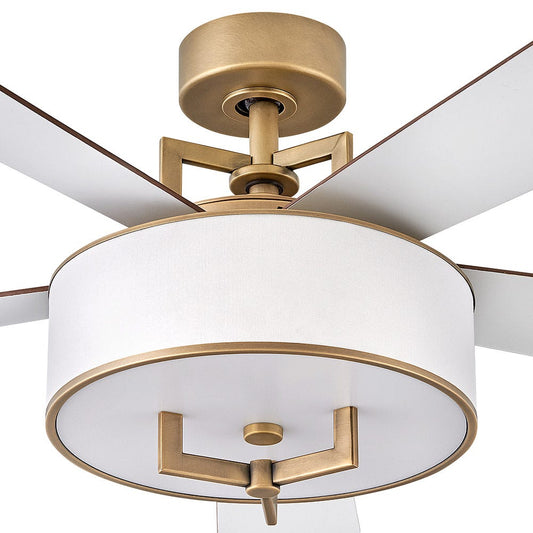
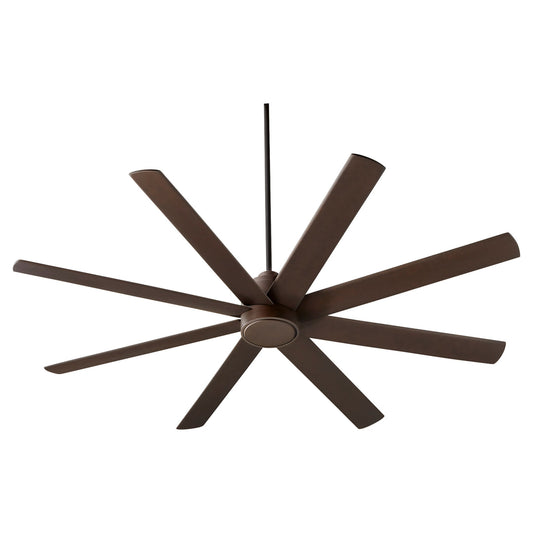
If you want a noticeable upgrade, start with the motor. The motor is what drives efficiency, quiet operation, and consistent speed. One strong option from our lineup is the Ceiling Fan with Energy-Saving Motor style design from Fan & Lights. These models are built to prioritize efficient airflow and smooth performance for living rooms, bedrooms, and open spaces.
Why this kind of fan stands out for shoppers:
- Efficient motor technology helps reduce wasted power while maintaining strong air movement.
- Comfort-focused airflow supports a steadier breeze, which can make rooms feel better at lower fan speeds.
- Easy integration with your existing room style, so you get function and form together.
If you are comparing options, it helps to look for motor-focused efficiency first, then refine the fit based on your room size. You can also explore similar motor-driven options across our collections. For example, you can check Stella motor for an energy-minded approach, or browse Levon motor if you are shopping for a modern motor profile with dependable airflow.
Want to match your fan to your room’s layout? Consider also pairing your new fan with suitable lighting options, so you can control brightness and airflow from one place.
How to choose the right fan for your space
Choosing the right size and features is where many buyers win—or lose—comfort and efficiency. Use this checklist to narrow your selection quickly.
Match blade span to room size
Blade span is one of the biggest predictors of how well a fan will move air in your room. In general, larger rooms benefit from bigger blade spans, while smaller rooms need a more compact footprint so airflow does not feel too light or uneven. If you are unsure, measure the room and compare it to common sizing guidance used by ceiling fan retailers.
Pick airflow control that matches your routine
Energy-saving fans work best when you can run them at the speed that feels right. Look for multiple speeds and a control method that supports comfortable adjustments throughout the day. Many households like remote or wall control options because they make it easy to fine-tune comfort without walking to the switch.
Look for quiet, stable performance
Noise is a comfort killer. Efficient ceiling fans often run more smoothly, which can help you sleep better and reduce distraction while working. If your home is sensitive to sound, pay attention to smooth motor operation and stable balancing features.
Use the right direction for seasonal comfort
Ceiling fans are not just for summer. During warm months, you generally want airflow directed downward to create a cooling breeze. During cooler months, you want airflow reversed so warmer air can circulate more evenly. Always confirm fan direction settings using the product manual for your exact model.
Consider ceiling height and mounting style
If your ceiling is higher than average, you may need a longer downrod for proper airflow. If your ceiling is low, you may want a flush-mount style to keep the fan closer to the room surface. Getting the mounting style right helps the fan deliver consistent airflow without awkward clearances.

Room layout shapes with distance lines for airflow
Step-by-step how to install and dial it in
You can install a ceiling fan yourself, but only if you are comfortable working around electrical wiring and following the included instructions. If you are not, hire a qualified electrician. A safe installation protects your home and helps your fan perform at its best.
- Check the existing electrical box. Confirm the fan-rated ceiling box and wiring condition. Use the recommended hardware listed in your fan’s instructions.
- Turn off power at the breaker. Verify power is off before touching any wires.
- Assemble the fan components. Follow the manual for blade mounting, motor housing, and any light kit connections if your model includes lighting.
- Mount the fan to the ceiling. Attach the downrod if needed, then secure the motor housing to the ceiling plate. Tighten all fasteners as instructed.
- Connect wiring correctly. Match wires by color and function to the manual’s guidance. Secure connections with appropriate wire connectors.
- Attach blades and verify alignment. Install each blade carefully, then check that blade spacing looks even.
- Test fan operation. Restore power and test each speed. If your fan wobbles, power off and re-check blade tightness and alignment.
- Set seasonal airflow direction. Use the fan’s forward/reverse function so airflow matches your season.
- Fine-tune for comfort. Start at a medium speed, then adjust based on how the room feels. If you are using air conditioning, you may be able to lower thermostat settings while staying comfortable.
To get a smoother install process, organize your tools, read the manual fully, and do one step at a time. Small alignment details can make a big difference in stability and comfort.
If your setup is part of a bathroom, covered patio, or a space that experiences higher humidity, choose a model rated for that environment. For example, you can explore options like Aireflush for flush-mount needs, or browse Arden when you want a design that fits common interior layouts.
Personal experience: the first week after switching
The first time I replaced an older ceiling fan, I expected the change in comfort to be subtle. Instead, the first week felt noticeably better. The fan moved air more consistently, and I did not have to run it at the highest speed to feel comfortable in the evenings.
I started by setting the fan to a mid-level speed and watching how the room felt after a few hours. The breeze felt steadier, and the air in corners seemed less stagnant. Later, when I tried the fan on lower speed, it still delivered enough airflow to make the room comfortable without that “overworking” feeling.
What surprised me most was how quickly I adapted. I stopped thinking of the fan as a quick fix and started treating it like part of my comfort routine. Once the airflow felt right, I naturally adjusted my thermostat less often.
Summary & recommendations
Ceiling fans with energy-saving technology are a practical upgrade for any home. When you choose a model with an efficient motor, balanced airflow, and controls that let you match comfort needs, you can reduce wasted power and improve how rooms feel day to day.
Here is the simple recommendation path:
- Start with the motor and airflow design so your fan performs well at lower speeds.
- Select the right blade span for your room size and ceiling height.
- Install safely and verify stable operation before using it regularly.
- Use seasonal direction to support cooling in warm months and better circulation during cooler months.
If you are ready to upgrade, explore Fan & Lights and find a ceiling fan that fits your space and comfort needs. Browse our motor-focused options and complete your setup with lighting or controls that make daily use easier. Shop ceiling fans and enjoy more comfort with smarter energy use.
Q&A
Do energy-saving ceiling fans actually use less power?
Yes, many energy-efficient ceiling fans are designed to move air with less electricity. Efficient motors and refined airflow help deliver the breeze you want without needing higher fan speeds for the same comfort.
What is the best fan speed to save energy?
A good starting point is medium speed, then adjust downward until the room feels comfortable. Many households use lower speeds longer, because the airflow feels steady and does not require maximum settings.
Should I reverse the fan in winter?
Often, yes. In cooler months, reversing the fan can help redistribute warmer air that naturally rises. Use the forward/reverse switch on your specific model and follow the included instructions for best results.
How do I prevent wobbling after installation?
Check blade screws for tightness, confirm the blades are evenly aligned, and ensure the mounting bracket is securely fastened. If wobble continues, verify ceiling mounting stability and consult the manual’s troubleshooting steps.
Disclaimer: This article provides general guidance for selecting and installing ceiling fans. Always follow the instructions included with your specific model and prioritize electrical safety. If you are unsure about wiring or mounting, consult a qualified professional.

An Owner of The Fan Connection, Selling Ceiling Fans for the past 15 years and been in business since 1979. Living in Florida the sunshine state, Love my pup Trooper.


