











Smart Custom Ceiling Fans for Style and Efficiency
Updated on: March 20, 2026
Custom ceiling fans offer homeowners a practical solution for improving air circulation, reducing energy costs, and enhancing interior aesthetics. This guide explores how tailored fan designs solve common cooling challenges while complementing your home's unique style. Discover why personalized options matter, what mistakes to avoid, and which features deliver the best value for your investment.
Table of Contents
- Common Mistakes to Avoid
- Pros and Cons Analysis
- Quick Tips for Selecting Your Fan
- Key Insights and Next Steps
- Frequently Asked Questions
Understanding Custom Ceiling Fans for Your Home
When it comes to home comfort, many people overlook one of the most effective tools available: a well-chosen ceiling fan. Whether you live in a warm climate or simply want to reduce reliance on air conditioning, custom ceiling fans provide an affordable, stylish solution that works year-round. Unlike generic off-the-shelf models, personalized fans allow you to match your home's décor while enjoying enhanced performance tailored to your specific needs.
The right fan does more than circulate air. It reduces energy consumption, creates visual interest in your rooms, and improves overall comfort during every season. However, choosing the perfect model requires understanding your space, recognizing common pitfalls, and knowing which features truly matter for your situation.

Modern fan blade designs with integrated LED lighting and remote control technology for seamless home integration.
Common Mistakes to Avoid When Selecting Custom Ceiling Fans
Many homeowners make preventable errors that result in poor performance, safety concerns, or wasted money. Understanding these mistakes helps you make confident decisions.
Choosing the Wrong Size for Your Room
One of the most frequent mistakes is installing a fan that doesn't match your room's square footage. A small fan in a large bedroom struggles to circulate air effectively, while an oversized model in a compact room looks awkward and wastes energy. Room size directly impacts performance and aesthetics, so measure your space carefully before shopping.
Ignoring Ceiling Height Requirements
Low ceilings demand flush-mount designs, while cathedral ceilings need angled brackets or extended downrods. Installing the wrong configuration creates clearance problems, reduces blade efficiency, and poses safety hazards. Always verify your ceiling height and select a compatible design.
Overlooking Motor Quality and Warranty
Budget models with weak motors fail prematurely and consume excessive electricity. Premium options from trusted manufacturers include extended warranties and reliable performance. Investing in quality construction saves money over time through lower energy bills and fewer repairs.
Neglecting Blade Material and Finish
Humidity-prone areas like bathrooms and kitchens require moisture-resistant materials. Standard wood blades deteriorate quickly in these environments. Choosing appropriate finishes prevents warping, discoloration, and performance loss.
Forgetting About Noise Levels
Some models operate loudly, disrupting sleep or conversation. Professional designs feature balanced blades and vibration-dampening technology for whisper-quiet operation. Always check decibel ratings before purchasing, especially for bedrooms or quiet spaces.
Pros and Cons Analysis
Advantages of Custom Ceiling Fans
- Energy Efficiency: Reduces air conditioning costs by promoting air circulation throughout your home.
- Design Flexibility: Available in countless styles, finishes, and blade options to match any décor.
- Year-Round Comfort: Warm air distribution in winter and cooling circulation in summer.
- Improved Air Quality: Promotes better air movement and prevents stagnant conditions.
- Aesthetic Appeal: Adds visual interest and can serve as a decorative focal point.
- Cost-Effective: Lower upfront cost compared to upgrading HVAC systems.
- Easy Installation: Most models install quickly with standard electrical connections.
- Quiet Operation: Premium models operate at minimal noise levels.
Disadvantages and Considerations
- Initial Investment: Quality models require higher upfront spending than budget alternatives.
- Maintenance Requirements: Regular cleaning and occasional maintenance keep blades balanced and motors running smoothly.
- Installation Complexity: Vaulted or textured ceilings may require professional installation at additional cost.
- Ceiling Damage Risk: Improper installation can crack drywall or damage electrical wiring.
- Weight and Safety: Heavy fans need proper mounting brackets and secure electrical boxes.
- Climate Limitations: Performance varies based on room size, ceiling height, and insulation quality.
- Warranty Limitations: Some manufacturers offer limited coverage on specific components.

Installation process showing ceiling bracket assembly, wiring connections, and blade mounting procedures for secure setup.
Quick Tips for Selecting and Installing Custom Ceiling Fans
- Measure First: Determine room square footage and ceiling height before browsing options.
- Check Airflow Ratings: Higher CFM (cubic feet per minute) ratings indicate better air circulation.
- Consider Lighting Integration: Many models include LED fixtures, reducing the need for separate lighting.
- Select Appropriate Materials: Choose moisture-resistant options for bathrooms and kitchens.
- Verify Electrical Requirements: Ensure your home's electrical system supports your chosen model.
- Test Remote Controls: Modern options offer convenient wireless controls for speed and direction adjustment.
- Read Customer Reviews: Real user feedback reveals reliability, noise levels, and performance quality.
- Plan Professional Installation: Hiring certified installers prevents safety issues and ensures proper setup.
- Check Warranty Details: Premium models typically offer comprehensive coverage for motor and components.
- Consider Energy Certifications: ENERGY STAR rated models guarantee efficiency and cost savings.
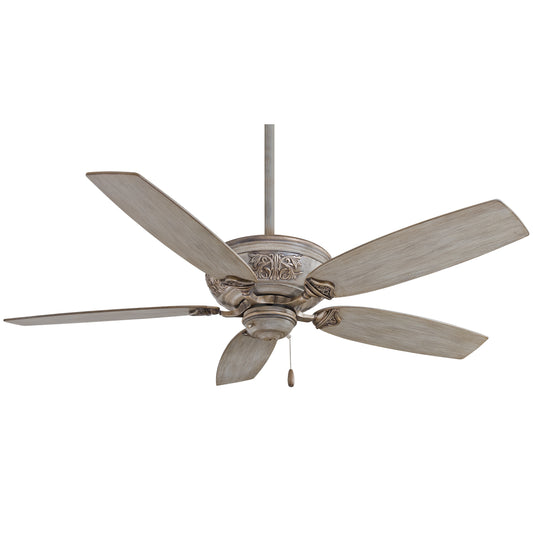
For specific recommendations, explore options like the Levon Motor series for contemporary designs or the Stella Motor collection for traditional aesthetics. Each offers distinct advantages tailored to different room styles and performance needs.
Key Insights and Next Steps
Custom ceiling fans represent a smart investment in home comfort and energy efficiency. By understanding common mistakes, weighing pros and cons, and following practical selection guidelines, you can confidently choose a model that enhances your space while delivering measurable benefits.
The right fan combines performance, style, and durability. Whether you prioritize quiet operation, decorative appeal, or maximum air circulation, quality options exist at various price points. Start by assessing your specific needs—room size, décor style, climate conditions, and budget constraints—then match them with appropriate designs.
Installation matters just as much as selection. Proper mounting ensures safety, optimal performance, and longevity. If you're uncertain about electrical work or ceiling compatibility, professional installation is a worthwhile investment that protects your home and guarantees correct setup.
Energy savings accumulate over time, often paying back your initial investment within months of regular use. Combined with the aesthetic improvements and comfort enhancements, custom ceiling fans deliver exceptional value compared to other home upgrades.
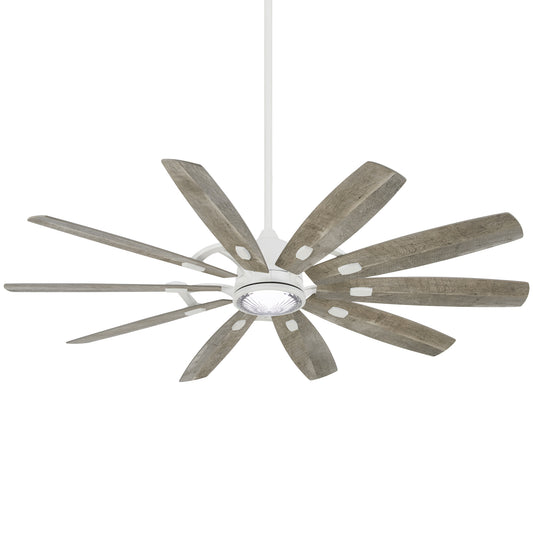
Explore premium collections like the Aire Deluxe for luxury finishes or the WindPointe collection for contemporary design. Each model showcases engineering excellence and aesthetic sophistication that elevates any room.
Frequently Asked Questions
What size ceiling fan do I need for my bedroom?
Bedroom size determines fan selection. Rooms up to 75 square feet typically need 36-inch fans, while 75 to 144 square feet require 42-inch models. For larger bedrooms exceeding 144 square feet, choose 52-inch or larger fans. Matching fan size to room dimensions ensures effective air circulation without excessive noise or energy consumption. Always verify your specific room measurements before purchasing to guarantee optimal performance.
Can I install a custom ceiling fan myself, or should I hire a professional?
If you have electrical experience and confidence working at heights, self-installation is possible. However, professional installers handle complex wiring, ensure building code compliance, and guarantee proper mounting. For first-time installations, challenging ceiling types, or complex electrical situations, professional service prevents mistakes that could compromise safety or performance. The cost of professional installation often pays for itself through correct setup that maximizes fan lifespan.
How often should I clean and maintain my ceiling fan?
Clean fan blades monthly to prevent dust accumulation that reduces efficiency and creates allergenic particles. Check blade balance quarterly and tighten any loose hardware. Annually inspect electrical connections and motor performance. In dusty environments like construction zones or high-traffic areas, increase cleaning frequency. Proper maintenance extends fan lifespan, maintains quiet operation, and ensures consistent performance year-round.
What is the difference between downrod and flush-mount ceiling fans?
Downrod models suspend from a rod extending from the ceiling, ideal for standard ceiling heights of nine feet or more. Flush-mount fans attach directly to the ceiling, perfect for rooms with lower ceilings where hanging designs create clearance problems. Each type serves different architectural situations. Choose based on your ceiling height and the clearance needed for safe blade operation and optimal air circulation patterns.
Do ceiling fans work in kitchens with cooking fumes?
Yes, but select models with durable finishes that resist grease buildup and moisture. Stainless steel and powder-coated metal options handle kitchen conditions better than standard painted finishes. Install fans away from direct cooking heat when possible, and increase cleaning frequency to prevent grease accumulation on blades. Kitchen-rated designs ensure longevity and maintain performance in this challenging environment.
Ready to transform your space with the perfect custom ceiling fan? Browse our extensive collection today to find models that combine style, performance, and reliability. Whether you prioritize energy efficiency, decorative appeal, or quiet operation, quality options await at competitive prices. Shop now and experience the comfort difference that professional-grade fans deliver to homes across the country.

An Owner of The Fan Connection, Selling Ceiling Fans for the past 15 years and been in business since 1979. Living in Florida the sunshine state, Love my pup Trooper.


