











Smart Tips for Choosing Indoor Ceiling Fans by Room Size
Updated on: March 12, 2026
Looking to improve air circulation and comfort in your home? Indoor ceiling fans are an affordable, energy-efficient solution that keeps your space cool in summer and helps distribute warm air in winter. Discover how the right ceiling fan can enhance your home's comfort, reduce energy costs, and add style to any room. Learn what to look for and find the perfect model for your needs.
Table of Contents
- Key Benefits of Indoor Ceiling Fans
- Choosing the Right Ceiling Fan for Your Space
- Installation and Setup Guide
- Frequently Asked Questions
Key Benefits of Indoor Ceiling Fans
Indoor ceiling fans offer far more than just air movement. They serve as a practical investment in your home's comfort and efficiency. Whether you live in a warm climate or experience seasonal temperature changes, these devices work year-round to maintain optimal comfort levels.
- Energy Efficiency: Ceiling fans use significantly less electricity than air conditioning systems, helping you reduce monthly utility bills while maintaining comfort.
- Year-Round Comfort: During summer, fans create a cooling breeze. In winter, they push warm air down from the ceiling, improving heat distribution throughout the room.
- Improved Air Circulation: Stagnant air can lead to discomfort and uneven temperature zones. Fans create consistent air movement, eliminating hot or cold spots.
- Cost-Effective Cooling: Using a ceiling fan alongside air conditioning allows you to raise your thermostat slightly, saving money without sacrificing comfort.
- Aesthetic Appeal: Modern ceiling fans complement any decor style, from contemporary to traditional, adding visual interest to your rooms.
- Quiet Operation: Quality fans run smoothly and quietly, providing effective air circulation without disruptive noise.
- Simple Installation: Most models install directly into existing ceiling fixtures, making upgrades straightforward and hassle-free.

Gentle air circulation flowing downward in a bright, airy living room space with warm natural light
Choosing the Right Ceiling Fan for Your Space
Selecting the ideal fan requires understanding your specific needs and room characteristics. Size, motor quality, speed settings, and design all play important roles in determining whether a fan will meet your expectations.
Room Size Matters
The dimensions of your space directly impact which fan will work best. Smaller rooms, such as bedrooms or home offices, typically need fans with blade spans of 36 to 42 inches. Medium-sized rooms like standard living areas benefit from 44 to 52-inch fans. Large spaces, including open-concept areas or dining rooms, require 56-inch or larger models to ensure adequate air circulation. Installing an undersized fan wastes energy and provides minimal benefit, while an oversized unit in a compact room creates unnecessary turbulence.
Motor Quality and Performance
The motor is the heart of any ceiling fan. A robust, well-engineered motor ensures reliable performance, longevity, and efficient operation. Look for fans featuring high-quality motors that operate smoothly across all speed settings. Premium motors run cooler, last longer, and consume less electricity than budget alternatives. Consider models like the Spitefire Motor, which delivers exceptional performance and durability for demanding environments.
Blade Design and Materials
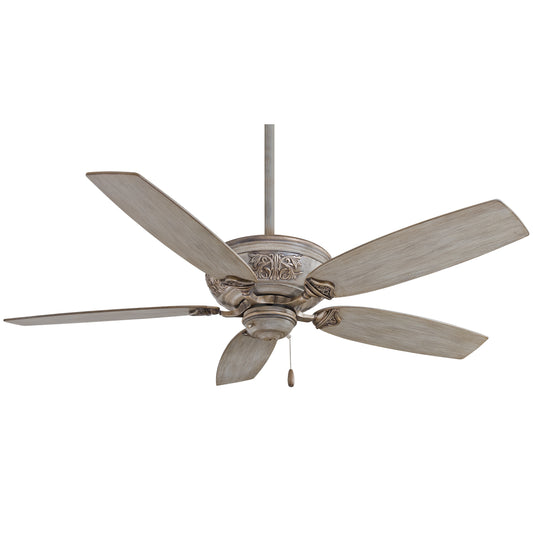
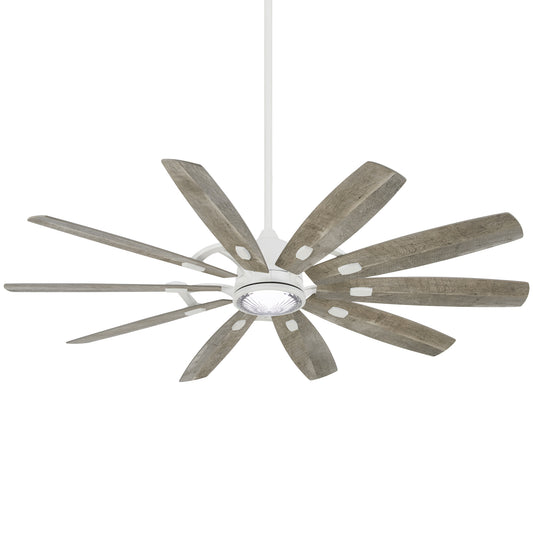
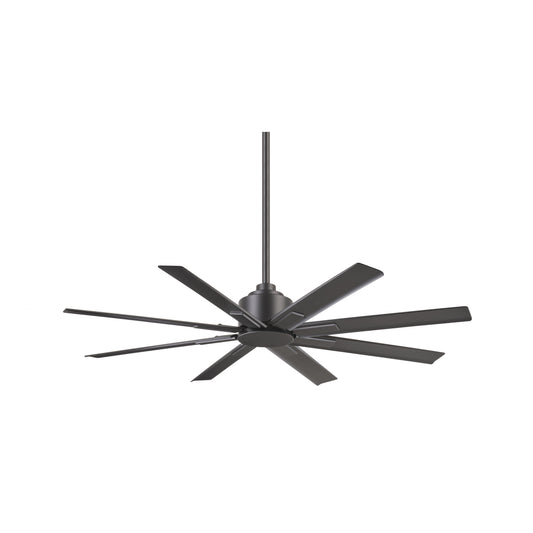
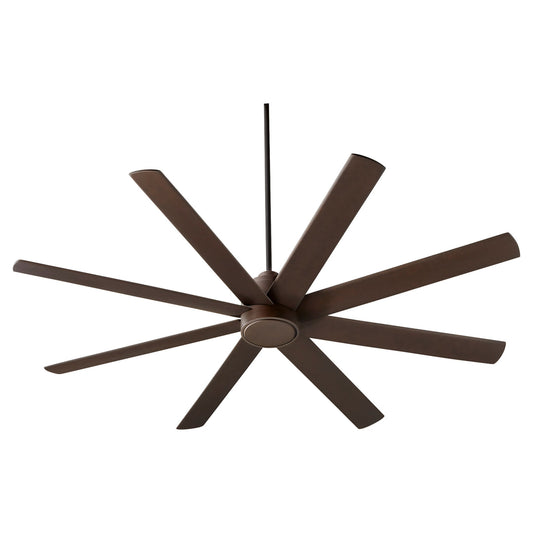
Blade configuration affects both performance and aesthetics. Traditional four-blade designs offer balanced airflow and are widely available. Three-blade designs provide a sleek, modern appearance while still delivering effective circulation. Materials range from wood and metal to composite options. Each material has distinct advantages: wood provides warmth and elegance, while metal offers durability and contemporary style. Consider your room's decor and maintenance preferences when selecting blade materials.
Speed Settings and Control Options
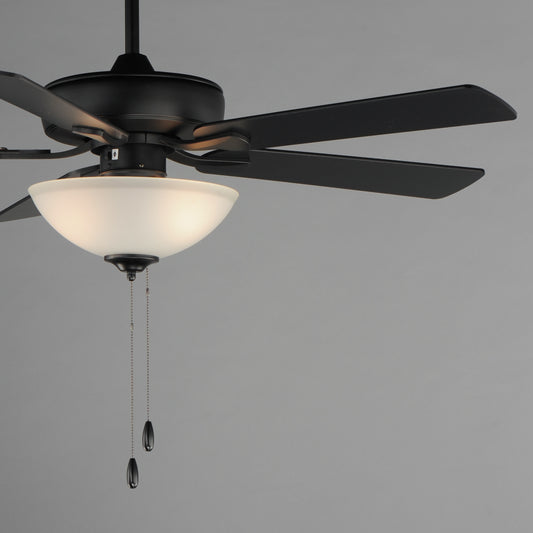
Variable speed settings provide flexibility to adjust air circulation based on comfort needs and season. Models with multiple speeds allow you to run at lower levels during winter or when you prefer gentle air movement, reducing energy consumption. Remote controls and wall-mounted switches offer convenient operation without climbing a ladder. Smart-enabled fans integrate with home automation systems, allowing you to control them via smartphone or voice commands.
Noise Level Considerations
Nobody wants a noisy fan disrupting their environment. Quality construction and precision balancing minimize vibration and noise. Professional installations also reduce operational sound. If quiet operation is essential, test fans before purchasing or read reviews specifically addressing noise performance. The quietest models use advanced motor designs and dampening materials to ensure whisper-quiet operation.

Close-up detail of precision blade balance and smooth motor mechanics in motion
Installation and Setup Guide
Preparing Your Installation Space
Before beginning installation, turn off power to the existing ceiling fixture at your electrical panel. Use a voltage tester to confirm electricity is completely shut off. Gather all necessary tools: a screwdriver, wire strippers, electrical tape, and the manufacturer's installation manual. Read through all instructions completely before starting to understand each step's sequence.
Removing Old Fixtures
Carefully remove any existing ceiling fixture or light. Disconnect wires by unscrewing wire nuts and separating the conductors. If you're replacing a light with a ceiling fan, you may need to upgrade the electrical box to support the fan's weight. Standard lighting boxes often lack sufficient support for rotating equipment. Consult a licensed electrician if you're uncertain about structural adequacy.
Installing the Mounting Bracket
Secure the mounting bracket firmly to your ceiling's electrical box using provided hardware. Ensure the bracket is level and tightly fastened. This component bears the entire fan's weight, so proper installation is critical. Double-check that all screws are tight before proceeding.
Connecting Electrical Wiring
Match black wires to black, white wires to white, and copper ground wires together. Twist each pair together securely and cover with wire nuts, turning them clockwise until snug. Wrap connections with electrical tape for added protection. Ensure all connections are inside the electrical box before mounting the fan.
Assembling and Mounting the Fan
Follow manufacturer instructions for assembling the fan's components. Attach the motor housing to the mounting bracket, then install blades according to specifications. Balance is essential for quiet operation, so ensure all blades attach securely at the same angle. Check your work before applying power.
Testing and Adjustment
Once installation is complete, restore power and test the fan at all speed settings. Verify smooth operation, check for unusual vibrations or noise, and ensure blades rotate freely. Adjust blade pitch if necessary to optimize airflow direction and performance. Consider exploring models like the Levon Motor for superior installation support and comprehensive guidance.
Frequently Asked Questions
Can I Install a Ceiling Fan If I Don't Have Electrical Experience?
While basic installation is straightforward for many people, electrical work requires caution. If you're uncomfortable working with wiring or your ceiling lacks proper support, hire a licensed electrician. This investment ensures safety and proper installation. Professional installation also preserves warranty coverage with many manufacturers.
How Do I Know Which Direction My Fan Should Rotate?
Most fans include a direction switch on the motor housing. During summer, set the fan to rotate counterclockwise to push cool air downward. In winter, switch to clockwise rotation at low speed to circulate warm air that accumulates near the ceiling. Some advanced models automatically detect season and adjust accordingly.
What Size Fan Do I Need for High Ceilings?
For rooms with ceilings higher than nine feet, standard fans may not deliver adequate air circulation. Consider larger models or multiple fans positioned strategically throughout the space. If your ceiling is very high, install the fan lower using a downrod, which improves performance without sacrificing the aesthetic appeal. The Stella Motor offers excellent options for varied ceiling heights and configurations.
How Often Should I Clean My Ceiling Fan?
Clean your fan blades every one to three months, depending on dust accumulation. Use a microfiber cloth to wipe blades gently while the fan is off. This simple maintenance prevents dust buildup, maintains efficiency, and extends the fan's lifespan. Regular cleaning also keeps air quality higher by preventing dust circulation.
Are Smart Ceiling Fans Worth the Investment?
Smart fans offer convenience and energy savings through automation and remote control. If you value the ability to adjust fan settings from your smartphone or through voice commands, the added cost is justified. However, traditional fans with wall switches work reliably and cost less initially. Choose based on your lifestyle and preferences.
Can a Ceiling Fan Replace My Air Conditioning System?
Ceiling fans enhance comfort but don't replace air conditioning in hot climates. They work best alongside air conditioning, allowing you to raise your thermostat a few degrees while maintaining comfort. This combination reduces energy consumption and lowers utility bills significantly. In mild climates or during cooler seasons, fans alone may provide adequate comfort.
Improving your home's comfort doesn't require expensive upgrades or complicated solutions. Quality indoor ceiling fans deliver year-round benefits through energy efficiency, better air circulation, and enhanced comfort. Whether you're upgrading an existing space or installing fans for the first time, understanding your options ensures you make the right choice for your needs. Browse our comprehensive collection at Doren to discover fans combining style, performance, and reliability. Start enjoying superior comfort and lower energy bills today by selecting the perfect ceiling fan for your home.


