











Stylish Ceiling Fans That Elevate Any Room Comfort
Updated on: 2026-07-10
Practical Guide: choosing stylish ceiling fans
Key advantages of stylish ceiling fans
Stylish ceiling fans that elevate comfort and style
Stylish ceiling fans do more than move air. They bring a finished look to your space while helping you stay comfortable in every season. If you have ever bought a fan that looked great but didn’t perform, or one that worked but felt out of place, you are not alone. The good news is that you can get both: smart airflow and design-forward styling.
In this guide, you will learn how to choose stylish ceiling fans for your room size, ceiling height, and lighting needs. You will also find practical installation tips, care reminders, and product ideas that match different home styles. Let’s make your next upgrade feel as good as it looks.
Practical Guide: choosing stylish ceiling fans
Picking the right fan should feel straightforward. Start with performance, then match the design. Use the steps below and you will narrow your options quickly.
1) Measure your room and match fan size
Your room size is the best predictor of comfort. For most spaces, larger fan blades create smoother airflow across the area. If your room is small, a full-size fan can feel overpowering and may not distribute air as evenly. Aim for a balanced fit that supports circulation without overwhelming the space.
If you are unsure where to start, think about how you use the room. Bedrooms and offices often benefit from gentle airflow for everyday comfort. Living areas and open plans usually do well with more circulation. This is where a style-focused fan can still be functional and efficient.
2) Check ceiling height and choose the right mounting style
Ceiling height affects how close the blades sit to your living space. Low ceilings may need a flush mount option, while standard to higher ceilings can handle downrod mounting. Choosing the correct mounting style keeps airflow effective and prevents the fan from feeling cramped.
As a rule, you want clearance that looks intentional. When the fan sits at the right height, it also makes the overall room design feel more cohesive.
3) Pick a finish that complements your lighting and decor
Stylish fans often act like a centerpiece. Choose a finish that matches your existing hardware, light fixtures, or furniture undertones. Warm metals can feel inviting, while cooler tones can look modern and clean.
If you love layered design, consider pairing a fan with lighting that shares a similar style. This is an easy way to reduce visual clutter and make the room look “designed,” not assembled.
4) Decide if you want integrated light or fan-only airflow
Many stylish ceiling fans include lighting, which helps you reduce the number of separate fixtures. Integrated light can improve convenience for everyday use, especially in dining areas and living rooms where you want both illumination and cooling.
If you already have strong lighting, a fan-only design may be the best route. Either way, the goal is simple: match the fan to your lighting plan, not just to your visual taste.
Diagram-style airflow arrows, ceiling options, room dimensions
5) Use comfort features to match your lifestyle
Look for features that support your daily routine. Reverse airflow can help you move warm air during cooler months. Remote control can make it easy to adjust speed without leaving the couch. Whisper-quiet operation matters if the fan will run in a bedroom or study.
Even small upgrades make a difference. When the fan is easy to control and consistent in performance, you are more likely to use it year-round.
Key advantages of stylish ceiling fans
When a fan fits your space and your style, the benefits show up fast. Here are the main reasons customers love upgrading.
- Better comfort with smarter airflow: Move air where you need it most to feel cooler or warmer depending on season.
- A design upgrade that feels intentional: A stylish finish, blade profile, and housing shape can instantly modernize a room.
- Convenient lighting integration: Choose fan-and-light models for one coordinated centerpiece.
- Year-round usability: Features like reversible direction help you use the fan beyond summer.
- More control, less effort: Remotes and multi-speed options make it easy to fine-tune comfort.
A quick product-match example
If you want a fan that feels clean and contemporary, start with a motor system designed for smooth operation and a look that pairs well with modern lighting. For a lighting-forward ceiling update, pairing a fan with a complementary fixture can make your upgrade feel complete.
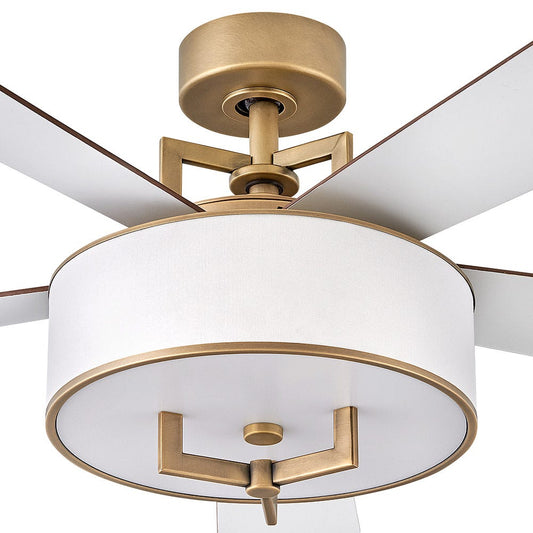
For inspiration on fan-and-light styles, explore Celano V2 fan models to see how design details can work with everyday functionality.
Best use cases by room
Stylish ceiling fans are not one-size-fits-all. The best choice depends on how that room is used, how much ceiling clearance you have, and whether you want lighting integrated.
Living rooms
Living rooms are where a fan becomes a focal point. Choose a style that matches your sofa shapes and light fixtures. If you entertain often, a fan with smooth speed control helps you adjust airflow without disrupting conversation. Integrated light is also useful for evening gatherings, especially when you want the fan to support the room’s overall mood.
Bedrooms
Bedrooms benefit from quiet airflow and stable control. A fan that runs smoothly can make it easier to relax. If you prefer softer illumination, select a model where the light output supports a calm atmosphere.
Dining areas
Dining spaces need balanced comfort so guests stay comfortable during meals. If your dining room has a chandelier or pendant lighting, a stylish ceiling fan can still work—just pick a finish and blade style that feels consistent with the existing design language.
Home offices
If your work area gets stuffy, a ceiling fan can help keep the room feeling fresh. Look for comfort features like easy speed adjustments and reliable performance. A stylish fan can also make your desk area feel more focused and polished.
Open-concept spaces
Open plans require careful placement and consistent airflow. A well-chosen fan can support circulation while still looking cohesive with the room’s overall design. For a sleek look in larger areas, it can help to choose a finish that repeats across multiple elements like lighting and hardware.
Room scenes with icons: living, bedroom, office airflow
Outdoor-covered or patio-adjacent areas
If your space is covered and designed for airflow, you may want a fan that fits your layout and ceiling conditions. Always confirm that the fan is appropriate for your environment before installing. When you get it right, a stylish ceiling fan can extend comfort beyond the indoors.
Installation and care tips that keep performance strong
Great styling matters, but correct installation protects performance and helps the fan last. Use these tips to avoid common problems like wobbling or uneven airflow.
Plan your wiring and mounting points
Before installing, confirm that your ceiling box can support the fan’s weight and that the wiring is compatible with your setup. If you are not confident with electrical work, hire a qualified installer. Proper mounting prevents vibration and keeps the airflow steady.
Use the right tools and follow the instructions
Even a high-quality fan can underperform if blades are not balanced or tightened correctly. Follow the included directions for blade alignment, wiring connections, and hardware installation. Take your time with the first setup—it pays off every day afterward.
Balance the blades if needed
If you notice wobble after installation, blade balancing may be required. Many issues come from minor alignment differences during setup. Addressing this early keeps the fan stable and quiet.
Clean blades and housing regularly
Dust and debris can build up over time and affect airflow. Use a soft cloth or a duster to clean blades and the fan housing. If your model includes light components, turn off power first and allow bulbs to cool before cleaning.
Use the fan direction that matches the season
When the fan runs in the correct direction, it helps improve comfort. In warmer seasons, it can support a cooling effect by moving air downward. In cooler seasons, reverse operation can help circulate warm air closer to your space. Always confirm direction settings for your model.
Choose product options for different needs
If you want a reliable motor design and a streamlined look, consider models like Spitefire motor. If you prefer a more decorative, statement approach, a different style may fit better. For example, Hugh can be a solid starting point when you want a modern ceiling look paired with functional airflow.
If your priority is flush-to-ceiling styling for lower rooms, take a look at Aireflush options to explore how sleek designs can still deliver comfort.
What customers say
Customers often mention the same two wins: the fan looks right in their space, and it feels good to use. While every home is different, these themes show up again and again.
Testimonial: “It made the room feel finished.”
One customer shared that the fan became an instant upgrade in their living room. They liked that the design matched their existing finishes and didn’t look like an afterthought. They also said the airflow made evenings feel more comfortable without constantly adjusting other settings.
Testimonial: “Quiet enough for sleep.”
A bedroom shopper highlighted how smooth and quiet operation helped them keep the fan running longer. They appreciated multi-speed control and the ease of adjusting comfort. For them, the fan’s look was the final reason they committed to the purchase.
Testimonial: “The light and airflow together are perfect.”
For a dining area upgrade, a customer noted that the integrated lighting reduced the need for extra fixtures. They felt the room looked brighter and more cohesive. They also mentioned that the fan helped create a comfortable atmosphere during meals.
These stories reflect what to expect when you choose well: a balanced mix of design, comfort, and everyday usability.
Summary & Next steps
Stylish ceiling fans are one of the fastest ways to improve comfort while upgrading the look of your home. Start by matching fan size to your room, confirm ceiling height for the correct mounting style, and choose a finish that blends with your lighting and decor. If you want integrated light, prioritize models that fit your everyday needs. Then, install carefully, balance blades if necessary, and keep the fan clean for strong airflow.
If you are ready to upgrade, take the next step now. Browse today’s fan-and-light options at Kg2g.store, and explore designs that fit your style goals.
Want personalized help choosing the right fit? Shop through Fan & Lights, compare styles, and select the fan that makes your space feel more comfortable and complete.
Q&A
How do I choose the best stylish ceiling fan for my room size?
Start by measuring the room and estimating how much airflow you need. Larger spaces typically benefit from wider blade spans, while smaller rooms usually do better with tighter circulation. If your ceiling height is low, prioritize a flush mount style. Then choose a finish and light option that fits your decor so the fan looks as good as it performs.
Should I pick a fan with integrated light or fan-only airflow?
Choose integrated light if you want one coordinated centerpiece for illumination and comfort. Choose fan-only if your room already has strong lighting and you mainly want airflow. Either choice can look great—just align the fan’s features with your current lighting plan and your daily routine.
What can cause a ceiling fan to wobble after installation?
Wobbling often comes from improper mounting, uneven blade tightening, or minor misalignment during setup. Blade balancing can help if the fan still feels uneven. Confirm that the electrical box is rated correctly, then re-check hardware and blade alignment based on the installation instructions. If needed, ask a qualified installer to troubleshoot safely.
How often should I clean my ceiling fan?
Clean your fan regularly based on your environment. Dusty areas may require more frequent wiping. Use a soft cloth to remove dust from blades and the housing, and turn off power before cleaning around light components. Consistent cleaning helps airflow stay strong and keeps the finish looking fresh.
Disclaimer: Product availability, features, and compatibility vary by model. Always follow the installation instructions included with your ceiling fan and confirm that your ceiling structure and electrical setup are suitable before installing.

An Owner of The Fan Connection, Selling Ceiling Fans for the past 15 years and been in business since 1979. Living in Florida the sunshine state, Love my pup Trooper.


