







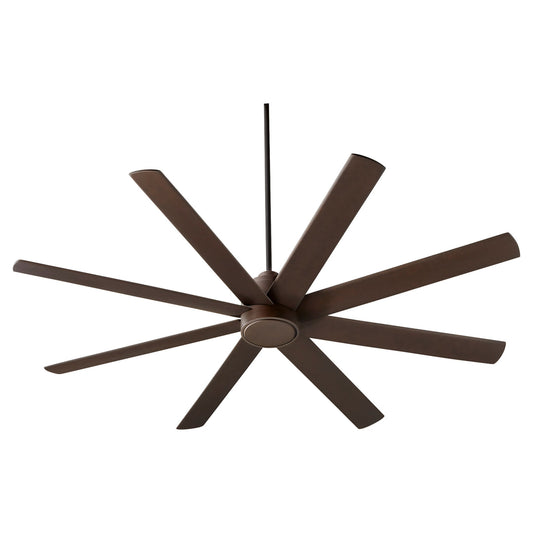


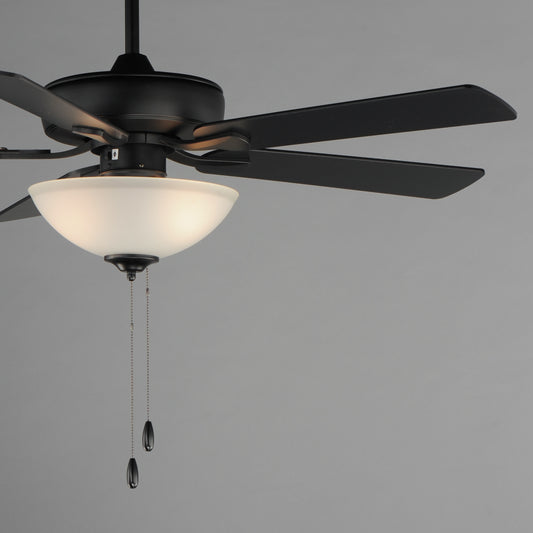


Top Ceiling Fans for Home Upgrade: Buyer Guide
Updated on: 2026-09-19
If you are searching for the best ceiling fans for home improvement, you are really looking for comfort, style, and energy savings in one upgrade.
This guide breaks down what to consider before you buy, from blade size and airflow to motor quality and controls.
You will also find practical room-by-room recommendations, real customer-style scenarios, and simple installation tips to help you get better results right away.
By the end, you will know which features matter most and what to shop for when you are ready to refresh your space.
Why the Best Ceiling Fans Matter
Buying ceiling fans is not just about picking a look. The best ceiling fans for home improvement help you feel better in every season, improve air movement, and add a clean design touch that fits your home. When you choose a fan that is built for your ceiling height, room size, and daily comfort needs, you get results you can actually feel—steady airflow, quieter operation, and a finish that looks good year after year.
If your current fan feels underpowered, wobbly, or louder than it should be, the solution is usually not “more fans.” It is selecting the right airflow, the right motor quality, and the right control style for your household. In this post, you will learn what matters most and how to shop with confidence.

Ceiling, airflow arrows, and comfort icons in a room
A Practical Guide to Choosing
To pick the right fan, start with fundamentals. The “best” option is the one that matches your space and lifestyle. Use these steps to narrow your choices quickly.
1) Size the fan for the room
Fan size drives how well it moves air. For smaller rooms, a compact fan can feel strong and balanced. In larger spaces, a wider blade span helps cover more area. If you are unsure, measure the room and choose a blade size that fits the space. The goal is to avoid a fan that feels like it is only pushing air in one corner.
2) Choose airflow and efficiency, not just style
Airflow performance depends on blade design and motor efficiency. Look for a fan that is designed to move air smoothly at comfortable speeds. A high-performing motor helps you run the fan without “maxing out” the controls all the time.
3) Prioritize motor quality for quieter comfort
Many homeowners notice that motor quality is what separates a good fan from a great one. A well-designed motor reduces vibration and supports quieter operation. If you work from home, sleep in the room, or simply dislike noisy appliances, motor performance should be a top priority.
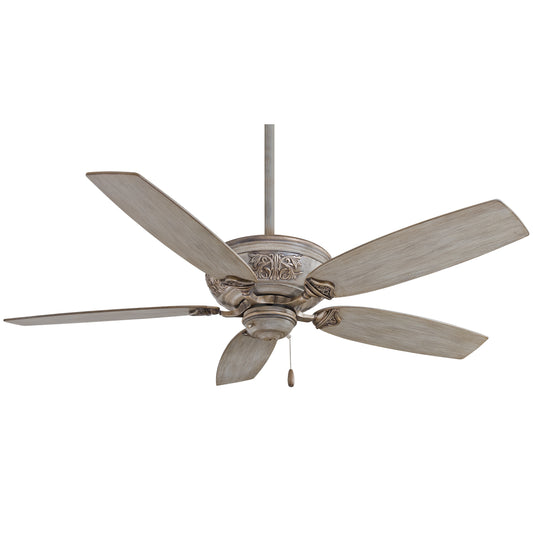
When you shop, check product details for motor type and intended comfort use. If you want an easy way to compare, browse ceiling fans that highlight motor engineering and smooth performance. For example, you can explore models like motor-powered options from Levon or Doren for a balanced upgrade to see how different designs fit different rooms.
4) Make controls match how you live
Control options affect daily comfort. Some homes benefit from wall controls, remotes, or multi-speed settings that let you fine-tune airflow. If you want quick adjustments for temperature changes, controls can make a big difference.
5) Verify ceiling height and installation needs
Ceiling fans need proper clearance for safe, effective airflow. Measure your ceiling height and plan for the right downrod if needed. If you do not account for clearance, you can end up with airflow that feels weak or a fan that looks off-center. When installing, follow the included instructions and confirm compatibility with your electrical setup.
Match the Fan to Your Room
Different rooms have different goals. A fan in your living room should support comfort during long evenings, while a bedroom fan often needs quiet operation and gentle airflow. Use these use cases to guide your selection.
Living rooms: steady comfort for everyday gatherings
In living rooms, you want balanced airflow across the space. Many homeowners prefer fans with multiple speed options so they can adjust from relaxed comfort to brighter airflow when guests arrive. Consider a finish that complements your lighting and furniture tones.
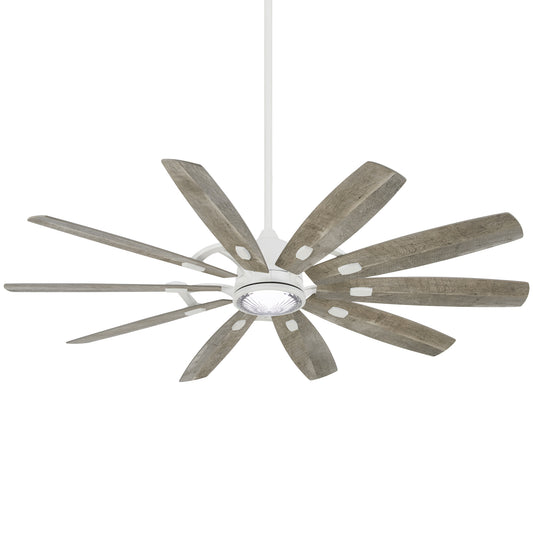
If you are upgrading a living room, you can browse designs such as Aire Deluxe fans to find styles that align with both modern and classic interiors. A well-matched fan helps the room feel more inviting without adding clutter.
Bedrooms: quiet airflow that supports better rest
Bedrooms benefit from fans that run smoothly and stay stable. Look for models that emphasize quiet operation and balanced blade design. If your bedroom is used for reading, relaxing, or sleeping, aim for controllable airflow rather than a fan that only works at one speed.
Home offices: comfortable air movement while you focus
In a home office, airflow helps you stay comfortable during long work sessions. You do not need maximum speed all day. A fan that performs efficiently at lower settings can be ideal because it supports comfort without disrupting focus.
Dining areas: style plus performance
Dining rooms often become social hubs. A ceiling fan can support airflow during meals and gatherings while adding a polished look. Pair your fan with lighting choices so the overall design feels intentional.
Kitchen and entry spaces: practical upgrades for daily movement
Kitchens and entryways may be busier, so choose fans that are easy to control and built for everyday use. If you have a high-traffic area, stability matters. A solid installation also helps prevent wobble over time.

Room zones with labels: bedroom, office, living, dining
Key Advantages of Upgrading
Switching to a better ceiling fan can feel like a small change that makes a big difference. Here are the most common benefits homeowners enjoy after upgrading.
Improved comfort: Better airflow helps maintain an even feel across the room.
Quieter operation: A quality motor often reduces vibration and background noise.
Energy-smart use: When airflow is effective, you can run your HVAC more efficiently.
Design flexibility: Modern finishes and blade styles can update your home’s look instantly.
More control: Multi-speed settings let you dial in comfort for different times and activities.
Consistency: A stable fan installation helps maintain smooth performance over time.
What Homeowners Notice After Installing
Every home is different, but comfort patterns repeat. Here are scenarios that reflect what many shoppers look for when upgrading to the best ceiling fans for home improvement.
Testimonial-style scenario: “We stopped turning the thermostat down so much.”
A homeowner replacing an older fan in the living room noticed airflow felt more consistent. Instead of cranking cooling at peak hours, they used fan speeds strategically. The room felt comfortable during evenings, and the fan became a daily “comfort helper.” The result was a home that felt better without constant temperature adjustments.
Testimonial-style scenario: “The fan sounds calmer than our old one.”
After installing a quieter motor model, a household reported a noticeable difference at night. They used lower speeds in the bedroom, and the space felt fresh without the distracting hum or wobble. For anyone sensitive to noise, motor performance can be a make-or-break feature.
Testimonial-style scenario: “It looks like a design update, not just a utility item.”
In an entry and dining combination, the fan became a visible centerpiece. The finish matched nearby fixtures, and the overall look felt more complete. Many homeowners find that choosing the right blade shape and finish makes the upgrade feel “intentional,” not temporary.
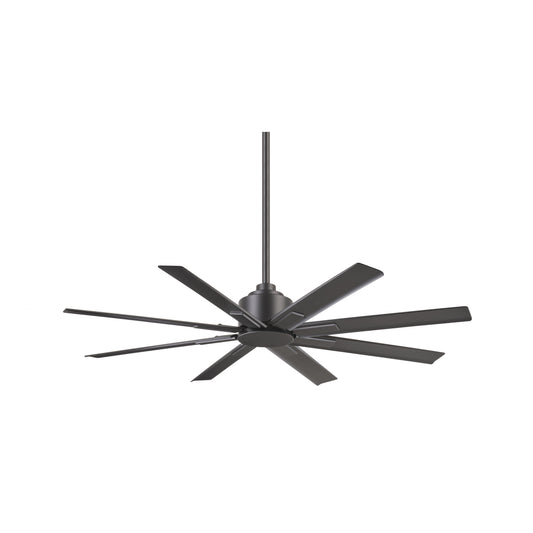
If you want to compare options with different styles and motor details, explore more picks such as Stella motor fans or Xeno ceiling fans. Each product page can help you match features to your room size and comfort goals.
Summary & Next Steps
When you shop for the best ceiling fans for home improvement, focus on the pieces that create real results: correct sizing, dependable airflow, stable installation, and a motor that supports quiet comfort. If you match the fan to your room’s needs—bedroom quiet, office comfort, living room airflow, dining style—you will get an upgrade you enjoy every day.
Next steps are simple. Measure your room, decide where you want the fan to shine, then shortlist models based on motor performance, control options, and ceiling compatibility. Then you can shop with confidence and plan your installation.
Ready to improve comfort and style? Visit Fan & Lights and explore ceiling fans built for everyday comfort. Choose a model that fits your space, and enjoy the difference from the moment you turn it on.
Disclaimer
This article provides general shopping and installation guidance. Always follow the product instructions and consult a qualified electrician if you have questions about wiring, ceiling support, or electrical compatibility.
Q&A
How do I know what size ceiling fan to buy for my room?
Start by measuring the room size and checking product guidance for recommended blade span. As a rule, larger rooms benefit from wider blade spans for more even coverage, while smaller rooms can feel comfortable with more compact fans. If you are between sizes, prioritize balanced airflow and clearance for your ceiling height.
What features matter most for quiet ceiling fan performance?
Quiet performance usually comes down to motor quality, balanced blade design, and stable installation. Look for products that emphasize smooth motor engineering and multi-speed operation. During installation, ensure the fan is mounted firmly and that blades are aligned according to the instructions to reduce vibration.
Can a ceiling fan help in both warm and cool seasons?
Yes. Many ceiling fans can switch airflow direction. In warm months, using airflow to create a cooling breeze can help you feel comfortable. In cooler months, airflow direction can support more even heat circulation. Always use the correct mode for your fan model and follow the manufacturer’s recommendations.

An Owner of The Fan Connection, Selling Ceiling Fans for the past 15 years and been in business since 1979. Living in Florida the sunshine state, Love my pup Trooper.


