











Whisper-Quiet Ceiling Fans: Choose the Right Model
Updated on: October 22, 2026
If you want comfort without the buzz, whisper-quiet ceiling fans can change how your home feels. These fans move air efficiently while staying smooth and low-sound, even at everyday speeds. They also help you avoid the frustration of waking up to noise or turning the fan off because it is too loud. In this guide, you will learn what to look for, how to choose the right model for each room, and how to get quiet performance right from installation.
Table of Contents
1. Why Whisper-Quiet Ceiling Fans Matter
2. Product Spotlight: Quiet-Motor Ceiling Fans
3. How to Choose Whisper-Quiet Ceiling Fans
4. Step-by-Step How-To for Quieter Performance
5. Improve Quiet Comfort with Room Setup
6. Personal Experience: The First Night It Was Truly Quiet
7. Summary & Recommendations
8. Q&A
Why Whisper-Quiet Ceiling Fans Matter
Ceiling fans are supposed to make rooms feel better. But when a fan is loud, it turns into a distraction. You may notice it during phone calls, movie nights, or late evening wind-down time. That is why whisper-quiet ceiling fans are worth prioritizing. Quiet operation helps you keep the fan on longer, which can improve comfort while you go about your day.
Quiet does not just mean fewer sounds. It usually points to better airflow design and a smoother motor. You get steadier circulation, fewer vibrations, and less annoying ticking or humming. Many homeowners also find that a quiet fan makes the room feel more peaceful, especially in bedrooms, nurseries, and home offices.
Product Spotlight: Quiet-Motor Ceiling Fans
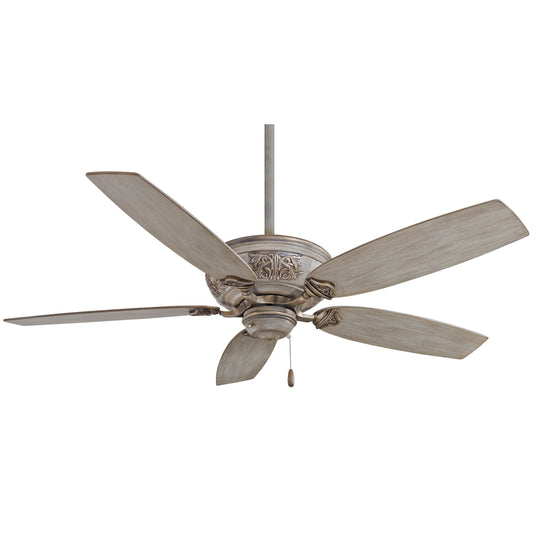
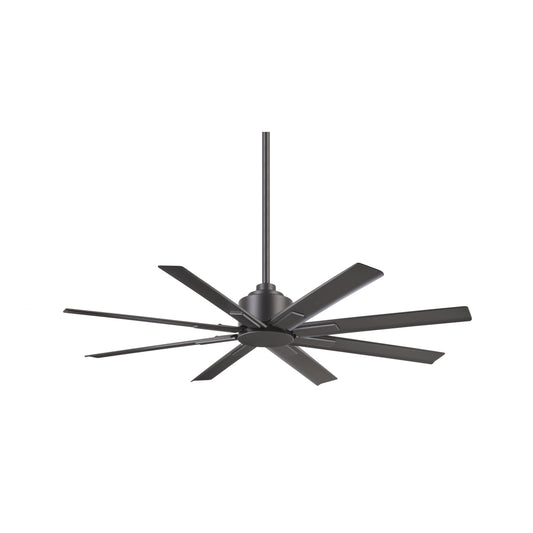
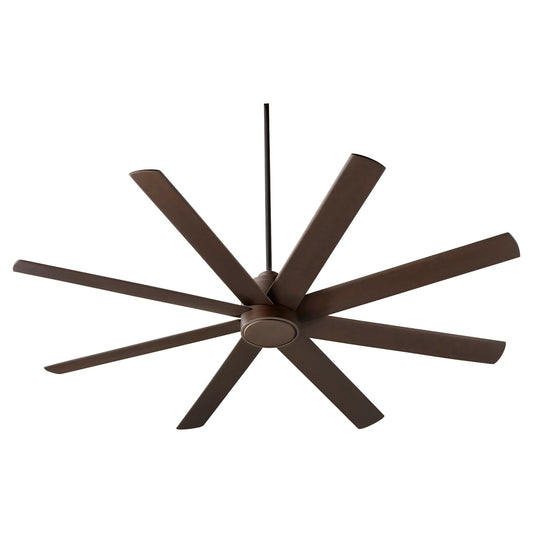
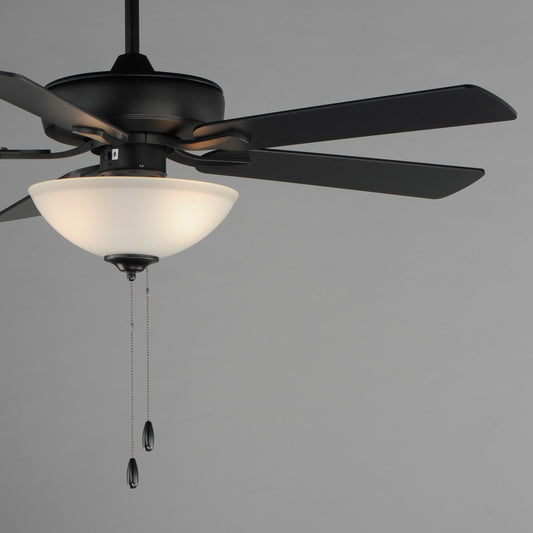
When you shop for a fan, the biggest difference often comes from motor quality and engineering. A reliable motor can run smoothly at low speeds, so you still get airflow without the harsh noise. If you want a practical starting point, look at modern fan systems from Fan & Lights that focus on smooth performance and everyday comfort. For example, the Spitefire motor lineup is built for quieter operation, which is ideal when your goal is steady, low-sound circulation rather than loud airflow.
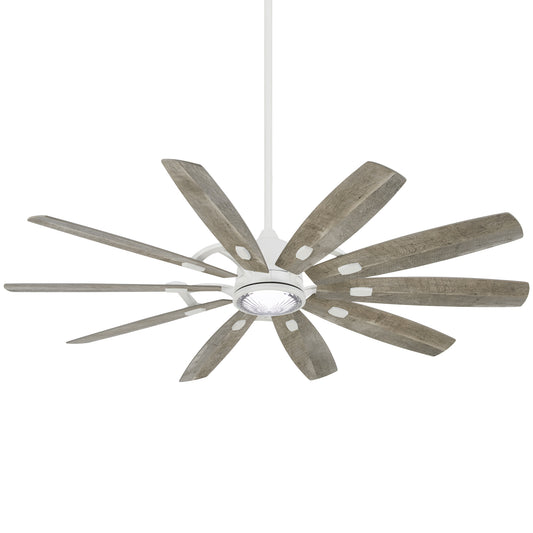
For a different style direction, the Levon motor options are another smart choice when you want a smooth, controlled fan experience. And if you are matching fan performance with a clean look, exploring complete collections like Celano V2 can help you land on a solution that is both functional and visually balanced.
Below is what to consider when you evaluate these products for quiet living: motor smoothness, blade design for efficient airflow, and build quality that reduces vibration. Together, these factors help keep the fan comfortable at the speeds you actually use.

Illustration of airflow lines fading into quiet waves
How to Choose Whisper-Quiet Ceiling Fans
Not every “quiet” fan feels the same. Use this checklist to find the right fit for your rooms and your daily routine.
1) Prioritize low-sound motor performance
Many people run ceiling fans on medium to low speeds most of the time. That is when a quiet motor truly shines. Look for designs that stay smooth at everyday settings. If the fan only feels quiet at high speed, it will not help much for sleeping or relaxing.
2) Choose blade shape for smoother airflow
Blade design affects sound. Efficient blades can move more air with less turbulence. Less turbulence often means fewer whistling or rattling sounds. If your space has still air pockets, efficient blades can help you feel comfort faster, which lets you keep speeds lower.
3) Match blade span to room size
A fan that is too small may need higher speed to feel effective. Higher speed can increase noise. A correctly sized fan supports comfortable airflow at lower settings. Use general room sizing guidance when choosing blade span, then fine-tune based on ceiling height and how drafty the space feels.
4) Consider installation conditions
Quiet performance can be affected by mounting. For example, a ceiling fan installed on an unstable bracket or without proper alignment may vibrate and create extra sound. If your ceiling is uneven or the electrical box is not secure, plan to address that during installation.
5) Think about control method
Fans often connect to wall controls or remotes. Certain dimmers and incompatible switches can contribute to humming. If you already have a fan in mind, make sure it is compatible with your control setup. When in doubt, choose fan controls designed for stable operation.
Step-by-Step How-To for Quieter Performance
Even the best whisper-quiet ceiling fans can sound worse if installation is rushed. Follow these steps to improve stability and reduce vibration right from day one.
Step 1: Check ceiling height and mounting type
Start by confirming your ceiling height and whether you need a downrod. Proper mounting height helps airflow circulate without overblowing nearby walls. It also keeps the fan balanced under normal airflow.
Step 2: Secure the electrical box
The electrical box must be firmly attached. If it moves when you press lightly on it, the fan can wobble and create noise. Use proper hardware and secure mounting points before continuing.
Step 3: Install blades carefully and tighten evenly
Blade installation matters for balance. Align each blade with the correct slot, then tighten screws evenly in a pattern. Do not fully tighten one screw and ignore the others. Even tightening supports smoother rotation.
Step 4: Verify wiring connections
Loose wiring can cause intermittent sound or poor control behavior. Turn off power before working, then double-check wire connections and ensure there is no strain on the leads.
Step 5: Test in stages, then fine-tune
Start the fan on the lowest setting and listen closely. If you notice wobble or unusual sound, stop and re-check blade alignment, the motor housing position, and mounting hardware. Most quiet comfort comes from small adjustments.
Improve Quiet Comfort with Room Setup
Once your fan is installed, you can make its airflow work better for you. Small layout choices can reduce how hard you need to run the fan and can lower perceived noise.
- Keep airflow clear: Avoid blocking the path between the fan and the room’s main seating area.
- Set the right direction: In warm months, use a forward direction that pushes air downward. In cooler months, adjust for upward airflow to help redistribute warm air.
- Use fan speed for the moment: Start low and increase only if needed. Quiet performance often feels best at gentle airflow levels.
- Balance expectations: If the fan is installed on a hollow ceiling or near a reflective surface, slight sound can travel differently.
If you are upgrading an existing fan, you may also notice that older blade designs require higher speeds to feel the same. Switching to a modern design can let you enjoy the comfort of whisper-level operation without cranking the speed.

Diagram of a bedroom airflow path with calm sound waves
Personal Experience: The First Night It Was Truly Quiet
I still remember the moment I realized a ceiling fan could feel different. I had a fan in my bedroom that “worked,” but I dreaded using it at night. The hum was never loud enough to be unbearable, yet it was always present. Every time I woke up, I would notice it again.
After switching to a whisper-quiet ceiling fan with smoother motor performance, the change was immediate. On the lowest speed, the room felt evenly comfortable without that constant background noise. It was not just comfort. It was peace. I could fall asleep faster because the sound did not pull my attention.
What surprised me most was how often I used the fan. Instead of turning it off to escape the noise, I kept it running longer. That made the whole room feel more consistent from evening to morning. If you have ever avoided using your fan because it interrupts your routine, a truly quiet upgrade can solve that problem fast.
Summary & Recommendations
Whisper-quiet ceiling fans are a practical upgrade for anyone who wants comfort without distraction. Choose a fan with motor smoothness, efficient blade design, and solid installation quality. When you size the fan correctly and set it up properly, you can run it at lower speeds and still feel great airflow.
To make your search easier, consider starting with the motor and fan options available on Fan & Lights. If you want to focus on quiet motor performance, explore the Spitefire motor line. If you prefer a different engineering profile, check Levon motor. And if you want a complete visual-and-performance fit, browse a full model like Celano V2.
Call to action: Ready to enjoy calmer airflow? Visit Fan & Lights and shop for whisper-quiet ceiling fans that match your room size, style, and comfort needs.
Q&A
How quiet should a ceiling fan be for bedrooms?
For bedrooms, look for fans that stay smooth at low speeds. Quiet ceiling fans should feel steady rather than “noisy-but-usable.” If you plan to run the fan during sleep, prioritize motor smoothness, balanced blades, and compatible controls to reduce humming.
Why does my ceiling fan hum even when it seems balanced?
Humming can come from control compatibility, loose electrical connections, or vibration from mounting. Check that the fan is installed securely, confirm wiring is tight, and ensure your wall control or dimmer is suitable for the fan type. If the hum started after changing a switch, that is often the clue.
Do whisper-quiet ceiling fans cost more?
Quiet performance can sometimes reflect higher engineering and better balance. However, the value is often in comfort and consistency. A quieter fan can also help you use lower speeds more often, which can make daily comfort easier without turning the fan off.
What is the best ceiling fan size for quiet airflow?
A fan that is correctly sized for the room can deliver comfortable airflow at lower speeds. Lower speeds typically feel calmer. When in doubt, choose based on room dimensions and ceiling height, then adjust with airflow direction and speed settings.
Disclaimer: Ceiling fan noise levels and comfort can vary based on installation quality, room layout, ceiling structure, control settings, and electrical compatibility. Always follow the product manual and local building requirements when installing or wiring any fan.

An Owner of The Fan Connection, Selling Ceiling Fans for the past 15 years and been in business since 1979. Living in Florida the sunshine state, Love my pup Trooper.


