











Whisper-Quiet Ceiling Fans: Features to Look For
Updated on: 2026-07-08
If your ceiling fan feels like it interrupts your life, you are not alone. Quiet airflow can make a room feel more comfortable without adding annoyance. This guide breaks down what to look for in whisper-quiet ceiling fans, from motor design to blade balance. You will also find real-world use cases, practical install tips, and a simple way to choose the right fan for each room.
What Makes a Fan Feel Whisper-Quiet?
Where Whisper-Quiet Ceiling Fans Shine
Product Spotlight: Quiet-Performance Motor Options
Did You Know?
Pros & Cons Analysis
Setup Tips for Maximum Quiet
FAQ
What Makes a Fan Feel Whisper-Quiet?
“Quiet” should mean more than low volume. The best whisper-quiet ceiling fans reduce vibration, steady the motor, and keep airflow smooth at different speeds. When a fan is well-balanced, you get consistent circulation without the ticking, rattling, or wobbling that can grow more noticeable over time.
Start with the motor. A modern, well-built motor runs with tighter tolerances, which helps minimize noise and keeps performance stable. Next, look at blade balance. Even small differences can create airflow turbulence that sounds like buzzing or clicking. Finally, pay attention to how the fan is mounted and installed. A snug fit and correct assembly can make a bigger difference than many people expect.
In real homes, the quiet win shows up in daily routines. You can hear conversation, watch TV comfortably, and sleep without the fan becoming the main sound in the room. For spaces where comfort matters most, quiet ceiling fans are not a luxury. They are a quality-of-life upgrade.

Balanced blades, steady airflow, and muted vibration visuals
Where Whisper-Quiet Ceiling Fans Shine
Quiet airflow is helpful almost everywhere, but a few rooms benefit more than others. If you pick the right type of fan for the space, you can keep temperatures feeling even while reducing background noise.
Bedrooms
Bedrooms demand calm. A quiet ceiling fan helps create steady air movement that feels refreshing without constant noise. If you have ever woken up from a fan sound you did not notice earlier, you know why a whisper-quiet design matters. Choose a fan that holds a smooth motion at lower speeds, since sleeping often means you will prefer gentle airflow.
Home offices and study rooms
If you work from home, sound distractions add up. A quiet fan supports focus. Instead of listening for rattles, you stay in the task. Look for smooth, consistent airflow so the fan does not create a distracting hum, especially during calls or quiet work sessions.
Living rooms and family spaces
Living rooms are where fans often get noticed. When a fan is too loud, it competes with voices and entertainment. Whisper-quiet ceiling fans help keep the room comfortable while blending into the background. That makes it easier to enjoy time together without tuning out the fan.
Dining areas
Dining should feel easy and relaxed. Quiet airflow can keep the room comfortable while letting conversations stay natural. If you host guests, a quieter fan also helps avoid that awkward “Can you hear me?” moment.
Nurseries and kid-friendly rooms
For families, a quieter environment is always welcome. A smooth-running fan helps maintain comfort without adding sharp or sudden sounds. As with any room, proper installation and stable mounting help the fan keep performing quietly.
Product Spotlight: Quiet-Performance Motor Options
Not all ceiling fans achieve quiet in the same way. To make the selection easier, here are a few motor-focused options you can explore for your next upgrade. These choices are designed around smoother operation and dependable performance, which is exactly what you want when chasing whisper-quiet comfort.
Motor option for a smooth, steady feel
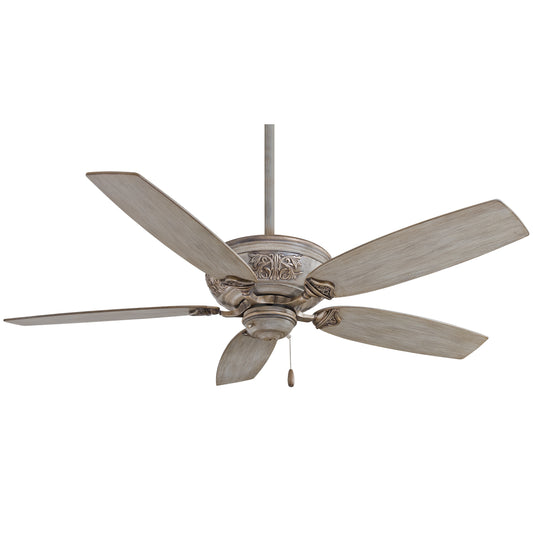
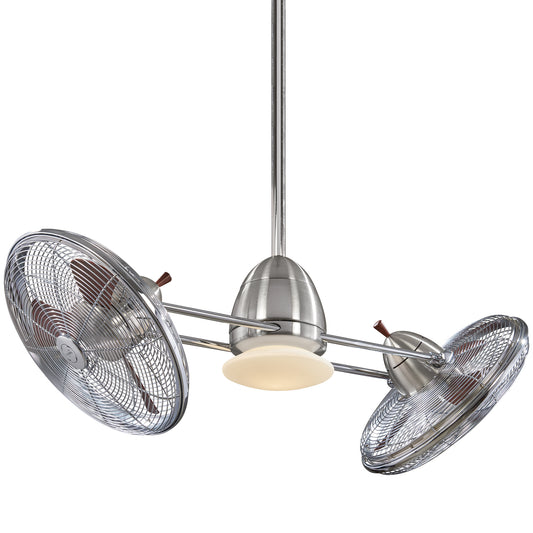
If you want a quiet-leaning setup, start by exploring motor-driven performance on models like the quiet-ready motor option. Pairing a strong motor design with balanced airflow helps reduce annoying sounds at everyday speeds.
Another choice for low-distraction airflow
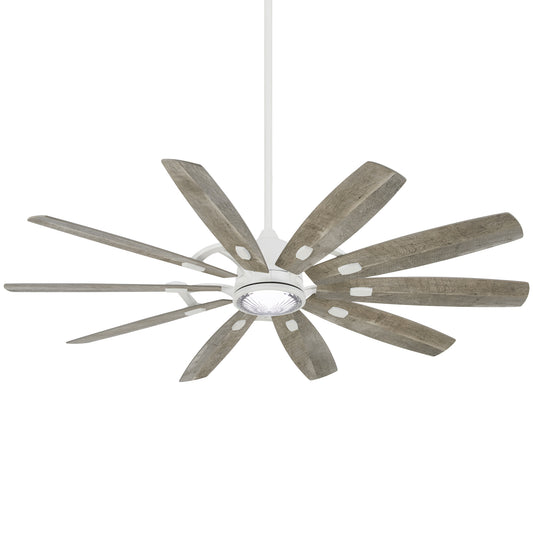
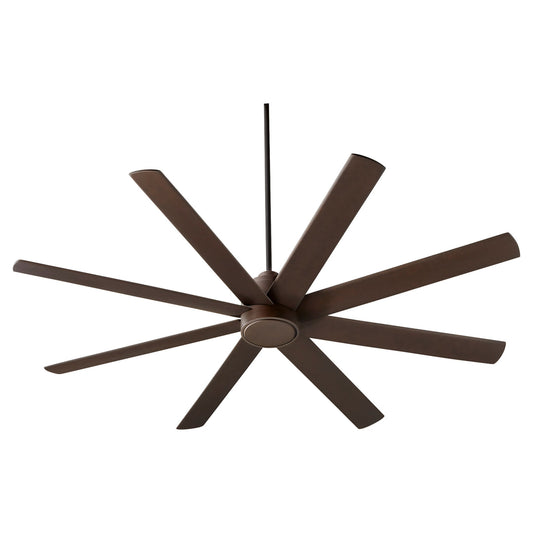
For rooms where comfort and calm are the priority, consider checking out Celano V2 ceiling fan. It is a solid option when you want a fan that fits modern spaces while focusing on comfortable airflow and everyday usability.
Compact spaces that still need quiet
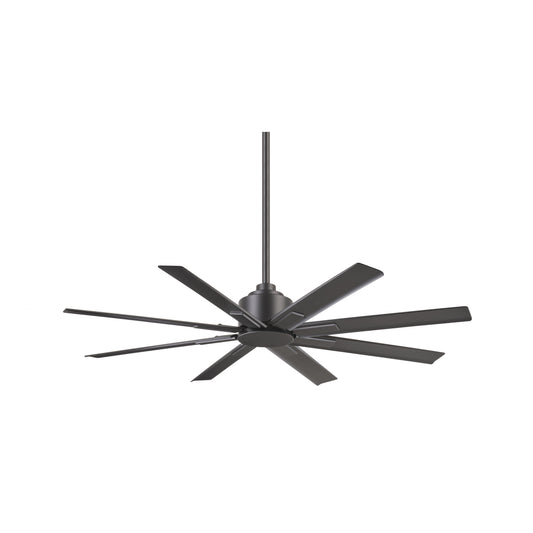
Sometimes the challenge is not only noise but also fit. If you are working with a tighter room layout, browsing options like Doren can help you find a design that stays practical while aiming for quieter operation.
Need a fun add-on for your home? If you are also updating your decor and love getting the look right, you can visit LoG Merchandise Store for extra style inspiration.
Did You Know?
- A well-balanced fan usually sounds smoother at low speed, not just at high speed.
- Most annoying noise is linked to vibration, loose mounting points, or airflow turbulence.
- Using the right blade pitch and stable assembly helps the motor run with less strain.
- Quiet fans can improve comfort by keeping air movement consistent throughout the room.
Pros & Cons Analysis
- Pros: Better comfort with fewer distractions; smoother airflow at everyday speeds; often feels more “premium” because it blends into the room soundscape; can support more restful sleep when paired with the right speed setting.
- Pros: Reduced vibration can make the fan feel more solid over time; improved balance can lower the chance of buzzing or clicking.
- Cons: True quiet often depends on correct installation and secure mounting; if the fan is not installed properly, any model can develop noise.
- Cons: Very low-speed comfort may still require experimenting with your thermostat settings and room layout to find the best balance.
Setup Tips for Maximum Quiet
Even the best whisper-quiet ceiling fans will not reach their full potential if installation is rushed. Use these simple steps to keep noise low and airflow steady.
Check your ceiling support and mounting
Make sure the ceiling mount is solid. If your mounting bracket feels loose during installation, fix that first. A stable base reduces vibration and helps the motor run smoothly.
Balance matters: don’t skip steps
Use the included instructions to align blades correctly. If your fan includes blade balancing guidance, follow it closely. Blade alignment is one of the most common reasons a fan becomes noisy over time.
Confirm wiring and switch compatibility
For reliable operation, follow the wiring diagram and ensure your wall controls match the fan requirements. If you use an incompatible switch or dimmer, it can affect how the motor runs and may add unwanted sound.
Let the fan “settle” after installation
After mounting, run the fan at medium speed for a short time, then check for any unusual vibration or contact. Tighten any visible fasteners as needed. This helps you catch issues early before they become annoying.

Installation checklist visuals: secure mount, aligned blades
Choose the right speed for the room
Quiet comfort is not only about the fan’s hardware. It is also about how you use it. Many people default to a higher setting, which can increase airflow noise even on a quiet model. Start at a gentle speed and adjust based on comfort.
Plan airflow paths
If the fan is blocked by furniture or drapery, airflow becomes uneven and can sound less smooth. Keep airflow paths clear so the fan can move air as intended.
FAQ
Are whisper-quiet ceiling fans truly silent?
No fan is completely silent because airflow has a natural sound. However, whisper-quiet ceiling fans are built to keep noise low by reducing vibration and creating smoother airflow. You should expect a gentle background hum rather than buzzing, clicking, or rattling.
What causes a ceiling fan to get noisy after a few months?
Common causes include loose mounting hardware, blade misalignment, or changes in the ceiling support. Dust buildup and improper switch compatibility can also affect how a fan runs. If you notice new noise, check blade alignment and tighten fasteners first.
How do I keep a quiet fan from wobbling?
Wobble is usually a balance or installation issue. Confirm the blades are mounted correctly, verify the fan is securely attached to the ceiling bracket, and make sure nothing interferes with blade movement. A careful install and periodic checks keep performance smooth.
Which rooms benefit most from quiet ceiling fans?
Bedrooms, nurseries, offices, and dining spaces often benefit most because noise is easier to notice in quieter environments. Any room where you watch TV, sleep, or host guests can feel more comfortable with a quieter fan.
Ready to enjoy calmer airflow? Browse Fan & Lights ceiling fans and find a design that fits your room and your comfort goals. Shop now for whisper-quiet performance, smoother airflow, and a setup you will feel good about every day.
Disclaimer: Product features can vary by model and configuration. Always follow the manufacturer’s installation instructions and safety guidelines for best performance and safe operation.

An Owner of The Fan Connection, Selling Ceiling Fans for the past 15 years and been in business since 1979. Living in Florida the sunshine state, Love my pup Trooper.


