

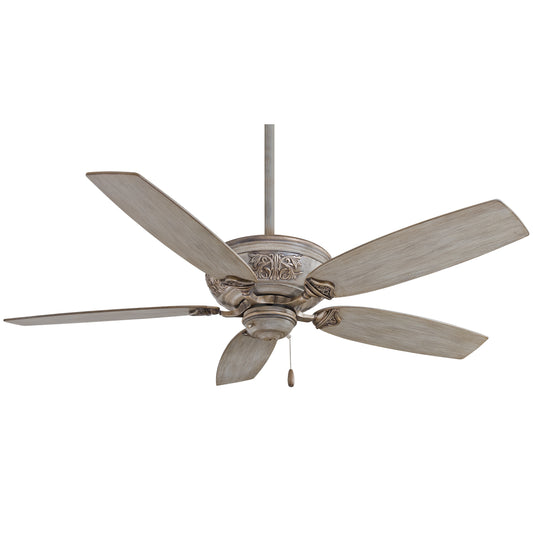

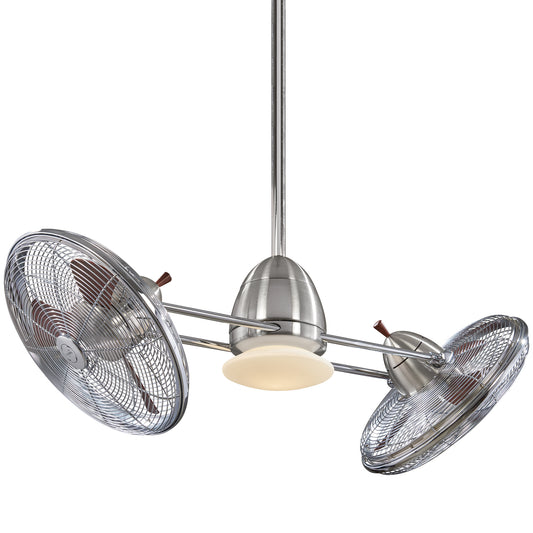

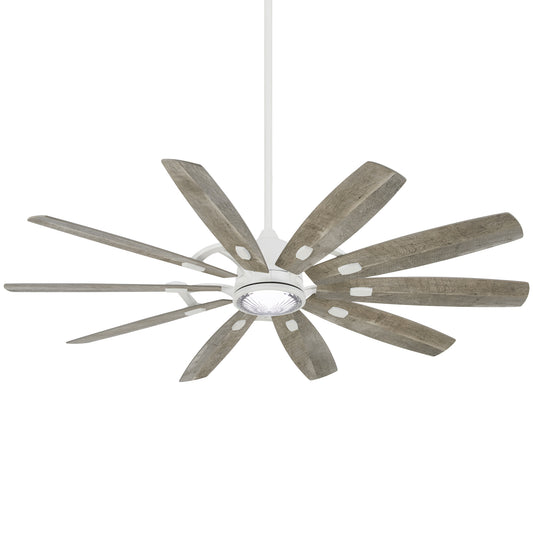

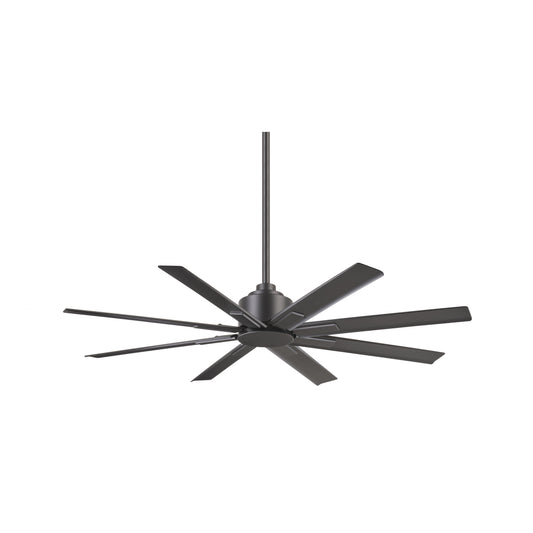







Best Outdoor Ceiling Fans: Your Guide to a Breezy Paradise
Let's be real for a moment: a truly fantastic outdoor ceiling fan is an investment. You're diving into the $300+ price range for a premium, weather-tough model like the ones we're passionate about at Fan Connection. But what you're actually purchasing isn't just a fan—it's a first-class ticket to a whole new outdoor lifestyle.
These aren't your typical indoor fans trying to play dress-up on the patio. They're engineered from the ground up with rugged materials and powerhouse motors, ready to take on Mother Nature's mood swings while turning your porch or pergola into the ultimate five-star escape.

Why a Premium Outdoor Fan Is a Game-Changer
Picking the right outdoor fan is about way more than just circulating air. It’s about crafting an atmosphere. It’s the make-or-break difference between a sweltering, bug-plagued patio you abandon by July and a breezy, blissful sanctuary you’ll invent excuses to use all year long. A high-quality fan is the heart of that transformation.
Outdoor fans have finally stepped into the spotlight. No longer a clunky afterthought, they're now a central design element that pulls an entire outdoor space together. While they're a hot commodity in chic resorts and al fresco dining spots, homeowners are still the biggest fans—nearly 70% of sales are for residential use. This proves just how essential they've become for patios, pergolas, and sunrooms everywhere.
Key Benefits of a High-Quality Fan
Investing in one of the best outdoor ceiling fans pays dividends in ways you can feel immediately:
- Serious Comfort: A good fan creates a cooling breeze that makes even the most oppressive summer days feel delightful. It’s like having your own personal weather-on-demand system.
- Natural Pest Control: That steady airflow is a surprisingly powerful deterrent for mosquitoes, flies, and other party crashers. Nothing kills the vibe faster than swatting at bugs.
- A Style Upgrade: Forget the clunky, industrial fans of yesteryear. Today’s models are design statements, available in styles from sleek modern to rustic farmhouse, ready to complement your home's personality.
- Enjoy Your Space Longer: Many premium fans come with reversible motors. In cooler months, just flip the direction to push warm air down, making your covered porch a cozy retreat for more of the year.
The right fan doesn't just move air—it redefines how you experience your outdoor space. It’s an investment in countless comfortable evenings, bug-free afternoons, and a beautifully appointed patio that beckons you to relax.
Of course, unlocking all these benefits means putting the fan in the perfect spot. For some pro tips on maximizing your investment, it's worth exploring some creative ceiling fan placement ideas that boost both airflow and visual appeal. A well-placed fan doesn't just work better; it looks like it was always meant to be there.
To make sense of it all, here's a quick rundown of the most important features to keep in mind when you're shopping.
Key Outdoor Fan Features at a Glance
| Feature | Why It Matters | Quick Tip |
|---|---|---|
| Wet/Damp Rating | This tells you how much direct weather exposure the fan can handle. The wrong rating can lead to rust, warped blades, or electrical failure. | Wet-rated for open pergolas; Damp-rated for covered porches. |
| Materials & Finish | Outdoor fans need to resist rust, corrosion, and UV fading. Look for materials like marine-grade stainless steel and ABS composite blades. | Powder-coated and galvanized finishes offer the best long-term protection against the elements. |
| Motor Type | DC motors are quieter, more energy-efficient, and often have more speed options than traditional AC motors. | A DC motor is a premium feature that pays for itself in energy savings and performance. |
| Airflow (CFM) | Cubic Feet per Minute (CFM) measures how much air the fan moves. Higher CFM means more cooling power. | Aim for at least 5,000 CFM for a medium-sized covered patio to feel a significant breeze. |
| Blade Size & Pitch | The blade span determines the fan's coverage area, while the pitch (angle) affects how much air it scoops and pushes. | A steeper blade pitch (12-15 degrees) paired with the right motor creates stronger airflow. |
| Controls & Lighting | Wall controls, remote controls, and integrated LED lights add convenience and functionality, turning your fan into a multi-purpose fixture. | Look for dimmable, temperature-adjustable LEDs to set the perfect mood, day or night. |
Considering these key factors from the start will ensure you pick a fan that not only looks great but also performs beautifully for years to come.
Understanding Damp Versus Wet Weather Ratings
Choosing between a damp-rated and a wet-rated outdoor ceiling fan is easily the most important decision you'll make for your outdoor space. It’s a bit like buying a coat: you wouldn't wear a light windbreaker in a downpour and expect to stay dry. In the same way, putting the wrong type of fan outside can lead to a rusted, warped, or electrically fried mess.
This isn't about getting bogged down in technical jargon; it's about protecting your investment. An outdoor fan is in a constant battle with humidity, condensation, and wild temperature swings. The rating simply tells you what kind of fight it's built to win, ensuring your fan not only survives but thrives for years.
Damp-Rated Fans: The Covered Porch Champions
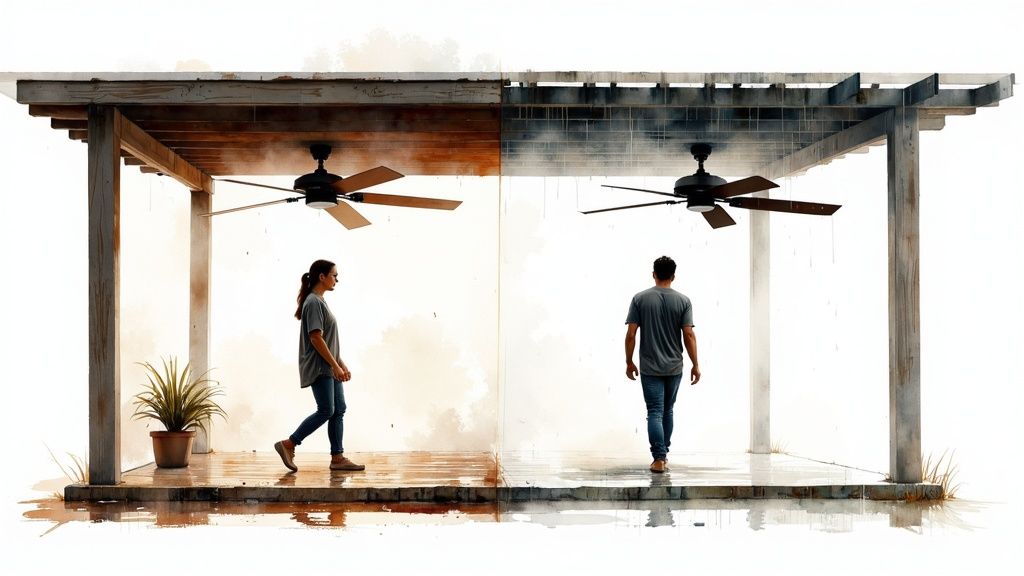
Think of a damp-rated fan as the high-performance raincoat of the fan world. It’s engineered for covered spaces where it won't get hit directly by rain or snow but will absolutely face plenty of ambient moisture. These are the perfect choice for:
- Covered Patios and Porches: Anywhere a solid roof provides total protection from the elements.
- Screened-In Sunrooms: These areas are notorious for trapping humidity, making a damp rating essential.
- Garages and Workshops: Even though they're "indoors," these spaces can get surprisingly damp.
Damp-rated fans get their resilience from smart design. Their motors are usually enclosed to stop moisture from getting to the sensitive electronics. The blades are almost always made from materials like ABS composite plastic, which refuses to warp or droop the way traditional wood blades would in high humidity.
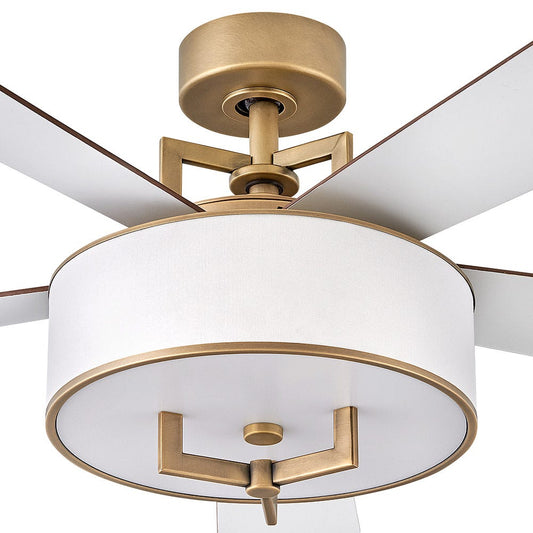
A stylish model like the $350+ Veranda fan, for instance, is a fantastic example of a damp-rated fan that’s perfect for creating a breezy, comfortable vibe on a well-protected porch. You can see how a fan like the Veranda fits into a covered outdoor design to get a better feel for its features.
Wet-Rated Fans: The All-Weather Warriors
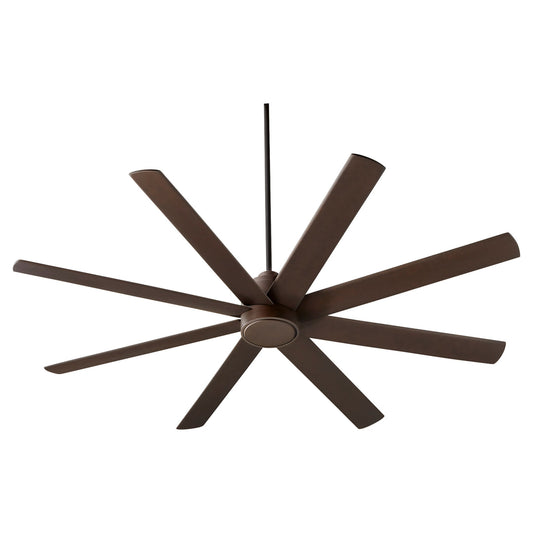
Now, let's talk about the submarine of outdoor ceiling fans: the wet-rated model. These are the undisputed champions for any area that's directly exposed to the elements. If your fan will face rain, snow, or even the salty spray of a coastal home, a wet rating is completely non-negotiable. One of our favorites, The Scimitar, retailing at over $550, is built precisely for this kind of punishment.
These fans are built like absolute tanks. Their motors are totally sealed to be impervious to water, and all the wiring is tucked away inside waterproof housing. The blades are crafted from industrial-grade, all-weather composites that can take a soaking without losing their shape or balance.
A wet-rated fan isn’t just water-resistant; it’s genuinely waterproof. You can literally hose it down for cleaning without a second thought, making it the ultimate choice for durability and low maintenance in exposed environments.
Picture installing one of these in:
- Open-Air Pergolas and Gazebos: Structures with slatted roofs that let the rain right through.
- Poolside Cabanas: Where splashes are just part of the fun.
- Uncovered Decks or Balconies: For a cooling breeze in completely open spaces.
Making The Right Choice For Your Space
Figuring out the correct rating isn't about which one is "better"—it's about which one is right for your specific spot. Putting a damp-rated fan in a pergola is a recipe for disaster, but a wet-rated fan might be overkill for a fully enclosed sunroom.
Here’s a dead-simple way to decide:
| Location Type | Can It Get Directly Rained On? | Required Rating |
|---|---|---|
| Covered Front Porch | No | Damp-Rated |
| Open Pergola | Yes | Wet-Rated |
| Screened-In Lanai | No | Damp-Rated |
| Exposed Patio | Yes | Wet-Rated |
By matching the fan's rating to its environment, you're not just buying a product; you're investing in lasting comfort and peace of mind. It's the first and most critical step to finding one of the best outdoor ceiling fans for your personal oasis.
When you're picking out the best outdoor ceiling fan, what really matters are the guts and the shell—the motor that drives it and the materials that protect it from the elements.
These two things are the unsung heroes that determine your fan's performance, how long it'll last, and whether you can enjoy a quiet evening on your patio without a noisy distraction. Get these right, and you're not just buying a fan; you're investing in years of breezy, reliable comfort.
Choosing the Right Motor and Materials
Think of the motor as the fan's engine. Just like with cars, you have a couple of main options, and each one has a totally different personality. Knowing the difference between AC and DC motors is the key to picking a fan that lines up with what you need in terms of power, efficiency, and quiet operation.
AC vs DC Motors: The Classic Muscle Car and The Modern EV
The two main motor types you'll run into are Alternating Current (AC) and Direct Current (DC).
An AC motor is like a classic, reliable muscle car. It's a time-tested technology that's powerful, dependable, and usually pretty straightforward. AC motors get the job done well, typically giving you three speeds (low, medium, high), and they're a solid, budget-friendly choice. But just like that old muscle car, they can be a bit noisier and aren't quite as energy-efficient.
A DC motor, on the other hand, is the modern EV of the fan world. These motors are the premium choice, and for good reason. They use way less energy—up to 70% less than their AC counterparts—which adds up to real savings on your electricity bill over the life of the fan. They also give you more control, usually with five or six speed settings, and run in near-total silence. This whisper-quiet performance is perfect for creating a truly peaceful outdoor space where the only sound you hear is the rustle of leaves.
When you invest in a premium fan costing $300 or more, you'll often find a DC motor inside. The higher initial cost is an investment in superior efficiency, greater control, and a more peaceful ambiance, making it a hallmark of the best outdoor ceiling fans available today.
For a deeper look into the technical side of things, check out our complete guide on how to choose a ceiling fan, where we cover everything from motors to sizing.
To help you decide, here’s a quick breakdown of how these two motor types stack up against each other.
AC vs DC Motors in Outdoor Ceiling Fans
A direct comparison between AC and DC motor technology to help you decide which is the best fit for your performance needs and budget.
| Feature | AC Motor (Alternating Current) | DC Motor (Direct Current) |
|---|---|---|
| Energy Efficiency | Standard efficiency. Uses more electricity to operate. | Highly efficient. Uses up to 70% less energy. |
| Noise Level | Generally audible, with a low hum, especially at higher speeds. | Whisper-quiet. Virtually silent operation. |
| Speed Controls | Typically 3 speed options (Low, Medium, High). | Usually 5-6 speed options for finer control, plus reverse. |
| Initial Cost | More affordable upfront. A budget-friendly choice. | Higher initial cost, but offers long-term energy savings. |
| Best For | Budget-conscious projects, areas where noise isn't a concern. | Bedrooms, quiet patios, and anyone prioritizing energy savings. |
While AC motors are workhorses, the quiet efficiency and precise control of a DC motor make it the clear winner for creating a truly relaxing outdoor oasis.
Built to Last: The Gold Standard in Outdoor Materials
Beyond the motor, a fan's durability really comes down to what it's made of. An outdoor fan is in a constant fight with humidity, UV rays, and changing temperatures. The right materials make sure it wins that battle, year after year.
Here’s what to look for in a fan that’s built for endurance, not just for looks:
- Marine-Grade Stainless Steel: This is the absolute best choice for hardware and motor housings, especially if you live in a coastal area. It offers incredible resistance to the rust and corrosion caused by salt spray and high humidity.
- Powder-Coated Aluminum: A fantastic, lightweight, and durable option for the fan body. The powder-coating process creates a thick, tough finish that prevents chipping, scratching, and fading from sun exposure.
- UV-Resistant ABS Plastic: When it comes to blades, ABS (Acrylonitrile Butadiene Styrene) is the hero material. This rugged composite plastic won’t warp, droop, or crack like traditional wood blades do when they're exposed to moisture and heat. This ensures your fan stays perfectly balanced and effective for the long haul.
You might see fans with beautiful wood finishes, but be careful. While some engineered woods are treated for outdoor use, they are almost always only suitable for damp-rated locations, like a fully covered porch. In a wet, exposed spot, even treated wood will eventually give in to the elements. For true, all-weather performance, ABS composite is simply the better choice.
By focusing on a high-performance DC motor and rugged, weather-resistant materials, you're not just buying a fan. You're making a smart, long-term investment in the comfort and style of your outdoor living space.
How to Master Airflow and Fan Sizing
When you start digging into the best outdoor ceiling fans, you'll run into a bunch of technical terms like CFM, blade span, and blade pitch. It can feel a little overwhelming, but getting a handle on these concepts is the secret to turning a sticky, stagnant patio into the breezy oasis you’ve been dreaming of.
Think of it this way: we’re translating numbers on a spec sheet into the actual feeling of a perfect, refreshing breeze on a warm day.
The single most important measure of a fan's power is its CFM, or Cubic Feet per Minute. This number tells you exactly how much air the fan is capable of moving. It's basically the horsepower of your fan—a higher CFM means more cooling power and a stronger breeze. For any quality outdoor fan costing over $300, you should be looking for a robust CFM that delivers real, noticeable comfort.
But CFM is only one piece of the puzzle. The fan’s physical design—its blade span and pitch—are what shape that airflow and spread it across your space.
Finding the Balance Between Blade Span and Pitch
Let's use a simple analogy. Imagine you're watering your garden with a hose.
Blade span—the total diameter of the fan from the tip of one blade to the tip of the opposite one—is like the width of your sprinkler's spray. A wider span covers a bigger area, making it perfect for sprawling patios or large outdoor living rooms. It determines the reach of the breeze.
Blade pitch, on the other hand, is the angle of the blades. This is like twisting the nozzle on your hose to get a more powerful stream. A steeper pitch, usually between 12 and 15 degrees, acts like a propeller, grabbing more air with every spin and pushing it down with force. This creates that strong, concentrated downdraft you feel directly underneath the fan.
A great breeze is a partnership. Blade span makes sure the airflow gets to every corner of your seating area, while blade pitch gives that breeze its refreshing punch. A fan with a huge span but flat blades might stir the air, but it won’t deliver that satisfying cooling effect you’re after.
A Simple Sizing Guide for Your Outdoor Space
Choosing the right size fan is absolutely critical. A fan that’s too small will feel like a whisper in a big space, barely making a difference. Go too big, and you can create an uncomfortable wind tunnel on a small balcony. The goal is to match the fan perfectly to your area's square footage.
Here’s a quick guide to get you started:
- Small Spaces (Up to 144 sq. ft.): For cozier spots like an intimate balcony or a small seating nook, a fan with a 36 to 48-inch blade span is just right.
- Medium Spaces (145 to 300 sq. ft.): Your standard covered patio or deck will feel best with a 50 to 54-inch fan. This is the sweet spot and the most common size for residential outdoor areas.
- Large Spaces (Over 300 sq. ft.): If you have an expansive veranda, a large pergola, or an outdoor kitchen, you'll need the power of a 56-inch or larger fan to get consistent airflow across the whole space.
This infographic shows how all the key parts work together to create that perfect outdoor airflow.
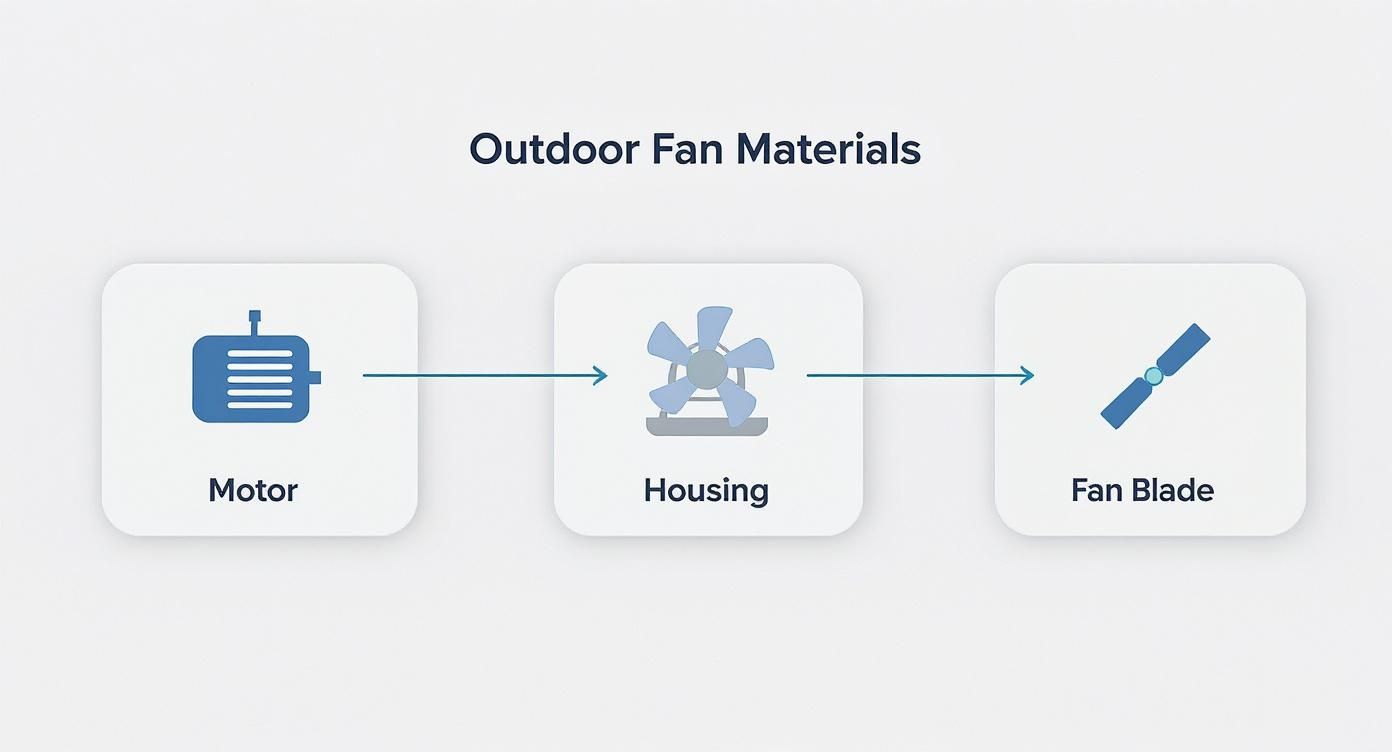
As you can see, the motor, housing, and blades are an interconnected system. The performance of the whole depends on the quality of each part. By picking the right size and understanding how the blades shape the breeze, you can be confident your investment will make every moment you spend outdoors that much more enjoyable.
Smart Features, Controls, and Integrated Lighting
The best outdoor ceiling fans have evolved far beyond just being a motor with blades. They’ve become the command center for your outdoor comfort and ambiance, blending powerful airflow with smart technology that puts you in total control. When you invest in a premium model over $300, you’re not just buying a fan—you’re getting a sophisticated, fully integrated fixture that elevates your entire outdoor living experience.
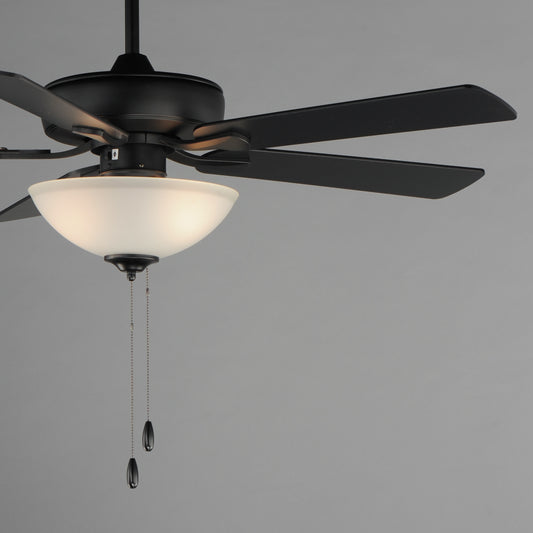
Gone are the days when a simple pull chain was your only choice. Today’s outdoor fans offer a whole suite of controls and lighting features designed for pure convenience and style. This leap from a basic utility to a smart home device is what truly separates a high-end fan from the pack, letting you dial in the perfect atmosphere with the touch of a button or a simple voice command.
The Brilliance of Integrated LED Lighting
One of the biggest game-changers in outdoor fan design is the switch to integrated LED lighting. Unlike the clunky, screw-in bulbs of the past, these modern LEDs are built right into the fan's housing for a clean, seamless look. But the real perks go way beyond just good looks.
Integrated LEDs are incredibly energy-efficient, using just a tiny fraction of the power of old-school incandescent bulbs. They also have an astonishingly long lifespan, often rated for tens of thousands of hours. That means you can enjoy beautifully lit evenings on your patio for years without ever thinking about climbing a ladder to change a bulb.
The real magic of modern LED lighting is its versatility. Many top-tier fans let you adjust not only the brightness (dimming) but also the color temperature. You can shift from a warm, cozy 2700K glow for a quiet evening to a bright, crisp 4000K light that’s perfect for outdoor dining or entertaining.
Control Systems: From Classic to Cutting-Edge
While the trusty pull chain still hangs around on some models, the best outdoor ceiling fans have moved on to far more advanced controls that fit a modern lifestyle.
- Wall Controls: A hardwired wall switch gives you a reliable, fixed point of control. These often include sliders or buttons for multiple fan speeds and a separate switch or dimmer for the light. It's always there when you need it.
- Handheld Remotes: The most common upgrade is a multi-function remote. These handy devices put total command in the palm of your hand, letting you adjust fan speed, reverse the blade direction for winter use, and fine-tune your lighting—all from your favorite lounge chair.
These modern control systems deliver a huge leap in convenience, making sure you can create the perfect breeze without ever having to get up.
Welcome to the Smart Patio
The peak of fan technology today is smart home integration. Wi-Fi-enabled outdoor fans connect directly to your home network, turning your smartphone into the ultimate remote. Through a dedicated app, you can access every feature your fan has, from scheduling it to turn on before you get home to grouping it with other smart devices.
But the real showstopper is voice control. By syncing your fan with digital assistants like Amazon Alexa or Google Home, you can manage your outdoor climate with simple spoken commands.
Picture this: you're hosting a barbecue, your hands are full, and the evening air starts to feel a bit warm. Instead of dropping everything, you just say, "Alexa, set the patio fan to medium." A few moments later, a perfect breeze cools the space. This is the kind of effortless comfort that defines a truly premium outdoor fan—and makes it a worthy centerpiece for your modern outdoor oasis.
Common Mistakes to Avoid When Buying and Installing
Getting an outdoor ceiling fan is one of the best upgrades you can make for a patio or porch. But a few simple missteps can turn that dream of a breezy oasis into a costly headache. Let's walk through the common pitfalls so your fan performs beautifully and safely for years to come.
These aren't just minor slip-ups; they can mess with everything from how long your fan lasts to whether it stays safely on the ceiling.
The single biggest mistake? Installing an indoor fan outside. Even if it's a fully covered, screened-in porch, an indoor fan is just a ticking time bomb. Its motor isn't sealed against moisture, and its blades—often made from flimsy MDF or untreated wood—will quickly warp, droop, and sag in the humid air. Before you know it, you'll have a wobbly, noisy, and completely useless fixture.
Getting the Sizing and Placement Wrong
Choosing the wrong size fan for your space is another classic error. A fan that’s too small will just spin its heart out without creating a noticeable breeze. Go too big, and you can create an overwhelming wind tunnel effect. It's really important to measure your space's square footage and match it to the blade spans we talked about earlier.
Just as critical is the downrod length. People often miscalculate this, and it absolutely kills airflow.
The sweet spot for an outdoor ceiling fan is 8 to 9 feet above the floor. A downrod that’s too short smashes the fan up against the ceiling, choking its air intake and gutting its CFM. On the flip side, a downrod that’s too long can make the fan hang too low, turning it into a hazard for taller guests.
- For an 8-foot ceiling, a flush-mount or "hugger" style is usually your best bet.
- For a 9-foot ceiling, a 6-inch downrod is typically perfect.
- For ceilings 10 feet or higher, you’ll want a 12-inch downrod or longer to get the blades down into that optimal airflow zone.
Overlooking Critical Installation Details
Finally, underestimating the importance of a secure installation is a recipe for disaster. This isn't just about a little wobble; it's about safety. An outdoor ceiling fan is a heavy, moving object, and it needs serious support.
First things first, make sure your electrical box is fan-rated. A standard light fixture box was never meant to handle the weight and torque of a ceiling fan. A fan-rated box is stamped to prove it's built to support a moving load of up to 70 lbs. Ignoring this is just asking for the entire fan to come crashing down.
On top of that, the fan’s mounting bracket must be screwed directly into a ceiling joist or a solid wood brace installed between the joists. Just attaching it to drywall is incredibly dangerous. Any professional electrician or experienced DIYer knows to find these structural supports to guarantee a safe, stable, and wobble-free fan that protects your investment and your family. Get these details right, and your new fan will deliver that perfect breeze without a single worry.
Still Have a Few Questions?
We get it. Even after you’ve got the basics down, a few questions always pop up. Picking the right outdoor fan is a big deal, and making sure every detail is right from the start means you’ll love your choice for years to come.
We’ve put together the most common questions our customers ask us, along with some straightforward answers to help you lock in your decision with confidence.
Can I Put a Damp-Rated Fan on My Screened-In Porch?
Absolutely. In fact, a screened-in porch is the perfect spot for a damp-rated fan. Since the roof keeps direct rain off, you don't need to go all-out with a wet-rated model.
The damp rating is specifically designed for this kind of environment. It ensures the fan's motor and finishes can handle the high humidity and moisture in the air without rusting or corroding. It’s the ideal match for a protected outdoor space.
What’s the Typical Cost for Professional Fan Installation?
The cost can shift a bit depending on where you live and how complex the job is, but most people can expect to pay somewhere between $150 and $400.
If the electrician needs to run new wiring or install a new fan-rated electrical box, you'll probably land on the higher end of that range. We know it’s an extra cost, but we always recommend hiring a pro. They’ll make sure the fan is securely mounted, perfectly balanced, and wired safely.
Do Outdoor Ceiling Fans Actually Help with Bugs?
Yes, and you'd be surprised how well they work! It’s not something you’ll see advertised as a main feature, but the strong downdraft from a fan makes it incredibly difficult for mosquitoes, flies, and other flying pests to get around.
The constant air movement messes up their flight patterns, turning your patio into a no-fly zone. It's a simple, pleasant way to keep bugs at bay without having to deal with sticky sprays or bug zappers.
How Much Maintenance Does an Outdoor Fan Need?
Good news—outdoor fans are built to be pretty low-maintenance. A little bit of care goes a long way in keeping them running like new.
The best maintenance is preventative. Just wiping the fan down a few times a season and checking the hardware once a year can stop most wobbles or noises before they even start.
Here’s a quick checklist to follow:
- Clean the Blades: Every so often, use a damp cloth to wipe down the blades and housing. This gets rid of any dust, pollen, or grime that’s built up.
- Check the Hardware: At least once a year, give all the visible screws a quick check to make sure they’re tight. The fan's vibrations can sometimes loosen them over time.
That’s really all it takes to keep your fan running smoothly and safely for the long haul.
Ready to find the perfect fan for your outdoor oasis? Explore the curated collections at Fan Connection and discover a wide range of premium, stylish, and durable outdoor ceiling fans. Visit our store today to transform your space.


