











How to Choose a Ceiling Fan That's Both Stylish and Powerful
Share
Picking the right ceiling fan comes down to three key things: matching the blade span to your room size, making sure the motor has enough oomph for good airflow (CFM), and choosing a style that actually looks good in your home. If you want a fan that’s both a workhorse and a showpiece, you’ll want to focus on premium models with strong motors and quality materials.
Finding Your Perfect Ceiling Fan
A ceiling fan is so much more than a spinning appliance—it's a centerpiece that sets the tone for a room's comfort and style. Figuring out how to choose a ceiling fan can feel like a huge task, but it really just boils down to a few important decisions. Don't let the sea of options drown you; let's have some fun with it!
Instead of getting swamped, let's nail down the fundamentals: size, power, and style. Get those right, and you'll end up with a fan you love for years. A high-quality fan, which usually runs $300 or more, does more than just move air. It runs whisper-quiet, elevates your decor, and can even help trim your energy bills. This isn't just an appliance; it's an investment in your home's ambiance.
Let's start with the most important part: getting the size right for your space.
Start with Room Size and Ceiling Height
Before you get attached to a specific design, you have to measure your room. It’s a simple but critical step. A fan that’s too small will feel like it’s doing nothing but looking cute, while one that’s too big can create an uncomfortable wind tunnel in a small space. We're aiming for that "just right" feeling of a perfect breeze.
The blade span is what really matters here. For cozy spots like a home office or laundry room (up to 75 square feet), a smaller fan with a 29-36 inch blade span is perfect. For bigger spaces like a living room or primary bedroom (up to 225 square feet), you’ll need a fan with a 42-54 inch blade span to move enough air. These aren't just suggestions; they're the key to making sure your fan is both efficient and looks right in the room. You can find more market insights on fan selection at marknteladvisors.com.
Ceiling height is the other piece of the puzzle. If you have standard 8-foot ceilings, a "hugger" or flush-mount fan is usually your best bet. But for anything taller, you'll need a downrod. A downrod drops the fan to the ideal height—about 7 to 9 feet from the floor—which is the sweet spot for maximum airflow.
Pro Tip: Don't eyeball it. Seriously. Take two minutes to measure the length and width of your room to get the square footage. This one small action is the most important thing you can do to guarantee your new fan works the way it's supposed to.
Quick Guide to Ceiling Fan Size by Room Dimensions
Once you have your room's measurements, matching them to the right blade span is pretty straightforward. This ensures your fan moves air effectively without being overwhelming or underwhelming.
For an even deeper dive, check out our complete guide on choosing the right ceiling fan size for maximum efficiency.
But for a quick reference, here’s a simple chart to get you started:
| Room Size (Square Feet) | Recommended Blade Span (Inches) | Example Room Type |
|---|---|---|
| Up to 75 sq. ft. | 29–36 inches | Bathroom, Laundry Room, Walk-in Closet |
| 76 to 144 sq. ft. | 36–42 inches | Home Office, Small Bedroom, Breakfast Nook |
| 145 to 225 sq. ft. | 44–54 inches | Master Bedroom, Kitchen, Living Room |
| 226 to 400 sq. ft. | 54–60 inches | Great Room, Open-Concept Living Area |
| Over 400 sq. ft. | 62+ inches or multiple fans | Large Lofts, Commercial Spaces, Vaulted Rooms |
This little cheat sheet is a great starting point for narrowing down your options and finding a fan that’s perfectly suited to your space.
Decoding Airflow and Motor Performance
So, you've measured your room and picked a fan size. Great start! But now we get to the heart of what makes a fan truly effective. A beautiful fan that can’t move air is just a pricey decoration hanging from your ceiling. The real powerhouse is the motor, and its performance all boils down to one crucial metric: CFM, or Cubic Feet per Minute.
CFM tells you exactly how much air the fan is capable of moving. A higher CFM number means a more powerful breeze, which is absolutely essential for large family rooms, open-concept spaces, or any room with high vaulted ceilings. Think of it as the fan's horsepower. A small, weak fan in a huge room will spin its blades off trying to make a difference, while a high-CFM fan can create a gentle, room-filling breeze on its lowest setting.
This little decision tree can help you double-check that you're connecting your room size and ceiling height to the right fan dimensions before you even start thinking about airflow.
As you can see, getting those initial measurements right is the first step toward making a smart choice you'll be happy with for years.
The Great Motor Debate: AC vs. DC
The motor is the soul of your fan, and it’s where premium models really start to pull away from the budget options. You'll generally run into two types: Alternating Current (AC) and Direct Current (DC). While old-school AC motors have been the standard for decades, the best modern fans (usually those in the $300 and up range) almost always feature a more advanced DC motor.
Why should you care? The difference is night and day. A DC motor is the secret ingredient behind a whisper-quiet, incredibly efficient ceiling fan.
- Energy Efficiency: DC motors are champs at saving energy, using up to 70% less electricity than their AC cousins. That's a difference you'll actually see on your utility bills.
- Silent Operation: Thanks to some clever engineering, DC motors are virtually silent. This makes them a no-brainer for bedrooms, nurseries, or any room where you want peace and quiet.
- More Control: These motors usually offer more speed options—often six or more—letting you dial in the perfect amount of airflow, from a barely-there stir to a powerful gust.
Matching Performance to Your Lifestyle
Knowing the specs is one thing; applying them to your actual life is what really matters. Whether you should prioritize maximum CFM or a silent DC motor really depends on what the room is used for.
For a bustling, open-concept great room where the whole family hangs out, you need a high-CFM fan (think 6,000+ CFM) to keep the air moving across that big space. In this case, raw power is what you're after.
On the other hand, for a master bedroom, silence is golden. A fan with a premium DC motor ensures you can enjoy a cool breeze all night without any annoying motor hum keeping you awake. That extra speed control also lets you find that perfect gentle setting for a comfortable night's sleep.
While the number of blades might change the look, it’s the motor and the blade pitch that really do the heavy lifting. If you want to dive deeper, you can explore the impact of fan blade count on fan efficiency in our guide.
At the end of the day, spending a little more on a fan with a superior motor and the right CFM for your space is an investment in your comfort. It ensures your fan doesn't just look good but actually does its job perfectly, day in and day out.
Getting the Mounting and Controls Just Right
Alright, you've nailed down the motor and airflow. Now for the details that will make or break your daily experience: how the fan is mounted and how you control it. You can have the best motor in the world, but if the fan is hung too high or you're fumbling with clunky controls, you'll never truly love it.
Getting these two things right ensures your fan is safe, wobble-free, and an absolute pleasure to use.
The way a fan hangs is all about its mounting type, and this is dictated almost entirely by your ceiling height. It's about more than just looks—proper placement is key for optimal airflow.
Finding the Right Hanging Position
For most homes with standard 8 to 9-foot ceilings, the fan will likely come with a short standard downrod (usually 3 to 6 inches). This is perfect for positioning the fan at an ideal height for good air circulation without it feeling like it's right on top of you.
Got ceilings under 8 feet? You'll need a flush mount or "hugger" fan. These models attach directly to the ceiling without a downrod, giving you maximum headroom in cozier spaces like small bedrooms or basements. Just know that this can slightly reduce airflow since the blades are closer to the ceiling.
For those lucky enough to have high or vaulted ceilings, an extended downrod isn't just a suggestion—it's essential. This is where you can really feel the power of a good fan. A longer downrod brings the fan down to the sweet spot—about 7 to 9 feet from the floor—where it can move air most effectively. If you're navigating this, our guide can help you figure out how to choose the perfect downrod for your fan and get the placement spot-on.
Moving Beyond the Pull Chain
Remember fumbling for a pull chain in the dark? We've all been there. Thankfully, modern ceiling fans have moved far beyond that. While you'll still find pull chains on basic models, today's fans offer much more sophisticated and convenient ways to stay comfortable.
High-end fans, like the gorgeous Minka-Aire Aviation (starting at $660), usually come standard with a handheld remote or a wall control panel. This one feature is a total game-changer, letting you adjust fan speed and lighting from your bed or couch.
Remote and wall controls aren't just about convenience; they're about access. They unlock advanced features like multiple speed settings, light dimming, and reverse-flow functions that are often clunky or impossible to manage with a simple pull chain.
The real luxury, though, is smart home integration. Imagine walking into a room and just saying, "Alexa, turn the fan to medium." Premium smart fans, such as those in the Fanimation Studio Collection (with models over $500), sync up with voice assistants like Google Assistant and Amazon Alexa. This lets you:
- Use voice commands to turn the fan on, off, or change its speed.
- Set schedules so the fan kicks on automatically before you get home.
- Integrate the fan into your smart home routines, like a "goodnight" scene that dims the lights and starts a gentle breeze.
When you invest in a fan with advanced controls, you're not just buying a fixture; you're adding an integrated piece of technology to your home's ecosystem. It's that level of thoughtful design that elevates your daily comfort and makes a premium fan worth every penny.
Matching Your Fan to Your Home Decor
Alright, we’ve handled the technical stuff—motor size, airflow, how it mounts, and all the controls. Now for the fun part.
Let's be real: a ceiling fan is a major fixture. It’s not something you can easily hide. It can either be the perfect finishing touch that ties a room together or an awkward afterthought that just feels… off. Learning how to pick a fan that looks like an intentional part of your design is what separates a good room from a great one.
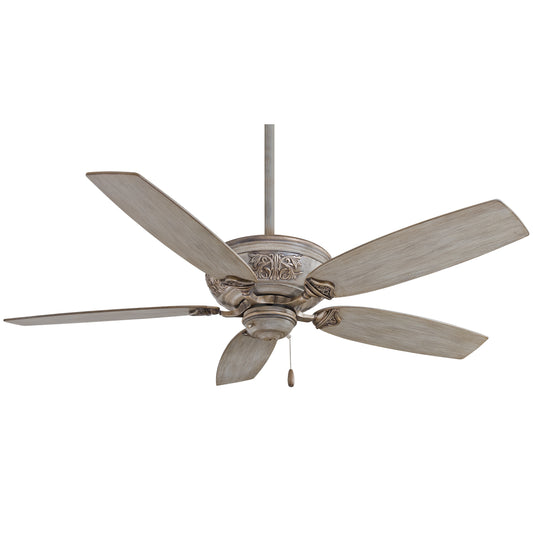
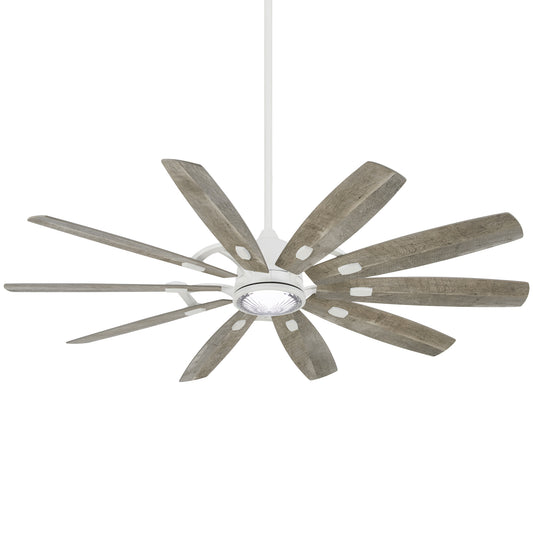
A high-quality fan isn't just about moving air anymore; it's a piece of functional art. Forget the clunky, wobbly fans from your childhood. Today’s best models are designed to complement specific aesthetics, from sleek and modern to warm and rustic.
Materials and Finishes That Define a Room
The materials used for the fan’s blades and body are what give it personality. They can bring texture, warmth, or a cool industrial vibe to your space. Think about the feeling you want in your room and choose a material that gets you there.
- Warm Woods: If you’re going for a modern farmhouse, Scandinavian, or mid-century modern look, you can't beat natural wood blades. A rich walnut finish, like you’ll find on the Kichler Terna (around $450), adds an organic warmth and sophistication that instantly elevates a room.
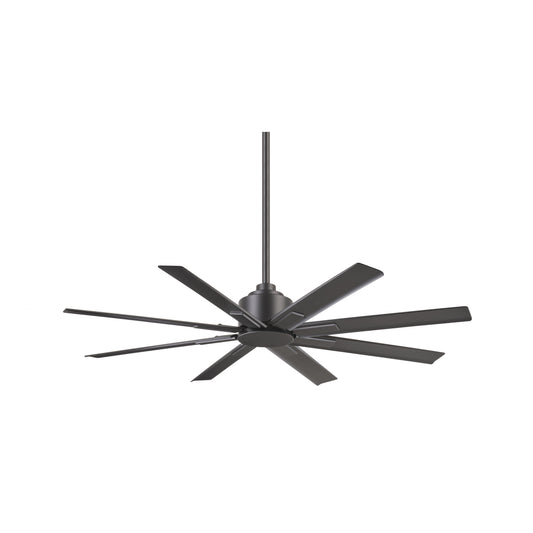
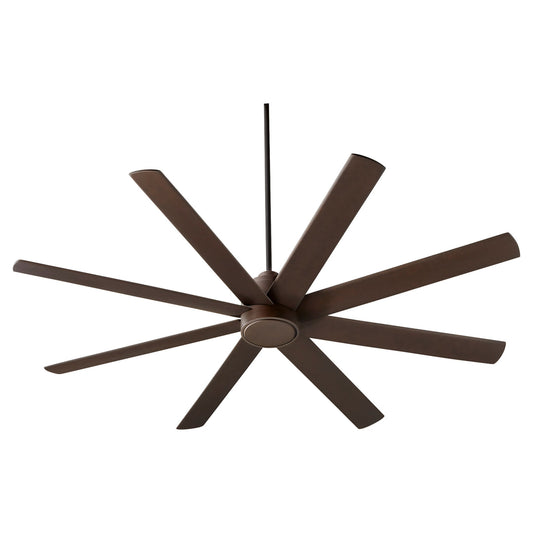
- Sleek Metals: Brushed nickel, matte black, and oil-rubbed bronze are go-to choices for industrial, contemporary, or minimalist designs. The Fanimation Kute (starting at $330) in matte black has such a clean, understated profile that it blends right into modern ceilings without a fuss.
- Crisp White: Sometimes, the best fan is the one you don’t notice. A simple, matte white fan is perfect when you want it to disappear into a white ceiling, keeping things feeling bright and uncluttered. This lets your furniture and art do all the talking.
Does Blade Count Really Matter?
This question comes up all the time: do more blades mean more air? The short answer is no. It’s a total myth!
While the number of blades absolutely defines the fan's look, it’s not what drives performance. A well-designed three-blade fan with a beast of a motor and a steep blade pitch can move just as much air as a five-blade model.
As a general rule, fans with fewer blades (three is common) tend to look more modern and aerodynamic. Fans with five or more blades often feel a bit more traditional. My advice? Don't get hung up on the number. Find a style you love from a brand you trust, then just double-check that it has the CFM rating your room needs.
Interior Designer Insight: The goal is often for the fan to feel intentional, not attention-grabbing. For most aesthetics, a simple, modern fan with three blades provides a cleaner, less cluttered look that ages better over time.
The Art of Integrated Lighting
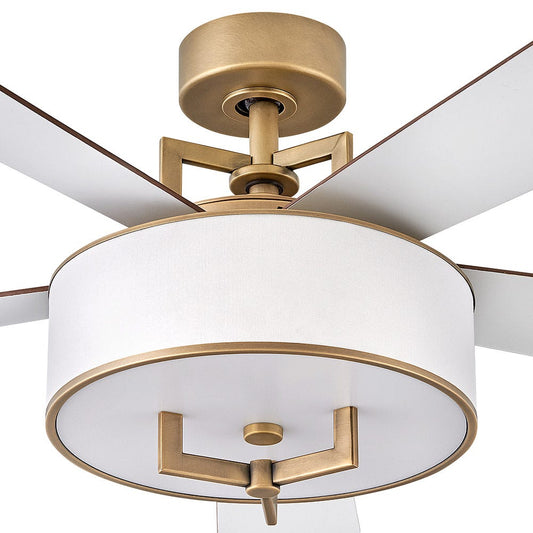
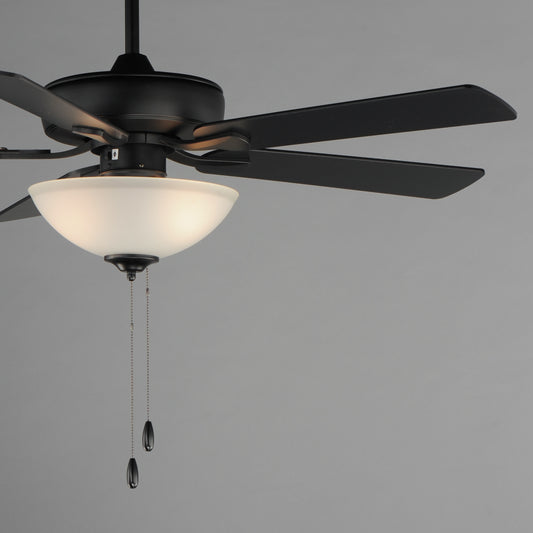
The days of ugly, bowl-shaped light kits are long gone—especially once you're investing in a quality fan. One of the biggest things that sets premium models (those over $300) apart is their sophisticated, integrated LED lighting.
These aren't just an afterthought; the light is designed as part of the fan's core aesthetic. Take the Modern Forms Wynd (priced around $400). It features a slim, low-profile LED light that gives you plenty of illumination without adding any visual bulk.
Here are the lighting features worth looking for:
- Dimmable LEDs: This is a must. It lets you adjust the brightness to set the right mood, from bright and functional to a soft, relaxing glow.
- Adjustable Color Temperature: Many high-end fans now let you shift the light from a warm, cozy white (around 2700K) to a cool, crisp daylight (5000K). This is a fantastic feature for matching the lighting to the time of day or what you're doing in the room.
- Energy Efficiency: Integrated LEDs use way less energy and last for years, which means you won't be dragging out a ladder to change bulbs anytime soon.
Choosing a fan with a well-designed light kit ensures your fixture is both a powerful cooling machine and a beautiful source of light. It’s this blend of form and function that proves you never have to sacrifice style for comfort.
Smart Features and Why Investing More Pays Off
When you step up to a high-quality ceiling fan—one that costs over $300—you’re getting a lot more than just a motor and some blades. You're really upgrading your home’s technology and locking in long-term comfort. These fans pack in clever features that go way beyond what a basic, off-the-shelf model can do, totally changing how you experience your space.
Modern fans aren't just standalone appliances anymore; they’re becoming part of your home’s ecosystem. Smart features, which used to be a novelty, are now a hallmark of premium models. Imagine scheduling your fan to kick on thirty minutes before you get home from work or just telling your smart speaker to adjust the breeze without getting up.
That level of control is pretty much standard in many top-tier fans now. With dedicated apps, you can set detailed schedules, fine-tune speeds, and even change the fan's direction from anywhere. This seamless integration with platforms like Amazon Alexa or Google Assistant makes staying comfortable completely effortless.
Beyond Cooling: The All-Season Advantage
One of the most valuable yet overlooked features of a premium fan is its reversible motor. This simple function doubles the fan's usefulness, making it a year-round asset for both comfort and energy savings.
In the summer, you set the blades to spin counter-clockwise, which pushes cool air down to create that nice breeze. But in the winter, you can flip the switch to make them spin clockwise. This one small change pulls cool air up and circulates the warm air that naturally rises and gets trapped at the ceiling. Gently redistributing that heat can make a room feel warmer, letting you dial back the thermostat and save a little on heating costs.
The True Cost of a Cheap Fan
We’ve all been there: a cheap, wobbly fan that won’t stop clicking, humming, and shaking. It’s beyond distracting. This is where the difference between a budget fan and a real investment becomes crystal clear.
Lower-cost fans often use cheaper materials and less precise manufacturing, which leads to imbalanced blades and noisy motors that only get worse over time. A premium fan, on the other hand, is engineered for silent, stable operation that lasts for decades. They’re built with high-quality, precision-balanced blades and superior motor components that eliminate those annoying wobbles and hums right from the start.
A quiet fan isn’t a luxury; it’s a fundamental requirement for a peaceful home. Investing in a fan with a high-quality motor and balanced parts means you get the comfort of airflow without the constant, irritating noise.
Why a Lifetime Warranty Actually Matters
When you’re comparing fans, the warranty is one of the most honest signs of quality. A company that backs its product with a lifetime motor warranty is telling you they built it to last.
This isn’t just some marketing gimmick. It's a promise that the most important part of your fan—the motor—is designed to handle years of continuous use without giving out. Reputable brands like Fanimation and Minka-Aire regularly offer these solid warranties on their premium models, giving you peace of mind that your investment is protected.
Choosing a fan from a trusted brand with a great warranty means you're not just buying a product; you’re investing in comfort and reliability that will last as long as you own your home.
Feature Comparison Standard vs. Premium Ceiling Fans (>$300)
To really see the value, it helps to put the features side-by-side. Here’s a quick breakdown of what you typically get at different price points.
| Feature | Standard Fan (<$200) | Premium Fan (>$300) |
|---|---|---|
| Motor Type | Standard AC Motor | High-Efficiency DC Motor |
| Noise Level | Prone to humming and wobbling | Whisper-quiet operation |
| Controls | Basic pull chain | Remote, wall, and smart app controls |
| Smart Home | No integration | Voice control (Alexa, Google Assistant) |
| Energy Use | Higher energy consumption | Up to 70% more energy-efficient |
| Warranty | Limited 1-5 year warranty | Lifetime motor warranty common |
| Lighting | Basic, often bulky light kit | Integrated, dimmable LED lighting |
It's clear that while the upfront cost is higher, a premium fan delivers better performance, more convenience, and significant long-term savings—not to mention a much quieter and more enjoyable experience.
A Few Lingering Questions
Even after you've measured your room and picked a style, a few questions might still be floating around in your head. That's perfectly normal. A ceiling fan is a big part of a room's look and feel, so let's tackle some of the most common things people ask before they make their final choice.
Getting these last few details ironed out will help you feel confident you're picking a fan you'll love for years.
How Many Blades Should My Ceiling Fan Have?
This is probably the number one question we get, and the answer usually surprises people. While the blade count is a huge part of a fan's aesthetic, it has almost no impact on how well it moves air. It's a common myth. A well-designed three-blade fan with a beefy motor can easily outperform a clunky five-blade model.
Performance is all about the motor's power, the pitch of the blades (their angle), and the overall aerodynamic engineering. In general, fans with fewer blades can be a bit more efficient, and fans with more blades might run a little quieter, but for most homes, the difference in airflow is negligible.
Our advice? Stop counting the blades and focus on the style and the CFM rating. Find a design you love from a brand known for performance. A perfect example is the sleek, three-bladed Minka-Aire Aviation (at over $600), which is an absolute powerhouse when it comes to moving air.
Can I Install a Ceiling Fan on a Sloped Ceiling?
You bet! This is a super common scenario, especially in homes with vaulted or angled ceilings. Most standard ceiling fans are designed to be mounted directly on a slight slope, usually up to 15 degrees.
If your ceiling is steeper than that, you'll need what's called a sloped ceiling adapter (or canopy). This is a critical piece of hardware that ensures the fan hangs perfectly level. That's not just for looks—it prevents strain on the motor and keeps the fan stable and wobble-free. Always double-check the fan's manual and the adapter's specs to make sure they're compatible with your ceiling's angle for a safe and secure fit.
What Is an Energy Star Rated Ceiling Fan?
When you see that ENERGY STAR label, it means the U.S. Environmental Protection Agency (EPA) has certified that fan to be way more energy-efficient than standard models. We're not talking a small improvement; these fans are in a class of their own.
They pull this off with advanced tech like high-efficiency DC motors and specially engineered aerodynamic blades. The result? You get incredible airflow while using up to 60% less energy. Choosing an ENERGY STAR model is a smart move that pays you back over time with lower electricity bills and a smaller carbon footprint. Many of our favorite premium fans, like those in the Fanimation Studio Collection (with models over $500), carry this certification.
How Do I Clean and Maintain My Ceiling Fan?
Keeping your fan looking and running great is surprisingly simple. A little regular cleaning stops dust from building up, which is better for both the fan's performance and your home's air quality.
Here’s the routine:
- Safety first: Always kill the power at the circuit breaker before you start.
- Dust the blades: You can use a microfiber duster on an extendable handle. Or, try the old pillowcase trick: slide a pillowcase over a blade and pull it back. All the dust gets trapped inside—no mess.
- Wipe it down: A quick wipe of the motor housing and other parts with a dry or slightly damp cloth is all you need. Stay away from harsh chemical cleaners that could ruin the finish.
- Check for wobbles: Every so often, it's a good idea to check and tighten any screws that might have wiggled loose over time.
And the best part? The vast majority of modern, high-quality fans have sealed motor bearings that are self-lubricating. That means they will never need oiling.
At Fan Connection, we believe the perfect fan is a seamless blend of style, performance, and reliability. We’ve curated our collections to make finding your ideal match simple, whether you're looking for a minimalist three-blade design or a statement piece for your great room. Explore our extensive selection of premium fans and elevate your home's comfort and design today at https://www.fanandlights.com.


