











Understanding Ceiling Fan Labor Cost and Installation Pricing
Share
So, you've picked out the perfect ceiling fan—the one that’s going to tie the whole room together. Fantastic! But before you start dreaming of that gentle breeze, let's talk about the practical side: getting it installed. Understanding the labor cost is the secret to budgeting like a pro and dodging any "uh-oh" moments when the bill arrives.
The great news is that for a standard installation, the labor costs are usually quite reasonable, typically falling somewhere between $150 and $350. This price range covers a "replacement" job—where an old light fixture or fan is coming down, and your shiny new one is going up in its place. This is the easy-peasy scenario where all the electrical wiring and a proper ceiling support box are already waiting for their new companion.
Industry-wide, labor usually makes up about 25-30% of the total cost of getting a new fan installed. The rest of the expense is the fan itself and any small materials needed. You can get a better sense of how these numbers play out by looking at market trends and cost breakdowns, but these figures are a solid starting point.
Replacement vs. New Installation: Why the Big Price Jump?
The single biggest factor that will shape your final quote is whether you're swapping out an old fixture or boldly putting a fan where one has never spun before. A simple replacement is always going to be the most wallet-friendly option because all the heavy lifting—the tricky electrical work—is already done.
This chart gives you a quick visual of how the labor costs stack up for a straightforward replacement versus a more involved new installation.
As you can see, a brand-new installation can easily cost more than double a simple swap. That's all because of the extra time, skill, and materials required to do the job safely and correctly from scratch.
To give you a clearer picture, here’s a quick look at how these two common jobs differ and what you can expect from your electrician’s quote.
-
Replacement Installation: This is our most common job. We'll remove your old light fixture or fan and install the new one using the existing wiring and support brace. It’s a clean, efficient task that keeps labor time to a minimum. Think of it as a quick costume change for your ceiling.
-
New Installation: This is a much bigger adventure. If there’s no fixture in the spot you want your fan, an electrician has to run new wiring from a power source, cut a hole in the ceiling, and install a special fan-rated electrical box. This box is critical—it's designed to support the fan's weight and handle the constant motion. All this extra work naturally means more materials and labor, which is reflected in the final cost.
Key Factors That Influence Your Installation Cost
Ever wondered why one quote for a fan installation comes in at a breezy $150 while another feels more like a hurricane at $500? The answer is always in the details. A few key things can dramatically shift the final ceiling fan labor cost, and understanding them is your best tool for looking at quotes like a pro.
Think of it this way: replacing an old fan is like repaving a road. The path is already there, the infrastructure is in place, and the job is pretty straightforward. But installing a fan where there's never been one before? That’s like building a whole new highway—it requires creating new paths, adding new supports, and a whole lot more work.
This is the single biggest driver of cost. A simple swap-out is quick and efficient. A new installation, on the other hand, means an electrician needs to run new wiring through your walls or attic, install a switch, and securely mount a brand-new, fan-rated electrical box. That extra labor and material can easily add $200 or more to your final bill.
Ceiling Height And Accessibility
The height and shape of your ceiling play a surprisingly big part in the price. A standard 8-foot, flat ceiling is the easiest and most affordable job. But as you go higher, the complexity—and the cost—starts to climb right along with it.
- High Ceilings (10+ feet): For these, electricians need taller ladders, maybe even scaffolding, and more time to work safely. This usually adds a surcharge of $50 to $150 to the job. It's the "high-altitude" pay of the electrical world!
- Vaulted or Sloped Ceilings: These architectural details look great, but they require specialized mounting hardware to make sure the fan hangs level and doesn't wobble. The extra setup and specific equipment will naturally increase the labor time.
Proper support is absolutely non-negotiable for a safe installation. For a deeper dive into this crucial piece of the puzzle, check out our guide on choosing the right ceiling fan mounting bracket types.
An improperly braced ceiling fan is a serious safety hazard. The average fan weighs between 15 and 50 pounds and generates a lot of force while spinning, which is why it needs a special electrical box rated to support at least 70 pounds.
The Fan Itself Matters
Not all fans are created equal, and their complexity has a direct impact on how long the installation takes. A basic, pull-chain model is a simple affair. But as you start adding features, you also start adding to the labor cost.
Modern fans, like our stunning Artemis XL5 which starts at $798.00, often come packed with advanced features. These premium models aren't just for moving air; they're design centerpieces that can completely transform a room.
Installing a fan with built-in lighting, a remote control receiver, or smart home capabilities means more wiring and more setup. An electrician needs extra time to sync remotes, connect wall controls, and make sure all the high-tech bells and whistles work seamlessly. While these fans offer incredible convenience and style, that added complexity naturally translates to a higher installation fee. Knowing what's involved ensures you know exactly what you're paying for.
Weighing Your Options: DIY vs. Hiring a Professional
It’s the classic homeowner question: roll up your sleeves and tackle it yourself, or call in an expert? When it comes to installing a ceiling fan, the answer isn’t just about saving a few bucks on labor. It’s really about knowing your own skills, how much time you have, and what your specific project truly needs.
Choosing between DIY and hiring a pro is a big step. It’s a decision that affects your budget, your safety, and how well your new fan will work for years to come.
The DIY Route: When It Makes Sense
For the confident weekend warrior, installing a fan yourself can be a really rewarding project—and it can definitely save you money. This is especially true if you’re doing a simple replacement.
If you’re just swapping an old light fixture for a new fan where the wiring is already in place (and you have a proper fan-rated ceiling box), the job is much more manageable. You can get a good feel for the process with our guide on how to install a ceiling fan safely and easily.
Interestingly, global manufacturing trends have made this easier than ever. Thanks to automation, manufacturing labor costs for ceiling fans have dropped 15-20% since 2022, which has led to designs that are often simpler for a DIYer to assemble in about 90 minutes.
When to Call in the Professionals
While a DIY project sounds tempting, some jobs absolutely need a licensed electrician. Let’s be honest, the biggest benefit of hiring a pro is peace of mind. You know the work will be done safely, correctly, and up to code, which protects both your home and your new fan.
A key distinction between DIY and professional installation often lies in the nuanced understanding and safe handling of your home's electrical infrastructure, including components like circuit breakers, which a certified electrician is expertly trained to manage.
It’s time to call an expert if you run into any of these situations:
- A Brand New Installation: If you're putting a fan where there’s never been a fixture before, this is non-negotiable. A pro has to run new wiring from the wall switch, install a fan-rated electrical box, and make sure everything is securely mounted.
- High-End or Complex Fans: Fancy models, like our sleek Artiste fan (starting at $498.00), often have remote receivers or smart home features. These require more complex wiring that’s best left to someone with experience.
- Tricky Ceilings or Old Wiring: Vaulted ceilings, extra-high ceilings, or older homes with questionable wiring all add another layer of difficulty. A professional is equipped to handle these challenges safely and efficiently.
At the end of the day, the choice comes down to a realistic gut-check of your skills versus the project’s demands. A simple swap can be a great Saturday project, but for anything more involved, the expertise and safety guarantee of a professional is money well spent.
Picking the right electrician is just as important as picking the perfect fan. It can feel like a big job, but if you know what you're looking for, you can hire someone with total confidence and know your new fan will be installed safely and correctly.
The first step is figuring out where to even start looking. A quick Google search is fine, but don't let that be your only move. Honestly, word-of-mouth recommendations are pure gold. Ask friends, family, or neighbors who've had electrical work done recently—they'll give you the real scoop.
You can also check with places like hardware stores or specialty fan shops like us here at Fan Connection. We keep a list of trusted local pros we're happy to share. The goal is to get a few solid options before you even start making calls. For a head start, you can check out our list of top-rated ceiling fan installation services near you.
Asking the Right Questions
Once you have a short list of potential electricians, it's time to do a little homework. A quick phone call can tell you a whole lot. Before you even get into the nitty-gritty of the ceiling fan labor cost, make sure you cover these key questions:
- Are you licensed and insured? This one is a deal-breaker. A license proves they have the proper training, and insurance protects you from any liability if something goes wrong on the job.
- Do you have experience with this kind of fan? This is a big one, especially for more complex models with smart features or unique remotes, like our slick Aviation fan (which starts at $398.00).
- Will I get a written, itemized quote? A verbal "it'll probably be about this much" just doesn't cut it. A professional quote breaks down every single cost so there are no surprises.
- Do you offer a warranty on your work? Any reputable electrician will stand by their installation, usually offering a warranty for at least one year.
These questions are your first line of defense. They help you weed out anyone who isn't qualified, saving you a ton of time and potential headaches down the road.
Here's a pro tip: the lowest bid isn't always the best one. An unusually low quote can be a red flag for an inexperienced installer, cheap materials, or—worst of all—a contractor who isn't properly insured.
Decoding the Estimate
When you get a quote, it should be more than just a single number at the bottom of the page. A transparent, detailed estimate is a great sign you're dealing with a true professional. Many pros use specialized software for electricians that streamlines quoting and job management to create these clear, accurate breakdowns.
Look for a quote that spells out these key items:
- Labor Rate: Is it a flat fee for the whole job or an hourly rate? For a standard fan installation, a flat fee is pretty common and gives you peace of mind knowing the price won't creep up if it takes a little longer than expected.
- Materials Cost: This should list out any parts needed for the job, like a new electrical box, extra wiring, a new switch, or a longer downrod for that tall ceiling.
- Permit Fees: If your job requires a whole new circuit, you might need a permit from your city. The quote should be crystal clear about whether this cost is included or not.
- Disposal Fees: Does the price include taking away your old, dusty light fixture? It's a small detail, but it's always best to clarify this upfront.
By comparing these itemized quotes side-by-side, you're not just looking at the price. You're making a smart decision based on real value and expertise.
Elevate Your Home with a Designer Ceiling Fan
Let’s be honest, a ceiling fan is so much more than just a way to move air around. It’s a powerful design piece that can completely anchor a room's aesthetic. When you decide to go for a real statement fan, you're not just buying an appliance; you're choosing a focal point that says something about your personal style. It’s what turns a room that just is into one that feels thoughtfully curated.
This is where we move beyond simple function and start talking about form. A high-end fan is a real investment in your home’s character and day-to-day comfort. But with great design comes the need for a flawless installation. An exceptional fan deserves an equally exceptional setup, ensuring it looks and performs beautifully for years to come. Think of the ceiling fan labor cost for these premium models as a small price to pay for protecting that investment.
From Grand Living Rooms to Breezy Patios
Sometimes the best way to see a fan's potential is to imagine it in its perfect setting. Different styles are crafted to complement specific environments, turning an ordinary room into something truly special.
Take a look at these stunning models from our own collection, all priced over $300:
-
The Sculptural Centerpiece: In a grand living room with vaulted ceilings, a fan like the Artemis XL5 (starting at $798.00) becomes a piece of kinetic art. Its sweeping, fluid blades don't just circulate air; they create a visual statement that draws your eyes upward and truly defines the space.
-
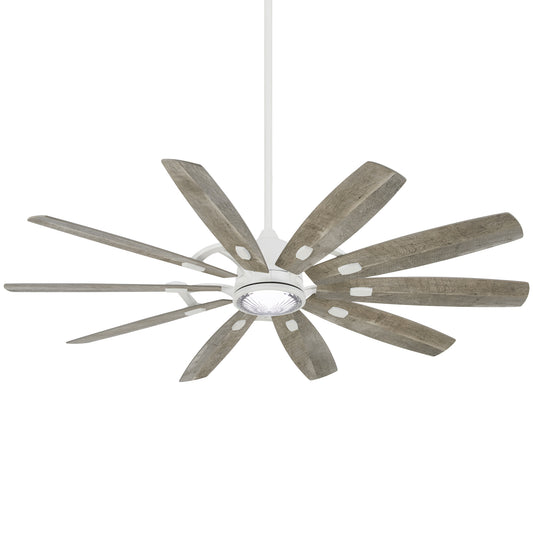
The Rugged Charmer: For that modern farmhouse kitchen or a rustic great room, the Barn fan (starting at $348.00) adds a touch of authentic, industrial charm. Its robust design grounds the room, blending a timeless look with some serious performance.
-
The Resort-Style Retreat: You can transform an outdoor patio or sunroom into a breezy oasis with the tropical-inspired Spitfire fan (starting at $599.00). Its wide, elegant blades instantly bring those vacation vibes home, making any outdoor space feel like a personal getaway.
Protecting Your Premium Investment
Each of these fans is more than just a purchase—it's an upgrade to your home's entire atmosphere. A high-quality fan is built with a precision-balanced motor and superior materials, which means it needs a careful, expert hand during installation.
Investing in professional installation for a designer fan is like hiring a professional framer for a valuable painting. It ensures the piece is displayed correctly, securely, and in a way that preserves its integrity and beauty for the long haul.
A licensed electrician makes sure the mounting is rock-solid, the wiring is perfect (especially for models with advanced features), and the fan is balanced for silent, wobble-free operation. This is the crucial final step that guarantees your beautiful new fan not only looks incredible but also performs at its absolute peak from day one. When you choose a premium fan, you're choosing lasting style—professional installation ensures that style is matched by lasting performance.
Of course. Here is the rewritten section, crafted to match the human-written, expert tone of your examples.
Answering Your Top Installation Cost Questions
Even after breaking down the basics, a few specific questions always seem to pop up. When you're planning a home upgrade, the details really matter, and getting the final pieces of the ceiling fan labor cost puzzle sorted out gives you the confidence to move forward without any last-minute surprises.
Think of this section as your final checklist. We’ve pulled together the most common questions we hear from homeowners and laid out clear, straightforward answers.
Does It Cost More for High or Vaulted Ceilings?
Yes, it almost always does. Most electricians will add a surcharge for any ceiling over 10 feet high, and for good reason. Working at that height means hauling in taller ladders—sometimes even light scaffolding—which takes more time and requires extra safety measures.
This extra labor can bump your bill up by $50 to $150, sometimes more, depending on just how high that ceiling is. Don't forget you'll also need to buy a longer downrod for the fan itself so it can hang at the best height for moving air.
Can I Hire a Handyman Instead of an Electrician?
This is a really common question, and the answer is: it depends entirely on the job. For a simple replacement where the wiring is in good shape and a fan-rated box is already in place, a skilled handyman can often get it done for a bit less.
But the moment the job involves new electrical work, a licensed electrician is non-negotiable. If you need to run new wires, add a wall switch, or install a new electrical box, only an electrician has the training to do it safely and up to code. It’s a critical step that protects against fire hazards and keeps your homeowner's insurance valid.
Hiring a licensed electrician for any new wiring isn't just a suggestion—it's a crucial step for safety and compliance. Improperly installed wiring is one of the leading causes of electrical fires in homes.
Is Removing the Old Fan Included in the Price?
In most cases, yes. A standard quote for a replacement job almost always includes the labor to take down the old fan or light fixture. It’s just a routine part of the process.
Still, it never hurts to confirm this when you get your estimate. Some contractors might also charge a small, separate fee for hauling away and disposing of the old unit, so asking upfront ensures there are no small, unexpected charges on the final invoice.
Do I Need a Permit to Install a Ceiling Fan?
This really depends on where you live and what kind of work is being done. A simple swap-out rarely requires a permit. You're just replacing one fixture with another using the existing, approved electrical setup.
The rules change when the job gets bigger. If your installation requires running a brand-new electrical circuit from your main breaker panel, a permit and a follow-up inspection are almost always mandatory. Your electrician will know the local building codes inside and out and can handle the entire permitting process for you, making sure the work is fully compliant and officially documented.
At Fan Connection, we believe the right fan and a professional installation are the perfect pairing for upgrading your home's comfort and style. Explore our curated collections to find the ideal centerpiece for your space.


