

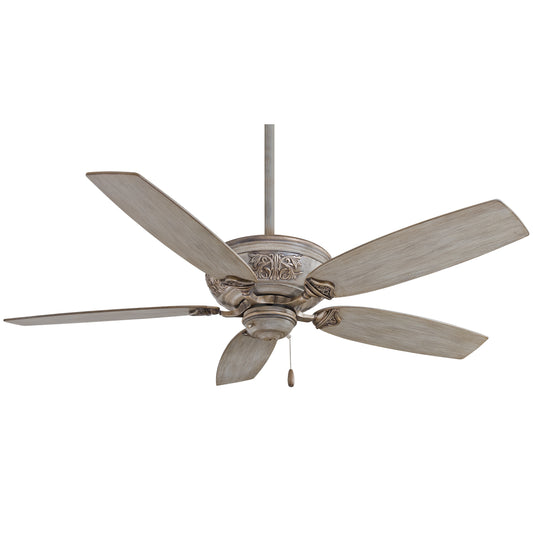

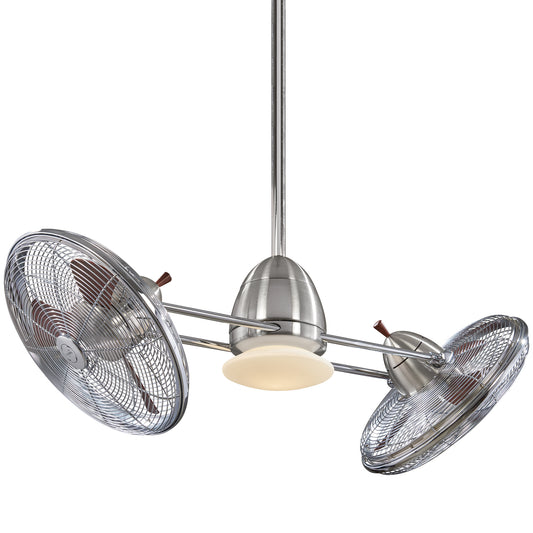

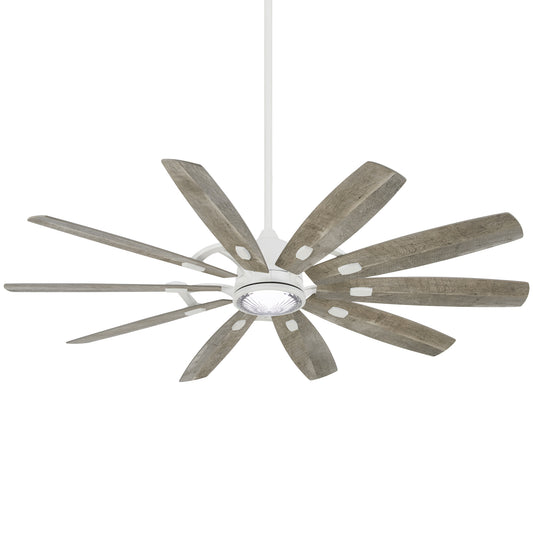

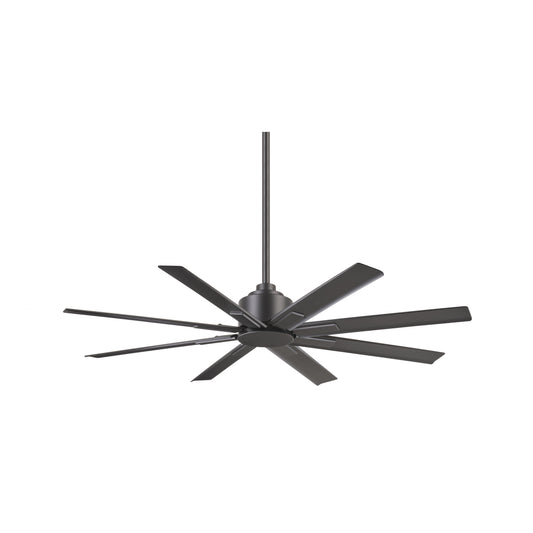

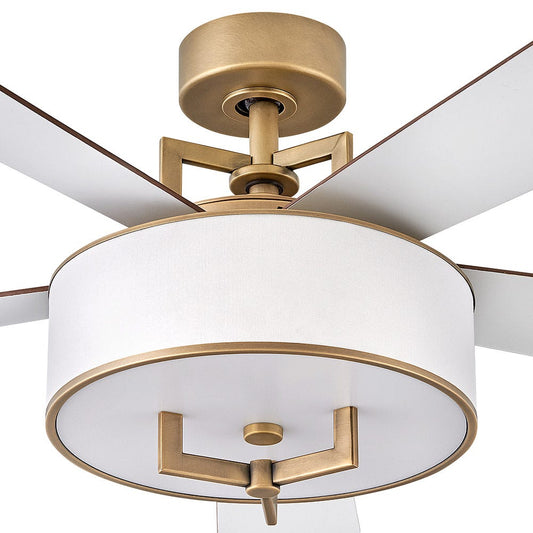


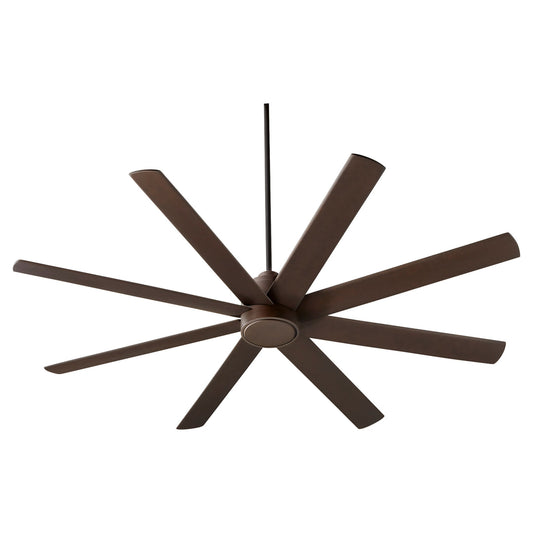


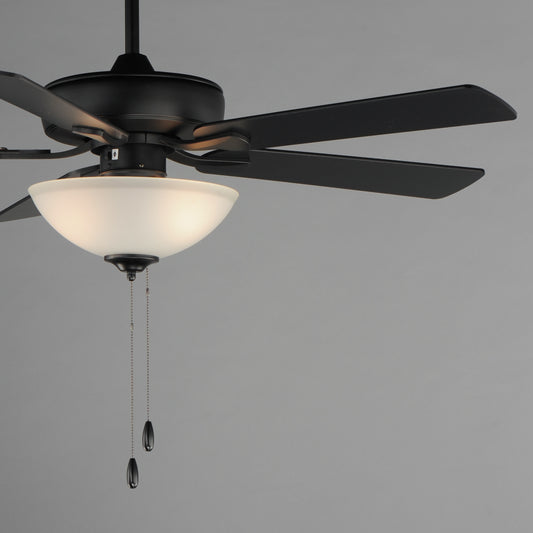


Ceiling Fans 72 Inch: A Guide to Grand Style and Epic Airflow
A 72-inch ceiling fan isn't just an appliance; it's a statement piece, a commitment to comfort in your largest spaces. Think of it as the superhero your great room, soaring living area, or vaulted-ceiling sanctuary has been waiting for. In those grand rooms where a standard fan just spins its wheels, these majestic models are engineered to move an epic amount of air, creating a consistent, blissful breeze from wall to wall. It's time to say goodbye to stuffy corners and hello to whole-room comfort.
Why a 72 Inch Ceiling Fan is a Total Game-Changer
Have you ever walked into a stunning, beautifully decorated great room that just felt… heavy? The culprit usually isn't the decor; it's the dead, stagnant air. A standard ceiling fan gets completely lost in any space over 400 square feet, leaving pockets of warm, unmoving air that make the room feel surprisingly uncomfortable.
This is precisely where the 72-inch ceiling fan swoops in to save the day. It's the difference between a tiny personal fan and a powerful, refreshing wind. We're not just talking about bigger blades; these fans are meticulously engineered to deliver a gentle yet powerful, room-filling breeze in the spaces that need it most.
The Awesome Power of Airflow
The true measure of a fan's might is its CFM (Cubic Feet per Minute) rating. This number tells you exactly how much air the fan moves, and it's the only performance metric that truly matters. A higher CFM equals a more powerful, effective breeze, and 72-inch fans are built to be airflow champions, often pushing a massive 8,000 CFM or more.
So, what does this super-powered airflow mean for you?
- No More Stuffy Zones: A high-CFM fan circulates air everywhere, kicking stuffiness to the curb and keeping the entire room feeling fresh and alive.
- A Natural Chill Pill: The mighty airflow creates a wind-chill effect that can make you feel several degrees cooler, allowing you to give your AC a well-deserved break.
- Year-Round Comfort Hero: In winter, just flip the fan's direction. It will gently push the warm air trapped near the ceiling back down into your living space, making your heating system far more effective.
Here's a fun pro tip: A large fan spinning lazily on a low setting is almost always quieter and more energy-efficient than a small fan frantically buzzing on high. You get superior comfort and lower energy bills. It's a win-win!
To see the difference clearly, let's break down how these big fans stack up against their smaller counterparts.
Big Fan Benefits at a Glance
| Feature | The 72-Inch Fan Advantage | Best For |
|---|---|---|
| Airflow (CFM) | Typically 8,000+ CFM, providing powerful, room-wide circulation. | Great rooms, open-concept areas, and spaces over 400 sq. ft. |
| Efficiency | Moves more air per watt, especially with a DC motor. More efficient than small fans on high. | Lowering long-term energy costs and reducing HVAC strain. |
| Noise Level | Operates at lower RPMs for a quieter, more gentle breeze. | Bedrooms, living rooms, and any space where quiet comfort is a priority. |
| Aesthetics | Acts as a stunning visual anchor, perfectly scaled for large, high-ceilinged rooms. | Making a design statement and complementing expansive interiors. |
In short, a 72-inch fan isn't just about size; it's about smarter, more efficient, and more comfortable air movement.
Efficiency and Quiet Operation
One of the best-kept secrets of large fans is just how ridiculously efficient they are. Many premium 72-inch ceiling fans now feature advanced DC (Direct Current) motors, which are a quantum leap forward from old-school AC motors.
A fan with a DC motor can be up to 70% more energy-efficient. This means you get that incredible, room-filling airflow without a shocking electricity bill. These motors also run cooler and are virtually silent, producing just a whisper of sound even on higher settings.
Making the switch to a larger fan is a smart move that delivers instant comfort, lower energy bills, and a huge visual upgrade. It’s the kind of centerpiece that pulls a big room together, making it feel just as good as it looks. To learn more about what a modern fan can do for your home, check out the breezy benefits of having a ceiling fan in our full guide.
Is a 72 Inch Fan Right for Your Room?
Picking the right size ceiling fan is one of those decisions that can make or break a room's comfort. It’s easy to get it wrong. Putting a small fan in a huge room is like trying to cool a gymnasium with a desk fan—it just won’t cut it. This guide is all about getting the dimensions right so your fan doesn't just look good, but actually moves some serious air.
Let's ditch the generic sizing charts for a moment and focus on what really counts: room square footage, ceiling height, and the overall layout of your space. Nailing these three factors is the difference between a gentle, room-filling breeze and that disappointing, wobbly hum you get from an undersized fan.
Square Footage: The First Checkpoint
The easiest place to start is with simple square footage. A 72-inch ceiling fan is a powerhouse, specifically built for large, open areas. Think soaring great rooms, open-concept living and dining spaces, or massive master suites.
As a rule of thumb, these big fans are the perfect fit for any room over 400 square feet. To give you an idea, that’s a room that’s at least 20 feet by 20 feet. In a space that large, a standard 52-inch fan would be working overtime, leaving the corners of the room feeling stuffy and stagnant.
- Rooms 400–500 sq. ft. A 72-inch fan delivers fantastic, wall-to-wall coverage.
- Rooms over 500 sq. ft. This is the sweet spot. A 72-inch fan isn't just a good idea here; it’s essential for proper air movement.
Trying to cool a 450-square-foot living room with a regular-sized fan is a classic mistake. You'll have to run it on high all the time, which means more noise, more energy use, and still, a less-than-impressive breeze. A bigger fan, on the other hand, can move a massive volume of air while just coasting on a low, quiet setting.
Ceiling Height: The Vertical Dimension
But square footage is only half the story. Ceiling height is just as important, if not more so. The long blades on ceiling fans 72 inch in diameter need plenty of vertical real estate to do their job safely and effectively.
The gold standard for a 72-inch fan is a ceiling that's at least 9 feet high. This gives you enough clearance from the floor for safety and enough space above the blades for air to circulate freely without getting choppy.
If your ceilings are taller than 9 feet, you'll almost certainly need a longer downrod. This positions the fan at its optimal height—usually about 8-9 feet from the floor—to create the best airflow. Trying to cram one of these huge fans onto a standard 8-foot ceiling is a bad idea; it’s a safety risk and it will seriously choke the fan's performance.
Placement and Layout Strategies
Once you’ve confirmed your room is big enough and tall enough, the final piece of the puzzle is placement. It’s not always about finding the dead center of the ceiling. The real goal is to put the fan where it will do the most good.
- Center it over your main living area. In an open-concept room, hang the fan right above where people gather, like your sofa and coffee table.
- Keep your distance. Make sure the tips of the blades are at least 18-24 inches away from any walls, tall cabinets, or light fixtures. Anything closer can disrupt the airflow and create a "dead zone."
- Think about long, narrow rooms. For a very long, rectangular space, you might be better off with two properly sized fans to guarantee even air distribution from one end to the other.
Taking a few minutes to measure your room and think through these details will give you the confidence that you're making the right call. For a deeper dive, our guide on choosing the right ceiling fan size for maximum efficiency has even more great info. By avoiding the common mistake of going too small, you'll feel that powerful, comfortable difference the second you flip the switch.
Understanding What Powers Your Fan
So, you’ve settled on a 72-inch ceiling fan for your big space. That’s a great start, but choosing the right size is only half the battle. Now, we need to look under the hood.
What truly separates a fan that just looks the part from one that performs like a dream comes down to the engineering: its airflow, blade angle, and motor. Getting these three things right is the secret to finding a fan you’ll love for years.
Airflow is Everything: Let’s Talk CFM
At the very core of a fan's performance is its CFM, which stands for Cubic Feet per Minute. Think of it like a car's horsepower—it's the single most important number telling you exactly how much air the fan can move. A higher CFM means a stronger, more refreshing breeze. Simple as that.
When you’re trying to cool a large room, a high CFM isn't just a nice-to-have; it's a must. You need a fan that can push air all the way to the corners, not just stir a weak pocket of air directly underneath.
For a 72-inch fan, you should be looking for models that deliver at least 7,000 to 8,000 CFM. Anything less, and you’ll be left with disappointing performance.
This little decision tree helps visualize how room size and ceiling height all point toward needing a bigger fan with more oomph.
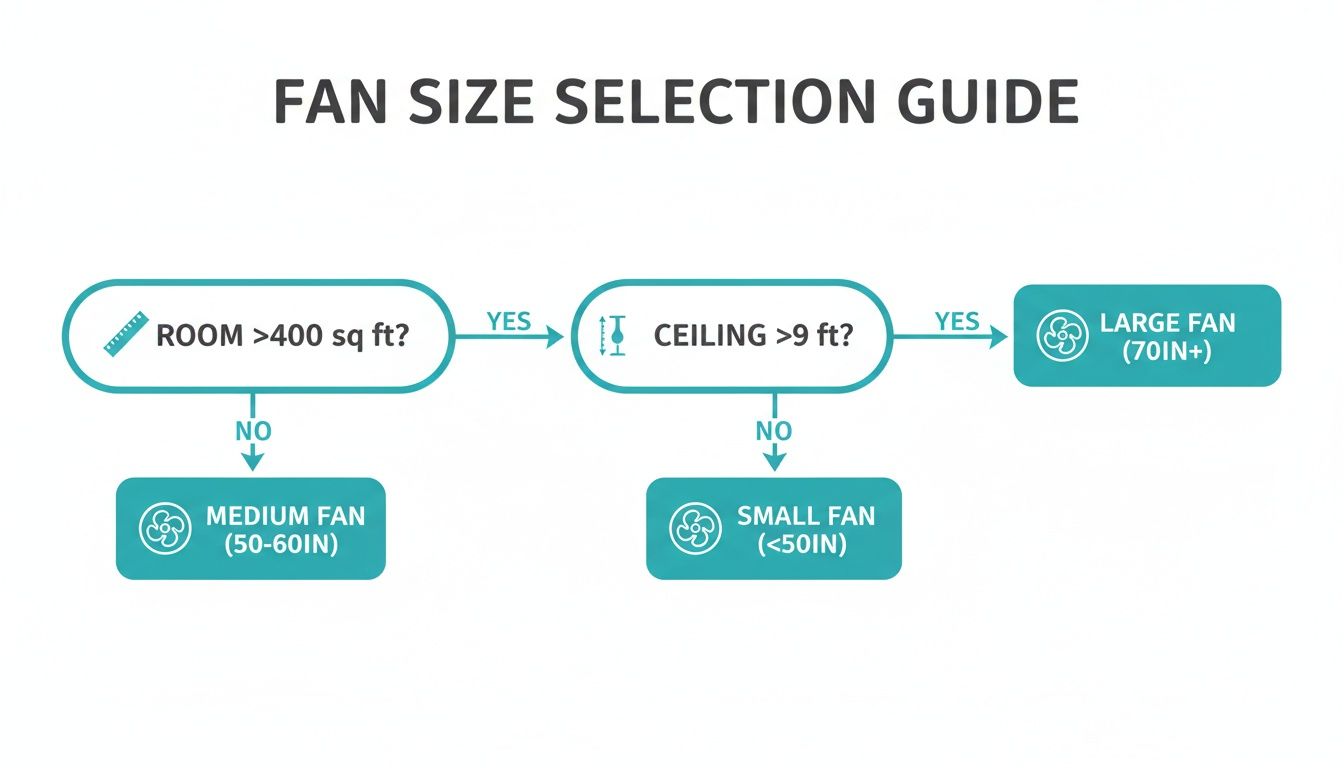
As you can see, once your room gets over 400 square feet and your ceilings are higher than 9 feet, a 72-inch fan becomes the smart choice for truly effective air movement.
The Angle of Attack: Why Blade Pitch Matters
Working hand-in-hand with CFM is blade pitch—the angle of the blades themselves. A steeper pitch allows the blades to “scoop” and push more air down with every spin.
Think about rowing a boat. If you hold the paddle flat against the water, you’re not going anywhere fast. But when you angle it, you can push a ton of water and propel yourself forward. Fan blades work on the exact same principle.
- The Sweet Spot: For large fans, a blade pitch between 12 and 15 degrees is the ideal range for maximizing airflow.
- The Flatter, The Weaker: Blades with a pitch under 12 degrees might look sleek, but they often struggle to move air effectively, especially in a big space.
A fan with both a high CFM and an aggressive blade pitch is an absolute powerhouse, built to create a comfortable breeze without breaking a sweat.
The Modern Motor Showdown: AC vs. DC
Finally, let's talk about the engine that runs the whole show: the motor. For decades, the clunky, old-school AC (Alternating Current) motor was the industry standard. But times have changed.
Today, nearly all premium 72-inch ceiling fans use superior DC (Direct Current) motor technology, and the difference is night and day. DC motors are the new gold standard for a reason—they are smaller, quieter, and way more efficient than their AC ancestors.
Investing in a fan with a DC motor is one of the smartest upgrades you can make. These motors are up to 70% more energy-efficient than traditional AC motors, giving you incredible airflow while barely making a dent in your electricity bill.
But the benefits go far beyond just saving a few bucks. DC motors offer a much better user experience all around.
Why DC Motors Reign Supreme
| Feature | DC Motor Advantage | AC Motor Limitation |
|---|---|---|
| Energy Efficiency | Sips power, often using only 30-35 watts on high. | Guzzles energy to produce the same airflow. |
| Noise Level | Virtually silent. Perfect for bedrooms and quiet spaces. | Often produces that classic motor hum, especially on high. |
| Speed & Control | Typically offers 6+ speeds and a reverse function on the remote. | Usually limited to 3 speeds with a manual reverse switch. |
| Size & Weight | Lighter and more compact, allowing for sleeker fan designs. | Bulkier and heavier, which can limit design creativity. |
Honestly, if you're looking at a fan that costs $300 or more, a DC motor should be a non-negotiable feature. It ensures your money is going toward a high-performance, whisper-quiet machine that will keep you comfortable for years—all while keeping your energy bills low.
Matching Your Fan to Your Home's Style
Let's be honest, a massive 72 inch ceiling fan is more than just an appliance for moving air—it's a statement piece. In a big room, it becomes a focal point, setting the tone just as much as your sofa or a favorite piece of art. The days of having to pick between a fan that worked well and one that looked good are long gone. Today's premium fans are workhorses and showstoppers all in one.
You can forget about those clunky, purely functional fans from the past. Modern engineering has opened up a world of styles, so you can find the perfect match for your home’s decor without ever having to sacrifice performance. Whether your vibe is sleek and minimalist or cozy and rustic, there’s a 72-inch fan ready to cool your space and elevate its entire look.

Finding Your Fan's Aesthetic Personality
Choosing a fan is a lot like picking out furniture. It has to feel right for the room's scale and mesh with the style you've already created. This is especially true for premium fans, particularly those priced at $300 and up, where high-quality materials and thoughtful finishes really make them pop. Let's walk through some of the most popular styles out there.
- Modern and Minimalist: Think clean lines, simple shapes, and a "less is more" philosophy. These fans often have just three sleek blades and come in finishes like matte black, white, or brushed nickel. They blend right into contemporary homes, adding a touch of sophistication without shouting for attention.
- Industrial Chic: Drawing inspiration from old factories and urban lofts, industrial fans are all about making a bold statement. You'll see features like metal cages, exposed bolts, and blades that look like reclaimed wood. Finishes like oil-rubbed bronze or weathered steel give them a rugged, cool character that's perfect for open-concept spaces.
- Rustic and Farmhouse: If your home is all about that cozy, lived-in feel, a fan with natural wood blades and warm, inviting finishes is the way to go. These designs often have a simple, sturdy look that feels both comfortable and timeless, making them a great fit for great rooms with exposed beams.
Your fan's blade count is more about style than performance these days. A modern three-blade fan can move just as much air as a rustic six-blade model. Focus on the CFM rating to judge its power, then pick the blade style that catches your eye.
The Brilliant Addition of Integrated Lighting
Beyond looks, many modern ceiling fans 72 inch in size now come with built-in LED lighting, which is a total game-changer. This feature turns a single fixture into a multi-tasking powerhouse, combining your room's main light source and air circulation into one clean, streamlined unit. No more trying to squeeze in a separate chandelier and fan on the same ceiling.
This trend is a direct response to homeowners wanting fixtures that do more. In fact, the market for ceiling fans with lights is absolutely booming—it's projected to more than double from $2.9 billion in 2024 to over $6 billion by 2031. That kind of growth shows just how much people value fixtures that add both function and flair. You can see more on how these multi-functional fans are taking over in this detailed industry report.
Choosing Finishes and Materials
The final touch in matching a fan to your decor is getting the finish just right. Good materials don't just look better—they hold up better over time, too.
- Matte Black: A classic for a reason. It’s incredibly versatile and looks sharp in modern, industrial, and even some farmhouse-style homes.
- Brushed Nickel: This finish gives off a soft, contemporary vibe that plays well with stainless steel appliances and cooler color palettes.
- Oil-Rubbed Bronze: A rich, dark finish with warm undertones that’s a perfect match for more traditional and rustic interiors.
- Natural Wood Tones: From light maple to deep walnut, wood blades bring a sense of warmth and texture, making a room feel more organic and inviting.
At the end of the day, the best 72 inch ceiling fan for your home is the one that moves air efficiently while perfectly reflecting your personal style. By thinking about the overall aesthetic, the convenience of built-in lighting, and the right mix of finishes, you can choose a fan that's not just an appliance, but the crowning jewel of your room.
Essential Installation and Control Options
A powerful 72-inch ceiling fan is a serious investment in your home's comfort, but its real-world performance boils down to one thing: getting the installation right. A solid installation means your fan will run smoothly, silently, and safely for years. Whether you're a weekend warrior who loves a good DIY project or you’re planning to call in a pro, knowing the basics will make all the difference.
First things first, the fan has to be mounted securely to a ceiling joist with a fan-rated electrical box. This is non-negotiable. A fan this large carries some serious weight and generates a lot of force when it's spinning.
The Crucial Role of the Downrod
Out of all the installation parts, the downrod is arguably the most important. It's the metal pipe connecting the fan motor to the ceiling, and its job is to hang the fan at the perfect height for air circulation—ideally 8 to 9 feet off the floor.
Think of it this way: if a fan is mounted too high and hugged up against the ceiling, it can't pull in enough air to create a strong downward breeze. It essentially "chokes" the airflow, and you'll be left wondering where that powerful gust you were promised went. For any room with ceilings taller than 9 feet, a longer downrod isn't just a nice-to-have; it's a must.
- 9-foot ceilings: The standard 6-inch downrod that comes with most fans will usually do the trick.
- 10-foot ceilings: You'll want to step up to a 12-inch downrod.
- 12-foot ceilings or higher: Look for a 24-inch downrod or even longer, depending on your space.
Getting the downrod length right is the secret to unlocking that room-filling breeze you're after. If you want to dive deeper, our complete guide on downrods for fans breaks down how to pick the perfect length for any ceiling height.
Choosing the Right Mounting System
Next up is the mounting hardware. What you need here really depends on your ceiling. Most fans ship with a standard mount designed for flat, level ceilings, which works for the vast majority of homes. Simple and effective.
But if you have vaulted or angled ceilings, you'll need a special angled mount or a sloped ceiling adapter. This hardware ensures the fan hangs perfectly level, which is absolutely critical for preventing wobbling and keeping the motor from working under unnecessary strain.
A wobbly fan isn't usually a sign of a bad fan—it's almost always a sign of an unbalanced installation. Taking the time to secure the mount and balance the blades is the key to that whisper-quiet, rock-solid performance.
Modern Controls at Your Fingertips
Once the fan is securely in place, it’s time to take control. Thankfully, the days of fumbling for a pull chain you can barely reach are long gone. Today's premium 72-inch ceiling fans, especially those in the $300 and up range, come with slick, modern controls that make using them a breeze.
Remote and Wall Controls
Most high-quality fans now include a multi-function remote. Right from your couch, you can:
- Cycle through multiple speed settings (DC motor fans often have 6 or more).
- Dim the built-in LED light to create the perfect atmosphere.
- Reverse the fan's direction to help circulate warm air in the winter.
Smart Fan Technology
The most exciting leap forward has been the rise of smart fans. By connecting to your home Wi-Fi, these fans can be controlled with a smartphone app or voice commands using Amazon Alexa or Google Home. You can set schedules, create custom breeze patterns, and even turn your fan on before you get home.
A successful ceiling fan installation often fits into a larger picture of home upgrades. As you plan, you might find it helpful to look at guides on various home improvement projects to see how everything fits together. By combining a professional-grade installation with easy-to-use controls, you'll get every bit of performance and style out of your beautiful new fan.
Your 72 Inch Ceiling Fan Questions Answered
Let's wrap things up by tackling some of the most common questions we hear about ceiling fans 72 inches in size. Think of this as your quick guide to clearing up those last few details, so you can feel confident in your choice.
We’ll cover everything from how much electricity these big fans actually use to the easiest way to keep them clean.
How Much Electricity Does a 72 Inch DC Motor Fan Use?
You’ll be pleasantly surprised. A modern 72 inch ceiling fan with a DC motor is incredibly efficient. Even running at its highest speed, it typically sips only 30-35 watts of power.
To put that in perspective, a single 100-watt incandescent light bulb uses nearly three times as much energy. This means you get powerful, room-filling circulation for just pennies a day—no need to worry about your energy bill.
Can I Install a 72 Inch Ceiling Fan on a Sloped Ceiling?
Yes, absolutely. Most high-quality 72 inch ceiling fans are built for versatility and work perfectly on sloped or vaulted ceilings.
You'll just need a sloped ceiling adapter, which often comes included with premium models or can be purchased separately. This little piece of hardware is key—it ensures the fan hangs perfectly level, which prevents wobbling and guarantees safe, quiet operation. Just be sure to check the fan’s specs for the maximum slope angle it can handle before you buy.
Do More Blades Mean More Airflow on a Large Fan?
This is a common myth, but the short answer is no. A fan's real power comes from its motor and blade pitch—the angle of the blades—not just how many blades it has.
The most reliable way to judge a fan's airflow is its CFM (Cubic Feet per Minute) rating. The blade count is really more about the fan's style and the sound it makes.
So, go ahead and pick the look you love, whether it's a sleek three-blade fan or a rustic six-blade design. Just double-check the CFM rating to make sure it has the power you need.
What Is the Best Way to Clean a Large Ceiling Fan?
Safety first, especially with fans on high ceilings. An extendable duster with a flexible microfiber head is your best friend here. It lets you reach the blades for routine dusting without having to pull out a ladder every time.
For a deeper clean, always turn the fan off and kill the power at the circuit breaker. Use a microfiber cloth lightly dampened with a gentle, all-purpose cleaner to wipe down each blade. A quick dusting every couple of months is usually all it takes to keep your fan running smoothly and looking great.
Ready to find the perfect centerpiece for your great room? Explore the stunning collections at Fan Connection and discover a 72-inch ceiling fan that delivers powerful performance and impeccable style. Find your ideal fan at https://www.fanandlights.com.


