











Your Guide to Coastal Style Ceiling Fans for a Breezy Home
A coastal style ceiling fan isn't just an appliance you screw into the ceiling. Think of it as a design centerpiece—the one piece that can single-handedly bring that breezy, relaxed feel of a seaside getaway right into your home. These fans are where function meets the laid-back elegance of waterfront living, anchoring the entire beach-inspired theme from above. It’s a fun, functional sculpture that sets the tone for your whole space.
What Defines a Coastal Style Ceiling Fan
If you could bottle up the serene atmosphere of a beach house, a coastal ceiling fan would be the result. It’s less about complicated mechanics and more about creating a feeling of calm, comfort, and a genuine connection to nature. This isn't just an appliance; it's a mood-setter.
Just like a woven jute rug grounds a living room with earthy texture, a coastal fan defines the room’s character from the ceiling down. It’s the final, fun touch that transforms a regular room into a tranquil retreat, making you feel like you're on vacation every day.

The Core Aesthetic Elements
The coastal look is built on a handful of visual cues that immediately bring to mind the ocean, sand, and sky. Before we get into the nitty-gritty of fan features, it’s helpful to understand what makes up the broader coastal design style. Knowing this helps you see exactly where these fans fit into the bigger picture.
Coastal fans get their signature look from a careful mix of a few key ingredients:
- Natural Materials: You’ll often find blades made from things like rattan, bamboo, or weathered woods. These bring a wonderfully organic and textured feel indoors.
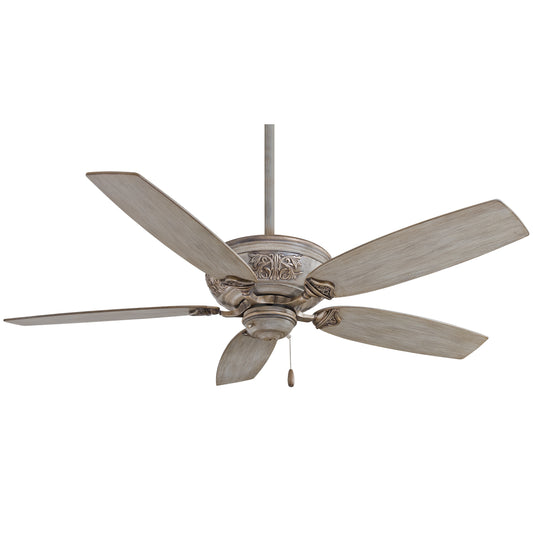
- Light and Airy Finishes: Think distressed whites, soft grays, and brushed nickel. These finishes look like they’ve been sun-bleached and worn by the sea, perfectly mimicking surfaces you’d find along the shore.
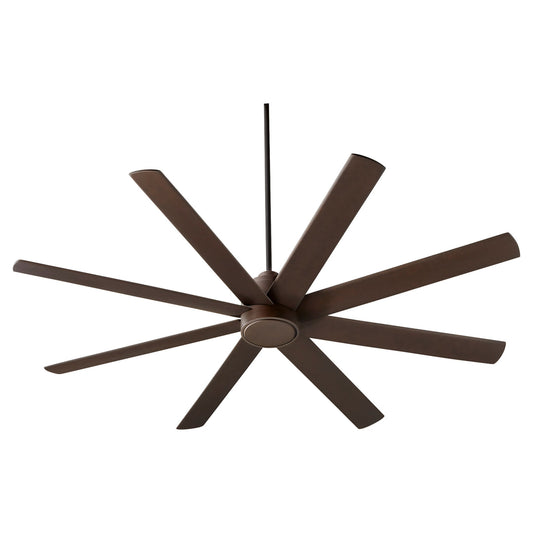
- Nautical Shapes: The blade designs themselves are often inspired by nature—wide, tropical palm leaves are a classic, as are the clean, sleek lines of a ship’s propeller.
A coastal ceiling fan is more than a summer essential; it’s a style statement that instantly makes a space feel breezier, more relaxed, and connected to the natural world.
Creating a Relaxing Atmosphere
At the end of the day, a coastal fan is all about enhancing the room’s vibe. Unlike minimalist or industrial fans that are designed to blend in and almost disappear, coastal models are meant to be seen. Their relaxed, often sculptural shapes draw your eye upward, adding a layer of visual interest that’s the perfect complement to light-colored furniture and breezy linen curtains.
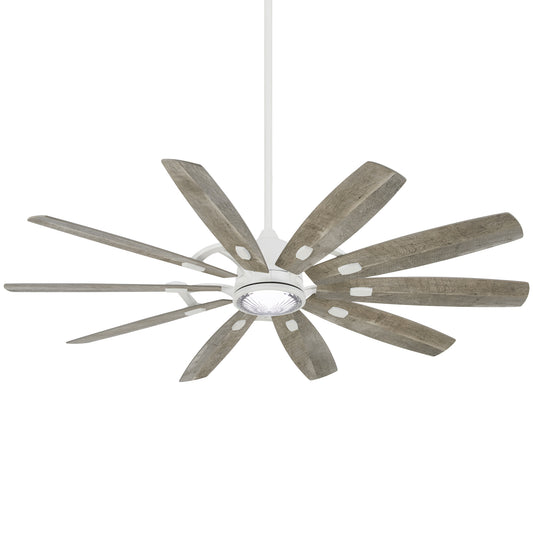
For instance, the Visual Comfort Maverick Smart 60" Fan, with a sale price starting from $819.99, has washed white oak blades that absolutely nail this look, making it a dream for a high-end beach house. This focus on fitting in with the decor is a huge part of modern fan design. If you're curious about what's popular right now, you can check out current ceiling fan design trends and see how coastal elements are showing up in today’s top styles.
The Anatomy of a Beach House Fan
So, what exactly gives a ceiling fan that breezy, beach house character? It’s not just one thing. Think of it like a perfect recipe—it’s the combination of specific materials, finishes, and blade shapes that all come together to capture that seaside feeling. Once you know what to look for, you can spot an authentic coastal fan from a mile away.

It all starts with a color and texture palette pulled straight from nature. These fans lean heavily on organic textures and finishes that look like they’ve been kissed by the sun and sea, instantly making a room feel more relaxed and inviting.
From Weathered Woods to Nautical Metals
The materials and finishes are where a coastal fan really shows its true colors. For indoor spaces, designers love to use natural materials that bring an earthy, touchable quality into the room.
- Natural Woods: Blades made from light-colored or weathered woods are a signature of the style. Think white oak, driftwood, or even bamboo. They give off a sun-bleached, laid-back vibe that feels connected to the outdoors.
- Woven Textures: Rattan and wicker-style blades add a touch of bohemian charm, which is perfect if you’re aiming for a relaxed, tropical retreat. These textures bring a lot of depth and visual interest.
- Durable Composites: For covered patios or lanais where humidity is a factor, manufacturers use tough, all-weather composite materials that are finished to look just like natural wood. You get that authentic coastal aesthetic without having to worry about warping or damage from the elements.
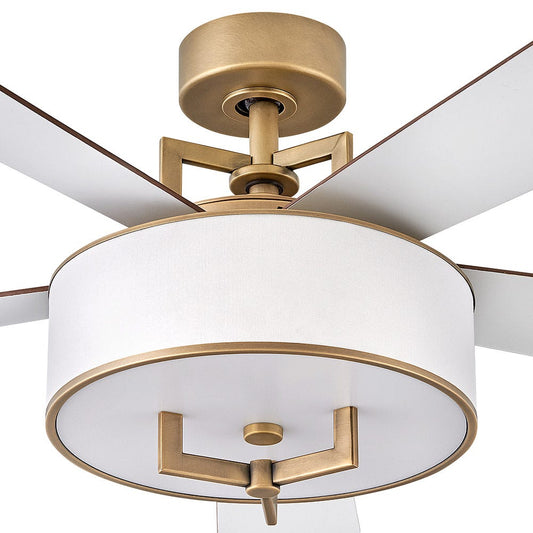
But it’s not just about the blades. The finish on the motor housing is just as important. You’ll see a lot of matte white, distressed white, or soft grays that melt right into light, airy interiors. For a hint of nautical flair, look for finishes like brushed nickel or aged bronze—they call to mind the classic hardware on a sailboat, adding a refined, maritime touch.
A true coastal style ceiling fan feels like it has a story. Whether it’s the driftwood finish or the subtle glint of bronze, each element works together to create an authentic, lived-in feel.
Blade Shapes That Define the Breeze
The shape of the blades is where a coastal fan’s personality really shines. It’s not just for looks, either; the design can influence the character of the airflow. While performance is a whole other topic you can dive into with our guide to fan blade count and efficiency, the visual impact is immediate.
There are two main styles you’ll see in the coastal world:
- Tropical Leaf Blades: These are the iconic, wide, paddle-like blades that look like palm or banana leaves. The Fan Connection Andros Collection, with a sale price starting at $569.95, is a perfect example of this. They make a bold, resort-style statement and are fantastic for creating a dramatic focal point in a living room or a room with vaulted ceilings.
- Sleek, Modern Blades: For a more contemporary take on coastal, many fans feature 3 to 5 clean, straight blades with elegantly curved tips. Models like the Visual Comfort Maverick Smart 60" Fan (from $819.99) have a sophisticated, minimalist profile that fits right in with modern coastal decor without being overpowering.
By playing with these different materials, finishes, and blade shapes, you can find a coastal style fan that perfectly bottles up that relaxed, breezy spirit of the shore and brings it right into your home.
How to Choose the Right Fan for Your Space
Picking out the perfect coastal ceiling fan is about so much more than just finding a pretty fixture. If you want to truly nail that breezy, seaside vibe and make sure your investment holds up, you've got to match the fan's technical specs to your specific room. This is your guide to decoding the jargon and making a smart choice for performance, longevity, and style.
Think of it like choosing the right boat for the water. You wouldn't take a small lake boat into the open ocean, and you definitely shouldn't put a standard indoor fan on a humid, salt-sprayed porch. Getting this part right is absolutely key.
Understanding UL Ratings: Dry, Damp, and Wet
The single most critical factor for a coastal fan—especially for porches, patios, and lanais—is its UL (Underwriters Laboratories) rating. This rating tells you exactly what kind of environment the fan is built to handle. Ignoring it is a recipe for rusty hardware, warped blades, and even serious electrical hazards.
Here’s the simple breakdown:
- Dry-Rated: These fans are strictly for indoor use only. Think bedrooms, living rooms, and dining areas where they'll never be exposed to moisture or high humidity.
- Damp-Rated: This is the sweet spot for many coastal homes. They're perfect for covered outdoor areas like screened-in porches, sunrooms, or even steamy bathrooms. They are built to handle moisture in the air but can't be hit directly with rain.
- Wet-Rated: These are the heavy-duty champions built for the great outdoors. Made with completely waterproof motor housings and all-weather blades, they can handle direct exposure to rain, snow, and salty sea spray. They're the only real choice for pergolas, gazebos, or uncovered patios.
Choosing the correct UL rating is essential for safety and making sure your fan lasts. A great example of a versatile, damp-rated model is the Visual Comfort Breeze 52" Fan, which has a sale price starting at $329.99 and works beautifully on a covered porch.
Don’t just guess—always check the UL rating before you buy. Using a Dry-Rated fan in a damp space not only voids the warranty but is also a serious safety risk.
Choosing the correct UL rating is essential for safety and longevity. This table breaks down where to use Dry, Damp, and Wet-rated fans in a coastal-themed home.
UL Rating Guide for Coastal Homes
| UL Rating | Ideal Location | Environment | Example Product |
|---|---|---|---|
| Dry-Rated | Bedrooms, living rooms, dining rooms, hallways. | Completely protected from moisture and humidity. | Emerson Tilo (Sale Price: $399.95) |
| Damp-Rated | Covered porches, screened-in patios, bathrooms. | Humid, but no direct contact with rain or water. | Visual Comfort Breeze (Sale Price: $329.99) |
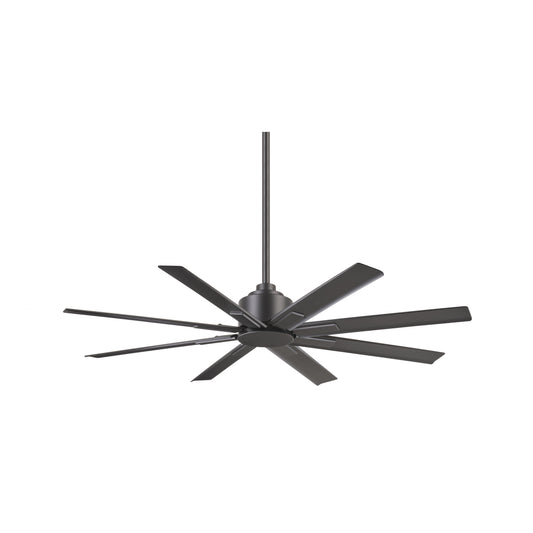
| Wet-Rated | Pergolas, gazebos, uncovered decks, lanais. | Exposed to rain, snow, and ocean spray. | Minka-Aire Xtreme H2O (Sale Price: $499.95) |
Using this guide ensures your fan not only looks great but also performs safely for years to come, no matter where you install it.
Finding the Perfect Size and Airflow
Once you know the UL rating you need, it's time to talk size. A fan that’s too small for a large room will look a little silly and, more importantly, won’t move enough air. On the flip side, a massive fan in a tiny room can feel like a wind tunnel. The goal is to create a gentle, consistent breeze that cools the whole space.
The main measurement here is blade span—the full diameter of the fan from one blade tip to the opposite tip. While there are detailed charts to help, a good rule of thumb is to match the span to your room's square footage. For a much deeper dive, check out our complete guide on choosing the right ceiling fan size for maximum efficiency. This ensures you get that perfect, cooling effect without compromise.
DC Motors and Modern Controls
The motor is the heart of your fan. You'll notice that modern coastal fans increasingly feature DC (Direct Current) motors, and there's a good reason for it. They are practically whisper-quiet and can be up to 70% more energy-efficient than older, traditional AC motors. This focus on efficiency is a huge driver in the market as more homeowners look to create stylish and sustainable outdoor living spaces.
In fact, the global push for patio perfection is booming. The outdoor LED ceiling fan market—which often features coastal designs—is projected to hit $2 billion by 2025. This trend really highlights a strong desire for both great aesthetics and solid performance.
Finally, think about how you'll control your fan. A simple wall switch certainly works, but many premium models now come with remote controls that offer multiple speeds, a reversible direction for winter use, and integrated light dimming. Even better, smart fans like the Visual Comfort Maverick can connect right to your phone or smart home system for the ultimate convenience.
Styling Your Fan for Maximum Impact
Let's be honest, your coastal fan is way more than just an appliance. It's a design statement that can totally transform a room. But getting that perfect, professionally designed vibe is about more than just picking a fan you like—it’s about how it fits into your space. With a little bit of planning, that fan can become the stunning centerpiece that ties your whole coastal theme together.
Think of your fan as the anchor for the room's atmosphere. The right placement and styling can turn a simple bedroom into a quiet escape or add a dramatic touch to a living room with high ceilings. It’s all about creating a cohesive look that feels intentional and beautifully put-together.
Building a Cohesive Coastal Palette
To really make your fan pop, you need to surround it with the right textures and colors. A true coastal look is built on a foundation of light, natural, and airy elements. The goal is to create a layered look that feels effortless and comfortable, just like a day at the beach.
Start by coordinating your fan with other decor in the room:
- Breezy Window Treatments: Pair your fan with light linen or sheer cotton curtains that can billow in the breeze. This little detail really amps up the feeling of airiness and movement.
- Natural Fiber Rugs: A jute, sisal, or seagrass rug underfoot adds that essential texture that grounds the space and plays off the organic materials in many coastal fans.
- Light-Toned Furniture: Furniture in shades of white, sand, or light gray creates a bright, open backdrop that lets your fan stand out without overwhelming the room.
When you're thinking about how your fan adds to the overall atmosphere, it helps to understand a bit about lighting in general. You can explore some fantastic dining room lighting ideas to create the perfect ambiance to see how different fixtures can work together to set a specific mood.
Room-by-Room Styling Inspiration
Different spaces call for different styling strategies. A large-format fan like the Artemis XL5, with its impressive $1,179.95 sale price, is perfect for making a bold statement in a living room with vaulted ceilings. Its grand scale naturally draws the eye upward, creating a sense of drama and spaciousness.
In a master bedroom, a more subtle model like the versatile Visual Comfort Breeze (with a sale price from $329.99) helps create a serene and restful environment. Paired with soft bedding and some ocean-inspired art, it completes the feeling of a private seaside escape. And if your fan has those great leaf-shaped blades, you can find more styling tips in our guide to palm ceiling fans.
This flowchart is a great way to visualize how to pick the right fan rating for any space in your home, from cozy indoor rooms to exposed outdoor areas.

The key takeaway here is pretty simple: your location—whether it's fully indoors, on a covered porch, or totally exposed—is the most critical first step. It immediately helps you narrow down your fan options.
By thoughtfully pairing your fan with its surroundings and choosing a model that fits the scale and function of the room, you can make sure it delivers both maximum visual impact and perfect coastal comfort.
Premium Picks for an Elevated Coastal Look
There comes a point in designing a space where you realize that the little details aren't so little after all. If you believe thoughtful design is what truly transforms a house into a home, then investing in a premium coastal fan is a natural next step.
These fans are more than just air movers; they're functional sculptures designed to be the centerpiece of your coastal-inspired space. For those ready to elevate their look, we're spotlighting a few standout models that blend superior craftsmanship with timeless style. Think of this as graduating to the next level of design, with sale prices starting well over $300.
What makes these higher-end coastal fans worth the investment? It all comes down to a serious commitment to quality materials and advanced technology. You’ll find blades crafted from solid, beautifully finished woods and motor housings made from marine-grade stainless steel that stands up to corrosion. This is where you find the pinnacle of both form and function, ensuring years of quiet, reliable performance.
Investment-Worthy Features
Upgrading to a premium fan means you get more than just a beautiful fixture. You're gaining access to features that genuinely improve your comfort and daily life.
- Ultra-Efficient DC Motors: Many top-tier models come standard with DC motors. They're whisper-quiet and use significantly less energy than their AC counterparts—a smart, long-term choice for both your wallet and the environment.
- Smart Home Integration: Imagine adjusting your fan speed with a simple voice command. Premium fans often sync with smart home systems, letting you control them from your phone or smart speaker for ultimate, effortless comfort.
- Superior Craftsmanship: From hand-carved wooden blades to precision-engineered components, the attention to detail is something you can see and feel. This level of quality ensures a balanced, wobble-free operation for a lifetime.
Spotlight on Sculptural and Powerful Designs
Two collections that perfectly capture this elevated coastal look are the sculptural Artemis IV and the powerfully elegant Andros. The Artemis IV almost looks like a piece of art for your ceiling, with its flowing, organic blade design that blends modern aesthetics with a natural feel.
On the other hand, the Fan Connection Andros Collection (with a sale price from $569.95) makes a confident, resort-style statement. Its bold, tropical-leaf-shaped blades are perfect for making an impact in great rooms or on covered lanais. Choosing a fan like this isn't just a purchase; it’s an integral part of your home's design story. For more guidance on finding the right fit for your needs, our comprehensive ceiling fan buying guide offers some great insights.
This demand for stylish, high-performing fans is part of a larger trend. The global ceiling fans market is projected to grow from $10.72 billion to $12.61 billion by 2030, with decorative models like these coastal fans leading the charge. In warmer climates, larger fans with 56-60 inch blade spans are especially popular for their ability to efficiently circulate air and cut down on energy bills. And as smart tech becomes more common, online sales for these advanced models are soaring.
Your Coastal Fan Questions Answered
Alright, you've found a few coastal fans you love, but some of the finer details are still a bit hazy. You're not alone. Sorting through fan specs can feel like learning a whole new language, but we're here to clear things up.
Think of this as your final Q&A before making a decision. We'll walk through the most common questions we hear from homeowners and designers, so you can choose a fan that not only looks incredible but also works perfectly for your space.
Can I Use a Coastal Fan in a Non-Beach House?
Absolutely! While they’re a perfect match for seaside homes, the light, airy, and relaxed feeling of coastal design is incredibly versatile. It’s all about creating a sense of calm and comfort, and who doesn't want that?
- Modern Farmhouse: Imagine a fan with weathered oak or distressed white blades. It adds just the right touch of rustic charm to complement shiplap walls and natural textures.
- Bohemian Decor: Models featuring rattan or woven blades are a fantastic way to enhance the eclectic, free-spirited vibe of a boho-chic space.
- Contemporary & Minimalist: A sleek, 3-blade coastal fan in a simple white finish can introduce a subtle, organic texture to a clean, modern apartment without cluttering the look.
The real magic of coastal fans is how they celebrate natural forms and materials. They're a brilliant way to bring a piece of the outdoors inside, no matter your zip code.
What Is the Difference Between Damp and Wet-Rated Fans?
This is a huge one, and it’s critical for both the safety and longevity of your fan—especially if you're planning an outdoor installation. The UL (Underwriters Laboratories) rating tells you exactly what kind of environment a fan is built to handle.
A Damp-Rated fan is engineered for humidity and moisture, but it can't be directly exposed to rain. This makes it the ideal choice for covered porches, screened-in patios, sunrooms, and even steamy indoor areas like a large bathroom.
A Wet-Rated fan, on the other hand, is built to take on the elements head-on. It has a waterproof motor housing and all-weather blades designed to endure rain, snow, and salty air. These are the only fans you should consider for completely exposed areas like pergolas, gazebos, or uncovered decks. A great example of a wet-rated powerhouse is the Minka-Aire Xtreme H2O, which has a sale price starting at $499.95 and is built to last outdoors.
Choosing the right UL rating is non-negotiable. Using an indoor fan outside not only voids the warranty but creates a serious safety hazard. At Fan and Lights, you can easily filter by rating to find the perfect fan for any location.
Does the Number of Fan Blades Affect Airflow?
It’s a common myth that more blades automatically mean more airflow, but the reality is a bit more complex. The blade count is primarily an aesthetic choice that also has some effect on how the motor operates.
A fan's real performance comes down to two other things: blade pitch (the angle of the blades) and the power of the motor. A well-designed 3-blade fan can move air just as effectively—or even more so—than a 5-blade fan.
- 3-Blade Fans: Often have a more modern look and can be very efficient movers of air.
- 5-Blade Fans: Offer that classic, traditional, and balanced appearance many people love.
- 6+ Blade Fans: These tend to create a gentler, more continuous breeze with less audible "whooshing," resulting in subtle, quiet circulation.
The takeaway? Pick the number of blades that fits your room's style first. Then, look at the motor specs and the CFM (Cubic Feet per Minute) rating to understand its true performance.
At Fan and Lights, we believe finding the right fan should be a breeze. Explore our curated Tropical Collection to discover a wide range of premium coastal style ceiling fans that deliver both stunning looks and exceptional performance.


