











What Is a Flush Mount Ceiling Fan? The Ultimate Guide for Low Ceilings
If you've ever walked into a room and felt like the ceiling was just a bit too close for comfort, you already know the dilemma of picking fixtures. Trying to install a standard ceiling fan in a space with ceilings under eight feet isn't just a design headache; it's a safety hazard. This is exactly where the flush mount ceiling fan, the unsung hero of compact spaces, comes in to save the day. Let's dive in and have some fun exploring this clever solution!
Unpacking the Flush Mount Ceiling Fan
So, what exactly is a flush mount ceiling fan? You'll often hear them called hugger or low-profile fans, and that nickname says it all. These fans are specifically designed to mount directly against the ceiling, literally "hugging" the surface.
This clever design gets rid of the downrod—that metal pipe you see on standard fans—which makes them the go-to solution for rooms where every inch of height matters. You get that wonderful breeze without having to duck every time you walk under it. It’s a win-win for comfort and safety.
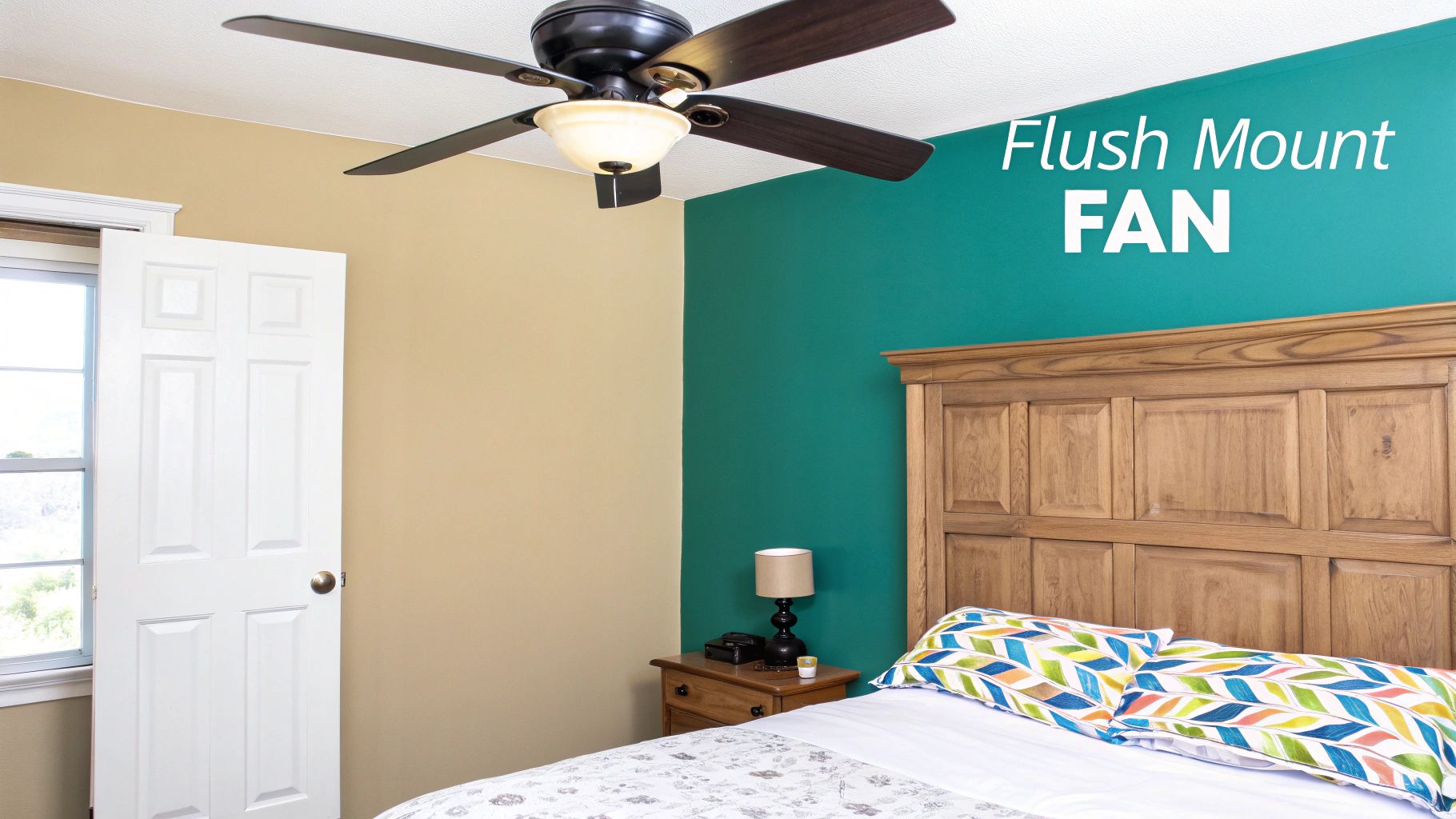
Think of it this way: a standard fan is like a dramatic pendant light, hanging down and claiming a chunk of vertical space. A flush mount fan, on the other hand, is more like a sleek recessed light. It sits snug against the ceiling, feeling like an integrated part of the room rather than something dangling in it.
The Core Design Difference
The real magic is in how it's built. Instead of a separate canopy, downrod, and motor housing, a hugger fan packs it all into one compact, stylish unit. The mounting bracket bolts right onto the ceiling's electrical box, and the fan’s motor housing attaches directly to that bracket. It's a marvel of space-saving engineering.
The whole point of a flush mount fan is to maximize the distance between the fan blades and the floor. For rooms where vertical space is at a premium, this isn't a "nice-to-have"—it's an absolute must.
This direct-to-ceiling approach gives it a clean, unobtrusive look that’s a perfect fit for:
- Bedrooms with standard 8-foot ceilings
- Finished basements or cozy attic conversions
- Hallways and smaller home offices
- Any room where you want airflow without a low-hanging fixture
Flush Mount vs. Standard Fan: A Quick Comparison
To see the differences side-by-side, here’s a quick breakdown:
| Feature | Flush Mount (Hugger) Fan | Standard Downrod Fan |
|---|---|---|
| Best For | Ceilings under 8 feet | Ceilings 8 feet and higher |
| Mounting | Directly to the ceiling | Hangs from a downrod |
| Airflow | Good, but closer to the ceiling | Often more powerful due to blade distance |
| Appearance | Low-profile, integrated look | More of a statement fixture |
While standard fans can move a bit more air since they hang lower, modern hugger fans have come a long way. You don't have to sacrifice performance for a space-saving design anymore, especially when you invest in quality.
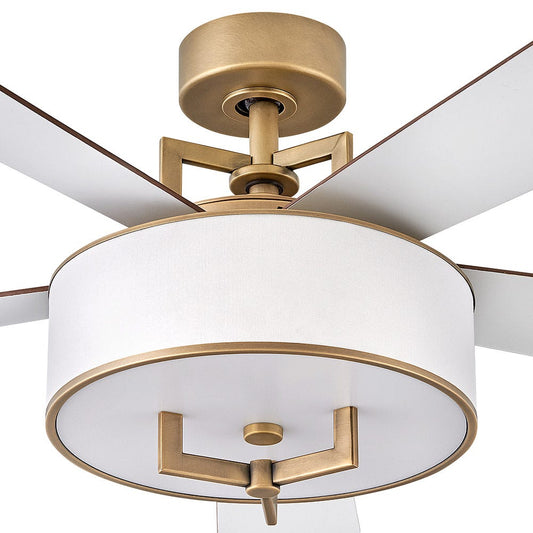
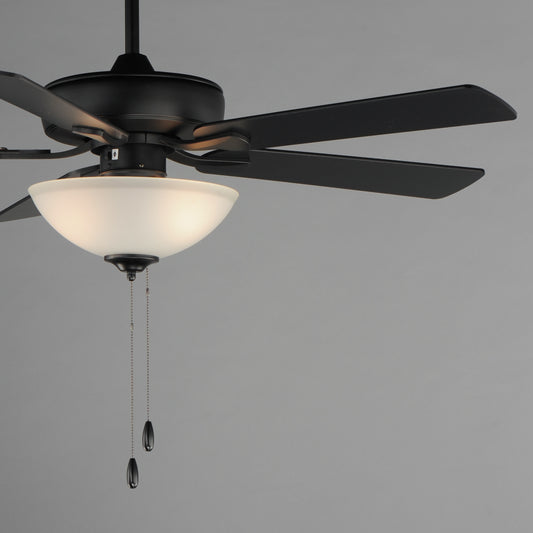
For instance, premium models like this simple flush mount fan with a light (priced at $399) deliver powerful airflow with a sleek aesthetic. It's proof that even in a compact space, you don't have to choose between function and high-end style.
The Real Pros and Cons of Hugger Fans
When you're picking a hugger fan, you’re basically making a trade-off: you get to save space, but you might sacrifice a bit of airflow. It’s a classic give-and-take, and knowing both sides of the story is key to choosing a fan that actually works for your room.
Let's start with the good stuff. The upsides are pretty clear right away, especially if you’re dealing with low ceilings.
The Clear Advantages
The biggest win here is safety and headroom. By sitting right up against the ceiling, a flush mount fan gets rid of any worries about a low-hanging fixture. This makes it the go-to choice for rooms with ceilings under eight feet tall. You get peace of mind and don't have to duck every time you walk under it.
But it’s not just about function. These fans have a sleek, unobtrusive look that’s perfect for modern homes. A hugger fan just melts into the ceiling, giving you a clean, minimalist vibe that doesn’t scream for attention. It lets your other decor be the star of the show.
The Performance Trade-Off
Of course, every design has its compromises. For hugger fans, the main drawback is that they don’t move as much air. Because the blades are so close to the ceiling, they can’t pull in as much air from above to push down into the room.
This closeness to the ceiling is why a hugger fan will almost always have a lower CFM (Cubic Feet per Minute) rating than a standard downrod fan of the same size. It’s just physics.
Now, this doesn't mean they're useless. Not at all. They’re still great at circulating air and creating a comfortable breeze, especially in smaller spaces like bedrooms, home offices, or hallways. Plus, any ceiling fan helps take the pressure off your air conditioner. You can learn more about the energy efficiency of ceiling fans in our guide.
It’s no surprise that these fans are getting more and more popular, particularly in cities where every square foot counts. In fact, the market for flush mount ceiling fans was valued at USD 2.5 billion and is expected to nearly double by 2033. It just goes to show how many people are looking for these clever, space-saving solutions. You can discover more insights about this growing market trend.
Where Flush Mount Fans Make the Most Sense
So, when is a flush mount fan not just a nice-to-have, but an absolute must? The golden rule all comes down to ceiling height. If your ceiling is under 8 feet tall, a hugger fan is pretty much the only safe and practical way to go. In those tighter spaces, a standard fan hanging from a downrod would quickly become a head-bumping hazard for anyone walking underneath.
These low-profile champions are designed for specific spots around the house where every inch of headroom counts. Think about those cozy, lived-in areas where you want comfort without compromise.
Ideal Rooms for Hugger Fans
- Bedrooms: A classic use case, especially in older homes or modern apartments where 8-foot ceilings are the standard.
- Finished Basements: These entertainment hubs and game rooms often have lower ceilings, making a flush mount the perfect fit for movie nights and hangouts.
- Compact Home Offices: A hugger fan keeps the air moving without making a small, focused workspace feel even more cramped.
- Narrow Hallways: You can maintain a clear, open, and safe walkway by keeping the fixture tucked tightly against the ceiling.
Basically, if you can stand flat on your feet and easily touch the ceiling, a flush mount fan is going to be your best friend. It’s the smart, strategic choice for ensuring comfort without giving up precious vertical space.
This simple decision tree can help you figure out if a hugger fan is the right call for your room.

The main takeaway here is pretty clear: ceiling height is the number one thing to consider. While rooms over 8 feet give you a lot more wiggle room, anything less points directly to a flush mount. If you’re lucky enough to have higher ceilings and are looking at other options, our guide on choosing the right downrod for fan installation can walk you through the alternatives.
Choosing a High-End Flush Mount Fan That Wows
Forget the clunky, utilitarian models you remember from the past. Today’s high-end flush mount fans are true marvels of design and engineering, transforming a functional appliance into a statement piece for your home.
When you invest in a premium model—typically priced at $300 or more—you aren’t just buying something to move air. You’re upgrading your entire living experience with a fixture that blends comfort, style, and convenience into one sleek package. These aren't your grandma's ceiling fans; they are sophisticated pieces of home technology.
What Defines a Luxury Flush Mount Fan
The real difference between a standard fan and a high-end model is all in the details. It starts with the motor. Premium flush mount fans often feature advanced DC motors, which are worlds apart from their old-school AC counterparts. They're significantly quieter and far more energy-efficient, giving you a powerful breeze without that annoying hum—perfect for bedrooms or quiet living spaces.
The lighting is another huge upgrade. Instead of clunky, outdated light kits, luxury models have stunning, fully integrated LED systems. These aren't just for seeing in the dark; they often come with adjustable color temperatures. That means you can switch from a cool, bright light for tasks to a warm, ambient glow for relaxing in the evening. Most are also fully dimmable, giving you total control over the room's mood.
A high-end flush mount fan isn't just an appliance; it's a piece of smart decor. It should blend seamlessly with your ceiling while offering features that make your life easier and more comfortable.
Smart Technology and Seamless Integration
The biggest leap forward in modern fan design is, without a doubt, smart home integration. A premium fan today does so much more than respond to a pull chain. Top-tier models connect directly to your home's Wi-Fi, putting control right in your hands through a dedicated app or your favorite voice assistant.
Imagine telling your fan to change its speed, reverse direction for the winter, or dim the lights—all without getting up from the couch. This level of control isn't a novelty anymore; it's becoming a standard expectation for homeowners who appreciate modern convenience.
This smart shift is reshaping the entire industry. The total ceiling fan market recently hit USD 14.6 billion, with a projected growth rate of 8.1% annually through 2035. Smart, energy-efficient flush mount models are a huge driver of this trend, as more homeowners demand connected solutions. You can learn more about these market findings.
When you’re ready to choose a fan, look beyond just the CFM rating and think about the whole package.
- Motor Type: Make a quiet, efficient DC motor a top priority.
- Lighting: Look for integrated, dimmable LED lights with adjustable color temperatures.
- Controls: Ensure it offers a remote, an app, or voice control for ultimate convenience.
- Materials & Finish: Premium finishes like matte black, brushed brass, or sustainable wood can add a real touch of elegance.
By focusing on these key elements, you'll find a sophisticated fan that not only looks great but delivers an exceptional experience for years to come.
Getting Your New Fan Installed
While a flush mount fan skips the downrod assembly, that doesn't mean you can rush the installation. A safe, secure setup is the secret to a fan that runs wobble-free and whisper-quiet for years. Getting this part right from the start is non-negotiable.
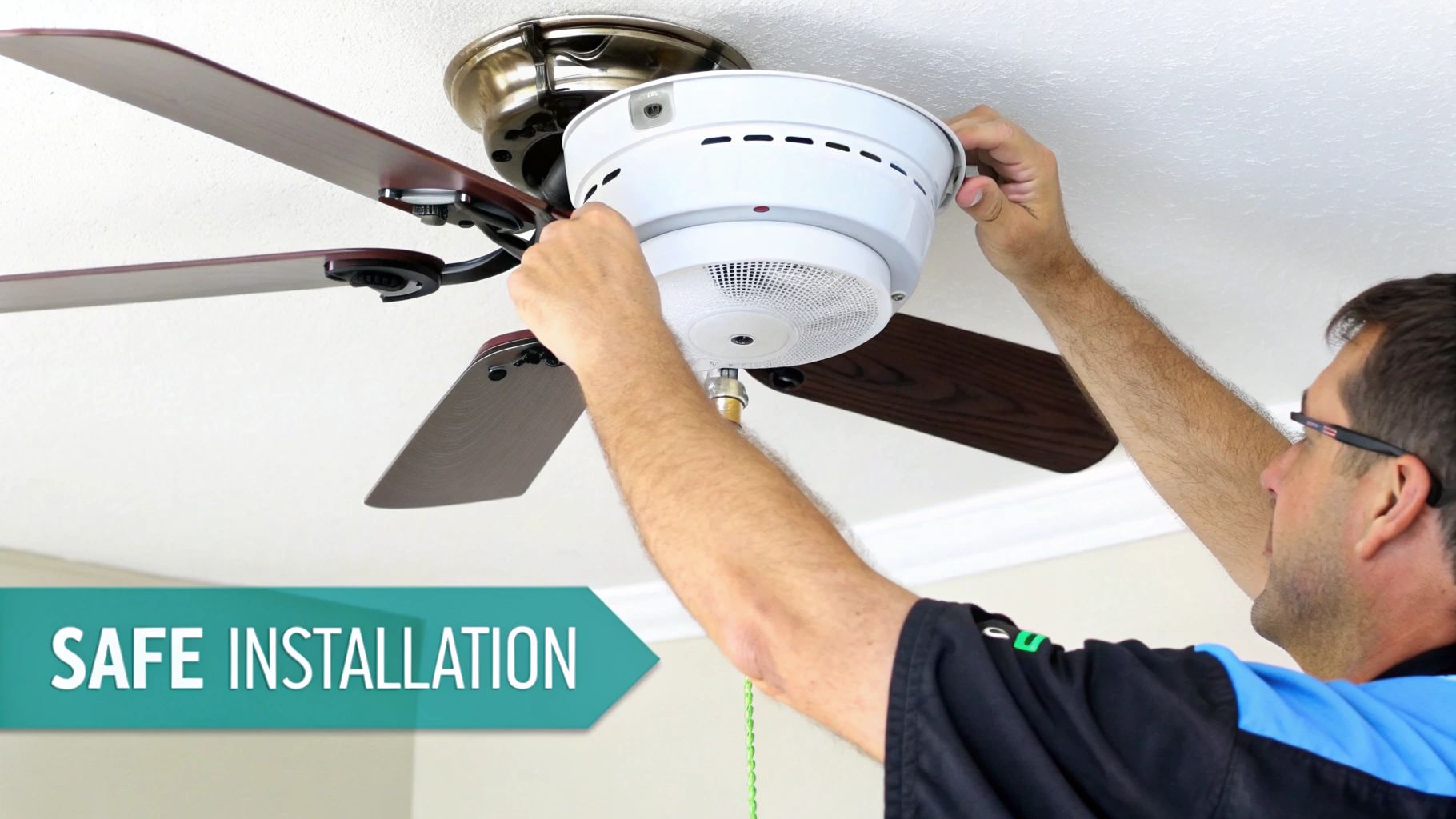
Before you do anything else, a quick safety check is in order. First, you absolutely must make sure the electrical box in your ceiling is fan-rated. Your standard light fixture box just isn't built to handle the weight and motion of a spinning fan. Second, and this is a big one, always kill the power at the circuit breaker before you even think about touching a wire.
Key Installation Steps
The whole process starts with securely attaching the fan's mounting bracket directly to that fan-rated electrical box. This creates the solid foundation for the rest of the fan. From there, it's a matter of wiring the fan into your home's system, attaching the motor housing to the bracket, and finally, putting on the blades and any light kits.
Interestingly, while more and more people are buying low-profile fans online, customer feedback often flags tricky assembly as a real pain point—with 18.2% of Semi Flush Mount models getting complaints. Smart manufacturers are listening, though, and many are now designing their fans with easier-to-assemble parts and pre-built kits. You can read more about these ceiling fan trends to see what else is changing.
When to Call in a Pro
Plenty of homeowners can handle this as a weekend project, but there are definitely times when it’s smarter to call a licensed electrician. Don't hesitate if you run into any of these situations:
- Old Wiring: If the wiring in the box looks frayed, brittle, or just plain ancient.
- Uneven Ceilings: If your ceiling isn't perfectly flat, which can make a secure mount tricky.
- No Fan-Rated Box: If you discover the box isn't fan-rated, you'll need a pro to swap it out safely.
Whether you're a seasoned DIYer or hiring it out, setting realistic expectations is the best way to ensure a smooth installation.
Common Questions About Flush Mount Fans
Alright, let's wrap things up by tackling a few of the most common questions we hear about flush mount fans. Think of this as a quick-fire round to clear up any last-minute uncertainties and help you feel totally confident in your choice. From tricky installation spots to design options, here’s the inside scoop.
Can I Install a Flush Mount Fan on a Sloped Ceiling?
Generally, that’s a no. A flush mount fan is built specifically for a flat ceiling, since its base needs to sit completely flush against the surface to be stable and safe. If you tried to mount one on an angled ceiling, it would hang crooked, leading to a nasty wobble and a serious safety risk.
For sloped ceilings, you’ll want to stick with a standard fan that uses a downrod paired with a special angled mounting kit.
Do Hugger Fans Really Move Less Air?
Yes, this is the main performance trade-off you make. Because the blades are positioned so close to the ceiling, there's just less vertical space for them to pull air from. It’s a simple matter of physics.
This limitation usually means a lower CFM (Cubic Feet per Minute) rating compared to a downrod fan of the same size. That said, they’re still more than effective for circulating air in small to medium-sized rooms like bedrooms, home offices, or hallways.
Are Stylish and Modern Flush Mount Fans Available?
Absolutely! The days of boring, clunky hugger fans are long gone. The market is now full of high-end, designer-approved options that can easily become a stylish focal point in your room.
You can find sleek, minimalist designs that practically disappear into a white ceiling, or you can go for a bold statement piece that adds a touch of drama.
Interior designers often recommend choosing a fan that matches your ceiling color to create a clean, unobtrusive look. For a white ceiling, a matte white fan will virtually disappear, allowing other design elements to shine.
Premium models come in stunning finishes like matte black, brushed brass, and polished nickel, often paired with integrated LED lighting and unique blade shapes. These designs prove you don't have to sacrifice style for function, even when you're working with a low ceiling.
Ready to find a fan that combines sleek design with powerful performance? Fan Connection offers a curated collection of premium flush mount fans that elevate any space. Explore our collection and discover the perfect fit for your home at https://www.fanandlights.com.


