











Best Ceiling Fans for Home: Ultimate Buying Guide
You’re probably standing in a room that almost works.
Maybe the living room looks polished, but the air feels still by late afternoon. Maybe the bedroom is beautiful, yet it never feels quite comfortable when you’re trying to fall asleep. Or maybe you’ve looked up at an old builder-grade fan and thought, “This thing cools the room, but it doesn’t do my home any favors.”
That’s where the best ceiling fans for home usually begins. Not with a love of specs, but with a feeling that a room needs better comfort, better flow, and a fixture that belongs with the rest of the design.
Beyond a Breeze The Modern Ceiling Fan
A ceiling fan used to be treated like a background appliance. It spun, it rattled a little, and nobody talked about it unless it stopped working. That view is badly outdated.
Today, a ceiling fan can anchor a room the same way a chandelier, pendant, or statement sofa can. In some spaces, it does even more because it changes how the room feels every single day. A well-chosen fan makes a room look finished, helps air move where people spend their time, and gives you control over comfort across the seasons.
That shift didn’t happen overnight. The modern ceiling fan traces back to Philip Diehl in 1882, and the category has grown into a market valued at over $10 billion annually by 2025, with U.S. residential installations rising 12% year over year, according to Consumer Reports’ ceiling fan coverage. That growth makes sense. People want fixtures that do more than one job well.
A good fan doesn’t just stir the air. It changes the mood of the room.
Think about a warm family room with afternoon sun. Add a sculptural model like an Artemis IV and the room suddenly has movement, shape, and purpose. In a larger open-plan space, something bold like an Aviation fan can act like architectural jewelry while still making the room feel easier to live in. On a covered patio, a Cabana style brings that relaxed resort look that turns a basic outdoor area into a place people want to stay.
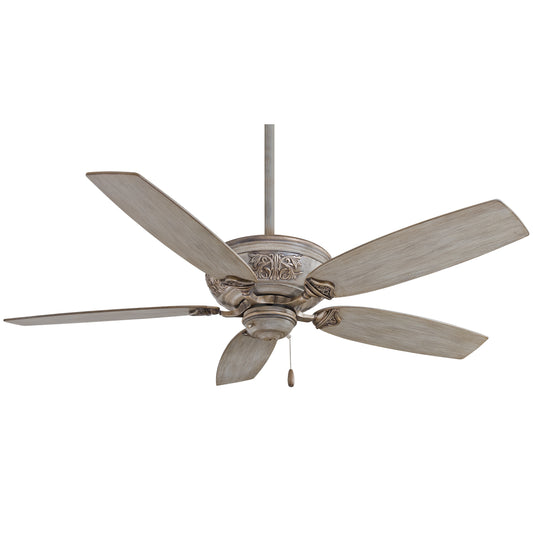
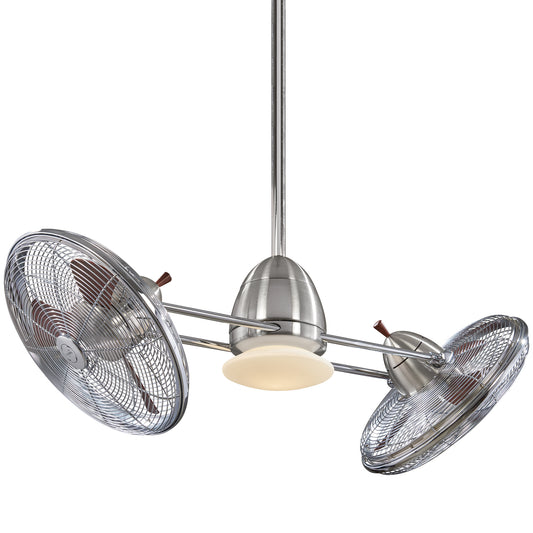
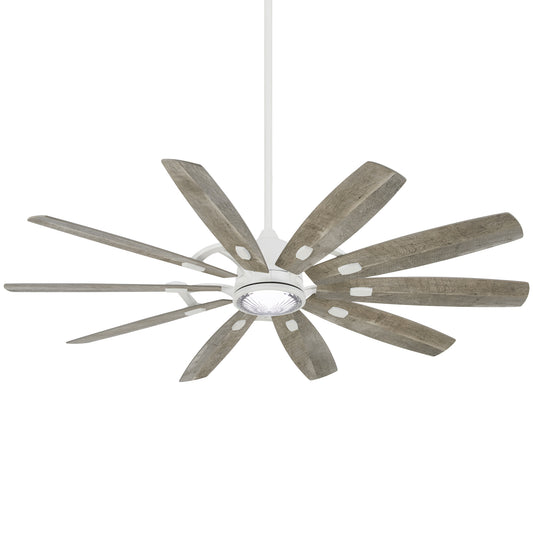
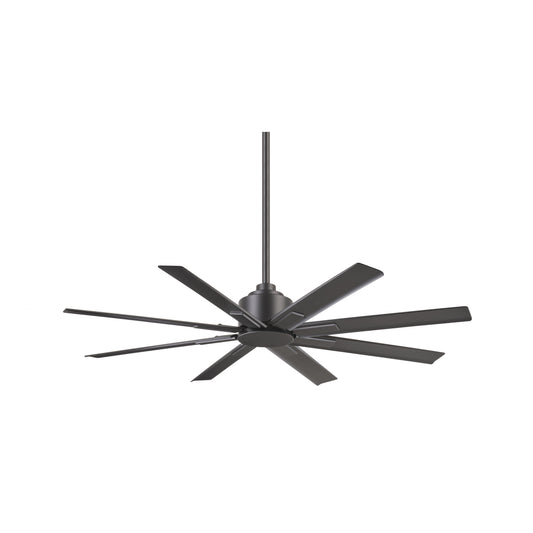
Modern fans also look cleaner than the clunky versions many of us grew up with. You’ll find sleek 3-blade silhouettes, warm wood finishes, tropical palm-leaf forms, and large-span statement models that feel intentional instead of purely practical.
Why homeowners see fans differently now
Some people start shopping because they want relief from a stuffy room. Others start because the ceiling feels empty. The best choice solves both problems at once.
A fan can:
- Improve comfort daily: Better air movement makes rooms feel more livable.
- Support your design style: Blade shape, finish, and motor housing all affect the visual weight of the fixture.
- Work year-round: Many models reverse direction, so they help in both warm and cool seasons.
That’s why the best ceiling fans for home aren’t just “good fans.” They’re part comfort tool, part design decision, and part long-term upgrade.
Find Your Perfect Fit Fan Sizing and Placement
The most common mistake is picking a fan by looks before checking the room size.
That’s understandable. The finish catches your eye first. But sizing is what determines how well the fan works. Think of blade span like choosing the right size engine for a vehicle. Too small, and it struggles. Too large, and it feels inefficient and awkward for the job.

Start with the room, not the fan
Measure the room’s longest wall first. That gives you a practical starting point before you compare finishes or blade shapes.
Evidence-based guidelines recommend 48 to 56 inch blade spans for rooms with walls 12 to 18 feet apart, and 56 inches or more for rooms over 18 feet to maintain an optimal 100 to 150 feet per minute air speed, according to Home Depot’s ceiling fan sizing guide. The same guidance notes that an undersized fan can reduce effective airflow by up to 40% at the room’s perimeter.
That last point matters. If you’ve ever sat in a big room where the center feels fine but the corners feel stale, that’s often a sizing problem.
A simple sizing chart
| Room Size (Longest Wall) | Room Sq. Footage | Recommended Blade Span |
|---|---|---|
| Under 12 feet | Smaller rooms | 46 inches or less |
| 12 to 18 feet | Medium rooms | 48 to 56 inches |
| Over 18 feet | Large rooms | 56 inches or more |
If you want a deeper walkthrough before buying, this ceiling fan size guide helps translate room dimensions into a more confident choice.
Placement matters just as much as size
A perfectly sized fan can still perform poorly if it’s hung at the wrong height.
Blades should generally sit 7 to 9 feet above the floor. In most homes, that means a standard mount works for many ceilings, while higher ceilings often need a downrod to bring the fan into the effective airflow zone. If the fan sits too close to the ceiling, it can’t draw air efficiently. If it hangs too high in a tall room without enough drop, the breeze weakens before it reaches where people sit, sleep, and gather.
Practical rule: A fan should serve the people in the room, not just fill the ceiling visually.
How to measure without overthinking it
Use this quick process:
-
Measure the longest wall
That tells you which size range to start with. -
Note the room’s use
A bedroom, living room, office, and covered patio don’t all need the same feeling. Some spaces want a gentle, quiet wash of air. Others need stronger circulation. -
Check ceiling height
Decide whether you need flush mount, standard mount, or a downrod. -
Look for furniture layout
A fan should feel centered over the room’s activity area, not randomly placed because the junction box happened to be there.
What people often get wrong
A small fan in a large room often looks lost and works even worse. A giant fan in a compact room can dominate the ceiling and create a draft that feels fussy instead of comfortable.
That’s why showroom advice usually starts with dimensions before aesthetics. Once the fan is correctly sized and properly placed, the beautiful part gets easy. Then you can start deciding whether the room wants the sculptural profile of an Artemis IV, the aircraft-inspired drama of an Aviation, or the softer character of a Cabana style.
Understanding Fan Performance Airflow and Efficiency
Once the size is right, performance becomes the primary separator between a fan that merely spins and a fan that changes comfort.
Most shoppers see a beautiful fan and ask, “Will it move enough air?” That’s exactly the right question. The answer starts with CFM, or cubic feet per minute. Think of CFM like water flow from a showerhead. It tells you how much “stuff” is moving, not just whether something is technically on.

What CFM really tells you
A fan with weak airflow may look fantastic and still leave a room feeling flat. A stronger fan moves enough air that you notice the difference on your skin, which is what makes a space feel cooler and fresher.
Efficiency adds another layer. The key metric is CFM per watt, often written as cfm/w. It tells you how much air a fan moves for the electricity it uses. According to Lights Online’s guide to fan selection, high-end DC motor fans can exceed 190 CFM per watt. The same source explains that this level of efficiency can reduce reliance on air conditioning by 20 to 30% and make a room feel 4 to 6°F cooler through air movement.
That’s why two fans that look similar can perform very differently in daily life.
Why DC motors get so much attention
If the blades are the visible part of the fan, the motor is the heart of it. For premium home upgrades, DC motors are often the standout choice.
They’re popular because they tend to offer:
- Quieter operation: A big advantage in bedrooms, offices, and reading spaces.
- Better efficiency: More airflow from less energy use.
- More precise control: Many premium models offer a wider range of speeds, so you can fine-tune comfort instead of choosing between “too low” and “too much.”
That makes fans like the Aerovon, Alto, and Bola especially appealing when comfort is the priority and noise is a deal-breaker.
A high-performing fan shouldn’t announce itself. You should notice the comfort before you notice the machine.
AC versus DC in plain language
An AC motor fan can still work well. Many homeowners are perfectly happy with one, especially in rooms where the fan runs occasionally. But when shoppers compare premium models, DC often wins because it feels more refined in use.
Here’s the showroom version of the difference:
| Motor Type | What it feels like at home |
|---|---|
| AC motor | Familiar, straightforward, often a solid choice for general use |
| DC motor | Quieter, more adjustable, and usually better for people who care about energy use and low-noise comfort |
If you want a deeper look at how design and performance interact, this guide on fan blade count and fan efficiency is worth reading.
Why this matters in bedrooms
Performance specs can sound abstract until bedtime. Then they become very real.
A fan that moves air smoothly can help the room feel more comfortable without blasting you. If you’re trying to sleep cooler at night, steady airflow is one of the easiest comfort upgrades because it changes how the room feels, not just how it looks on paper.
That’s why bedroom shoppers often end up valuing quiet operation and controllable speed even more than dramatic styling. In a main living room, a fan can be sculpture. In a bedroom, it also has to behave.
What to look for on a product page
When comparing models, focus on three things first:
- Airflow rating: This tells you whether the fan can handle the room.
- Motor type: DC is often the premium pick for quieter, more flexible performance.
- Efficiency: Higher cfm/w means the fan is doing more with less.
A beautiful finish catches your eye. These three details decide whether the fan earns its place after installation.
Defining Your Style Blades Pitch and Materials
Style is where shopping gets fun.
This is the moment when a fan stops being a spec sheet and starts becoming part of your room’s personality. A ceiling fan can lean sculptural, coastal, rustic, industrial, or minimal. Much of that character comes from three details: blade count, blade pitch, and materials.

Three blades versus five blades
A 3-blade fan often feels clean, modern, and architectural. It’s a natural fit in spaces with sleek furniture, open layouts, and fewer decorative layers. Models like Artemis IV, Aviation, and Axis have that gallery-like presence. They don’t clutter the ceiling. They define it.
A 5-blade fan usually feels softer and more traditional, even when the design itself is contemporary. According to The How To Home’s discussion of top fan brands, 5-blade fans can provide up to 20% smoother airflow with less turbulence, which is especially appealing in bedrooms. The same source notes that noise affects sleep quality for 68% of users, which helps explain why many people prefer a gentler airflow feel where they rest.
A quick comparison
| Blade Count | Best for | Visual effect | Comfort feel |
|---|---|---|---|
| 3 blades | Modern living rooms, lofts, minimalist interiors | Sleek and sculptural | More performance-forward look |
| 5 blades | Bedrooms, family rooms, classic spaces | Fuller and more familiar | Smoother, gentler circulation |
| 6+ blades | Decorative or statement settings | Richer, more detailed ceiling presence | Style-led feel with strong visual impact |
For more inspiration on how current interiors are using fan shapes and finishes, browse these ceiling fan design trends.
What blade pitch means without the jargon
Blade pitch is the angle of the blade. If you think of a fan blade like a propeller, the pitch is what helps it “grab” air as it spins.
A blade with the right pitch moves air efficiently without making the motor work harder than necessary. That’s why pitch affects both comfort and sound. Too flat, and the fan may not move enough air effectively. Too aggressive, and it can create strain or unwanted noise if the rest of the fan isn’t designed well.
You don’t need to calculate pitch like an engineer. You just need to know it’s one of the reasons premium fans feel better in real rooms.
Some fans look light and graceful but still move air with authority. That’s usually the result of good blade geometry, not luck.
Materials change the whole mood
The same fan shape can read very differently depending on finish and blade material.
Consider these pairings:
- Wood-tone blades: Warm, inviting, and easy to use in organic modern, coastal, or transitional homes.
- Matte black or dark metal: Crisp, graphic, and strong in modern or industrial rooms.
- Palm or leaf-style blades: Relaxed and resort-like, perfect for tropical or casual outdoor settings.
- Distressed or rustic finishes: A natural fit for farmhouse, lodge, or barn-inspired interiors.
That’s where collections like Barn, Cabana, and Artiste start to shine. A Barn fan can bring texture to a room with beams, linen, and reclaimed wood. A Cabana fan instantly nudges a covered patio or sunroom toward vacation-house energy. An Artiste or Artemis XL5 model can hold its own in a designer living room where every object has been chosen with care.
The easiest way to decide
If you’re torn between styles, ask one question: should the fan disappear or make a statement?
Choose a cleaner 3-blade silhouette if you want the room to feel edited and modern. Choose a fuller 5-blade look if you want a softer presence and a more traditional sense of balance. Choose tropical or rustic materials when the room needs personality from the ceiling down.
The best ceiling fans for home don’t just match the sofa. They complete the room’s point of view.
The Perfect Fan for Every Room Curated Recommendations
A great fan in the wrong room still feels wrong.
The best ceiling fans for home are the ones that match the way each space is used. A family room needs broad comfort and visual presence. A bedroom needs low noise and a calm feel. A kitchen needs airflow that supports activity without dominating the space. An outdoor area needs durability and style at the same time.

Living room fans that carry the space
The living room usually asks the most from a ceiling fan. It has to move enough air for gatherings, look good from every angle, and hold its own among larger furniture pieces.
If your room has generous scale or an open-concept layout, a premium statement model like the Aviation makes sense. It has the sort of strong profile that can visually anchor a seating area. For a softer but still sculptural look, the Artemis IV works beautifully in refined contemporary spaces where the fan should read like part of the architecture.
A few living room pairings that work especially well:
- For modern homes: Artemis IV, Axis, or Apex
- For dramatic great rooms: Aviation
- For transitional spaces: Artiste or Artemis XL5
These are the kinds of models shoppers often consider when they’re willing to spend $300 or more for a fan that doesn’t feel disposable. In a main living area, that investment usually pays off in both daily comfort and visual quality.
Bedroom fans that stay quiet and gentle
A bedroom fan has a different job. You want comfort without distraction.
That’s where smoother airflow and quieter motor behavior matter more than dramatic scale. A model like the Bola suits a bedroom because it feels calm. The Artemis XL5 is another smart option when you want a polished look with a more settled visual rhythm from the blade count. If your style leans clean and contemporary, an Alto or Aerovon can bring that lighter modern profile while still feeling purposeful.
If you’re comparing room-specific options, this roundup of the best ceiling fans for small rooms can help when guest rooms, offices, or compact bedrooms need a more scaled-down solution.
In a bedroom, the best fan is the one you stop noticing after you turn it on.
Kitchen and breakfast area fans that don’t fight the room
Kitchens can be tricky because the fan needs to support activity without feeling oversized or awkward above cabinetry, islands, or dining nooks.
In many homes, a cleaner modern 3-blade silhouette works best here because it keeps the ceiling from looking busy. An Amped, Axis, or CAPRI X 3 style can feel especially right in kitchens with simple cabinetry and modern lighting. If the breakfast area is part of a larger open plan, matching or coordinating the fan with the nearby living room fixture creates visual flow without making the rooms identical.
People also get surprisingly curious about maintenance in kitchens, and for good reason. Blade shape affects how easily grease and dust build up over time. If you want a broader primer on the topic, this resource on Fan Blades offers useful background for homeowners thinking about airflow and upkeep.
Patio and covered outdoor fans that feel like a retreat
Outdoor living spaces deserve the same design attention as indoor rooms. A good covered patio fan doesn’t just move air. It makes the space feel intentional enough for dinner, coffee, or a slow evening outside.
For that look, tropical and weather-friendly styles shine. The Cabana is a natural fit when you want relaxed vacation energy. The Anywhere collection is a strong choice when durability is just as important as appearance. In covered porches and outdoor lounges, these fans help turn “extra space” into usable space.
One feature that gets overlooked here is airflow reversal. According to Home Depot’s ceiling fan category guidance, reversible fans can reduce heating costs by up to 10% in winter by pushing warm air down from the ceiling. That’s especially useful in enclosed patios, sunrooms, and transitional indoor-outdoor rooms where comfort changes with the season.
Here’s a quick video reference if you’d like to see ceiling fan ideas in action before deciding on a direction:
Home office and flex space choices
A home office needs focus. That usually means moderate airflow, a visually clean ceiling line, and very little noise.
In that setting, fans like Bowie, Chisel, or Alto often feel right because they don’t overcomplicate the room. If the office doubles as a guest room, a quieter premium fan becomes even more valuable because it serves both work hours and overnight comfort.
For designers, contractors, and multi-room projects
When you’re choosing fans across an entire home, don’t select each room in isolation. Start by deciding what the whole house wants to say.
A designer might use one sculptural family across main public spaces, then shift to softer 5-blade models in bedrooms. A contractor may prioritize consistency in finish, controls, and mounting hardware to simplify installation. A property manager may prefer dependable styles that feel elevated without becoming too taste-specific.
That’s often where curated collections help. Rather than hunting model by model, you can create a visual hierarchy across the house. Bold in the living room. Calm in the bedrooms. Durable outside. Clean and practical in work zones.
Installation Tips and Long-Term Care
A premium fan deserves a careful installation.
Even the best-looking model will disappoint if it wobbles, hangs too high, or ends up with the wrong mounting type for the ceiling. The good news is that most fan problems come from a few preventable mistakes, not from the fan itself.
Match the mount to the ceiling
Mounting style affects both safety and performance.
For lower ceilings, a flush mount can keep the profile compact. Standard ceilings often work well with a standard mount. Taller or sloped ceilings usually benefit from a downrod so the fan sits where it can move air effectively.
If you want a practical walkthrough before installation day, this guide on how to install a ceiling fan safely in a home covers the basics clearly.
Avoid wobble from the start
Wobble usually comes from one of three things: loose hardware, imbalance, or poor mounting support.
Check these before blaming the fan:
- Tighten every connection: Loose screws at the blade irons and canopy are common culprits.
- Use the correct support box: A fan needs a ceiling box rated for fan use, not just a light fixture box.
- Balance the blades if needed: Even a small imbalance can become noticeable once the fan reaches higher speed.
A fan should feel secure and composed, not like it’s working hard to stay on the ceiling.
Clean more often than most people think
Dust changes performance. It also changes appearance fast, especially on darker finishes and in kitchens.
According to the performance guidance cited earlier from Lights Online, regular blade dusting helps prevent 20 to 50% airflow loss from dirt accumulation. You don’t need a complicated routine. A simple cleaning habit keeps the fan looking sharp and helps it do the job you bought it for.
A practical care rhythm looks like this:
- Light dusting: Use a soft cloth or duster regularly.
- Seasonal check: Tighten visible hardware and inspect blades for buildup.
- Reverse when needed: If your fan includes seasonal reversal, use it intentionally rather than forgetting the feature exists.
Good advice for contractors and designers
For multi-room jobs, consistency saves time later.
Try to standardize finish families, control styles, and mounting approaches wherever the design allows. That makes ordering easier, simplifies client communication, and reduces installation surprises. It also helps keep the home cohesive, especially when several fans are visible from a single open-plan area.
Designers should also consider sightlines. A fan seen from a foyer into a great room carries more visual weight than one in a tucked-away guest room. Contractors, meanwhile, should confirm ceiling height and slope conditions early so downrods or angled mounts don’t become last-minute issues.
Protect the long-term investment
Fans in the $300 and up range often earn their keep over time because they look better, run more smoothly, and hold up longer. But that only happens when they’re installed correctly and maintained like the permanent fixtures they are.
A ceiling fan isn’t a set-it-and-forget-it object. It’s more like a good faucet or range hood. Once it’s part of the home, a little attention keeps it performing beautifully.
Elevate Your Home with the Perfect Ceiling Fan
Choosing the best ceiling fans for home gets much easier once you stop thinking of them as one-size-fits-all fixtures.
The right fan depends on the room, the ceiling height, the airflow needs, and the style story you want the home to tell. A large living room might call for the sculptural presence of an Aviation or Artemis IV. A bedroom may feel best with a quieter, gentler option like Bola or Artemis XL5. A patio often comes alive with a relaxed tropical choice like Cabana or a durable outdoor-ready option from Anywhere.
The smart approach is simple. Start with size. Pay attention to airflow and efficiency. Choose a motor and blade style that match how the room is used. Then pick materials and finishes that make the fan feel like it belongs there.
That’s what turns a fan from a utility purchase into a real home upgrade.
When you choose well, you get better comfort on ordinary days, better visual balance in the room, and a fixture that keeps earning its spot year after year. That’s why a ceiling fan can be one of the most satisfying finishing touches in a home. It’s practical, yes, but it also changes the experience of living in the space.
If you’re ready to find a fan that fits your room and your style, explore the curated collections at Fan Connection. You’ll find premium options across 3-blade, 5-blade, 6+ blade, and Tropical designs, including standout models like Artemis IV, Aviation, Bola, Cabana, and more, all in one place.


