











The Best Quiet Ceiling Fans for Sleeping in 2026
If you’ve ever been kept awake by a noisy ceiling fan, you know the frustration. That constant whirring, clicking, or wobbling isn't just a minor annoyance—it actively gets in the way of the deep, restorative sleep you need. The good news is that the solution isn't complicated. It's a modern, whisper-quiet ceiling fan, where smart engineering has finally silenced the hum of older models.
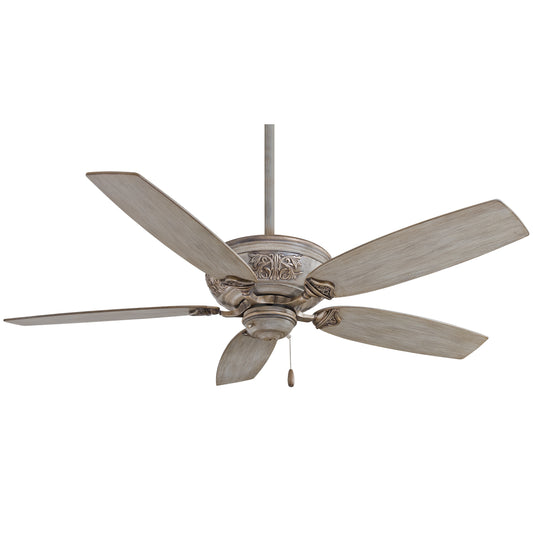
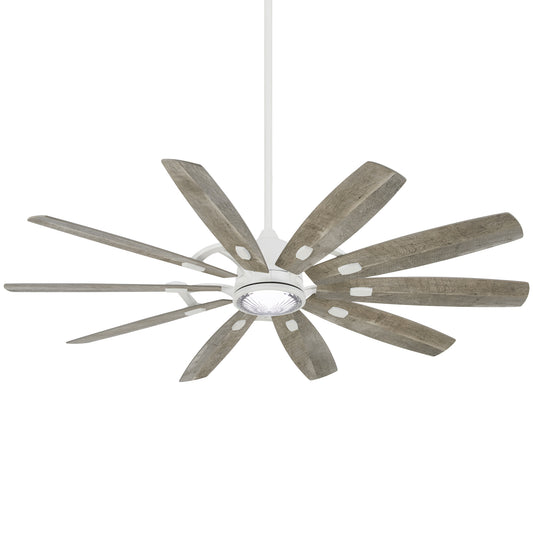
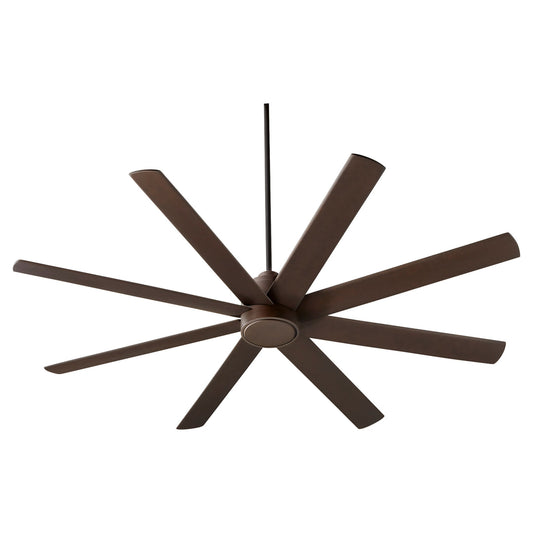
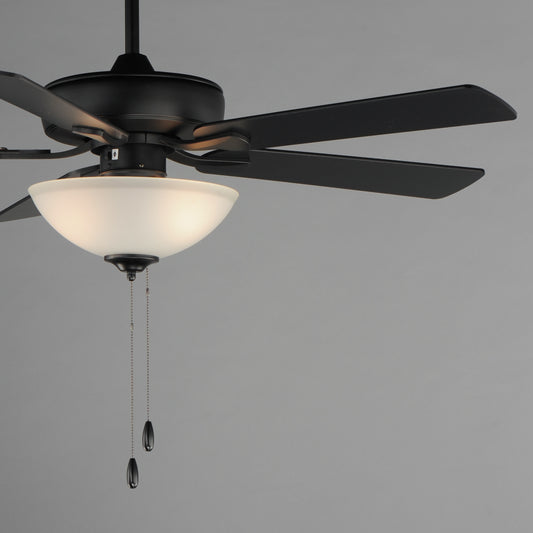
The best quiet fans, like the Artemis IV from the Minka Aire collection and the Breeze from the Modern Forms collection, are designed from the ground up to be virtually silent while moving air. They feel like a gentle, consistent breeze, making them a perfect fit for a peaceful bedroom.
Your Search for the Perfect Night's Sleep Ends Here
So, what’s the secret behind a truly silent fan? It’s not magic, but a combination of thoughtful technology and design. It all comes down to three key elements working together:
- Advanced DC Motors: Forget the familiar hum of old AC motors. Modern DC motors are engineered for near-silent precision, eliminating that low-frequency drone that can disrupt sleep.
- Aerodynamic Blade Design: The shape of the blades matters. A lot. The best ones are sculpted to slice cleanly through the air, avoiding the choppy, turbulent noise that less-refined blades create.
- Secure Installation: Even the quietest fan will make a racket if it's not mounted properly. A rock-solid mounting system is essential to prevent the rattles and wobbles that can ruin a quiet night.
A great bedroom fan does more than just move air. It becomes a beautiful, functional centerpiece for your personal sanctuary. And to really dial in your rest, you might find these general tips to improve sleep quality helpful alongside choosing the right fan.
The Quiet Revolution in Bedrooms
This demand for silence isn't just a small trend; it's driving major innovation in the global ceiling fan market, which is on track to hit USD 17.98 billion by 2034. This is especially true for bedrooms, where studies show that noise levels over 35 decibels can interfere with deep REM sleep.
At Fan Connection, we focus on premium models specifically engineered to operate well below that critical threshold. For more on how our choosing the perfect ceiling fan for your home can help, check out our complete guide.
For light sleepers, the difference is profound. A truly quiet fan eliminates the low-frequency hum that can interfere with sleep cycles, creating an environment of pure, peaceful airflow. This is the new standard for bedroom comfort.
To help you get started, we've put together a quick comparison of our top premium, ultra-quiet models. Each fan here is an investment in both style and serenity, representing the best in quiet fan technology for the bedroom.
Top Quiet Ceiling Fans for Bedrooms from Fan Connection
Here's a quick look at some of our favorite premium models, all priced at $300 or more and handpicked for their whisper-quiet performance.
| Fan Model | Key Feature for Quietness | Style | Ideal For |
|---|---|---|---|
| Artemis IV | Precision-Engineered DC Motor | Modern & Sculptural | Master bedrooms needing a statement piece. |
| Breeze | Aerodynamic Blade Design | Sleek & Minimalist | Rooms where subtlety and silent airflow are key. |
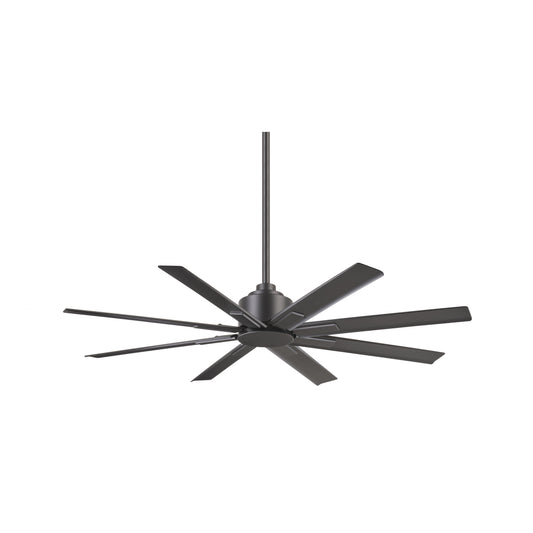
| Aerovon | Lightweight 3-Blade Construction | Industrial & Clean | Contemporary spaces wanting efficient, quiet cooling. |
| Artemis XL5 | 5-Blade Gentle Air Circulation | Classic & Elegant | Large bedrooms where smooth, broad airflow is preferred. |
Choosing any of these models from our Minka Aire and Modern Forms collections means you're prioritizing quality craftsmanship and a peaceful night's sleep. They combine stunning design with the advanced engineering needed to keep your bedroom the quiet sanctuary it should be.
The Science of Silence: What Makes a Ceiling Fan Quiet?
There's nothing worse than a ceiling fan that sounds like it's preparing for takeoff when you're trying to sleep. That clicking, humming, or roaring isn't just a nuisance; it's a sign of a fan that wasn't built for true silence. The difference between that noisy fan and one that purrs like a kitten comes down to good engineering.
It’s really a system of three things working together: the motor, the blades, and the installation. Get these three right, and all you’ll hear is the gentle movement of air.
The Heart of the Fan: Motor Technology
The biggest source of noise—or silence—is the motor. Most older or cheaper fans run on alternating current (AC) motors. They get the job done, but they have an inherent hum. It’s caused by the electrical current constantly switching directions, which creates vibrations. Even on the quietest AC fans, that low-level drone is always there, a fundamental part of how they work.
This is where modern direct current (DC) motors completely change the game. Think of a DC motor as a smarter, more precise engine. It uses permanent magnets and sophisticated electronics to turn the blades, which completely eliminates that electrical hum. They are the undisputed champions of silence.
With a DC motor, the only sound you should hear from a high-quality fan is the gentle whisper of air moving. This is why they are the gold standard for anyone seeking the best quiet ceiling fans for sleeping.
Sculpted for Silence: Blade Aerodynamics
A silent motor is only half the battle. The blades themselves are the next piece of the puzzle. The way they’re shaped, angled, and what they’re made of determines how they cut through the air. Poorly designed blades don't slice through the air—they just slap against it, which creates that choppy, "whooshing" sound.
Here’s what makes a difference:
- Aerodynamic Shape: The best quiet fans have blades shaped like airfoils, similar to an airplane wing. This design lets them move through the air with minimal resistance and turbulence, which is the main cause of that whooshing noise.
- Blade Pitch: This is just the angle of the blades. A steep angle can move a lot of air, but if it’s not paired with the right motor and blade shape, it can also create a lot of noise. Premium fans are engineered to find that perfect balance between powerful airflow and quiet operation.
- Solid Materials: The material matters, too. Blades made from solid, hand-carved wood or dense, molded ABS plastic resist vibrating and fluttering. Cheaper fans often use thin, stamped-metal blades that can easily bend and create noise. If you want to dive deeper into how blade design works, check out our guide on the impact of fan blade count and efficiency.
This is how it all comes together. The right motor eliminates the hum, and the right blades eliminate the whoosh.

As you can see, silent operation isn't about one single feature. It's about a complete system where each part cancels out a different source of potential noise.
The Unshakable Foundation: Secure Installation
Finally, you could buy the quietest, most advanced fan on the market, but if it’s not installed properly, it’s going to make noise. A rock-solid installation is the final, non-negotiable piece of the puzzle. Any wobble, wiggle, or looseness will turn into clicks, rattles, and vibrations that will drive you crazy at night.
For instance, the Artemis IV, a masterpiece of quiet engineering, realizes its silent potential only when mounted correctly. That means anchoring it to a fan-rated electrical box in the ceiling—not a standard box meant for a lightweight light fixture. Those heavy-duty boxes are designed to handle the weight and motion without flexing or creating noise.
It's also crucial to tighten every single screw on the mounting bracket, downrod, and blade holders. Manufacturers include balancing kits for a reason. Even tiny imbalances can create a wobble, so taking a few extra minutes to balance the blades after installation ensures your fan runs perfectly smooth and silent for years to come.
Finding Your Perfect Match: Sizing and Features for Your Bedroom

Picking out one of the best quiet ceiling fans for sleeping isn't a one-size-fits-all deal. Think of it like finding the perfect mattress—what works for one person might not work for you. The right fan has to be perfectly matched to your room's size and your personal idea of comfort.
Getting this right is the key to that blissful, gentle airflow that lulls you to sleep, not a turbulent gust that feels like you're in a wind tunnel. It all starts with getting the size just right. And surprisingly, the common wisdom of "small fan, high speed" is often the wrong way to go.
The 'Go Big and Go Slow' Rule
Here's a secret from the pros: for the quietest, most comfortable breeze, it’s best to choose a slightly larger fan and run it on a lower speed. A fan with a wider blade span moves a huge column of air slowly and gracefully. This creates a broad, consistent breeze without the choppy, noisy sound a small fan makes when it's spinning like crazy.
To find your ideal size, grab a tape measure and find your bedroom's square footage (just multiply the length by the width). From there, these guidelines will get you pointed in the right direction:
- Medium Bedrooms (up to 150 sq. ft.): Look for fans with a blade span of 36" – 44".
- Large Bedrooms (150 to 300 sq. ft.): This is your typical master bedroom. A fan in the 44" – 54" range is your sweet spot.
- Extra-Large Bedrooms (over 300 sq. ft.): Go big with a fan that's 54" or larger to make sure air gets moved evenly across the whole space.
Remember, a larger fan on low is almost always quieter and more comfortable than a small fan on high. You get all the circulation you need without the disruptive noise.
Let's say you have a standard 15x15 foot master bedroom, which is 225 sq. ft. A stylish fan like the 52-inch Bola from our Kichler collection would be a fantastic choice. Its size is perfect for moving air gently, and its whisper-quiet DC motor won't disturb your sleep. If you want to get into the nitty-gritty of why these motors are so quiet, our deep dive into the best DC motor ceiling fans has all the details.
Must-Have Features for Bedroom Sanctuaries
Beyond the right size, a few key features are what really separate a good bedroom fan from a great one. These aren’t just gimmicks; they’re practical functions that make life easier and sleep more peaceful, especially when you're already cozy in bed.
Multi-Speed Remote Control Honestly, this is non-negotiable for a bedroom. Nobody wants to stumble out of a warm bed to pull a chain in the middle of the night. A remote lets you tweak the fan speed, change its direction, or dim the lights without ever leaving your pillow. It's the ultimate convenience.
Reversible Motor for Year-Round Use This simple feature has a huge impact on your comfort all year long.
- Summer Mode (Counter-Clockwise): The blades push cool air straight down, creating a refreshing breeze that makes you feel cooler.
- Winter Mode (Clockwise): In reverse, the blades run on a low speed to gently pull cool air up. This circulates the warm air that naturally rises and gets trapped at the ceiling, making your room feel warmer and cozier.
Integrated and Dimmable LED Lighting The right light can really set a relaxing mood. An integrated LED light kit gives you a clean, seamless look with no bulky, old-school bulbs. Even more important is finding one with a dimmable feature. This lets you go from bright, functional light for getting ready to a soft, warm glow that helps you wind down for sleep. The sleek Axis fan, for example, combines a powerful, quiet motor with a beautifully integrated, dimmable LED, making it a perfect all-in-one solution for any modern bedroom in our Casablanca collection.
Style Meets Serenity: Our Top Quiet Fan Collections
A quiet fan is about more than just function—it's about finding that perfect centerpiece that ties your whole bedroom together. After all, the best fan for sleeping should look as good as it performs. We’ve handpicked our favorite collections from Fan Connection, focusing on premium models over $300 that deliver on both whisper-quiet operation and stunning style.

The right fan should feel like a natural part of your room, whether your style is clean and modern, classic and cozy, or like a breezy vacation escape. Let’s walk through a few of our curated styles to find the one that’s right for you.
Modern Minimalism: The 3 Blade Collection
If you love a clean, uncluttered aesthetic, our 3 Blade Collection is the definition of modern design. These fans are built on a "less is more" idea, with sleek lines and a low profile that fits perfectly in contemporary spaces.
But don’t let the simple look fool you. A fan like the gorgeous Aerovon is a powerhouse of engineering, with aerodynamic blades designed to slice through the air with amazing efficiency and almost no sound. It’s the perfect pick when you want serious airflow without the visual clutter.
Classic Elegance: The 5 Blade and 6+ Blades Collections
For those who lean toward a more traditional, sophisticated look—or just need to move a lot of air in a large master bedroom—the 5 Blade and 6+ Blades Collections are where it's at. These fans have a timeless appeal and create a broader, more gentle circulation.
Think of it this way: more blades create a smoother, less "choppy" airflow. The result is a continuous, soft breeze that many people find incredibly calming for sleep. It’s all about creating a tranquil atmosphere.
The Artemis XL5 is a perfect example. With its five beautifully curved blades, it becomes an elegant focal point in any room, while its powerful DC motor keeps it whisper-quiet. These collections are proof you don’t have to choose between classic style and silent performance. You can also explore the latest ceiling fan design trends to see how these timeless looks fit into modern homes.
The Ultimate Escape: The Tropical Collection
Ever wish your bedroom felt more like a vacation? Our Tropical Collection is designed to do just that. With wide, leaf-shaped blades often made from natural materials, these fans instantly bring a breezy, resort-like vibe to your space.
Just imagine the Cabana fan spinning slowly overhead, its broad blades stirring up a gentle, rhythmic breeze that feels just like one from the ocean. These fans are statement pieces that add organic texture and a sense of escapism, all while delivering the silent operation you need for a good night's rest. They truly turn your bedroom into a private retreat.
This focus on quiet, stylish fans is part of a much larger trend. The indoor ceiling fan market is expected to hit USD 9.5 billion by 2025, thanks in large part to growing urbanization. With 55% of the world's population now in cities, silent, personal airflow has become a real luxury. Homes make up 71.81% of the global market, with owners increasingly using fans to slash air conditioning costs by up to 30%. This is a game-changer for the 45% of city dwellers who report sleep issues due to heat and noise. As online shopping for home goods grows by 20%, Fan Connection is here to help homeowners find that perfect quiet fan for their space.
Installation and Maintenance Tips for Whisper-Quiet Operation
You’ve done the hard part and picked out the perfect quiet fan. But your path to a peaceful bedroom isn’t quite finished. The final, most critical piece of the puzzle is getting the installation right, followed by a little bit of simple upkeep.
This is where the magic happens—transforming that fan from a box on the floor into a silent, steady source of comfort. After all, even the most advanced DC motor and perfectly balanced blades can't overcome a shoddy installation. If you hear a wobble, click, or rattle, it’s almost always a sign of a small setup mistake, not a faulty fan.
The Foundation of Silence: Your Installation Checklist
While the DIY route might seem tempting, we can't stress this enough: hire a certified electrician. It’s not just about safety—it’s about performance. An electrician will make sure your ceiling’s electrical box is properly 'fan-rated', which is an absolute must.
A standard box meant for a light fixture can’t handle the weight and constant motion of a fan. It will flex and shift, creating the exact kind of wobbling and noise you’re trying to eliminate.
Here are the key things to get right for a silent setup:
- Tighten Every Screw: This is the number one fix for fan noise. Go over every single screw on the mounting bracket, downrod, and blade holders, making sure they’re completely snug. A single loose screw is all it takes to cause a persistent clicking sound.
- Use the Balancing Kit: Don’t just toss this aside! Your fan includes a balancing kit for a reason. Taking a few minutes to use it will correct any minor wobble from the get-go and makes a huge difference in silent, smooth operation.
- Install Blades Correctly: Make sure every blade is attached firmly to its blade arm and that they all sit at the same height. Even one uneven blade can throw the entire fan off balance.
If you are going to tackle the project yourself, our detailed guide on how to install a ceiling fan offers extra visuals and support for each step.
A rock-solid, professional installation is the unshakable foundation of a quiet fan. It prevents the rattles and wobbles that undermine even the most advanced motor technology, ensuring pure, silent airflow.
Long-Term Care for Lasting Serenity
Once your fan is up and running perfectly, a little bit of maintenance will keep it that way for years to come. It’s simple stuff, but ignoring it can lead to dust buildup, which is a common cause of imbalance and noise.
Follow these easy tips to maintain that whisper-quiet performance:
- Clean Blades Regularly: Dust might seem harmless, but it adds weight and throws your fan blades off balance, causing them to wobble. Just wipe the blades down with a soft cloth every few months to keep them clean and spinning smoothly.
- Perform Periodic Checks: About once a year, take a minute to re-tighten all the visible screws, especially the ones holding the blades. The fan's vibrations can sometimes cause them to loosen ever so slightly over time.
- Listen for Changes: Pay attention to any new sounds. A sudden click or a low hum is your fan's way of telling you something needs a quick adjustment. Catching these little issues early stops them from turning into bigger headaches down the road.
By putting in a little effort on the front end with a solid installation and a tiny bit of upkeep, you'll ensure your fan remains a silent, beautiful, and effective part of your sleep sanctuary.
Your Top Questions About Quiet Ceiling Fans
Even after digging into the details, you probably have a few questions rolling around in your head. That’s perfectly fine—picking the best quiet ceiling fan for sleeping is a big deal, and you want to get it right. Let's tackle the most common questions we hear, so you can feel 100% confident in your choice.
Think of this as the final myth-busting session before you find the perfect fan. We'll get straight to the facts.
Are DC Motor Ceiling Fans Really That Much Quieter?
Without a doubt. For anyone who's a light sleeper, the difference between an AC and a DC motor is night and day. It's the single most important factor if you want a fan that truly disappears into the background.
Your traditional AC motor relies on an alternating electrical current to generate a magnetic field and spin the motor. That process, by its very nature, creates a low-level electrical "hum." A well-built AC fan can be quiet, sure, but that hum is always there, and it can be absolute torture for sensitive ears.
DC motors are a whole different ballgame. They use a system of permanent magnets and smart electronics to control the spin, which completely eliminates that electrical hum you get from AC fans.
The only thing you'll hear from a quality DC motor fan is the sound of the blades slicing through the air. That’s it. This is exactly why they're the undisputed champs for bedrooms and our top recommendation for a truly peaceful night's sleep.
High-end models like the Andros from the Fanimation collection or the Apex from the Craftmade collection are built around these precision DC motors. On their lower settings, they are practically silent, making them a worthy investment for your personal sanctuary.
Does the Number of Blades Affect How Quiet a Fan Is?
This one trips a lot of people up, but the answer might surprise you: the number of blades is more about the feel of the airflow, not the noise level. It’s a total myth that more blades automatically mean more noise. The real secret to a silent fan is a top-notch motor, aerodynamic blades, and a rock-solid installation.
Where the blade count does make a difference is in how the air moves around you.
- Fewer Blades (like 3): Fans with three blades tend to slice through the air faster, creating a more direct, noticeable breeze.
- More Blades (5+): Fans with five or more blades are designed to move air more gently and cover a wider area. You get less of a "choppy" feeling and more of a steady, smooth air current.
For sleeping, most people prefer that smoother, calmer airflow you get from a 5-blade or 6+ blade fan running on a low setting. If that sounds like you, then checking out our 5 Blade and 6+ Blades collections is a great next step.
Why Is My New 'Quiet' Fan Making a Clicking or Wobbling Noise?
Okay, so you just installed your new "quiet" fan and it's clicking, rattling, or wobbling. Don't worry! This is almost always an easy installation fix, not a broken motor. A premium fan should be whisper-quiet right out of the box, so any of those extra sounds are a clear sign something just needs a little tweak.
First things first: turn off the power at the circuit breaker before you touch anything. Safety first.
Now, let's run through a quick checklist:
- Check Every Single Screw: This is the #1 reason for fan noise. Go back and carefully tighten every screw—on the mounting bracket, downrod, and especially where the blades connect to the fan. Just one loose screw can cause a rhythmic click.
- Make Sure Blades Are Seated: Double-check that all the blades are attached firmly and evenly to the blade holders.
- Use the Balancing Kit: That little kit that came with your fan? It’s your secret weapon against wobbles. Follow the simple instructions to add a small weight to a specific blade. It counteracts tiny imbalances and gets the fan running perfectly smooth.
- Confirm Your Ceiling Box: Make sure the electrical box in your ceiling is "fan-rated." A standard box made for a simple light fixture isn't strong enough and can flex under the fan's weight and movement, causing noise.
Can I Get a Powerful High-Airflow Fan That Is Also Quiet?
Yes, you can absolutely have the best of both worlds! You don't have to choose between powerful airflow and a peaceful room. This is exactly where a high-quality, large-diameter fan with a DC motor shines.
The trick is to look for a fan with a high CFM (Cubic Feet per Minute) rating that also features a quiet DC motor. A larger fan, like the stunning 60-inch Artemis XL5 or the massive 96-inch Aviation model, is engineered to move a huge amount of air even on its lowest, quietest speeds.
This is a much smarter—and quieter—approach than getting a small, dinky fan and having to crank it up to its highest, loudest setting. When you're searching for the best quiet ceiling fans for sleeping, zero in on those large-diameter models with DC motors. They're built to deliver that perfect combo of strong circulation without the noise.
Ready to find the perfect blend of style, silence, and comfort for your bedroom? Explore the curated collections at Fan Connection and discover a fan that will transform your sleep.
Shop Our Full Collection of Quiet Ceiling Fans at Fan Connection


